
Most travelers picture Tibet as a summer destination, associating the plateau with warm weather and lush grasslands. However, seasoned adventurers know a well-kept secret: winter is actually the most cost-effective time to visit this mystical region. When temperatures drop, so do prices, opening up an incredible opportunity to experience the Roof of the World without draining your savings account. The combination of fewer crowds, pristine skies, and significant financial incentives makes the cold months truly magical. By planning a winter trip, you can take full advantage of discounted tickets and cheaper flights that are simply unavailable during the peak tourist season. Instead of fighting through throngs of visitors at major monasteries, you will find yourself sharing sacred spaces with devout pilgrims and fellow travelers who appreciate authentic experiences over convenience. The crisp winter air offers unparalleled visibility, making it the absolute best time to photograph Mount Everest and other towering peaks.
Key Takeaways
- Airlines offer cheaper flights due to lower seasonal demand.
- Major attractions provide heavily discounted tickets or free entry.
- Hotels slash their rates, offering luxury stays at budget prices.
- Crystal-clear winter skies guarantee unmatched views of the Himalayas.
- Fewer tourists mean a more peaceful and authentic cultural experience.
Securing Discounted Tickets and Cheaper Flights for Your Winter Journey
The single biggest expense for any international or domestic traveler heading to the Tibetan plateau is usually transportation and entry fees. During the peak months from May to October, flight prices skyrocket, and securing a seat requires booking far in advance. Winter completely flips this dynamic. Because overall tourism volume decreases between November and March, airlines aggressively adjust their pricing strategies to fill seats. This means you can easily find cheaper flights from major gateway cities like Chengdu, Chongqing, Xian, and Kunming to Lhasa Gonggar Airport. Carriers frequently run promotional campaigns during these months, sometimes slashing airfares by thirty to fifty percent compared to summer rates. If you are flexible with your travel dates, monitoring airline portals for flash sales can result in massive savings.
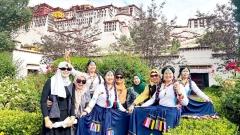
Beyond getting there, moving around and entering sites becomes significantly more affordable. The local government typically rolls out its annual “Winter Tour” promotional campaign, designed specifically to stimulate off-season tourism. Under this initiative, dozens of A-level scenic spots across the Tibet Autonomous Region offer deeply discounted tickets or even waive entrance fees entirely. Iconic sites that normally require expensive reservations become highly accessible. For example, while the Potala Palace charges a premium during the summer and strictly limits daily visitor numbers, winter policies often reduce the ticket price by half and remove the stressful time-slot restrictions. You can wander through the ancient halls at your own pace, soaking in the history without feeling rushed by a ticking clock or pushed along by large tour groups.
This regional promotion extends far beyond Lhasa. Temples, natural reserves, and cultural villages throughout Shigatse, Nyingchi, and Shannan participate in the program. Travelers who meticulously plan their itineraries around these promotions can save hundreds of dollars on entrance fees alone. When you combine the savings from discounted tickets with the reduced cost of reaching the plateau via cheaper flights, your overall travel budget shrinks dramatically. This financial breathing room allows you to upgrade other aspects of your trip, such as hiring a private guide, eating at better restaurants, or extending your stay by several days to explore remote areas you might have otherwise skipped.

Lhasa Gonggar Airport
Accommodation Savings That Transform Your Budget
Finding a place to sleep in Lhasa during the summer peak can be both stressful and expensive. Mid-range hotels charge premium rates, and top-tier luxury properties often require bookings months in advance. Winter changes the hospitality landscape entirely. Hotel occupancy rates drop significantly, forcing property owners to compete fiercely for the smaller pool of available guests. As a result, accommodation costs plummet. It is not uncommon to find five-star hotels offering rooms at three-star prices. Properties that normally charge over two hundred dollars a night might list rooms for seventy or eighty dollars, complete with the same high standard of service, heated floors, and oxygen-enriched environments.
This dramatic price reduction applies across all tiers of lodging. Backpacker hostels in the Barkhor Street area offer rock-bottom rates, while boutique guesthouses provide extended-stay discounts that make lingering in Lhasa for a week or two incredibly affordable. Many hotels also throw in complimentary perks to attract winter guests, such as free airport transfers, upgraded breakfast buffets featuring local Tibetan staples like tsampa and butter tea, or late check-out times. Because the hotels are quieter, the staff has more time to dedicate to each guest, resulting in a higher quality of personalized service. You can ask the concierge for detailed recommendations on hidden local teahouses or request extra blankets and hot water bottles without feeling like a burden.
If you are traveling outside of Lhasa to places like Gyantse or Shigatse, the savings are equally impressive. Guesthouses near major monasteries that are fully booked and overpriced in July have plenty of empty rooms in January. This widespread availability gives you immense negotiating power. You can often walk into a hotel, inspect the room to ensure the heating system works properly, and negotiate a rate directly at the front desk that is lower than what is advertised online. By capitalizing on these low accommodation costs alongside your discounted tickets and cheaper flights, your daily expenditure in Tibet becomes surprisingly manageable, rivaling the cost of traveling in much less exotic Southeast Asian destinations.
Experiencing Unmatched Natural Beauty in the Cold Months
Many prospective visitors hesitate to book a winter trip because they fear the landscape will be barren or obscured by heavy snow. In reality, the Tibetan plateau experiences a dry winter. While it is certainly cold, snowfall in the central regions around Lhasa and Shigatse is relatively light, and the sun shines brightly almost every day. What winter does bring is an absence of moisture in the atmosphere, which eliminates the haze and clouds that frequently obscure mountain peaks during the monsoon-adjacent summer months. This creates the clearest, most transparent skies you will ever witness.
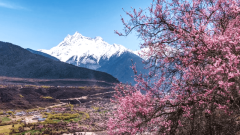
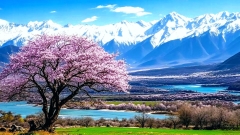
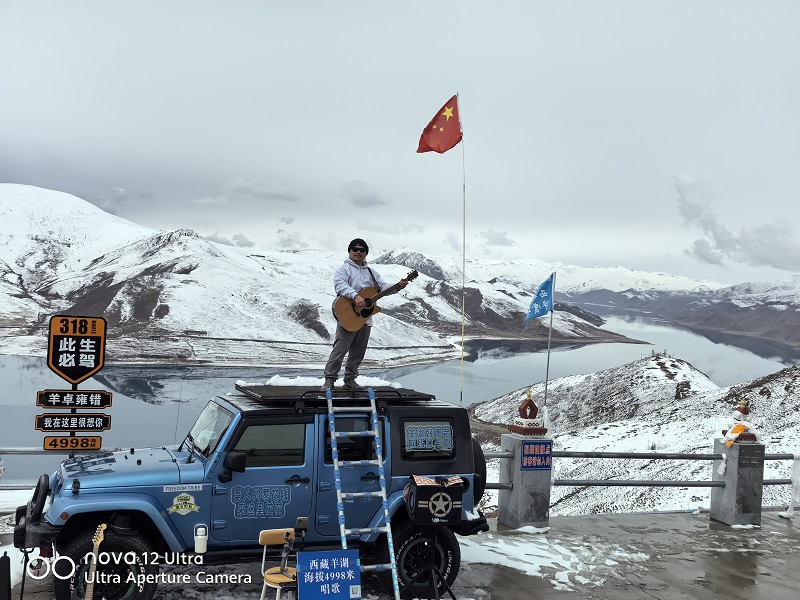
For photographers and nature lovers, this clarity is invaluable. Mount Everest, which often hides behind a thick blanket of clouds from June to September, stands stark and visible against deep blue skies during the winter. The viewing platforms at Rongbuk Monastery or the Gawu La Pass offer unobstructed panoramas of the entire Himalayan range, including Makalu, Lhotse, and Cho Oyu. The golden sunlight hitting the snow-capped peaks during sunrise and sunset produces colors that are impossible to capture in the hazy summer air. Yamdrok Lake, one of Tibet’s three sacred lakes, takes on a mesmerizing appearance. While it rarely freezes completely, the edges form intricate ice patterns, and the deep turquoise water contrasts sharply with the surrounding brown and white hillsides, creating a surreal, almost extraterrestrial landscape.
Nyingchi, located at a lower elevation in eastern Tibet, offers a different but equally spectacular winter experience. Known as the “Switzerland of Tibet,” its dense forests remain vibrant, and the views of Namcha Barwa peak are statistically much better in winter than in any other season. The lack of rain means trekking trails, while cold, are dry and safe to navigate. You do not have to worry about sudden downpours turning dirt paths into mudslides. By utilizing the money saved from discounted tickets and cheaper flights, you can hire specialized local drivers who know exactly where to go for the best winter vistas, ensuring your photography and sightseeing goals are fully realized without breaking the bank.
Immersing Yourself in Authentic Tibetan Culture
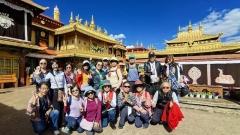
Summer in Tibet often feels like a tourist theme park. The streets of Lhasa are packed with domestic and international sightseers, souvenir shops push mass-produced trinkets, and the spiritual atmosphere can sometimes feel diluted by commercialism. Winter strips away this tourist veneer, revealing the authentic heartbeat of Tibetan culture. When the casual vacationers leave, the plateau returns to its true inhabitants: the monks, the nomads, and the devout pilgrims. Walking the Barkhor kora (circumambulation route) around the Jokhang Temple in December or January is a profoundly moving experience. You will walk shoulder-to-shoulder with Tibetans from remote provinces who have traveled for weeks to pray at the most sacred site in Tibetan Buddhism. The rhythmic chanting, the smell of burning juniper incense, and the spinning of prayer wheels create an atmosphere of pure devotion that is difficult to feel when surrounded by thousands of camera-toting tourists.
Winter also coincides with several important Tibetan festivals. Losar, the Tibetan New Year, usually falls in February or early March. Being in Lhasa or a smaller town during Losar preparations is fascinating. Locals clean their homes, paint fresh auspicious symbols on walls, and prepare special foods like Guthuk, a traditional noodle soup eaten on New Year’s Eve. Monasteries hold elaborate Cham dances, where monks wear intricate masks and colorful costumes to perform sacred rituals meant to drive away evil spirits. Because visitor numbers are low, you can often stand close to the action, observing details that would be impossible to see from the back of a crowded summer audience.
Engaging with locals becomes much easier and more genuine. Teahouse owners have time to chat, shopkeepers are less aggressive, and monks at smaller monasteries might invite you in for a cup of butter tea simply because they are curious about the rare winter visitor. This level of cultural immersion is the ultimate reward for braving the cold. It transforms a simple vacation into a life-changing journey. And because you secured discounted tickets and cheaper flights to get here, you can afford to stay longer, allowing yourself the necessary time to build these meaningful connections rather than rushing from one monument to the next on a tight schedule.
Practical Tips for Staying Warm and Healthy on the Plateau
While the financial and cultural benefits of a winter trip are undeniable, the physical realities of the Tibetan plateau in winter must be respected. Elevations average over four thousand meters, and winter temperatures in Lhasa can drop below minus ten degrees Celsius at night, though daytime highs under the intense sun often reach a comfortable ten to fifteen degrees. Proper preparation is essential to ensure your budget adventure remains safe and enjoyable.
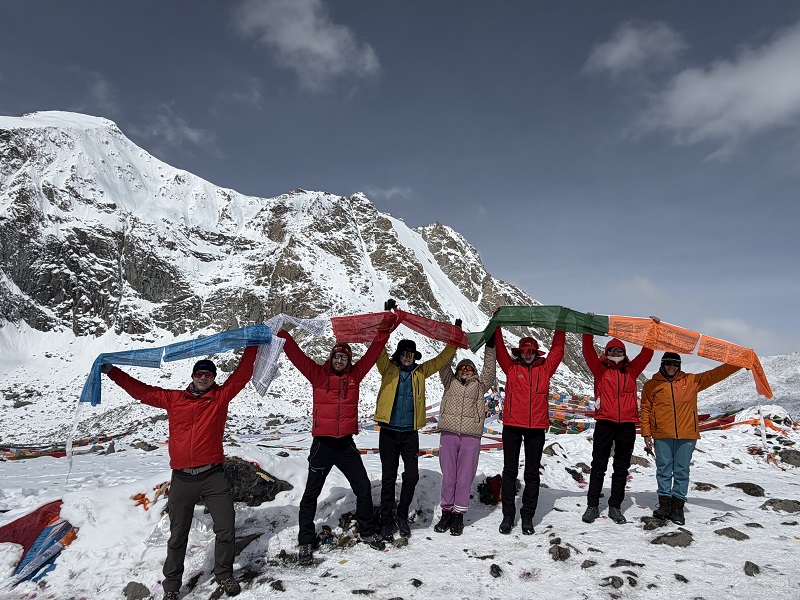
Layering is the golden rule of winter clothing in Tibet. The temperature fluctuation between direct sunlight and shade, or between day and night, is extreme. Start with a moisture-wicking thermal base layer to keep sweat away from your skin. Add an insulating middle layer, such as a fleece jacket or a lightweight down vest. Finally, wear a windproof and waterproof outer shell. The winter winds on the plateau can be biting, especially when visiting exposed areas like mountain passes or lake shores. Invest in high-quality thermal socks, insulated boots with good grip, a warm hat that covers your ears, and gloves. Sunglasses are absolutely mandatory; the high-altitude sun reflecting off snow and ice can cause snow blindness quickly.
Altitude sickness does not take a winter holiday. The air is thinner and drier in the cold months, which can exacerbate symptoms like headaches, shortness of breath, and fatigue. Spend your first two days in Lhasa acclimatizing. Do not rush to climb the steps of the Potala Palace immediately upon arrival. Walk slowly, drink copious amounts of water, and avoid alcohol and heavy meals for the first forty-eight hours. Local pharmacies and supermarkets sell portable oxygen canisters, which are inexpensive and provide peace of mind. Keep your accommodation well-ventilated but warm, and use lip balm and heavy moisturizer constantly, as the dry winter air will crack your skin rapidly. By prioritizing your health, you ensure that the money spent on discounted tickets and cheaper flights translates into actual memories rather than sick days spent confined to a hotel bed.
Planning Your Itinerary with China Dragon Travel
Navigating the logistics of a winter trip to Tibet—securing permits, finding reliable transport on icy roads, and identifying which specific sites are currently participating in the winter discount programs—can be daunting for independent travelers. This is where partnering with an experienced agency like China Dragon Travel becomes invaluable. They specialize in crafting seamless plateau itineraries that maximize your exposure to the winter promotions while ensuring your safety and comfort. Their local guides understand the micro-climates of different Tibetan regions, knowing exactly when to head to Nyingchi for milder weather and when to brave the cold for the ultimate Everest view.
China Dragon Travel leverages their industry relationships to help clients lock in the best possible rates for ground transportation and accommodations, perfectly complementing the savings you achieve through discounted tickets and cheaper flights. They handle the complex Tibet Travel Permit application process, which remains a strict requirement regardless of the season, ensuring all your paperwork is flawless before you board your plane. Whether you want a solo photography expedition focused on frozen lakes or a culturally immersive journey timed with the Tibetan New Year, their team customizes the route to fit your exact budget and interests. Utilizing their expertise removes the stress of winter travel logistics, allowing you to focus entirely on the breathtaking landscapes and profound spiritual encounters that make Tibet an unforgettable destination.
Frequently Asked Questions About Visiting Tibet in Winter
Is it safe to fly into Tibet during the winter months?
Yes, flying into Lhasa Gonggar Airport in winter is generally very safe. Modern aircraft are equipped to handle cold weather operations, and the airport maintains strict runway clearing protocols. The primary advantage of flying in winter is the abundance of cheaper flights, as airlines lower prices to maintain passenger volumes. However, winter weather can occasionally cause minor delays, so it is wise to build a buffer day into your itinerary before connecting to international flights out of mainland China.
Which specific attractions offer discounted tickets in winter?
The Tibet Autonomous Region government updates its winter tourism policy annually, but historically, almost all A-level scenic spots participate. This typically includes the Potala Palace, Barkhor Street areas, Norbulingka, and various monasteries like Tashilhunpo and Sera. Many sites offer half-price entry, while others become completely free. Always verify the current status of specific attractions when booking, as maintenance closures can occur during the coldest weeks.
How cold does it actually get in Lhasa during winter?
Lhasa is known as the “Sunlight City” for a reason. Despite being winter, the city enjoys abundant sunshine. Daytime temperatures frequently hover between eight and fifteen degrees Celsius when standing in direct sunlight, which feels quite warm. However, once the sun sets, temperatures can plunge rapidly to minus five or minus ten degrees Celsius. The key to comfort is managing this drastic daily temperature swing through effective clothing layering.
Can I still visit Mount Everest Base Camp in winter?
Visiting the Everest region in winter is absolutely possible and highly recommended for those seeking clear views. The lack of monsoon clouds means the mountain is visible almost every day. However, the temperatures at base camp and Rongbuk Monastery are extremely cold, often dropping below minus twenty degrees Celsius at night. Roads can be icy, so traveling with experienced drivers who know the terrain is essential. The effort is rewarded with unparalleled photographic opportunities and the quiet majesty of the world’s highest peak.
Why should I use a travel agency instead of booking everything myself?
While you can independently hunt for cheaper flights, organizing ground logistics in Tibet during winter carries unique challenges. Foreign travelers are legally required to travel with organized tours and possess specific permits. Agencies like China Dragon Travel manage these legal requirements, arrange safe vehicles suited for winter road conditions, and ensure you actually receive the promotional benefits tied to discounted tickets. Their local knowledge prevents costly mistakes and ensures a smooth, safe journey across the high-altitude terrain.