
For many travelers, Tibet is more than a destination of stunning landscapes — it is a place of ancient traditions and spiritual discovery. Located in western Tibet’s Ngari region, Mount Kailash is one of the world’s most sacred mountains and attracts pilgrims and hikers from around the globe. The Mount Kailash Kora offers a unique high-altitude trekking experience, combining dramatic Himalayan scenery, centuries-old Tibetan culture, and a personal challenge that makes it one of the most unforgettable journeys on the Tibetan Plateau.
Key Takeaways
- Mount Kailash Kora is one of Tibet’s most iconic high-altitude trekking routes, covering approximately 52 km and usually taking 2–3 days to complete
- Mount Kailash is not only a spectacular mountain but also a sacred site respected by Tibetan Buddhism, Bon, Hinduism, and Jainism
- The highest point of the trek is Dolma La Pass, reaching around 5,630 meters above sea level, making it the most challenging section of the route
- Unlike ordinary hikes, the Kailash Kora combines dramatic landscapes, ancient spiritual traditions, and personal challenges into a unique Tibetan trekking experience
- The best trekking seasons are generally May–June and September–October, when weather conditions are more stable and mountain views are clearer
- Altitude is the biggest challenge of the trek, so proper acclimatization, preparation, and a well-planned itinerary are essential
Why Mount Kailash Kora Should Be on Every Hiker’s Bucket List
A trek that combines nature, culture, and spirituality
Unlike many trekking routes that focus only on landscapes and physical challenges, the Mount Kailash Kora offers a much deeper experience.
During the trek, hikers pass through:
- Remote valleys and high-altitude plains
- Snow-covered mountain landscapes
- Ancient monasteries and pilgrimage sites
- Traditional Tibetan prayer areas
Every step along the route provides a connection between nature and culture. Even travelers without religious beliefs often find the atmosphere around Mount Kailash deeply inspiring.
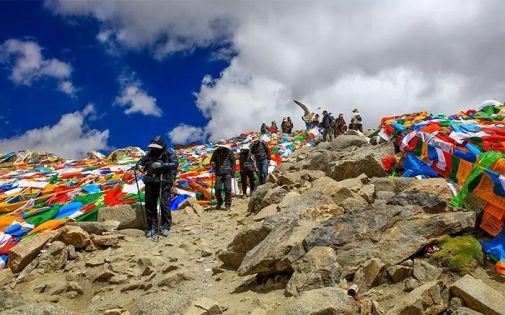
Dolma La Pass – Highest Point of Mt. Kailash Kora
A meaningful high-altitude challenge
The Mount Kailash Kora is not the longest trek in the world, but its altitude makes it a true challenge.
The journey begins from Tarchen (approximately 4,600 meters above sea level), and the highest point of the route, Dolma La Pass, reaches around 5,630 meters.
For trekking enthusiasts, reaching this mountain pass represents a major personal achievement. Walking through thin air, crossing rugged terrain, and continuing despite physical challenges make the experience especially rewarding.
Unforgettable Himalayan scenery
The landscapes around Mount Kailash are among the most unique in Tibet.
Unlike traditional mountain trekking routes surrounded by forests and glaciers, the Kailash Kora takes place in a dramatic high-altitude desert environment.
Highlights include:
- The pyramid-shaped Mount Kailash peak
- Wide valleys beneath the Himalayas
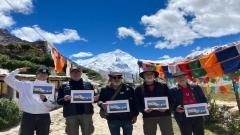
- Colorful prayer flags at mountain passes
- Clear alpine skies and untouched wilderness
The scenery changes constantly throughout the trek, making every section of the route feel different.
The Sacred History of Mount Kailash
Mount Kailash is not simply a mountain. For thousands of years, it has been considered a sacred place by multiple religions.
A holy mountain shared by different traditions
Mount Kailash is revered by:
- Tibetan Buddhism
- Bon religion
- Hinduism
- Jainism
In Tibetan Buddhism, the mountain is believed to be the home of important deities and a place of great spiritual power. In Hindu tradition, it is associated with Lord Shiva.
This unique cultural significance has made Mount Kailash one of the world’s most important pilgrimage destinations.
The meaning of the Kailash Kora
The word Kora means circumambulation or walking around a sacred object.
For Tibetan pilgrims, completing a Kora around Mount Kailash is an important religious practice believed to bring blessings and spiritual merit.
Traditionally:
- Tibetan Buddhists walk clockwise around the mountain
- Bon followers traditionally walk counterclockwise
Today, the route attracts not only pilgrims but also hikers who want to experience one of the world’s most meaningful trekking journeys.
Mount Kailash Kora Route Overview
The classic Mount Kailash Kora route starts and ends in Tarchen, the small town that serves as the base for the trek.
The total distance is approximately 52 kilometers, usually completed in 2 to 3 days.
Day 1: Tarchen to Dirapuk Monastery
The first day is relatively long but offers some of the most impressive views of Mount Kailash.
Highlights include:
- Walking through the Tarboche area
- Viewing the western face of Mount Kailash
- Arriving at Dirapuk Monastery
Many trekkers consider this section the most scenic part of the journey.
Day 2: Crossing Dolma La Pass
This is the most challenging and rewarding day of the Kora.
The route climbs to:
Dolma La Pass — approximately 5,630 meters
The pass is covered with colorful prayer flags and represents the spiritual and physical peak of the journey.
After crossing the pass, trekkers descend toward Zuthulpuk Monastery.
Day 3: Return to Tarchen
The final section is shorter and easier.
After passing through valleys and open landscapes, trekkers return to Tarchen and complete the sacred circuit around Mount Kailash.
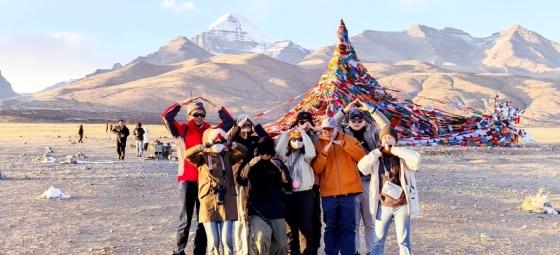
Visitors to Mount Kailash
Who Is Suitable for Mount Kailash Kora?
The Kailash Kora is suitable for travelers who:
- Enjoy outdoor adventures
- Have basic hiking experience
- Want to experience Tibetan culture deeply
- Are prepared for high-altitude conditions
However, it requires more preparation than regular sightseeing tours.
Travelers should be comfortable with:
- Walking several hours per day
- Simple accommodation
- Changing weather conditions
- Limited facilities during the trek
Best Time to Do Mount Kailash Kora
May to June: Comfortable trekking conditions
During late spring and early summer:
- Temperatures become more comfortable
- The trekking route is accessible
- Tourist numbers are relatively moderate
September to October: The best season for trekking
Many experienced hikers consider autumn the ideal period for the Kailash Kora.
Advantages include:
- Clear skies
- Better mountain visibility
- Less rainfall
- Comfortable daytime temperatures
The autumn season also provides excellent conditions for photography.
July to August: Possible but less predictable
Summer is the rainy season in parts of Tibet.
Travelers may experience:
- Cloudier weather
- Occasional rainfall
- More challenging trail conditions
However, the landscape can become greener and more vibrant.
What to Prepare Before Mount Kailash Kora
Physical preparation
Since the trek takes place at extreme altitude, preparation is important.
Recommended preparation includes:
- Regular hiking or cardio training
- Building endurance before departure
- Allowing enough time for altitude acclimatization
Essential trekking equipment
Recommended items include:
- Comfortable hiking boots
- Waterproof and windproof jacket
- Warm layers
- Trekking poles
- Sunglasses
- Sunscreen
- Personal medication
Weather conditions can change quickly, so proper clothing is essential.
Altitude considerations
The biggest challenge of the Kailash Kora is not distance but altitude.
Travelers should:
- Spend time acclimatizing before the trek
- Avoid rushing during the route
- Drink enough water
- Listen to their body
A well-planned itinerary can significantly improve the trekking experience.
Accommodation and Facilities During the Trek
The accommodation along the Kailash Kora route is basic compared with hotels in cities such as Lhasa.
Trekkers usually stay in:
- Simple guesthouses
- Local lodges
- Basic mountain shelters
Facilities are limited, but this simplicity is part of the authentic trekking experience.
Travelers should prepare mentally for a more remote and adventurous journey.
Why Join a Professional Mount Kailash Trekking Tour?
Although the Kailash Kora is a rewarding adventure, organizing the trip independently can be complicated.
The Ngari region is remote, and travelers need to arrange:
- Tibet travel permits
- Transportation
- Accommodation
- Trekking support
- Route planning
Joining a professional trekking tour provides additional support, allowing travelers to focus on the experience rather than logistics.
A Journey Beyond Ordinary Trekking
The Mount Kailash Kora is more than a hiking route. It is a journey through some of Tibet’s most dramatic landscapes and one of the world’s most meaningful spiritual destinations.
For hikers, it offers the challenge of high-altitude trekking. For culture lovers, it reveals centuries of Tibetan traditions. And for anyone searching for a deeper travel experience, it provides a rare opportunity to connect with the land, the mountains, and the stories that have shaped this sacred region.