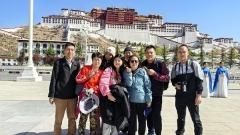
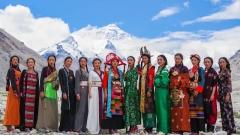
For Australian citizens, Tibet travel requires more than just booking a flight and packing warm clothes. The region operates under specific administrative regulations that mandate several layers of documentation before you can set foot on the plateau. Understanding these requirements well in advance is crucial to avoiding delays or denied entry at border checkpoints. Whether you are drawn by the spiritual monasteries, the towering Himalayan peaks, or the unique nomadic culture, proper preparation ensures your journey goes smoothly. This guide breaks down every document Australian passport holders need to secure, explaining the application processes, timelines, and practical tips to help you organize a successful trip to one of the most remote destinations on earth.
Key Takeaways
- A valid Chinese visa is mandatory before applying for any regional permits.
- The Tibet Travel Permit is the primary document required for all foreign visitors entering the region.
- An Alien Travel Permit is necessary if your itinerary includes areas outside Lhasa.
- A Military Border Pass is required for visiting restricted zones near international borders like Mount Everest or Mount Kailash.
- Independent travel is not permitted; all arrangements must be made through a registered travel agency.
Understanding the Basics of Tibet Travel for Australians
Before diving into the specific paperwork, it is important to understand the fundamental rules governing tourism in the region. Unlike traveling to mainland China where Australian citizens can move relatively freely once they hold a valid visa, the Tibet Autonomous Region has distinct entry protocols. Foreign nationals, including Australians, are not permitted to travel independently. You cannot simply buy a train ticket to Lhasa or book a flight and explore on your own. Every aspect of your journey, from transportation and accommodation to daily sightseeing, must be arranged through a registered local travel agency.
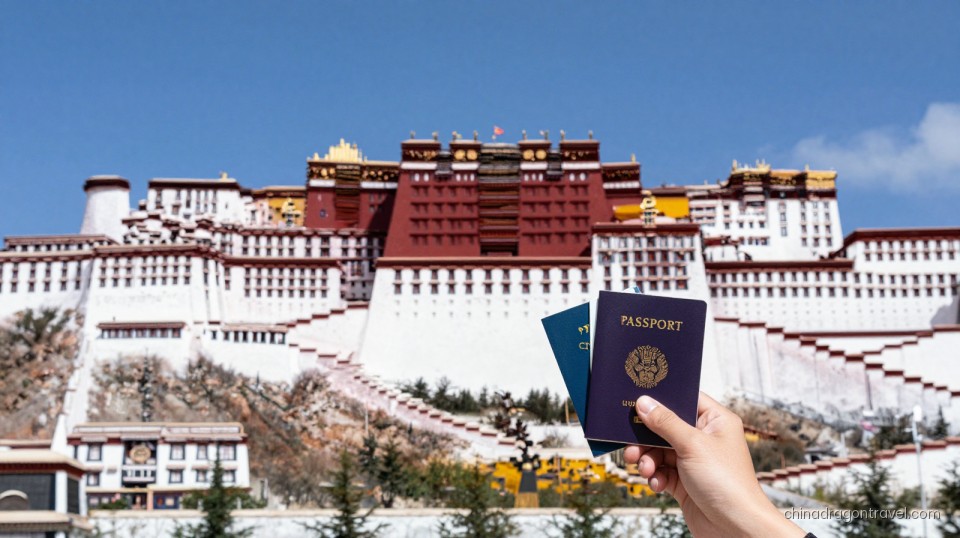
This requirement exists because the travel agency acts as your sponsor, handling the complex bureaucratic process of securing the various permits on your behalf. When planning your Tibet travel, you will first need to finalize your itinerary with an agency. Once your route, dates, and group details are confirmed, the agency initiates the permit application process with the local authorities. It is also worth noting that journalists, diplomats, and government officials face entirely different restrictions and generally cannot enter as standard tourists. For regular Australian travelers holding standard passports, the process is straightforward provided you follow the correct sequence of applications and allow sufficient processing time.
Securing Your Chinese Visa for Tibet Travel
The foundational document for your journey is a Chinese Tourist Visa (L Visa). Since Tibet is an autonomous region within China, you must have legal permission to enter the country before any regional permits can even be considered. Australian citizens need to apply for this visa through the Chinese Visa Application Service Center located in major cities like Sydney, Melbourne, Brisbane, or Perth.
When filling out your visa application form, there is a strategic nuance to keep in mind regarding your stated itinerary. While your ultimate goal is Tibet travel, it is highly recommended to list your destination as mainland cities such as Beijing, Chengdu, Shanghai, or Xining rather than mentioning Tibet directly. Chinese embassies and consulates outside of China do not issue permits for the region, and stating Tibet as your primary destination on the visa application can sometimes lead to complications, additional questioning, or even denial of the standard tourist visa. Instead, present a standard itinerary showing your planned stay in mainland China. You will need to provide your passport, which must have at least six months of validity remaining and two blank pages, along with passport-sized photos, completed application forms, and proof of flights and hotel bookings for your mainland China itinerary.
Processing times for a Chinese visa typically range from four to seven business days for Australian applicants, though expedited services are available for an additional fee. Once you have your passport back with the Chinese visa stamped inside, you have cleared the first major hurdle. Keep your passport safe, as you will need to send copies—or sometimes the physical passport—to your travel agency to begin the next phase of your Tibet travel preparations.

The Tibet Travel Permit: Your Most Critical Document
The Tibet Travel Permit, often referred to as the TTB permit, is the single most important document for your journey. Without it, you cannot board a flight or a train heading into the region, nor can you pass through the security checkpoints upon arrival. This permit is issued by the Tibet Tourism Bureau, and crucially, individual travelers cannot apply for it directly. Only a licensed travel agency operating within the region can submit the application on your behalf.
To initiate the application, you will need to provide your travel agency with clear scanned copies of your Australian passport information page and your newly acquired Chinese visa. You will also need to supply your basic personal details, including your full name, gender, date of birth, nationality, and occupation, ensuring everything matches your passport exactly. Your finalized itinerary, detailing every city and county you plan to visit, must also be submitted alongside these documents.
The processing time for the Tibet Travel Permit generally takes between fifteen to twenty working days. Therefore, it is vital to begin organizing your Tibet travel at least a month or two before your intended departure date. Once approved, the permit is physically printed in Lhasa. If you are flying into Lhasa from a mainland Chinese city like Chengdu or Chongqing, the travel agency will courier the original physical permit to your hotel in that gateway city. You must present the original paper document at the airport check-in counter; a photocopy or digital version on your phone will not be accepted. If you are taking the Qinghai-Tibet Railway, a copy of the permit is usually sufficient to board the train, but the original will be waiting for you when you arrive.

Tibet Travel Permit
Obtaining the Alien Travel Permit for Regional Exploration
While the Tibet Travel Permit grants you entry into the region and allows you to stay in Lhasa, it does not automatically give you access to the entire plateau. If your Tibet travel itinerary extends beyond the capital to include prefectures like Shigatse, Nyingchi, Shannan, or Ngari, you will need an additional document known as the Alien Travel Permit, or PSB permit.
This permit is issued by the local Public Security Bureau. Unlike the TTB permit, which must be secured before you arrive, the Alien Travel Permit is typically applied for after you reach Lhasa. Your tour guide will collect your passport and the original Tibet Travel Permit upon your arrival and take them to the local PSB office to process the application. This process is usually quite fast, often taking only a few hours or a single day, meaning it rarely disrupts the flow of your itinerary.
The Alien Travel Permit is essential because local police checkpoints are scattered throughout the highways connecting different towns and monasteries. Your guide will need to present this document along with your passport whenever your vehicle is stopped for routine inspections. Attempting to travel to outer prefectures without this permit will result in being turned back at the checkpoint. Always ensure your travel agency has included all your desired destinations in the initial itinerary so the appropriate Alien Travel Permit covers your entire route.
Navigating Restricted Areas with the Military Border Pass
For those whose Tibet travel plans include venturing close to the international borders shared with Nepal, India, or Bhutan, a third document becomes necessary: the Military Border Pass. Destinations that require this pass include the Everest Base Camp, the sacred Mount Kailash in the Ngari prefecture, and certain remote valleys in Nyingchi and Shannan.
Because these areas are sensitive border zones, the military authorities regulate access strictly. The application process for the Military Border Pass is handled entirely by your travel agency and is usually processed in Lhasa or sometimes in advance through the armed forces headquarters. Similar to the Alien Travel Permit, you do not need to worry about applying for this yourself, but you must ensure your agency knows your exact itinerary well in advance so they can secure the pass before your group heads toward the border regions.
Travelers heading to Everest Base Camp should note that the road leading up to the mountain passes through several military checkpoints. Without the Military Border Pass, your vehicle will be denied passage, and you will have to turn around. The pass is tied to your specific travel group and itinerary, so spontaneous detours into restricted border areas are impossible. Planning your route meticulously during the initial stages of organizing your Tibet travel prevents disappointment later on the road.

Tibet Military Permit
Special Permits for Monasteries and Cultural Sites
Beyond the three main permits, certain specific locations may require additional localized permissions. For example, visiting some of the more remote or historically significant monasteries might involve separate entry tickets or minor permits managed locally. In most cases, your tour guide handles these logistics seamlessly as part of the daily schedule. However, if your itinerary involves specialized activities, such as academic research, filming documentaries, or visiting highly restricted religious sites not open to general tourists, entirely different approval processes involving higher-level cultural or religious bureaus will apply. Standard tourists engaging in regular Tibet travel will find that the TTB permit, Alien Travel Permit, and Military Border Pass cover almost all conventional sightseeing needs.
Practical Tips for Managing Your Documents During Tibet Travel
Handling multiple official documents in a remote, high-altitude environment requires a degree of organization. Throughout your journey, you will frequently need to hand over your passport and permits to your tour guide for hotel check-ins, police registrations, and checkpoint inspections. It is completely normal for your guide to hold onto your documents during transit to streamline these processes, but always ensure you know where your passport is.
Make several physical photocopies of your Australian passport, Chinese visa, and Tibet Travel Permit before leaving home. Additionally, store high-resolution digital scans on your phone and in a secure cloud storage account. While copies cannot replace the originals at airports or military checkpoints, they are invaluable if the originals are temporarily misplaced or if you need to provide identification at a local market or smaller guesthouse. Always keep your documents in a waterproof folder or pouch, as weather conditions on the plateau can change rapidly, and protecting your paperwork from rain or snow is essential.
It is also critical to remember that your movements are tied to the itinerary submitted for your permits. If your Tibet Travel Permit states you are traveling from Lhasa to Shigatse, you cannot suddenly decide to divert to Nyingchi. Any changes to your route require the agency to apply for new permits, which takes time and may not be possible while you are already on the road. Flexibility is somewhat limited due to these administrative constraints, so finalizing a well-thought-out itinerary before your trip begins is highly advisable.
Choosing the Right Agency for Your Tibet Travel
Because independent travel is prohibited and all permits must be secured by a local operator, selecting a reliable travel agency is arguably the most important decision you will make. The agency you choose dictates the smoothness of your entire experience, from the accuracy of your permit applications to the quality of your guides and drivers on the ground. Working with experienced professionals who understand the nuances of hosting international guests ensures that bureaucratic hurdles are managed efficiently behind the scenes.
Agencies like China Dragon Travel specialize in facilitating seamless journeys for international visitors, including Australian citizens. With extensive local knowledge and established relationships with the relevant tourism and security bureaus, operators such as China Dragon Travel handle the complexities of permit applications, itinerary planning, and logistical coordination. By partnering with a reputable agency, you remove the stress of navigating unfamiliar administrative systems, allowing you to focus entirely on the breathtaking landscapes and profound cultural experiences that await you on the roof of the world. Their expertise ensures that every document is in order before you even pack your bags, providing peace of mind for your adventure.
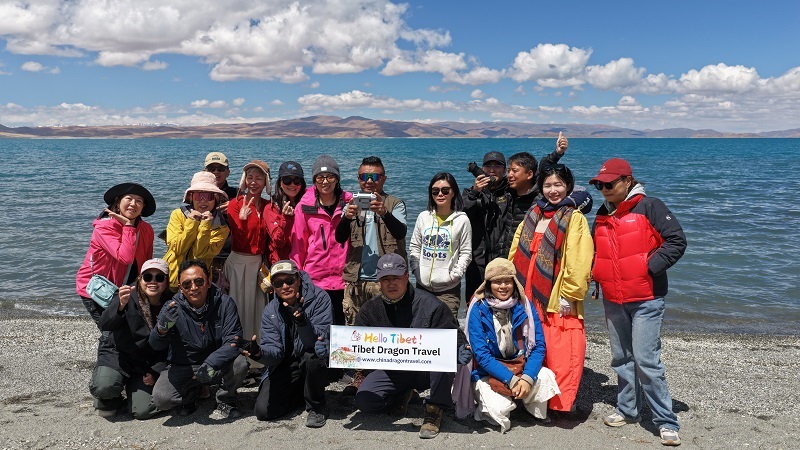
Tibet Tourists
Health and Altitude Considerations Alongside Documentation
While securing the correct paperwork is the primary focus before departure, preparing your body for the extreme altitude is equally important. The average elevation of the plateau exceeds 4,000 meters, and altitude sickness can affect anyone regardless of fitness level. Although not a “document,” carrying a medical certificate or a letter from your doctor confirming you are fit for high-altitude travel is sometimes recommended, especially for older travelers or those with pre-existing conditions. Some travel insurance policies specifically require medical clearance for altitudes above 3,000 meters to remain valid. Ensure your Australian travel insurance explicitly covers high-altitude trekking and emergency evacuation in remote regions, as standard policies often exclude these activities. Carry a printed copy of your insurance policy details alongside your travel permits, so your guide can access emergency contact numbers if needed during your Tibet travel experience.