The dream of driving into Tibet along the legendary Sichuan-Tibet Highway captivates adventurers worldwide. Stretching from Chengdu through towering mountain passes, deep river gorges, and vast grasslands, this route offers some of the most dramatic landscapes on Earth. But a pressing question remains for international travelers: can foreigners actually travel to Tibet via the Sichuan-Tibet Highway? The short answer is yes, but it requires meticulous planning, specific legal documentation, and the mandatory assistance of a registered travel agency. Unlike traveling within other parts of China, entering the Tibet Autonomous Region as a non-Chinese citizen involves strict regulations designed to manage tourism and ensure traveler safety in extreme high-altitude environments. Understanding these rules before you pack your bags is absolutely essential for turning this ambitious road trip into a reality.
Key Takeaways
- Foreigners must obtain a Tibet Travel Permit before entering the region.
- Independent travel is prohibited; a guided tour with a registered agency is mandatory.
- The permit application process usually takes several weeks to complete.
- The southern route (G318) is the most popular and accessible option for overland travel.
- Extreme altitude changes require careful physical preparation and acclimatization strategies.
Can Foreigners Legally Travel to Tibet via the Sichuan-Tibet Highway?
The legality of foreigners traveling to Tibet via the Sichuan-Tibet Highway hinges entirely on proper documentation. You cannot simply rent a car or buy a bus ticket in Chengdu and drive yourself across the border into the Tibet Autonomous Region. Chinese law stipulates that all foreign passport holders must secure a Tibet Travel Permit (TTP) issued by the Tibet Tourism Bureau. Without this document, you will be turned away at checkpoints long before you reach Lhasa.
Furthermore, the TTP cannot be applied for individually. Foreigners must book their trip through a licensed travel agency operating within Tibet. This agency acts as your sponsor, submitting your passport details, visa information, and itinerary to the authorities on your behalf. Once approved, the physical permit is mailed to your hotel in mainland China—usually in Chengdu, since that is where your overland journey begins. Only after receiving this paper document in hand can you legally proceed along the highway toward Tibet.
It is also worth noting that the regulations governing foreign travel to Tibet can fluctuate. Occasionally, the region may temporarily close to international visitors due to local events or policy adjustments. Therefore, confirming the current status of the route with your chosen travel agency well in advance is a critical first step in your planning process.
Choosing Your Route: The Southern G318 vs. The Northern G317
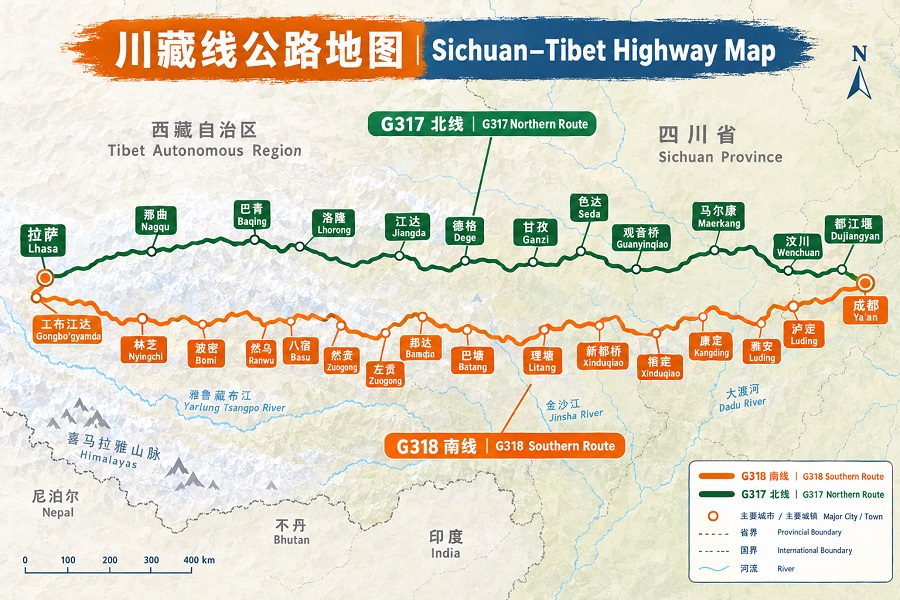
When discussing the Sichuan-Tibet Highway, travelers are generally referring to one of two distinct routes: the Southern Route (National Highway G318) or the Northern Route (National Highway G317). Both originate in Chengdu and terminate in Tibet, but they offer vastly different experiences, landscapes, and levels of difficulty.
The Southern Route (G318)
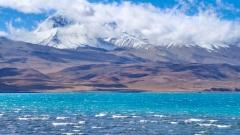
The G318 is widely considered one of the most beautiful roads in the world. It is the preferred choice for the vast majority of travelers heading to Tibet via the Sichuan-Tibet Highway. The route passes through Kangding, Litang, Batang, crosses the Jinsha River into Tibet at Markam, and continues through Zogang, Bomi, Nyingchi, and finally Lhasa. The scenery is incredibly diverse, transitioning from subtropical valleys to snow-capped peaks, dense forests, and glacial lakes. Because it is more heavily trafficked, the road conditions on the G318 are generally better maintained, and there are more frequent towns offering food, fuel, and accommodation. For foreigners organizing a guided overland tour, the G318 provides the best balance of stunning scenery and logistical feasibility.
The Northern Route (G317)
The G317 takes a higher, wilder path through the northern reaches of Kham. Passing through Dege, Chamdo, Nagqu, and eventually joining the main route near Lhasa, this highway traverses remote nomadic grasslands and fewer tourist facilities. The altitudes are consistently higher, and the weather is often harsher. While it offers a deeply authentic glimpse into traditional Tibetan pastoral life, the G317 is significantly more challenging. Most travel agencies recommend the G318 for foreigners due to the better infrastructure and lower risk associated with medical emergencies in remote areas. However, for seasoned travelers who have already completed the southern route, the G317 presents an incredible, off-the-beaten-path alternative, provided the necessary permits cover the specific counties along the way.
Sichuan-Tibet Highway
Essential Permits Required for the Overland Journey
Securing the right paperwork is the most complex part of traveling the Sichuan-Tibet Highway as a foreigner. The Tibet Travel Permit is just the beginning. Depending on your exact itinerary, you may need several additional documents.
First, you must possess a valid Chinese Tourist Visa (L Visa) before applying for anything else. Do not mention “Tibet” on your standard Chinese visa application, as this can sometimes lead to complications or rejections. Apply for your visa based on your travel plans in mainland China, such as visiting Chengdu or other cities. Once you have your Chinese visa, your Tibetan travel agency will use it to apply for the Tibet Travel Permit.
If your itinerary along the Sichuan-Tibet Highway includes areas classified as “unopened” or sensitive border regions—which is highly likely given the route’s proximity to various borders—you will also need an Alien Travel Permit (ATP). This is issued by the Public Security Bureau (PSB) in Tibet, usually arranged by your guide once you arrive in Lhasa, though for overland entries, coordination happens beforehand. Additionally, if your route skirts certain military or border zones, a Military Area Entry Permit might be required. A reputable agency will identify exactly which permits your specific route demands and handle the bureaucratic heavy lifting for you.
Why a Guided Tour is Mandatory for Foreigners
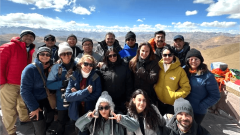
The requirement for foreigners to travel with a guide in Tibet is strictly enforced, and this rule applies fully to those arriving via the Sichuan-Tibet Highway. You cannot backpack independently or self-drive across the border. Your travel agency must provide a certified Tibetan tour guide who will accompany you throughout your time in the autonomous region.
This guide serves multiple purposes. Legally, they are responsible for presenting your permits at the numerous police and military checkpoints that dot the highway, particularly after you cross the Jinsha River into Tibet. Practically, they act as translators, cultural interpreters, and navigators. The highway is prone to sudden landslides, road closures, and detours. A local guide possesses the knowledge to navigate these disruptions efficiently. Furthermore, in the event of severe altitude sickness—a very real danger on this route—your guide knows the locations of the nearest clinics and how to communicate with local medical staff. Embracing the guided tour format is not just a legal necessity; it is a vital safety net when traveling through one of the most rugged terrains on the planet.
Preparing for the Altitude on the Sichuan-Tibet Highway
Altitude sickness is the single greatest physical challenge of traveling the Sichuan-Tibet Highway. The route does not gradually ascend; it operates like a massive rollercoaster. You will start in Chengdu at around 500 meters above sea level, climb rapidly to passes exceeding 4,000 meters, drop back down into deep river valleys, and climb again. Towns like Litang sit at over 4,000 meters, earning it the nickname “the city in the sky.”
To prepare, spend at least two to three days acclimatizing in Chengdu or Kangding (around 2,500 meters) before pushing higher. Avoid alcohol, heavy exertion, and smoking during the initial ascent. Stay hydrated and eat light, carbohydrate-rich meals. Many travelers consult their doctors before the trip to obtain acetazolamide (Diamox), a medication that helps prevent acute mountain sickness (AMS). However, medication is not a substitute for proper pacing. If you experience severe headaches, nausea, dizziness, or shortness of breath at rest, you must descend to a lower altitude immediately. Your driver and guide will monitor your condition daily, but communicating any symptoms honestly is crucial for your survival and comfort.
Best Time of Year for the Road Trip
Timing your journey along the Sichuan-Tibet Highway significantly impacts your experience. The route is subject to extreme weather variations, and choosing the wrong season can result in dangerous driving conditions or impassable roads.
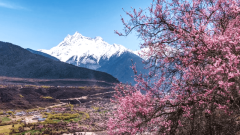
Spring (April to May) brings blooming flowers, particularly the famous peach blossoms in the Nyingchi region, making it a visually spectacular time to travel. However, early spring can still see late snowstorms blocking high mountain passes. Autumn (September to October) is widely regarded as the absolute best time for this road trip. The skies are generally clear, offering unobstructed views of peaks like Mount Namcha Barwa, and the autumn foliage transforms the valleys into seas of gold and red. The roads are usually dry and stable during this window.
Summer (June to August) is the monsoon season. While the landscape is lush and green, this period carries the highest risk of landslides, mudslides, and washed-out bridges. Delays are common, and flexibility in your itinerary is required. Winter (November to March) is generally advised against for foreigners attempting this overland route. Heavy snow closes many passes, temperatures plummet well below freezing, and the lack of tourist infrastructure makes emergency assistance difficult to find.
Practical Logistics: Vehicles, Roads, and Accommodation
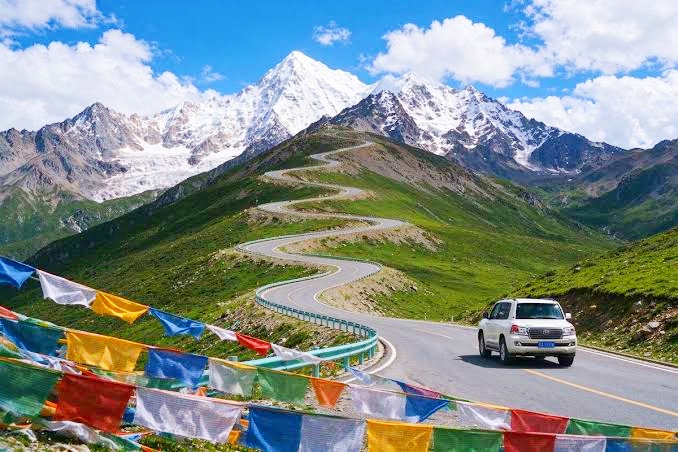
Traveling the Sichuan-Tibet Highway requires robust transportation. Standard sedans are unsuitable for much of the journey, even on the paved sections of the G318, due to ongoing construction, potholes, and unpaved detours. Your travel agency will typically arrange a sturdy 4×4 vehicle, such as a Toyota Land Cruiser or Prado, driven by an experienced local driver who knows the quirks of the mountain roads. These drivers are accustomed to navigating hairpin turns, sharing narrow cliffside roads with heavy trucks, and handling sudden weather changes.
Accommodation along the route has improved dramatically over the past decade. In larger towns like Kangding, Litang, Batang, and Nyingchi, you will find comfortable hotels with en-suite bathrooms and heating. However, in smaller villages between these hubs, options may be limited to basic guesthouses with shared facilities. Hot water is never guaranteed outside major towns. As a foreigner, your accommodation choices are further restricted, as only hotels licensed to host international guests can accept your registration. Your travel agency will pre-book these approved lodgings to ensure you have a place to sleep each night without violating local hospitality laws.
Packing Essentials for the Overland Journey
Packing for the Sichuan-Tibet Highway requires balancing preparedness with space limitations in your vehicle. Layered clothing is non-negotiable. Temperatures can swing from freezing at dawn to warm under the intense midday sun at high altitudes. Bring thermal base layers, fleece mid-layers, and a windproof, waterproof outer shell. A high-quality down jacket is essential for evenings and high passes.
Sun protection is critical. The UV radiation at 4,000 meters is intense. Pack high-SPF sunscreen, UV-blocking sunglasses, lip balm with SPF, and a wide-brimmed hat. For health and hygiene, bring a comprehensive personal first-aid kit including pain relievers, anti-diarrheal medication, blister plasters, and any prescription drugs you need, as pharmacies become scarce once you leave the major cities. Wet wipes, hand sanitizer, and toilet paper are daily necessities, as restroom facilities along the highway are often rudimentary. Finally, carry plenty of high-energy snacks like nuts, chocolate, and dried fruit, as meal times and restaurant availability can be unpredictable during long driving days.
Planning Your Journey with China Dragon Travel
Navigating the complex permit requirements, securing reliable vehicles, and designing a safe itinerary for the Sichuan-Tibet Highway can be overwhelming for independent planners. This is where partnering with an experienced operator becomes invaluable. Agencies like China Dragon Travel specialize in organizing overland tours into Tibet for international visitors. They possess the local expertise required to handle the Tibet Travel Permit applications smoothly, ensuring your paperwork is ready before you depart Chengdu. By working with professionals who understand both the regulatory landscape and the physical realities of the road, you can focus on the breathtaking scenery rather than the bureaucracy. Whether you prefer the classic G318 southern route or wish to explore specific cultural sites along the way, utilizing a specialized service ensures your adventure into Tibet is both legally compliant and profoundly memorable. Proper preparation through a trusted agency transforms a daunting logistical challenge into the ultimate high-altitude road trip.