A vehicle charter can make a Tibet trip more flexible, but the right choice depends on your route, season, group, and tolerance for long days on the road. Before paying a deposit, confirm what the price includes, who handles required travel arrangements, and how the operator will respond if conditions change.
Key Takeaways
- Choose the vehicle for your route and group, not just its advertised size.
- Confirm the driver’s experience, daily schedule, and included costs in writing.
- Check travel-document and permit arrangements before departure.
- Leave room in the itinerary for altitude, weather, and road disruptions.
- Keep emergency contacts, insurance details, and essential supplies accessible.
Understand What A Tibet Vehicle Charter Includes
“Chartering a vehicle” can mean different things. A private car with a local driver, a shared ride, and a vehicle arranged as part of a guided tour are not the same service. Ask exactly what you are booking before comparing prices. A low headline rate may cover only the vehicle and driver, while another quote may include fuel, accommodation for the driver, parking, or certain route-related charges.
In many areas of the Tibet Autonomous Region, foreign visitors must travel under applicable local regulations and may need an organized itinerary and permits arranged in advance. Requirements can vary by nationality, destination, and current policy. Do not assume that hiring a car alone makes an independent route permissible. Ask a reputable operator to explain which documents apply to your specific trip and who is responsible for arranging them. Verify details before booking and again before departure, because rules and access conditions can change.
A charter usually means the vehicle is reserved for your party, but it does not automatically mean unlimited mileage, unlimited sightseeing stops, or complete control over the route. The operator may have to follow approved itineraries, driving-hour limits, road restrictions, or instructions from local authorities. Get the planned route and any flexibility in writing.
It also helps to distinguish transport from guiding. A driver may know the roads and practical stops but may not be licensed or contracted to provide detailed sightseeing commentary. If you want a guide, confirm whether one is included, what languages are available, and whether the guide travels with you for the full itinerary.
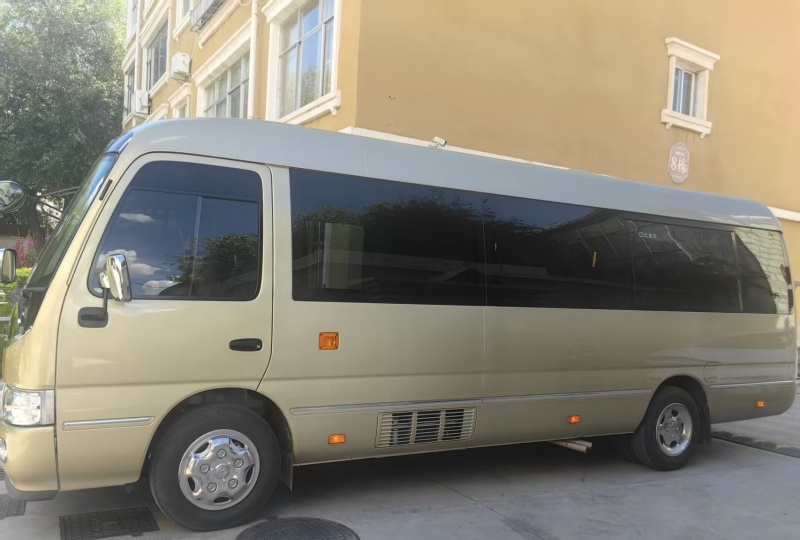
Toyota Coaster (17-seater)
Match The Vehicle To Your Route
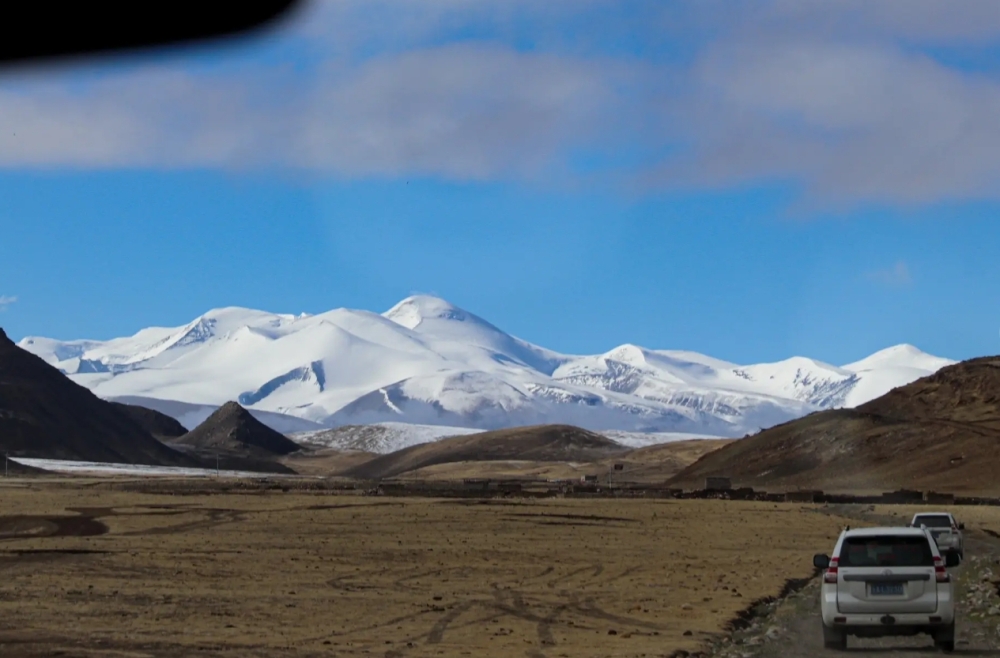
Start with the geography, not the vehicle catalogue. A short trip around Lhasa has different requirements from a multi-day journey involving remote valleys, high passes, or long stretches between towns. Consider the number of passengers, luggage volume, road surface, season, and how much time you expect to spend in the vehicle each day.
For a small group with light luggage on a straightforward route, a standard passenger vehicle may be suitable. For a larger party or a route with rougher roads, a suitable four-wheel-drive vehicle can offer more clearance and traction. However, “4WD” is not a guarantee of safety or access: vehicle condition, tires, driver skill, road restrictions, and weather matter just as much. Ask the operator to recommend a specific vehicle for your itinerary rather than relying on a generic promise that any SUV can go anywhere.
Passenger capacity should include luggage, not just seats. A vehicle that technically seats everyone may leave little room for bags, water, or comfort during long drives. Tell the operator how many people are traveling and give an honest estimate of baggage, including bulky equipment. Request the vehicle model or class, seating configuration, and luggage capacity in the booking confirmation. If the exact model may change, ask what replacement standard will be provided.
Before setting off, check that seat belts are available and usable for every passenger. Ask about air conditioning or heating, spare tires, basic tools, and whether the vehicle carries an appropriate first-aid kit. For remote routes, confirm the plan for breakdowns and communications where mobile coverage may be limited. These questions are practical, not fussy: a minor mechanical problem can become a major inconvenience when the next town is far away.

Choose A Driver With Relevant Experience
On a Tibet road trip, an experienced driver is central to the journey. Ask how long the driver has worked on your planned route and whether they regularly drive in high-altitude, mountain, or remote conditions. Local familiarity can help with road surfaces, fuel stops, weather patterns, and sensible departure times, but it cannot remove the risks of changing conditions.
Clarify the driver’s working hours and rest arrangements. A long route may look manageable on a map but become tiring after slow traffic, road checks, or stops for acclimatization. Avoid itineraries that depend on unsafe driving hours or repeated late-night arrivals. Ask who decides whether conditions make it necessary to delay or shorten a day, and how the operator will communicate changes.
Language and communication deserve attention too. If you do not speak the driver’s language, establish how you will discuss stops, meals, illness, and schedule changes. Some operators provide a guide or bilingual coordinator; others may rely on translation apps or phone support. Agree on a practical communication method before leaving, especially for remote sections where internet access may be unreliable.
You should also know whether the same driver and vehicle are expected throughout the trip. If substitutions are possible, ask when they might occur and how you will be notified. A clear plan is especially useful for multi-day itineraries, where an unexpected change can affect lodging, permits, and meeting arrangements.
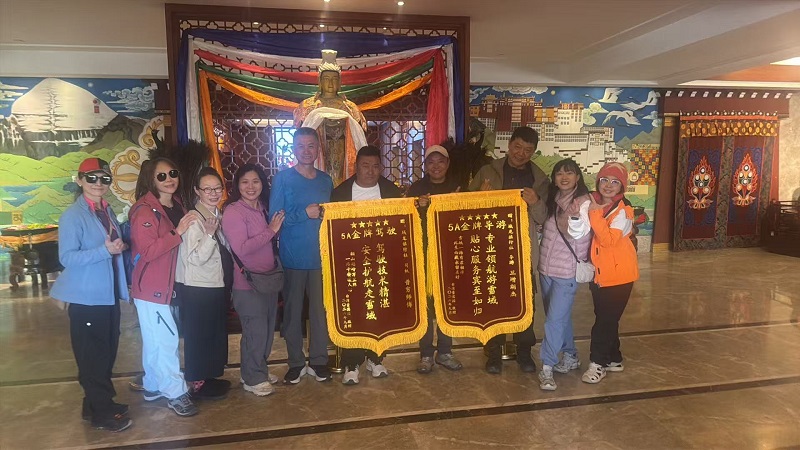
Reliable Drivers of China Dragon Travel
Compare Quotes And Confirm The Full Cost
Ask for an itemized quote rather than judging by the total alone. Depending on the arrangement, a quote may include the vehicle, driver, fuel, driver accommodation and meals, parking, road-related fees, or local transfers. Some costs may be excluded or charged separately. Ask which items are included, which are estimates, and what could lead to an additional charge.
Fuel terms need particular clarity. The price may include fuel for the agreed itinerary, or the operator may set a mileage limit or calculate fuel separately. Confirm whether route changes, extra sightseeing stops, or an additional day affect the rate. Do not rely on a verbal statement such as “everything is included” unless the contract defines what that means.
Ask about payment timing, currency, accepted payment methods, cancellation terms, and the process for refunds or date changes. Confirm whether a deposit is required and when the balance is due. Use a traceable payment method where possible and keep the booking confirmation and receipts. If an operator proposes a last-minute cash surcharge, request a written explanation before agreeing.
A written booking document should identify the travel dates, route, passenger count, vehicle class, included services, exclusions, payment schedule, cancellation rules, and contact person. It should also explain how the operator handles unavoidable disruptions, such as a road closure or a vehicle breakdown. No company can guarantee that every road will remain open or that every planned stop will be accessible, so look for a realistic contingency policy rather than an absolute promise.
Check Permits And Travel Arrangements Early
Do not leave document questions until the day before departure. Depending on your nationality, route, and current rules, travel in parts of Tibet may require permits or other arrangements. The process and eligibility can differ, and some destinations may be restricted or require additional approval. Ask the operator to confirm the requirements for every place on your itinerary and to tell you what information or documents you must provide.
Make sure names and passport details submitted for travel arrangements match the documents you will carry. If your passport is renewed, your travel dates change, or a traveler is added or removed, notify the operator promptly. Ask how long document processing is expected to take and what happens if an approval is delayed. Avoid buying non-refundable connecting travel until you understand the relevant conditions and risks.
Keep your passport and any required travel documents secure but easy to access when needed. Carry physical and electronic copies separately from the originals. A photo on a phone can be useful, but it should not be treated as a replacement for a document that authorities may require in original form.
Travel procedures are not a reason to bypass rules or seek unauthorized routes. A responsible operator should explain the limits clearly and decline plans that cannot be arranged lawfully. If an itinerary changes after booking, confirm that the revised route is permitted before setting out.
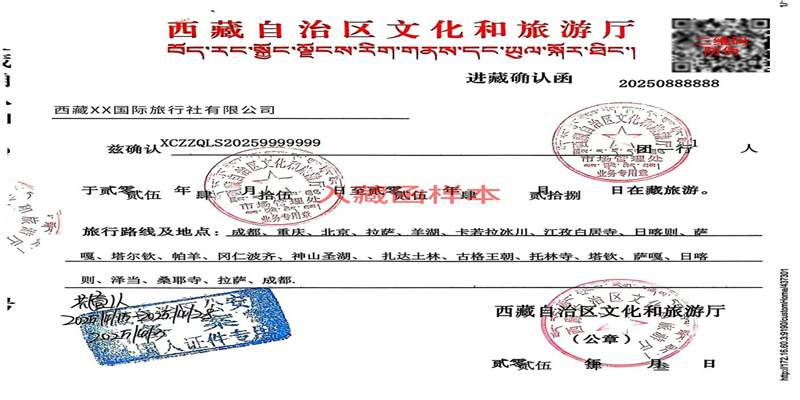
Sample of Tibet Travel Permit
Plan For Altitude And A Sensible Pace
Altitude is one of the most important factors to consider when planning travel in Tibet. Lhasa itself is at high elevation, and many road itineraries climb higher. People respond differently: fitness does not reliably predict who will feel unwell, and symptoms can affect travelers who have no known health problems.
Build time into the first days to rest and acclimatize. Avoid planning an exhausting arrival day followed by a long drive to an even higher location. Ask the operator to show the overnight elevations and approximate driving times, then consider whether the schedule gives your group a reasonable chance to adjust. A slower itinerary may mean fewer stops, but it can be more comfortable and leaves room to respond to how people actually feel.
Learn the warning signs of altitude illness before travel. Headache, nausea, dizziness, unusual fatigue, and poor appetite can occur; worsening symptoms, confusion, difficulty walking, or breathlessness at rest require urgent attention. Tell the driver or guide promptly if anyone feels unwell. Do not continue to a higher elevation simply to keep to a sightseeing plan. Descending and getting medical help may be necessary. Discuss personal medical concerns with a qualified clinician before the trip, especially if you have a heart or lung condition or have previously had altitude problems.
A vehicle charter does not substitute for medical care. Ask what emergency arrangements are available on your route, but carry any personal medication you need and know how to contact your travel insurer. Avoid relying on unverified claims about medicines or oxygen as a guaranteed way to prevent altitude illness; a clinician can advise what is appropriate for you.
Prepare For Weather, Roads, And Remote Distances
Conditions can change quickly in mountain environments. Rain, snow, ice, strong winds, roadworks, or temporary closures may alter travel times or make a planned section unsuitable. The same route can feel very different in different seasons, and a forecast for one town may not reflect conditions at a high pass. Ask the operator what seasonal conditions are typical for your dates and how it monitors updates during the trip.
Keep your schedule flexible enough to absorb delays. Avoid booking important onward transport with only a narrow connection after a long overland journey. Where possible, allow a buffer day before a flight or train. This is particularly sensible when the route includes remote areas, high passes, or several consecutive driving days.
Distances on a map can be misleading. Road quality, elevation changes, checkpoints, construction, and stops may make a seemingly short drive take much of the day. Ask for realistic daily driving estimates and planned breaks. Confirm whether meals and restroom stops are flexible and whether the driver can stop safely for photographs when conditions allow. Do not pressure a driver to stop on an unsafe shoulder or to continue when visibility is poor.
Mobile service may be intermittent outside larger towns. Download maps and essential details before leaving, but remember that offline maps can be incomplete and should not replace the driver’s local knowledge. Share your general itinerary with someone you trust, keep the operator’s contact details available offline, and ask what communication backup is used on remote sections.
Pack For Long Drives And Limited Services
Pack for comfort and practical needs rather than assuming every stop will have the facilities of a city. Keep water, snacks, tissues, hand sanitizer, sun protection, lip balm, and any personal medication within reach. Sunglasses and a warm layer are useful because temperatures can vary between sun, shade, and altitude. Carry a small rubbish bag and take waste with you where bins are not available.
A day bag is more convenient than opening large suitcases at every stop. Keep passports and travel documents secure, and avoid leaving valuables visible in a parked vehicle. If you use a camera, power bank, or other electronic equipment, bring suitable charging cables and check how charging will work during long driving days.
To reduce motion discomfort, choose a seat with a clear view of the road, avoid heavy meals immediately before winding sections, and take breaks when practical. If you know you are prone to motion sickness, ask a healthcare professional about suitable options before travel. Do not take medication that causes drowsiness before a drive without considering its effects and discussing it with a clinician.
Tibet’s sun can feel intense at high elevations. Use appropriate sun protection and drink regularly, while following medical advice if you have a condition that affects fluid intake. Keep warm clothing accessible rather than buried in luggage. Even during a warm daytime stop, evenings and exposed areas can be cold.

Respect Local Communities And Travel Responsibly
A private charter gives you more control over stops, but it does not make every place suitable for casual access. Follow local rules at monasteries, villages, scenic areas, and checkpoints. Ask before photographing people, religious activities, or private property, and respect signs that prohibit photography. Dress and behave considerately at religious sites, and follow your guide’s instructions about where visitors may go.
Avoid leaving the road or entering restricted areas for a photograph. Do not litter, disturb wildlife, or remove stones, plants, or other natural items. In remote locations, facilities may be limited, so ask the driver about appropriate stops and follow local guidance. Responsible choices protect both the environment and the experience of residents and other visitors.
When buying food or handicrafts, ask politely before taking photographs and agree on prices before a service is provided. A good operator can help you understand local etiquette, but travelers remain responsible for treating people and places with respect.
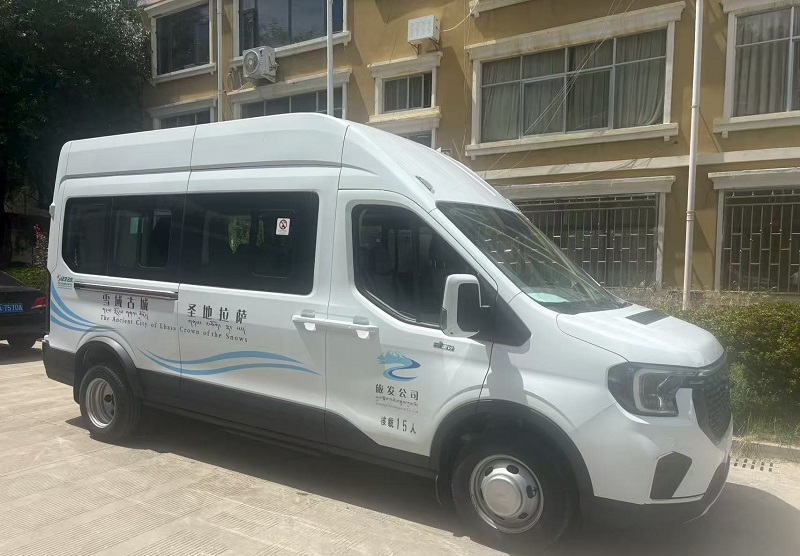
15-Seater Tourist Vehicle for Tibet
Book With A Clear, Responsive Operator
A dependable operator answers practical questions directly and documents the arrangement. Look for consistent details across the quote, itinerary, and booking confirmation. Be cautious if an agent cannot identify the vehicle category, avoids explaining exclusions, promises access to any destination without checking requirements, or pressures you to pay immediately.
Before paying, ask who your point of contact will be during the trip and whether support is available outside office hours. Confirm what to do if the driver is delayed, a vehicle needs repair, someone becomes ill, or weather changes the route. An operator cannot control every disruption, but it should be able to explain how it will assist and communicate.
China Dragon Travel can be one option to contact when arranging a Tibet itinerary. As with any agency, ask for a route-specific written quote, a clear list of inclusions and exclusions, and confirmation of the travel-document arrangements that apply to your party. Compare the answers with other providers and choose the service that best fits your route, budget, and comfort needs.
A well-planned charter is less about choosing the most expensive vehicle and more about aligning the vehicle, driver, pace, paperwork, and contingency plan with the actual trip. Get the important details in writing, allow room for changing conditions, and make decisions based on your group’s health and comfort rather than an overpacked schedule.
Frequently Asked Questions
Do I Need A Private Vehicle To Travel In Tibet?
Not necessarily. The right arrangement depends on your route, group size, travel rules, and preference for flexibility. Some trips use organized transport or shared services. For foreign visitors, applicable regulations may require organized travel arrangements in certain areas, so check the requirements for your exact itinerary before booking.
Is A Four-Wheel-Drive Vehicle Always Necessary?
No. A suitable passenger vehicle may work for some routes, while rougher or more remote roads can call for a vehicle with greater clearance and traction. Ask an experienced operator to recommend a vehicle for the specific route and season. Four-wheel drive alone does not guarantee access or safety.
What Should A Charter Quote Include?
It should state the vehicle class, dates, route, passenger and luggage capacity, driver service, fuel terms, driver accommodation, fees, exclusions, payment schedule, and cancellation policy. Also ask how extra mileage, route changes, delays, and breakdowns are handled.
How Far In Advance Should I Arrange A Tibet Vehicle Charter?
Book early enough to confirm the itinerary, vehicle, and any required travel arrangements before committing to non-refundable connections. The exact lead time depends on your route, season, nationality, and current procedures. Ask the operator for a realistic timeline and provide accurate traveler details promptly.
Can I Change The Route After The Trip Begins?
Possibly, but changes depend on road conditions, permits or other applicable requirements, vehicle availability, cost, and operator approval. Confirm flexibility before booking and do not assume an unplanned destination is accessible. Check that any revised route is permitted before traveling.