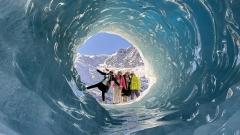
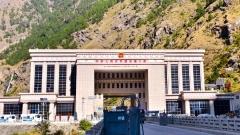
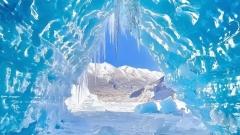
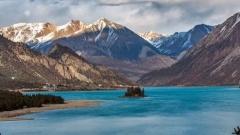
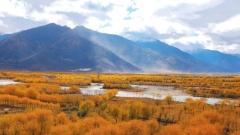
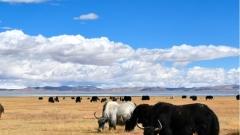
Tibet in winter is a realm of quiet majesty, where the harsh cold strips away the crowds and reveals a landscape of unparalleled spiritual depth. When travelers consider a journey to the Roof of the World, they often default to summer, unaware that the colder months offer a profoundly different and arguably more authentic experience. The recommended activities for a winter trip to Tibet center around cultural immersion, pristine landscapes, and unique seasonal phenomena that simply do not exist during the peak tourist season. The air is crisp, the skies are a piercing shade of blue, and the golden roofs of ancient monasteries stand out vividly against blankets of fresh snow. If you are seeking solitude, spiritual resonance, and breathtaking natural beauty, planning a journey during this season will reward you with memories that last a lifetime. This guide explores exactly what you should see, do, and prepare for when visiting Tibet in the winter months.
Key Takeaways
- Explore Lhasa’s sacred monasteries without the heavy summer crowds.
- Witness the stunning, ice-framed views of Mount Everest base camp.
- Soak in natural geothermal hot springs surrounded by snowy peaks.
- Experience vibrant winter religious festivals and local pilgrim traditions.
- Prepare properly for high altitudes and extreme temperature fluctuations.
Why Choose a Winter Trip to Tibet?
Before diving into the specific recommended activities for a winter trip to Tibet, it is essential to understand why this season holds such appeal. Winter in Tibet generally spans from November through March. During these months, the region experiences lower temperatures, but also significantly less rainfall and cloud cover. This means visibility is at its absolute peak. Mountain ranges that are frequently hidden behind monsoon clouds in the summer suddenly reveal their towering summits in sharp, crystalline detail.
Furthermore, winter is the traditional pilgrimage season for Tibetan Buddhists. Nomadic herders from remote regions travel to Lhasa and other holy cities to perform kora (circumambulation) around sacred sites. As a visitor, you are not just looking at historical monuments; you are witnessing living, breathing religious devotion at its most intense. The ratio of local pilgrims to foreign tourists shifts dramatically, providing a much deeper cultural exchange. Additionally, accommodations and flights are considerably cheaper, and popular sites do not require the rushed, timed-entry tickets that plague the summer months. You can linger in a monastery courtyard for hours, absorbing the scent of juniper incense and the low hum of chanting monks without feeling hurried along by a crowd.
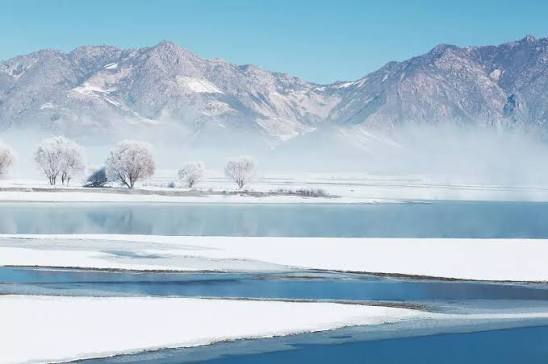
Tibet in Winter
Exploring the Sacred Monasteries of Lhasa
Lhasa remains the beating heart of any Tibetan itinerary, and winter transforms its famous landmarks into serene sanctuaries. Among the most highly recommended activities for a winter trip to Tibet is dedicating ample time to the city’s monastic complexes. Without the throngs of summer tour groups, you can explore these architectural marvels at a contemplative pace.
Potala Palace in the Winter Light
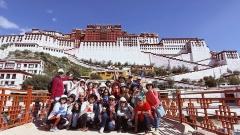
The Potala Palace, perched high on Marpo Ri (Red Mountain), is spectacular year-round, but winter adds a layer of dramatic contrast. The white and red walls gleam brilliantly against the deep blue sky, and occasional dustings of snow soften the fortress-like exterior. Inside, the palace retains its warmth through thick stone walls and yak butter lamps. Because daily visitor quotas are strictly enforced and overall tourist numbers drop, securing a ticket is much easier. You will have the rare opportunity to study the intricate murals, golden stupas, and meditation chambers in relative peace. Remember that climbing the steps to the palace at 3,700 meters above sea level requires a slow, steady pace, especially in the thin winter air.
Jokhang Temple and Barkhor Street
Jokhang Temple is the spiritual epicenter of Tibet, and in winter, it becomes a magnet for pilgrims from across the plateau. The courtyard is filled with devotees performing full-body prostrations, their hands wearing wooden blocks sliding smoothly over the polished stone flags. Joining the clockwise flow of foot traffic around the temple—the Barkhor Kora—is one of the most immersive recommended activities for a winter trip to Tibet. Barkhor Street surrounding the temple comes alive with vendors selling prayer wheels, turquoise jewelry, and steaming bowls of sweet tea. Ducking into a traditional teahouse off the Barkhor to warm your hands around a glass of butter tea or sweet milk tea while watching the pilgrims pass below is an unforgettable experience. The winter sunlight filtering through the narrow alleys creates a photographer’s paradise, highlighting the weathered faces of elders spinning prayer wheels.
Sera Monastery Debates
Sera Monastery, located just north of central Lhasa, is famous for its daily monk debates. These take place in a dedicated courtyard every afternoon. In summer, tourists often outnumber the observing monks, but in winter, the atmosphere reverts to its intended academic and spiritual focus. The sharp clapping of hands, the stomping of feet, and the animated shouting of philosophical questions echo loudly in the crisp air. Sitting on the stone benches wrapped in a heavy down jacket, watching young monks test their understanding of Buddhist scriptures, offers a profound glimpse into the intellectual rigor of Tibetan monastic life.
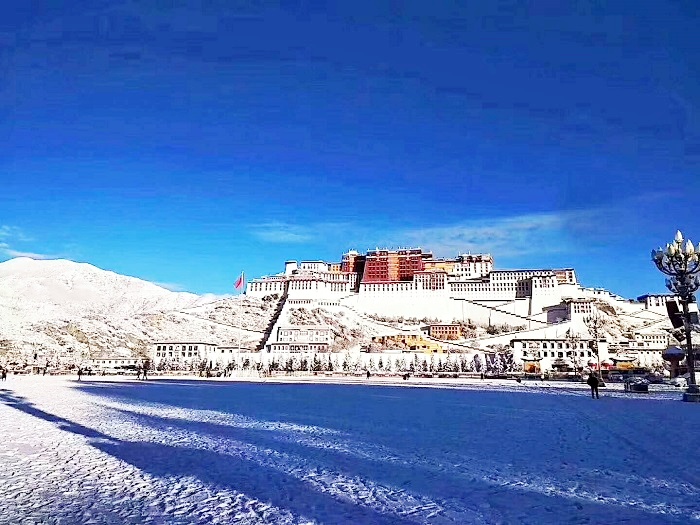
Potala Palace in Winter
Trekking to Mount Everest Base Camp in Winter
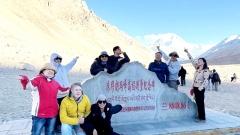
For adventurous travelers, reaching Everest Base Camp (EBC) is often the pinnacle of their journey. While the idea of visiting the world’s highest peak in winter sounds daunting, it is actually one of the most rewarding recommended activities for a winter trip to Tibet, provided you are well-prepared. The road to EBC, winding over high mountain passes like Gyatso La (5,248 meters), is usually kept clear of snow by local maintenance crews, though sudden storms can occasionally cause temporary closures.
The primary reason to visit EBC in winter is the visibility. During the summer monsoon, Mount Everest is frequently obscured by heavy clouds, leaving many visitors disappointed after a long journey. In winter, the skies are remarkably clear. The sheer scale of the Himalayan range, including neighboring peaks like Cho Oyu, Lhotse, and Makalu, is laid bare in staggering detail. The famous Rongbuk Glacier appears sharper, and the iconic view of Everest framed by the gateway of the Rongbuk Monastery is unobstructed.
However, preparation is non-negotiable. Temperatures at base camp (5,200 meters) routinely plummet to -20°C (-4°F) or lower at night, accompanied by fierce winds. The basic tent guesthouses used in summer are dismantled due to the wind chill, so visitors must stay in the permanent guesthouse at Rongbuk Monastery, which offers basic heated rooms. You will need expedition-grade sleeping bags, thermal base layers, windproof outer shells, and insulated mountaineering boots. Despite the harsh conditions, standing before the North Face of Everest under a canopy of impossibly bright winter stars is a transcendent experience that few ever get to witness.
Soaking in Natural Hot Springs
After enduring the biting cold of the high plateau, finding a natural geothermal hot spring feels like discovering a miracle. Engaging in this restorative practice is consistently ranked among the top recommended activities for a winter trip to Tibet. The Tibetan plateau is geologically active, resulting in numerous hot springs scattered across the region.
Yangbajain Hot Springs
Located about 90 kilometers northwest of Lhasa, Yangbajain is the most famous hot spring destination in Tibet. Set in a vast valley surrounded by snow-capped Nyenchen Tanglha mountains, the sight of steam billowing heavily into the freezing winter air is surreal. The complex features both indoor pools and outdoor bathing areas. Submerging yourself in naturally heated mineral water while snowflakes drift down onto the surface of the pool is a sensory experience unlike any other. The mineral-rich waters are believed by locals to cure various ailments, and sharing the pools with Tibetan families enjoying their day off adds a wonderful communal element to the visit. It is advisable to limit your soaking time to avoid dizziness, as the combination of high altitude, heat, and thin air can elevate your heart rate quickly.
Tidrum Nunnery Hot Springs
For those seeking a more rustic and culturally integrated experience, the hot springs near Tidrum Nunnery in Maizhokunggar County offer a quieter alternative. Associated with the legendary Yeshe Tsogyal, a consort of Guru Rinpoche, these springs hold deep spiritual significance. Pilgrims often visit the nunnery to pray and then bathe in the therapeutic waters. The facilities here are much simpler than Yangbajain, but the setting—tucked into a rugged gorge with prayer flags snapping in the wind—provides a deeply authentic Tibetan atmosphere.

Yangbajain Geothermal Landscape
Experiencing Winter Festivals and Religious Events
Timing your visit to coincide with local festivals elevates the journey from a simple sightseeing tour to a profound cultural immersion. Participating in or observing these events is undeniably one of the most enriching recommended activities for a winter trip to Tibet. The Tibetan lunar calendar dictates the timing of these festivals, meaning dates shift annually relative to the Gregorian calendar, usually falling between December and February.
Losar (Tibetan New Year)
Losar is the most important festival in Tibet, typically occurring in February or early March. Preparations begin weeks in advance, with families cleaning their homes thoroughly to sweep away bad luck and painting auspicious symbols on their walls. During Losar, monasteries host elaborate ceremonies featuring Cham dances—vibrant, masked performances where monks embody protective deities to subdue evil spirits. The streets fill with people wearing their finest traditional Chubas (Tibetan robes), exchanging greetings, and sharing special foods like Guthuk, a noodle soup eaten on the eve of the new year containing dough balls with hidden symbolic items inside. Visitors are often welcomed warmly into local celebrations, making it a highlight of the winter season.
Butter Lamp Festival
Held on the 15th day of the first Tibetan month, the Butter Lamp Festival commemorates the victory of Buddha over his rivals in debate. In Lhasa, the Barkhor area is transformed. Massive scaffolding is erected, displaying enormous sculptures crafted entirely from colored yak butter, depicting gods, animals, and mythological scenes. Thousands of butter lamps are lit, casting a warm, flickering golden glow over the snow-dusted streets. The entire city stays up late into the freezing night to sing, dance, and admire the intricate, ephemeral art. The juxtaposition of the delicate butter sculptures against the harsh winter backdrop makes this festival visually and spiritually mesmerizing.
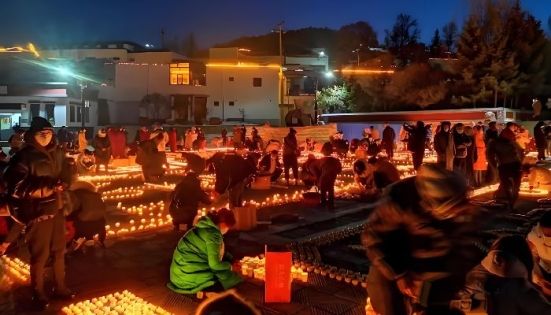
Night View of Barkhor Street During the Butter Lamp Festival
Wildlife Watching on the Changtang Plateau
While most travelers focus on monasteries and mountains, the northern reaches of Tibet harbor incredible wildlife that is actually easier to spot in the winter. Venturing toward the Changtang Nature Reserve to observe endemic species is one of the lesser-known but highly recommended activities for a winter trip to Tibet. During the warmer months, animals disperse widely across the vast grasslands. In winter, they congregate in lower valleys and near unfrozen water sources, making them much more accessible to patient observers.
The Tibetan antelope (Chiru), wild yaks, kiang (Tibetan wild ass), and blue sheep roam these stark landscapes. The winter coat of the Tibetan fox and the elusive snow leopard makes this season particularly thrilling for wildlife photographers. Although accessing the deep Changtang requires specialized permits, robust vehicles, and experienced guides, even the fringes of the northern plateau near Namtso Lake offer glimpses of black-necked cranes and bar-headed geese before they migrate to lower altitudes. The silence of the winter steppe, broken only by the wind and the calls of wild animals, connects you to the raw, untamed essence of the plateau.
Visiting Yamdrok Lake and Namtso Lake
Tibet’s sacred lakes undergo a dramatic transformation in the winter, turning into vast expanses of sculpted ice. Visiting these frozen bodies of water is frequently cited among the most visually striking recommended activities for a winter trip to Tibet.
Yamdrok Lake, situated along the route between Lhasa and Gyantse, rarely freezes completely solid due to its depth, but its edges form intricate shelves of blue and white ice. The contrast between the turquoise water that remains liquid, the white ice, and the brown, snow-dusted surrounding mountains is breathtaking. The drive over the Kamba La pass (4,790 meters) provides the classic panoramic viewpoint, which is almost always free of the summer traffic jams.
Namtso Lake, at 4,718 meters, presents a different spectacle. By mid-winter, it often freezes entirely. The surface develops massive pressure ridges and cracks that boom and groan as the ice shifts, creating an otherworldly acoustic environment. Walking on the frozen lake, surrounded by the towering Nyenchen Tanglha range, feels like stepping onto another planet. However, accessing Namtso in winter depends heavily on road conditions. Heavy snowfall can block the Nagenla Pass, so flexibility in your itinerary is crucial. Always check current road statuses with local authorities or your tour operator before attempting the journey.
Essential Preparation and Practical Tips
Executing these recommended activities for a winter trip to Tibet safely requires meticulous preparation. The environment is unforgiving, and the margin for error is smaller than in the summer.
Managing Altitude Sickness
Altitude sickness does not discriminate by season, but the dry, thin winter air can exacerbate symptoms like headaches, nausea, and shortness of breath. Upon arriving in Lhasa, spend at least two to three days acclimatizing before traveling to higher elevations like EBC or Namtso. Avoid alcohol, refrain from strenuous exercise initially, drink copious amounts of water, and eat light meals. Carrying supplemental oxygen in your vehicle is a standard safety measure for winter travel outside of Lhasa.
Clothing and Gear
Layering is the fundamental rule of Tibetan winter survival. Start with moisture-wicking thermal base layers, add insulating mid-layers like fleece or down jackets, and finish with a windproof and waterproof outer shell. Protect your extremities with insulated gloves, thick wool socks, and a balaclava or neck gaiter. The sun at high altitudes is intensely strong, even in winter, reflecting blindingly off the snow. High-quality UV-protection sunglasses and strong sunscreen are mandatory to prevent snow blindness and severe sunburn. Lip balm and heavy moisturizer are also vital, as the air is exceptionally dry.
Permits and Logistics
Foreign travelers cannot visit Tibet independently. A Tibet Travel Permit is required, alongside a Chinese visa, and must be arranged through a registered travel agency. Additional Alien Travel Permits are needed for destinations outside Lhasa, such as Everest Base Camp or Mount Kailash. Processing these permits takes time, so booking well in advance is necessary. Furthermore, some border regions may close temporarily during the deepest winter months due to impassable roads, so maintaining open communication with your agency regarding route viability is essential.
Partnering with China Dragon Travel for Your Journey
Navigating the logistical complexities of a Tibetan winter expedition—from securing the correct permits to ensuring your vehicles are equipped with snow chains and emergency oxygen—requires a reliable and experienced partner. This is where China Dragon Travel proves invaluable. With years of expertise in organizing high-altitude journeys across the region, China Dragon Travel specializes in crafting itineraries that align perfectly with the recommended activities for a winter trip to Tibet. Their knowledgeable local guides understand the nuances of winter road conditions, know the exact timing of monastic debates and local festivals, and prioritize traveler safety above all else. Whether you wish to stand before the frozen expanse of Namtso Lake or immerse yourself in the spiritual energy of the Butter Lamp Festival, partnering with China Dragon Travel ensures that your winter adventure is seamless, culturally respectful, and deeply memorable.
Embarking on a journey to the Roof of the World during its coldest months is not merely a vacation; it is an expedition into the purest expression of Tibetan culture and geography. The challenges of the climate are vastly outweighed by the rewards of empty monasteries, crystal-clear Himalayan vistas, and genuine interactions with devout pilgrims. By carefully selecting the right gear, pacing your acclimatization, and focusing on the unique seasonal offerings of the plateau, you will discover a side of Tibet that remains hidden to the majority of the world. Embrace the cold, respect the altitude, and let the winter magic of Tibet transform your perspective on travel forever.