
Joining a carpool can help foreign visitors share the cost of a Tibet road trip and travel with companions, but it takes more planning than simply finding an open seat. Tibet travel rules, route permits, long distances, and changing road conditions all affect what is possible. Check the travel rules first. Find companions through reputable channels. Confirm permits and route details. Agree on costs before departure. Build flexibility into the itinerary. This guide explains how to arrange a carpool responsibly, from the first inquiry to the final drive.
Understand What A Tibet Carpool Means
In Tibet, travelers often use “carpool” to describe sharing a vehicle and its costs with other visitors. A common arrangement is to hire a licensed vehicle with a driver and divide the transport expense among the passengers. This is different from independently renting a car and driving it yourself, which may not be available or practical for foreign visitors under applicable local requirements.
A shared vehicle can make remote destinations more affordable than hiring a private car alone. It may also give you company during long drives, when stops and overnight stays are part of the journey. However, a carpool is not automatically a public bus, a ride-hailing service, or a guaranteed seat in a vehicle. Most arrangements are made by travelers who are planning a particular route and looking for others with compatible dates and expectations.
The distinction matters when you compare offers. Ask whether the advertised price covers a vehicle with a driver, fuel, road fees, accommodation for the driver, and other agreed expenses. Confirm whether the person organizing the group is a travel agency, a licensed local operator, or simply another traveler coordinating a private group. A clear written agreement is more useful than a vague promise that “everything is included.”
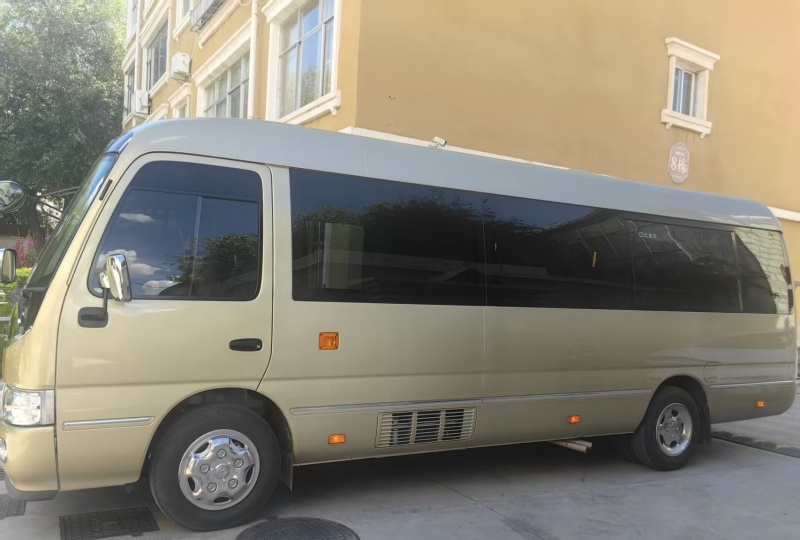
Toyota Coaster (17-seater)
Check Travel Rules Before Looking For Seats
Foreign visitors should confirm the current requirements for their nationality, destination, route, and travel dates before paying a deposit. Tibet travel regulations and procedures can differ depending on the area. Certain destinations may require permits or travel arrangements through an authorized travel agency, and independent travel may be restricted in some places. Requirements can change, so do not rely on an old blog post or a traveler’s experience from a previous year.
Ask an authorized agency or relevant official service to confirm which documents are required for your exact itinerary. Depending on the route and circumstances, travelers may need to arrange a Tibet Travel Permit and, for some areas, additional permissions. Not every route has the same requirements, and having one permit does not necessarily mean you can visit every destination in the region.
Make sure the proposed vehicle itinerary matches the route for which your documents are being arranged. If a driver or organizer suggests adding a remote county, border area, or other destination at short notice, pause and check whether the change is allowed and whether additional arrangements are needed. Do not assume that the group can sort out permissions after it arrives.
Foreign visitors should also check whether the operator can legally provide the planned service and whether the driver and vehicle are appropriate for the route. Ask for the agency’s full name, contact details, and a clear explanation of who is responsible for permit arrangements. Avoid anyone who tells you to conceal your destination, misstate your travel plans, or bypass official procedures.
Find Travel Companions Through Reliable Channels
One of the simplest ways to find a seat is to contact a travel agency that organizes shared trips. Some agencies group solo travelers who have similar dates and destinations, while others can pass your inquiry to travelers already planning a route. Explain your preferred departure window, number of days, starting city, intended destinations, and approximate budget. The more specific your request, the easier it is to assess whether a proposed group is a genuine fit.
You can also look in established travel communities, hostel noticeboards, and moderated online groups for travelers in China or Tibet. Posts should include the route, travel dates, expected duration, number of available seats, and whether the vehicle is already booked. Use direct messages to ask questions, but move important details into a written record that all participants can review.
A useful post might say: “Looking for one or two travelers to share a driver and vehicle from Lhasa for a six-day route in late summer. We are checking permit arrangements through an agency and want to agree on the itinerary and costs before booking.” Avoid sharing sensitive personal information in a public post. You do not need to publish passport details, hotel room numbers, or payment information to find companions.
If you meet potential travel partners in person, take time to talk before committing. A short conversation can reveal whether everyone has similar priorities: early starts, photography stops, hiking, comfort level, meal preferences, and tolerance for long drives. A group that agrees on the itinerary but differs sharply on pace can still have a difficult trip.
When contacting an agency, ask whether the passengers will be grouped by date and route or whether you are expected to recruit them yourself. Ask how the agency handles a group that does not reach the required passenger number. Find out whether you can cancel, change dates, or pay a higher per-person price if another traveler withdraws.

Match The Route, Dates, And Travel Style
A successful carpool is not just a matter of filling every seat. The group should agree on where to go, how long to stay, and what kind of trip is realistic. Some travelers want a direct journey with limited stops; others want time for monasteries, lakes, hikes, and photography. Discuss these preferences before booking rather than trying to resolve them on the road.
Start with the route. Ask for a day-by-day outline that names the main destinations and overnight stops. Check approximate driving times, but remember that mountain roads, weather, traffic controls, roadworks, altitude, and rest breaks can all affect the schedule. A route plan should allow room for delays rather than promising exact arrival times every day.
Next, compare dates. A group may be unable to depart until all passengers arrive, permits are arranged, and the vehicle is confirmed. If your international flight or onward train is fixed, tell the organizer and avoid an itinerary that leaves no margin. A buffer day at the beginning or end can make changes less stressful.
Then discuss comfort and practical needs. Ask how many passengers will travel, how much luggage the vehicle can carry, and whether the seating arrangement is suitable for long drives. Confirm that the vehicle has enough room for everyone and their bags; a full passenger count does not guarantee comfortable luggage space. If you have mobility needs, dietary requirements, or medical concerns, raise them before paying.
Finally, agree on the group’s decision-making process. Decide who communicates with the driver, how optional stops are handled, and whether the group can adjust the itinerary. A shared trip works best when expectations are explicit and no one assumes that their personal preference automatically overrides the agreed plan.
Confirm The Price And What It Covers
The lowest quoted price is not always the best value. Ask for a written breakdown of the total vehicle cost and the number of passengers among whom it will be divided. Confirm whether the quote is per person or for the whole vehicle, and whether it changes if someone drops out.
Clarify which costs are included. Depending on the arrangement, the vehicle quote may include the driver, fuel, and some road-related expenses, while accommodation, meals, attraction tickets, and other personal costs are paid separately. Do not assume that meals, lodging, permits, or admission fees are included unless the agreement says so. Ask whether the driver’s lodging and meals are the group’s responsibility and how those expenses are handled.
Before sending money, request the agency or operator’s cancellation policy, deposit terms, payment schedule, and refund conditions. Keep copies of receipts and messages. If paying through an online platform or agency, verify that the recipient’s name matches the business or the written agreement. Be cautious about pressure to send a large, irreversible payment to an unrelated personal account.
Discuss how shared expenses will be tracked during the trip. The group can choose one person to keep a simple record, or travelers can settle agreed items as they arise. Decide in advance how to handle optional activities: for example, a passenger who skips a ticketed attraction should not be surprised by a disagreement over whether the ticket is shared.
A written agreement does not need to be complicated. It should record the route, dates, passenger count, vehicle arrangement, total price, included and excluded costs, deposit, cancellation terms, and what happens if the group changes. Make sure each passenger can see the same version.
Choose A Safe And Suitable Vehicle Arrangement
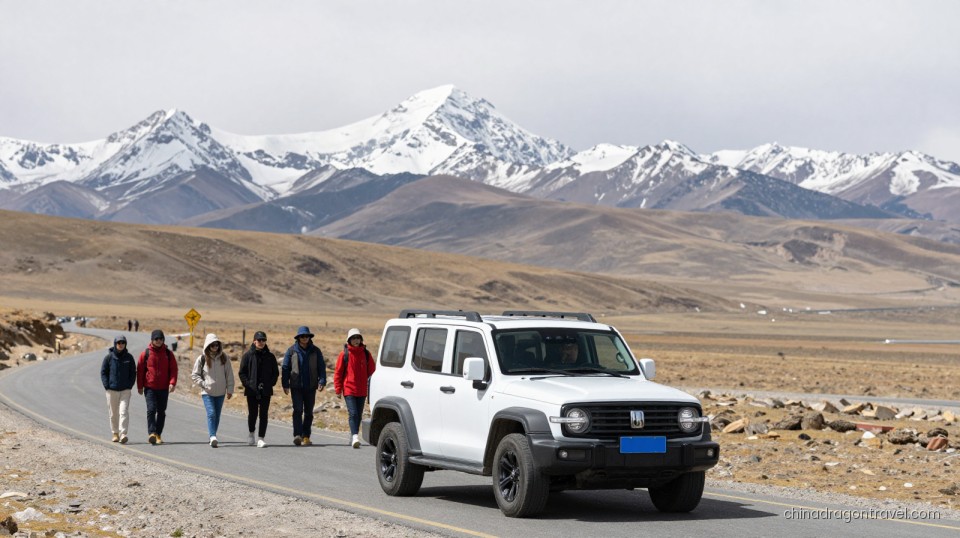
Ask who supplies the vehicle and who employs or contracts the driver. For a route that requires an organized service, confirm that the operator is authorized to provide it and that the driver has experience with the planned roads. A foreign visitor should not assume that a standard car rental can be used to drive independently throughout Tibet.
Check the vehicle details before departure where possible. Ask about passenger capacity, luggage space, seat belts, air conditioning or heating as relevant, and the plan for vehicle maintenance. For a long or remote route, ask what happens if the vehicle develops a problem and how the operator handles delays. No vehicle can eliminate the risks of mountain travel, but clear answers help you assess the arrangement.
On the road, wear a seat belt whenever one is available and follow the driver’s safety instructions. Do not pressure the driver to speed, drive while tired, or continue through unsafe weather. Ask for sensible rest stops, especially on long days. If the driving feels unsafe, raise the concern calmly and contact the organizer or agency.
Altitude can affect travelers differently, and some routes involve substantial elevation. Plan a measured schedule and avoid treating symptoms as something to push through for the sake of the group timetable. If you feel unwell, tell your companions and driver promptly and seek suitable medical advice. Travelers with health concerns should discuss the trip with a qualified clinician before departure.
Keep essentials accessible rather than buried in the luggage area. Carry identification, necessary travel documents, personal medication, water, snacks, a warm layer, and a power bank. Tell someone you trust about your broad itinerary and share updates when practical, while avoiding public disclosure of sensitive personal details.
Use China Dragon Travel Or Another Established Organizer
An established travel organizer may help travelers find compatible companions, arrange a vehicle and driver, and coordinate permit procedures where required. China Dragon Travel can be one option to ask about shared Tibet itineraries, but compare the proposed arrangement with other providers and verify that the service matches your needs. The important point is not the brand name; it is whether the provider gives clear, verifiable answers and handles the journey responsibly.
When you contact an organizer, send a concise request with your nationality, travel dates, preferred route, group size, and approximate budget. Ask whether the itinerary is available as a shared trip, how many seats are open, what happens if the group is not full, and which parts of the permit process the agency handles. Request a detailed itinerary and a written quotation before confirming.
Also ask how the organizer communicates changes. Find out who your point of contact will be before and during the trip, what emergency support is available, and how you will be notified if road conditions or official requirements affect the plan. Do not treat an agency’s general statement as a guarantee that every destination will be accessible on your dates.
A reliable provider should be willing to explain limitations, not just list highlights. If answers about permits, payment, vehicle arrangements, or cancellation terms remain vague, compare alternatives before committing. You can also ask for the company’s official contact information and verify the booking through a channel that is independently identifiable.
Prepare For The Departure And Stay Flexible
Once your seat is confirmed, keep digital and offline copies of your booking details, itinerary, passport information, permits, and emergency contacts. Follow the agency’s instructions about what documents to bring and when they need to be provided. Protect personal data by sending it only through a trusted, appropriate channel and asking how it will be used.
Pack for changing conditions rather than relying on the season name alone. Temperatures can vary between places and times of day, and weather can change travel plans. Bring layers, comfortable walking shoes, sun protection, and any medication you need. Carry some local currency where appropriate, while checking payment arrangements with the organizer before setting out.
Keep your plans flexible. Road conditions, weather, official checks, and vehicle issues may require changes. A responsible organizer should explain the options if a destination becomes inaccessible, but travelers should be prepared for a revised schedule. Avoid booking a tight connection immediately after a remote road journey when a delay would cause a serious problem.
During the trip, communicate early if the plan is not working for you. If a disagreement concerns shared expenses, refer to the written terms rather than relying on memory. If it concerns safety, prioritize a safe stop and contact the organizer. Respect local communities and site rules, ask before photographing people, and follow any restrictions at religious or cultural places.
Common Mistakes To Avoid
Do not book a carpool solely because a stranger has posted an unusually low price. Verify who is organizing the trip, what the payment covers, and whether the route can be arranged lawfully. An offer that skips permits or promises access to restricted areas without checks is a serious warning sign.
Do not assume that every passenger will share the same budget or travel style. Talk about room standards, meals, optional activities, and daily pace before paying. Small misunderstandings can become expensive when they arise far from a city.
Do not leave the passenger count vague. Confirm how many people will travel, what happens if a passenger cancels, and whether the price per person will rise. Ask whether the luggage will fit safely with a full group.
Do not treat a proposed itinerary as a guarantee of access or timing. Check requirements for your route and leave room for delays. If a significant change is proposed, verify it before agreeing or paying extra.
Do not share passport scans or payment details in public groups. Provide necessary documents only to the responsible organizer through a suitable private channel, and keep a record of what you submitted.