
Traveling to Tibet is a dream for many adventurers, spiritual seekers, and nature lovers. The breathtaking landscapes, ancient monasteries, and rich cultural heritage make it one of the most unique destinations on the planet. However, the prospect of visiting the “Roof of the World” often comes with significant anxiety regarding altitude sickness. Over the years, numerous myths and misunderstandings have circulated among travelers, leading to unnecessary fear or, worse, dangerous overconfidence. Understanding the facts is essential for a safe and enjoyable journey. Many people rely on outdated advice or anecdotal stories from friends, which can result in poor preparation. By separating fact from fiction, you can approach your Tibetan adventure with confidence and respect for the environment.
Key Takeaways
- Physical fitness does not guarantee immunity to altitude sickness; anyone can be affected regardless of their athletic background.
- Supplemental oxygen should be used strategically as an acclimatization aid rather than avoided entirely out of fear of dependency.
- Preventative medications like Acetazolamide require a doctor’s prescription and proper timing, not just casual consumption upon arrival.
- Children and elderly travelers can visit Tibet safely provided they undergo thorough medical evaluations and follow strict acclimatization protocols.
- Symptoms of altitude sickness vary greatly among individuals, making self-diagnosis based on generic internet checklists unreliable and potentially dangerous.
Why Common Misconceptions About Altitude Sickness During Tibet Travel Can Be Dangerous?
Believing in myths about high-altitude environments is not just a matter of intellectual curiosity; it directly impacts traveler safety. When visitors arrive in Lhasa, which sits at approximately 3,650 meters (11,975 feet) above sea level, the atmospheric pressure is significantly lower than at sea level. This means each breath delivers less oxygen to the bloodstream. Misunderstanding how the human body reacts to this change can lead to severe consequences, ranging from ruined itineraries to life-threatening medical emergencies such as High Altitude Pulmonary Edema (HAPE) or High Altitude Cerebral Edema (HACE). Unfortunately, misinformation spreads rapidly through travel forums, social media groups, and word-of-mouth. Some travelers assume that because they felt fine on a brief trip to a moderately high destination, they will easily handle the extreme altitudes of the Tibetan Plateau. Others become so paralyzed by exaggerated horror stories that they cancel their trips altogether. Both extremes stem from a lack of accurate physiological knowledge. Addressing these common misconceptions about altitude sickness during Tibet travel is the first step toward responsible tourism. Proper education empowers travelers to recognize early warning signs, communicate effectively with local guides, and make informed decisions about their daily activities. A well-informed traveler is not only safer but also more likely to fully appreciate the profound beauty and culture of Tibet without being overshadowed by preventable health anxieties.

Myth 1: Only Unfit People Get Altitude Sickness in Tibet
One of the most pervasive and dangerous myths in the trekking community is the belief that physical fitness acts as a shield against altitude sickness. Many marathon runners, avid gym-goers, and experienced mountaineers assume that their cardiovascular endurance will protect them when flying into Lhasa or driving over high mountain passes. The biological reality is quite different. Altitude sickness, formally known as Acute Mountain Sickness (AMS), is primarily determined by how quickly your body can adjust to lower oxygen levels, a process governed largely by genetics and individual physiology rather than muscle mass or aerobic capacity. While being physically fit certainly helps with the stamina required for hiking and carrying gear, it does not dictate the rate at which your body produces more red blood cells or increases your breathing rate to compensate for hypoxia. In fact, highly fit individuals sometimes face greater risks because they tend to push themselves too hard upon arrival, ignoring early symptoms like mild headaches or fatigue. They might attempt strenuous hikes on their first day, believing their bodies can handle it, which accelerates the onset of AMS. Conversely, someone who leads a sedentary lifestyle but strictly adheres to a slow ascent profile, rests adequately, and stays hydrated may acclimatize perfectly. It is crucial to leave your ego at home when traveling to high elevations. Listen to your body, regardless of your fitness level, and never compare your acclimatization progress to that of your travel companions. Everyone’s physiological response to the thin air of the Tibetan Plateau is uniquely their own.
Myth 2: You Should Never Use Oxygen Tanks Because They Delay Acclimatization
A frequent piece of unsolicited advice found on backpacker forums suggests that using supplemental oxygen immediately creates a dependency, preventing the body from naturally adapting to the altitude. This misconception causes many travelers to suffer needlessly during their first few days in Tibet. While it is true that relying exclusively on bottled oxygen 24/7 without allowing the body time to adapt is counterproductive, the strategic use of oxygen is a vital tool for safety and comfort. When you first arrive at a high-altitude destination like Lhasa or Shigatse, experiencing mild symptoms such as a throbbing headache, dizziness, or shortness of breath is normal. If these symptoms interfere with your ability to sleep or rest properly, using supplemental oxygen for a short period—such as an hour before bed—can drastically improve your recovery. Sleep is when the body performs much of its acclimatization work. If you are tossing and turning due to hypoxia-induced insomnia, your body cannot adapt efficiently. Reputable tour operators always carry medical-grade oxygen cylinders in their vehicles and hotels precisely for this reason. The goal is not to breathe oxygen constantly, but to use it as a bridge to help you through the most difficult initial hours or to treat escalating symptoms before they become severe. Denying yourself oxygen when you are genuinely struggling is not a badge of honor; it is a health risk. Always follow the guidance of your experienced local guide regarding when and how much oxygen to use.
Myth 3: Drinking Butter Tea Instantly Cures Altitude Sickness
Tibetan butter tea, known locally as Po Cha, is a staple of the regional diet and holds deep cultural significance. Made from black tea, yak butter, and salt, it is incredibly calorie-dense and provides essential hydration and warmth in the harsh, cold climate of the plateau. Because locals drink it constantly and thrive at high altitudes, many tourists mistakenly believe that consuming large quantities of butter tea acts as a magical cure or preventative measure for altitude sickness. While drinking warm fluids is generally recommended to stay hydrated—which is crucial since dehydration mimics and exacerbates AMS symptoms—butter tea does not contain any pharmacological properties that accelerate physiological acclimatization. It will not increase your blood oxygen saturation or prevent HAPE. Enjoying butter tea is a wonderful way to engage with Tibetan culture, replenish electrolytes lost through heavy breathing, and maintain energy levels during long travel days. However, treating it as a medical intervention is a misunderstanding of both biology and local customs. Hydration strategies should focus on drinking plenty of water throughout the day, avoiding excessive caffeine or alcohol, and maintaining a balanced intake of fluids. Relying solely on traditional beverages while ignoring standard medical advice and gradual ascent protocols can lead to disappointment and potential health complications. Embrace the local cuisine for its nutritional and cultural value, but trust science and professional medical guidelines for managing altitude-related challenges.
Myth 4: Taking Altitude Medication Guarantees You Won’t Get Sick
Many travelers visit their doctors before a trip to Tibet and obtain a prescription for Acetazolamide (commonly known by the brand name Diamox), assuming this medication renders them invincible against altitude sickness. While Acetazolamide is a proven and effective prophylactic drug that stimulates breathing and speeds up the acclimatization process, it is not a magic forcefield. It significantly reduces the likelihood and severity of AMS, but it does not eliminate the risk entirely, especially if the traveler engages in reckless behavior such as ascending too rapidly or overexerting themselves. Furthermore, medication comes with side effects, including increased urination (which can lead to dehydration if fluid intake isn’t carefully managed), tingling in the fingers and toes, and altered taste perception. Some individuals may also experience allergic reactions. Another critical misconception involves the timing of the medication. Taking it for the first time after you have already developed severe symptoms at high altitude is far less effective than starting it 24 to 48 hours before your ascent, as typically directed by a physician. Additionally, some travelers mistakenly believe that over-the-counter painkillers like ibuprofen or paracetamol can substitute for proper altitude medication. While these can manage a mild headache, they do nothing to address the underlying hypoxia causing the issue. Always consult a healthcare professional familiar with high-altitude medicine before your trip. Discuss your complete medical history, understand the correct dosage, and remember that medication is merely one component of a broader, responsible acclimatization strategy.
Myth 5: Young Children and the Elderly Cannot Safely Visit Tibet
The assumption that Tibet is exclusively a destination for young, robust adults prevents many families and older travelers from experiencing its wonders. While it is true that extreme altitudes pose specific risks for vulnerable demographics, stating categorically that children and seniors cannot visit is a myth. The key factor is not age alone, but overall health status, pre-existing conditions, and meticulous planning. Healthy older adults who maintain active lifestyles and have no severe cardiopulmonary issues can often tolerate high altitudes remarkably well, sometimes even better than younger individuals who might rush their itinerary. For children, the primary challenge is communication. Very young toddlers may not be able to articulate that they are feeling dizzy, nauseous, or unusually tired, making it harder for parents to detect early signs of AMS. Therefore, pediatricians generally advise caution with infants and very young children. Older children and teenagers, however, can travel safely provided the itinerary allows for a very gradual ascent. Regardless of age, anyone planning a trip to the Tibetan Plateau should undergo a comprehensive medical evaluation prior to departure. Blood pressure, heart function, and respiratory health must be assessed. Once cleared by a doctor, the itinerary must be tailored to the group’s pace. Rushing from low elevation to over 4,000 meters in a single day is dangerous for anyone, but particularly risky for the very young or old. With patience, proper medical clearance, and a supportive travel framework, multi-generational trips to Tibet are entirely feasible and deeply rewarding.
Myth 6: If You Feel Fine on Day One, You Are Fully Acclimatized
This is perhaps the most deceptive trap for enthusiastic travelers. You land in Lhasa, step out of the airport, feel a bit of light-headedness that quickly fades, and spend your first afternoon walking around the Barkhor Street area without incident. Believing you have conquered the altitude, you decide to book a strenuous hike or drive over a 5,000-meter pass the very next day. The delayed onset of altitude sickness catches thousands of travelers off guard annually. The body’s physiological response to hypoxia is not instantaneous. It takes time for the kidneys to adjust blood pH levels and for the bone marrow to begin producing additional red blood cells. Symptoms of Acute Mountain Sickness frequently do not manifest until 12 to 24 hours after arrival at a new elevation, and sometimes even later. Feeling perfectly fine during the first few hours simply means your body’s immediate compensatory mechanisms—like slightly elevated heart rate and deeper breathing—are temporarily doing their job. It does not mean long-term acclimatization has occurred. The golden rule of high-altitude travel is to rest extensively for the first 48 hours. Avoid hot showers initially, as they dilate blood vessels and can worsen symptoms. Eat light, carbohydrate-rich meals, and refrain from alcohol and sleeping pills, which depress the respiratory system. Even if you feel invincible on day one, respect the timeline of human biology. Treat the first two days as a mandatory resting period, allowing your body to silently perform the complex adaptations required to keep you safe for the remainder of your journey.
Myth 7: Flying Directly to Lhasa Is Too Dangerous Compared to Overland Travel
There is a widespread belief that taking a flight directly into Lhasa Gonggar Airport guarantees severe altitude sickness, whereas driving slowly via the Sichuan-Tibet or Qinghai-Tibet highways is inherently safer. While gradual ascent is indeed the best way to acclimatize, overland travel in this region presents its own set of complexities that can negate those benefits. Driving overland means spending multiple days at varying altitudes, often crossing passes that exceed 5,000 meters before descending again. This constant fluctuation can be exhausting and confusing for the body. Furthermore, road conditions can be grueling, leading to physical fatigue, motion sickness, and disrupted sleep—all of which are major triggers for AMS. Flying directly to Lhasa exposes you to a sudden drop in oxygen availability, which is why the immediate post-flight rest period is non-negotiable. However, once in Lhasa, you have access to comfortable hotels, reliable medical facilities, and stable conditions to rest and recover without the physical toll of long drives. Many experienced guides actually prefer clients fly into Lhasa, rest completely for two to three days, and then begin their exploration. The danger lies not in the mode of transportation, but in what the traveler does immediately upon reaching high altitude. If you fly in and immediately start sightseeing aggressively, you will likely get sick. If you drive in but push through exhaustion to cover more distance, you will also get sick. Both methods require discipline, careful planning, and a willingness to prioritize health over tight schedules.
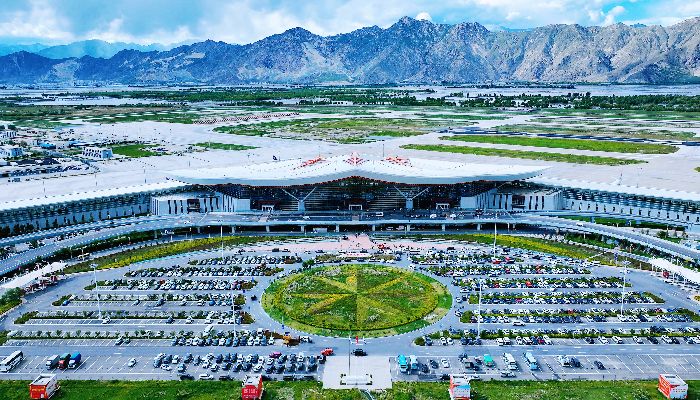
Lhasa Gonggar Airport
How Professional Guidance Mitigates Risks and Dispels Myths
Navigating the complexities of high-altitude travel requires more than just reading articles online; it demands on-the-ground expertise. This is where partnering with a knowledgeable and reputable agency becomes invaluable. Companies like China Dragon Travel specialize in crafting itineraries that prioritize physiological safety alongside cultural immersion. Their experienced local guides are trained to recognize the subtle, early signs of altitude sickness that travelers often miss or dismiss. Rather than relying on myths or generic advice, professional operators implement scientifically backed acclimatization schedules. They know exactly which routes allow for gradual elevation gain, where to position oxygen supplies, and when to advise a client to rest or descend. Traveling with an established team ensures that if a medical situation arises, the response is swift, coordinated, and effective. They handle the logistics of permits, transportation, and accommodations, removing the stress that can exacerbate physical strain. Instead of worrying about whether drinking butter tea will save you or if your gym routine makes you immune, you can trust that your daily schedule has been designed by experts who understand the realities of the Tibetan Plateau. Choosing a dedicated operator transforms a potentially daunting expedition into a secure, educational, and profoundly moving experience. They bridge the gap between tourist enthusiasm and environmental reality, ensuring that common misconceptions about altitude sickness during Tibet travel do not compromise your safety or your memories.
Practical Steps for a Safe and Enjoyable Journey to the Roof of the World
Preparing for a trip to Tibet requires a shift in mindset from typical vacation planning to expedition-style readiness. Start by scheduling a consultation with a travel medicine specialist months in advance. Discuss your itinerary honestly, including the highest points you plan to reach. Obtain necessary prescriptions and understand exactly how and when to use them. Begin hydrating well before your departure date; chronic mild dehydration makes acclimatization significantly harder. Pack layers suitable for drastic temperature shifts, as the sun is intense during the day but temperatures plummet rapidly after sunset. Upon arrival, enforce a strict rest protocol. Do not feel pressured to join group activities if you are feeling unwell. Communicate openly with your guides about any headaches, nausea, or sleep disturbances. Silence is your worst enemy at high altitude. Eat small, frequent meals rich in complex carbohydrates, as your digestive system works harder in thin air. Avoid smoking and limit alcohol consumption to zero during the acclimatization phase. Familiarize yourself with the Lake Louise Scoring System, a simple diagnostic tool used globally to assess AMS severity, so you can objectively evaluate how you feel rather than guessing. Finally, maintain a flexible attitude. Weather, road conditions, or personal health may necessitate changes to your planned route. Embracing flexibility rather than rigidly sticking to an itinerary is often the difference between a successful adventure and a medical evacuation. Tibet offers unparalleled beauty and spiritual depth to those who approach it with respect, preparation, and a clear understanding of the facts.