
When most travelers picture Tibet, they imagine summer treks and lush landscapes. However, the colder months offer an entirely different magic. If you want to soak up the sun in Lhasa or hike around nearby monasteries in winter, you are choosing one of the best-kept secrets of Himalayan travel. The air is crisp, the skies are a piercing blue, and the ancient city feels deeply intimate without the heavy tourist crowds. This season transforms the plateau into a quiet sanctuary for those seeking spiritual depth and natural beauty.
Key Highlights
- Abundant sunshine and clear skies make winter ideal for exploring Lhasa comfortably.
- Fewer tourists allow for deeper cultural immersion at sacred sites.
- Monastery hikes offer stunning views of snow-dusted peaks and golden roofs.
- Local festivals bring vibrant traditions and authentic Tibetan hospitality to life.
- Planning with experienced operators like China Dragon Travel ensures a safe, seamless trip.
Why Soaking Up the Sun in Lhasa in Winter is Unforgettable
Lhasa is often referred to as the “Sunlight City,” and this nickname rings especially true during the winter months. While temperatures drop, particularly at night, the daytime brings an astonishing amount of sunshine. On average, the city enjoys over 3,000 hours of sunlight annually, and winter days are frequently cloudless. This makes it incredibly comfortable to wander through the streets, explore courtyards, and simply sit back and enjoy the warmth radiating from the high-altitude sun.
The unique geography of the Tibetan Plateau plays a significant role here. Sitting at an elevation of about 3,650 meters, the thinner atmosphere allows solar radiation to reach the ground more intensely. Even when the thermometer reads near freezing in the shade, standing in direct sunlight can feel remarkably warm. Locals take full advantage of this, gathering in public squares, sipping sweet milk tea, and spinning prayer wheels under the bright sky. For visitors looking to soak up the sun in Lhasa or hike around nearby monasteries in winter, this climate provides a surprisingly pleasant environment that defies typical expectations of harsh mountain winters.
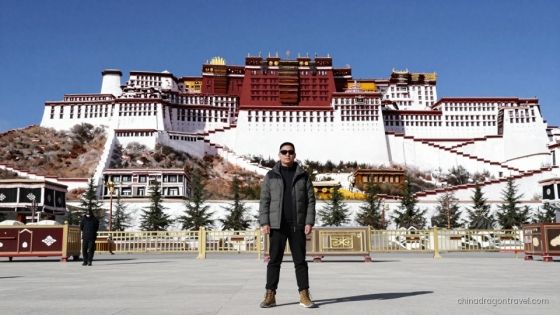
Potala Palace
Furthermore, the dry winter air means visibility is at its peak. The surrounding mountains, often obscured by summer clouds, stand out in sharp relief against the deep blue sky. Photographers and nature lovers find this clarity irresistible. Every architectural detail of the Potala Palace, every fluttering prayer flag, and every distant snowy peak is rendered in vivid, unobstructed detail.
Preparing for Your Lhasa Winter Adventure
Traveling to high altitudes requires preparation regardless of the season, but winter introduces specific considerations. The key to enjoying your time when you decide to soak up the sun in Lhasa or hike around nearby monasteries in winter lies in mastering the art of layering. Daytime temperatures can hover around 8°C to 12°C (46°F to 54°F) in the sun, while nighttime temperatures can plummet well below freezing. A high-quality thermal base layer, a warm insulating mid-layer like fleece or down, and a windproof outer shell are essential.
Sun protection is another critical factor. Because of the intense UV radiation at this altitude, sunscreen with a high SPF, UV-blocking sunglasses, and wide-brimmed hats are not just summer accessories—they are winter necessities. The glare off any remaining snow patches can be intense, making eye protection vital for anyone planning to hike around nearby monasteries.
Altitude sickness is a reality that demands respect. Winter does not change the oxygen levels, which remain roughly 60% of those at sea level. It is highly recommended to spend the first two days acclimatizing in Lhasa before attempting any strenuous hikes. Drink plenty of water, avoid alcohol initially, and move slowly. Partnering with knowledgeable professionals like China Dragon Travel can significantly ease this transition. Their guides understand the nuances of high-altitude acclimatization and can tailor your itinerary to ensure your body adjusts safely before you set out to explore the surrounding monastic trails.
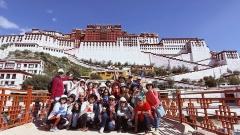
Exploring the Heart of the City Under Clear Skies
Before venturing out to hike around nearby monasteries in winter, spending time in Lhasa itself is a rewarding experience. The Barkhor Street circuit, winding around the Jokhang Temple, is the spiritual and social heartbeat of the city. In winter, this ancient pilgrimage route feels less like a tourist attraction and more like a living, breathing community space. Pilgrims from across the Tibetan plateau travel to Lhasa during the quieter months, adding a profound sense of devotion to the atmosphere.
The Jokhang Temple, considered the most sacred site in Tibetan Buddhism, is breathtaking year-round. However, winter visits mean you can spend more time inside without feeling rushed by large tour groups. The scent of juniper incense, the flickering light of thousands of yak butter lamps, and the low hum of chanting monks create an immersive sensory experience. Stepping outside afterward, you are immediately greeted by the brilliant sunlight warming the temple square.
The Potala Palace dominates the skyline and remains a must-visit. Winter policies often allow for a more relaxed pace through its numerous chapels and historical rooms. The white and red walls contrast beautifully with the stark winter sky. After descending, walking through Zongjiao Lukang Park behind the palace offers a peaceful retreat where locals gather to dance and socialize in the afternoon sun. These urban explorations perfectly complement the physical exertion of hiking around nearby monasteries later in your trip.
How to Hike Around Nearby Monasteries in Winter Safely
Choosing to hike around nearby monasteries in winter opens up some of the most spectacular trekking experiences available on the plateau. The trails are quieter, the air is pristine, and the landscapes are painted in muted, dramatic tones. However, safety and preparation are paramount. Trails can be icy, especially in shaded areas or early in the morning, so sturdy hiking boots with good traction or micro-spikes are highly recommended.
One of the most popular routes is the trek to Sera Monastery and the hills directly behind it. While the monastery itself is easily accessible by vehicle, the trails leading up into the rocky crags above offer incredible panoramic views of Lhasa. Here, you will find small hermitage caves where monks have meditated for centuries. The hike is moderately challenging due to the altitude rather than the terrain, making it a great introductory trek for those wanting to soak up the sun in Lhasa or hike around nearby monasteries in winter.
Another exceptional option is the journey to Ganden Monastery, located about 50 kilometers east of Lhasa at an even higher elevation. The traditional kora (pilgrimage circuit) around Ganden takes several hours and traverses ridgelines offering sweeping views of the Kyi Chu River valley. In winter, snow may dust the higher passes, creating a starkly beautiful landscape. Because of the elevation and potential for icy paths, undertaking this hike with an experienced guide from a reputable agency like China Dragon Travel is strongly advised. They provide necessary support, monitor weather conditions, and ensure you stay on safe routes.
Drepung Monastery, once the largest in the world, sits on a hillside west of the city. The walk up to the monastery complex involves a steady climb that warms the body quickly, even on chilly mornings. Exploring the various colleges within Drepung feels like wandering through a medieval university. The trails connecting Drepung to the smaller Nechung Oracle Temple offer a gentle, culturally rich hike that is very manageable during the winter months.
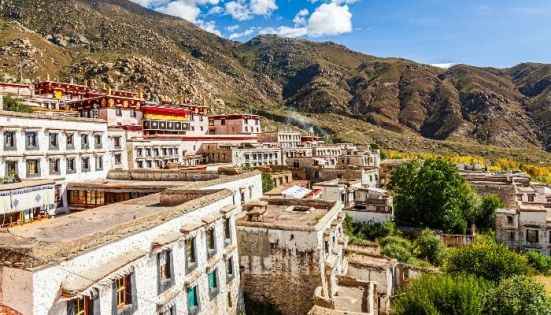
Drepung Monastery
The Magic of Winter Festivals and Local Culture
Timing your visit to soak up the sun in Lhasa or hike around nearby monasteries in winter might align you with some of Tibet’s most fascinating cultural events. The winter season is punctuated by important dates in the Tibetan lunar calendar. Losar, the Tibetan New Year, usually falls between late January and early March. The weeks leading up to Losar see the city buzzing with preparation. Markets overflow with special foods, new prayer flags are printed, and homes are thoroughly cleaned and decorated.
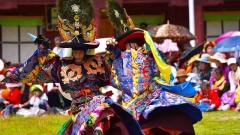
During Losar, the monasteries host elaborate ceremonies, cham dances (masked ritual dances), and prayers. Witnessing these events provides a window into the living traditions of Tibetan Buddhism that few summer tourists get to experience. The Butter Lamp Festival, occurring shortly after the New Year, sees temples and homes illuminated by thousands of intricately carved yak butter sculptures lit from within. The visual spectacle is mesmerizing.
Beyond the major festivals, everyday winter culture has its own charm. Step into a local teahouse to escape the morning chill. Order a thermos of po cha (salted yak butter tea) or cha ngamo (sweet milk tea). Sit alongside locals playing dice games or quietly turning their malas (prayer beads). This slow, deliberate pace of life is a core part of the winter experience. When you eventually step back outside to hike around nearby monasteries, you carry this sense of grounded tranquility with you.
Culinary Comforts for Cold Weather Exploration
Hiking around nearby monasteries in winter burns a significant number of calories, and the cold demands hearty sustenance. Tibetan cuisine is perfectly adapted to this environment. Momos, the beloved steamed dumplings filled with yak meat, vegetables, or cheese, are ubiquitous and deeply satisfying. Dipped in spicy chili paste, they provide immediate warmth and energy.
Thukpa, a robust noodle soup packed with meat, vegetables, and thick broth, is the ultimate comfort food after a long day spent trying to soak up the sun in Lhasa or hike around nearby monasteries in winter. The hot liquid helps combat the dehydrating effects of the dry, high-altitude air. Tsampa, roasted barley flour mixed with butter tea and formed into dough balls, is the traditional staple of Tibetan nomads and monks alike. Trying tsampa connects you directly to the historical diet of the people who built and walked these monastic trails for centuries.
In Lhasa, restaurants range from simple local eateries to establishments offering Nepali, Indian, and Western dishes. However, embracing the local winter diet enhances the cultural immersion. Yak meat, rich in protein and iron, is particularly beneficial for maintaining energy levels at high altitudes. Pairing these meals with ginger tea or sea buckthorn juice helps ward off colds and supports overall wellness during your travels.
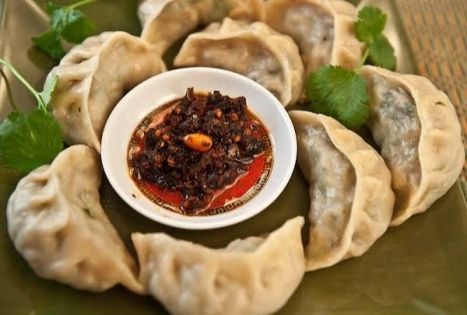
Tibet Momos
Practical Logistics and Getting There
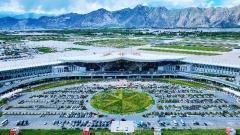
Reaching Lhasa in winter is straightforward, though options differ slightly from the peak summer season. Flights connect Lhasa Gonggar Airport to major Chinese cities like Chengdu, Chongqing, Xining, and Beijing. Flying in during winter often means dealing with fewer delays caused by summer monsoon rains, though occasional winter storms can impact schedules.
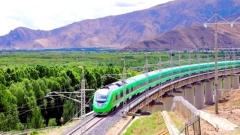
For those who prefer a scenic approach, the Qinghai-Tibet Railway remains operational year-round. The train journey from Xining or other gateway cities is an engineering marvel, passing over high mountain passes and across vast permafrost plains. The carriages are pressurized and supplied with supplemental oxygen, making the ascent much gentler on the body than flying directly into high altitude. This gradual acclimatization is highly beneficial if your primary goal is to hike around nearby monasteries shortly after arrival.
Permits are a mandatory requirement for all foreign travelers visiting Tibet. The Tibet Travel Permit must be arranged in advance through a registered travel agency. You cannot apply for this independently. This is where working with established companies like China Dragon Travel becomes invaluable. They handle the bureaucratic complexities, secure your permits, book your transportation, and arrange your accommodations. Winter hotel rates in Lhasa are generally lower, and many properties offer excellent heating systems, ensuring your nights are as comfortable as your days spent in the sun.
Packing lists should include lip balm, heavy moisturizer, and nasal saline spray, as the dry air can cause discomfort. Power banks are essential, as cold temperatures drain camera and phone batteries rapidly. When preparing to soak up the sun in Lhasa or hike around nearby monasteries in winter, having the right logistical support allows you to focus entirely on the experience rather than the paperwork.
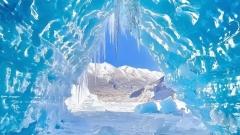
Embracing the Silence of the Plateau
There is a distinct acoustic quality to the Tibetan Plateau in winter. The absence of dense crowds and the stillness of the cold air amplify the sounds that matter: the rustle of prayer flags snapping in the breeze, the deep resonance of temple horns echoing across valleys, and the crunch of frost beneath your boots as you hike around nearby monasteries. This silence is not empty; it is profoundly full.
Choosing to travel during this season shifts the paradigm of a Tibetan journey. It moves away from checking off tourist landmarks and toward genuine connection—with the landscape, the culture, and yourself. The challenge of the altitude and the cold is rewarded tenfold by the clarity of the light and the authenticity of the encounters. Whether you spend your afternoons sitting on a sun-drenched wall in the old city or navigating a snowy ridge above a centuries-old hermitage, the experience leaves a lasting imprint.
To truly maximize this unique seasonal opportunity, relying on local expertise is the smartest choice. Agencies like China Dragon Travel specialize in crafting itineraries that balance physical adventure with cultural depth. They know exactly which trails are safe after a snowfall, which teahouses serve the best winter brews, and how to pace your days so you can fully soak up the sun in Lhasa or hike around nearby monasteries in winter without exhausting your reserves. Their deep roots in the region ensure that your journey is respectful, sustainable, and unforgettable.
Ultimately, winter in Lhasa is an invitation to slow down. It asks you to trade the frantic pace of modern travel for the rhythmic spin of a prayer wheel and the steady cadence of footsteps on an ancient path. It is a time when the roof of the world feels close enough to touch, bathed in endless light, waiting quietly for those willing to brave the cold to discover its warmest secrets.