
Have you always dreamed of visiting Tibet but worried because you have never been to a high-altitude destination before? You are not alone. Many first-time visitors wonder whether their bodies can handle the elevation, whether altitude sickness is inevitable, and which itinerary would be the most suitable for beginners. The good news is that having no previous high-altitude travel experience does not automatically mean you cannot visit Tibet. However, Tibet’s elevation requires careful preparation. Understanding altitude sickness, choosing a sensible route, allowing time to acclimatize, and knowing when to seek medical help can make a significant difference to your trip.
Key Takeaways
- First-time visitors can travel to Tibet, but their suitability depends on individual health, the itinerary, and how their bodies respond to altitude.
- Altitude sickness can affect anyone, regardless of age or physical fitness.
- Start with a carefully planned route: Consider lower-altitude destinations first, and avoid rushing to high mountain passes or remote plateau areas.
- Take the first few days slowly: Rest, avoid strenuous exercise, and pay attention to symptoms.
- Consult a healthcare professional before departure if you have existing medical conditions or concerns about traveling at altitude.
Can You Visit Tibet Without Any High-Altitude Experience?
Yes, many people visit Tibet for the first time without having previously traveled to high-altitude destinations. You do not need to be an experienced mountaineer or trekker to enjoy Tibet’s monasteries, lakes, mountain scenery, and traditional Tibetan villages.
However, visiting Tibet is different from taking a typical city holiday. Many destinations sit at elevations above 3,000 meters, where the air contains less oxygen per breath than at sea level. Your body needs time to adjust to this environment, and some travelers develop symptoms of altitude sickness during the process.
The key question is not simply whether you have visited high-altitude places before. It is whether your health, travel plans, and pace of ascent are appropriate for the journey.
Does Being Fit Mean You Will Not Get Altitude Sickness?
No. Physical fitness does not guarantee protection from altitude sickness. Someone who regularly exercises, runs, or hikes may still develop symptoms when traveling to high elevations.
Likewise, never having experienced altitude sickness does not mean you will necessarily develop it on your first trip.
Individual responses vary, and previous experience at altitude may not accurately predict how you will feel on a future visit. For beginners, the most sensible approach is to prepare carefully, choose a manageable itinerary, and avoid treating altitude sickness as something that can be prevented with willpower alone.
Is Tibet Suitable for Older Travelers or Families?
Age alone does not determine whether someone can visit Tibet comfortably. Many older adults and families enjoy Tibet, but the itinerary should reflect the health, mobility, and needs of everyone traveling.
Travelers with heart or lung conditions, sleep apnea, a history of serious altitude-related illness, or other medical concerns should discuss their plans with a healthcare professional before booking. Pregnancy and other individual health circumstances may also require specific medical advice.
A relaxed sightseeing tour may be more appropriate than a demanding itinerary involving long drives, strenuous hikes, and several high-altitude destinations in quick succession.

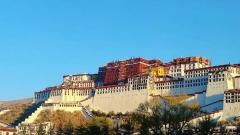
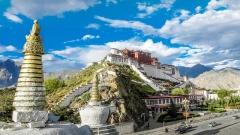
Tourists from China Dragon Travel posing for a group photo at the Potala Palace
Understand the Altitude of Tibet Before Booking
One of the most important steps for first-time visitors is understanding how high their planned destinations are. Tibet is a large region with considerable elevation differences, and an itinerary that includes several high mountain areas can be more demanding than one focused on a smaller number of destinations.
Here are some approximate elevations for popular places in Tibet:
| Destination | Approximate Elevation |
|---|---|
| Nyingchi urban area | Around 3,000 m |
| Lhasa | Around 3,650 m |
| Yamdrok Lake viewpoints and mountain passes | Approximately 4,400–4,800 m, depending on the location |
| Namtso Lake area | Around 4,700 m |
| Everest Base Camp area | Around 5,200 m |
Elevations vary by exact location. These figures are approximate and are intended for general travel planning.
The difference between 3,000 meters and 5,200 meters is significant. A sightseeing route around Lhasa and Nyingchi has a different altitude profile from a trip that includes Namtso Lake, high mountain passes, or Everest Base Camp.
For a first-time visitor, it is worth checking not only the elevation of each attraction but also the highest altitude reached each day and the altitude at which you will sleep each night.
A short stop at a high mountain pass and an overnight stay at a similarly high elevation are not the same experience. Both require consideration, but sleeping altitude and the rate at which you ascend are particularly important when assessing altitude-related risk.
What Is Altitude Sickness, and How Do You Recognize It?
Altitude sickness can occur when your body has not had enough time to adapt to reduced oxygen availability at higher elevations. It is commonly associated with rapid ascent, although individual responses differ.
Acute mountain sickness (AMS) is a common form of altitude illness. Symptoms may begin within hours of arriving at a higher elevation or after the first night.
Common symptoms include:
- Headache.
- Nausea or reduced appetite.
- Dizziness or light-headedness.
- Unusual tiredness or weakness.
- Difficulty sleeping.
These symptoms can overlap with dehydration, travel fatigue, motion sickness, and other conditions. If you develop them after ascending, do not automatically assume they are harmless or simply part of the travel experience.
Tell your guide or travel companion, stop ascending to a higher altitude, and seek appropriate medical advice. Do not continue with a demanding sightseeing schedule while symptoms are developing.
When Should You Seek Urgent Medical Help?
Severe altitude illness can be life-threatening. Warning signs include difficulty breathing at rest, confusion, unusual drowsiness, difficulty walking straight, or a severe and worsening headache accompanied by repeated vomiting.
If these symptoms occur, seek emergency medical assistance immediately. Do not continue sightseeing or attempt to manage serious symptoms simply by resting at the same altitude. Urgent descent to a lower elevation may be necessary, guided by appropriate medical assistance.
For first-time visitors, knowing these warning signs is just as important as packing warm clothes or booking a comfortable hotel.
Which Tibet Route Is Better for First-Time Visitors?
There is no single route that is guaranteed to prevent altitude sickness. However, the way an itinerary is planned can influence how demanding the journey becomes.
For beginners, a route with a manageable pace, fewer sudden increases in sleeping altitude, and sufficient rest may be more suitable than an itinerary that quickly moves between several high-altitude destinations.
Option 1: Start With Nyingchi’s Peach Blossoms in Spring
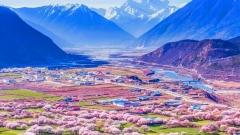
Nyingchi is a popular choice for spring travel, particularly from March to April when peach blossoms transform villages and valleys into colorful landscapes. Visitors can enjoy places such as Gala Peach Blossom Village, Bomi Peach Blossom Valley, Suosong Village, and Basum Tso, depending on the itinerary and seasonal conditions.
Nyingchi’s urban area is at a lower elevation than Lhasa and many well-known destinations in northern and western Tibet. For travelers concerned about high altitude, it may therefore be worth considering a route that focuses on Nyingchi before moving to higher destinations.
However, there is an important qualification: flying directly to Nyingchi still involves a relatively rapid ascent to around 3,000 meters. A lower elevation than Lhasa does not eliminate altitude-related risk, and the actual altitude of individual attractions may be higher than that of the city.
A well-planned Nyingchi trip can focus on scenic drives, villages, lakes, and relaxed sightseeing rather than strenuous trekking. If your main goal is to enjoy Tibet’s spring scenery, this may be a practical option to discuss with your travel operator.
Option 2: Explore Lhasa at a Relaxed Pace
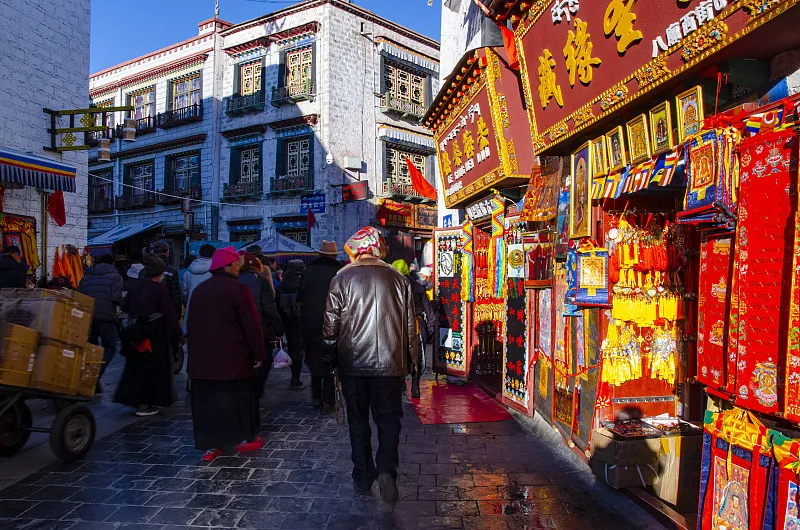
Lhasa is the cultural heart of many Tibet itineraries, with highlights such as Potala Palace, Jokhang Temple, Barkhor Street, and Sera Monastery.
At approximately 3,650 meters, however, Lhasa is already high enough for altitude sickness to occur. First-time visitors should not assume that arriving in the city means they have already acclimatized.
If you choose a Lhasa-based itinerary, consider keeping the arrival day light and allowing time to rest before undertaking more demanding sightseeing. Avoid planning a long drive to a high mountain pass or a strenuous hike immediately after arrival.
A relaxed schedule can help you monitor how you feel and adjust your activities if needed.
Option 3: Save Everest Base Camp and Namtso for a Carefully Planned Trip
Everest Base Camp and Namtso Lake offer some of Tibet’s most dramatic scenery, but they are at substantially higher elevations than Nyingchi or Lhasa.
For travelers who have never been to high altitude, these destinations deserve particular attention when choosing a route. Rather than adding them to an already busy itinerary, discuss the elevation profile, overnight arrangements, travel times, and acclimatization opportunities with your tour operator.
You do not need to visit every famous destination on your first trip to Tibet. Beginning with a more manageable route and considering higher destinations separately may be a better fit for some travelers.
How Should First-Time Visitors Prepare for Tibet?
Good preparation will not eliminate the risk of altitude sickness, but it can help you make better decisions and respond appropriately if symptoms appear.
Consult a Healthcare Professional Before Departure
If you have never traveled to high altitude, it is sensible to discuss your planned itinerary with a healthcare professional, especially if you have existing medical conditions or concerns about your ability to adapt.
Be specific about your travel plans. Share the destinations, approximate elevations, duration of your stay, and any planned hiking or remote overnight visits.
Some travelers may be advised to use preventive medication, such as acetazolamide, depending on their health history and ascent plan. This medication is not suitable for everyone and should only be considered after consultation with a qualified healthcare professional.
Do not self-medicate, and do not rely on medication as a substitute for a suitable itinerary or sensible acclimatization.
Take the First Few Days Slowly
Once you arrive, avoid scheduling too many activities. Keep your walking pace comfortable, take breaks when needed, and postpone strenuous exercise while you assess how your body is responding.
Do not feel pressured to keep up with other travelers. Your guide should understand that first-time visitors may need a more relaxed pace.
It is also important not to continue ascending if you develop symptoms that may indicate altitude sickness. Tell your guide promptly and seek appropriate medical advice.
Stay Hydrated and Eat Regularly
Drink fluids regularly and eat balanced meals. High-altitude travel can involve dry air and increased fluid loss, but you do not need to force yourself to drink excessive amounts of water.
Avoid alcohol during the initial period of acclimatization, and do not use alcohol or sedatives as a way to help yourself sleep at altitude without appropriate medical guidance.
Get enough rest and pay attention to your overall condition rather than focusing only on whether you feel cold or tired.
Pack for Tibet’s Weather
Tibet’s weather can change considerably between regions, seasons, and times of day. Even when the afternoon is sunny, mornings and evenings can be cold.
Bring layered clothing, a warm jacket, comfortable walking shoes, sunscreen, sunglasses, and any regular medication you need. If your route includes remote areas, confirm the availability of suitable accommodation and basic facilities before departure.
Should You Fly or Take the Train to Tibet?
For travelers concerned about altitude sickness, the choice of transportation is worth discussing before booking.
Flying to Lhasa brings you to an elevation of approximately 3,650 meters in a relatively short time. This rapid ascent can be challenging for some travelers because their bodies have little opportunity to adjust during the journey.
The Qinghai–Tibet Railway approaches the plateau over a longer period, so the ascent is more gradual than flying directly to Lhasa. However, taking the train does not guarantee protection from altitude sickness. Train passengers also reach high elevations, and symptoms can still occur during or after the journey.
Your choice should take into account the route, duration, comfort, schedule, and your personal health. Neither mode of transportation should be treated as a substitute for proper acclimatization.
If you choose to fly, ask your travel operator to arrange a light arrival day and avoid an immediate onward journey to very high elevations. If you choose the train, remember that you may still need rest when you arrive.
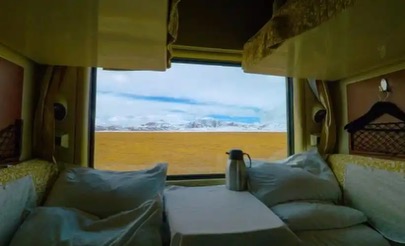
Tibet Train Interior
What Should You Avoid During Your First Tibet Trip?
First-time visitors sometimes make their itinerary too ambitious because they want to see as much as possible. At high altitude, however, a packed schedule may leave too little time to rest or respond to changing conditions.
Before booking, be cautious about the following:
Rushing to several high-altitude destinations. Visiting Lhasa, Namtso, and Everest Base Camp in quick succession can involve substantial changes in elevation. Review the daily altitude profile rather than judging the trip only by the number of days.
Planning strenuous activities immediately after arrival. Long hikes, intense exercise, or a demanding sightseeing schedule may be unsuitable before you have assessed how you feel at altitude.
Ignoring symptoms to keep the itinerary on schedule. A headache or unusual fatigue after ascending may need attention. Do not assume you should simply push through discomfort.
Assuming physical fitness guarantees safety. Fitness may help with ordinary physical activities, but it does not reliably predict how you will respond to altitude.
Relying on a supposed quick fix. No drink, supplement, breathing exercise, or piece of equipment can guarantee that you will not develop altitude sickness.
A responsible trip plan should allow changes when your health, the weather, or local conditions make them necessary.
How to Choose a Tibet Tour That Suits Beginners
If this is your first visit to Tibet, compare tours based on the route and daily pace rather than price alone.
Before booking, ask the operator the following questions:
- What is the highest elevation reached on each day?
- What is the approximate sleeping altitude at each overnight stop?
- Does the itinerary allow time to rest after arrival?
- Are there strenuous hikes or long walks?
- How quickly does the route move from one elevation to another?
- What happens if a traveler develops altitude-related symptoms?
- What medical support or assistance is available along the route?
- Can the itinerary be adjusted if needed?
A suitable itinerary should be explained clearly, including its limitations. Be cautious if anyone promises that a particular route, hotel, or product can completely prevent altitude sickness.
At China Dragon Travel, you can discuss your interests, preferred pace, and concerns about altitude when planning a Tibet trip. For first-time visitors, a route focused on Nyingchi’s spring scenery or a relaxed Lhasa sightseeing itinerary may be worth considering, depending on individual health and travel preferences.
Is Tibet Worth Visiting If You Are Worried About Altitude?
Yes, Tibet can still be worth considering if you are worried about altitude, provided you take that concern seriously and make an informed decision.
You do not have to complete a difficult trek or visit every remote destination to experience the region. Tibet offers a broad range of travel experiences, from historic monasteries and traditional markets to spring peach blossoms, mountain valleys, lakes, and cultural villages.
For some travelers, starting with a shorter itinerary focused on fewer destinations may be the best way to experience Tibet. Others may prefer to visit a lower-altitude area first or postpone a trip until they have discussed their health concerns with a medical professional.
The important thing is to choose the journey that suits you, rather than feeling that you must follow the most demanding or comprehensive route.
Plan Your First Tibet Trip With Confidence
So, can you visit Tibet if you have never been to a high-altitude destination? In many cases, yes—but careful planning matters. Lack of previous experience does not automatically rule you out, and physical fitness alone does not guarantee that you will avoid altitude sickness.
Start by understanding the elevations of the places you plan to visit. Choose a sensible route, allow time to rest, prepare for the weather, and learn to recognize altitude-related symptoms. If you have health concerns, seek professional medical advice before confirming your trip.
Whether you are dreaming of Nyingchi’s peach blossoms, the cultural landmarks of Lhasa, or the spectacular landscapes around Tibet’s sacred lakes, you do not need to rush through every destination on your first visit.
With realistic expectations, a carefully planned itinerary, and respect for the effects of altitude, you can make a more informed decision about whether Tibet is the right destination for your first high-altitude adventure.