
Vehicle costs in Tibet depend on your route, group size, travel dates, and the type of vehicle you need. Because independent foreign travelers generally must arrange travel through an authorized agency and use a licensed guide, a vehicle charter is often part of a broader travel package rather than a standalone rental. The figures below are planning ranges, not guaranteed quotes; ask providers to confirm what each price includes before you book.
Key Points
- A private vehicle with a driver commonly costs several hundred to over a thousand US dollars per day, depending on the vehicle, route, and season.
- Shared tours can reduce the per-person transport cost, though you have less control over timing and stops.
- Fuel, driver accommodation, road conditions, and remote destinations can raise the total.
- Foreign travelers should confirm current permit and guide arrangements with an authorized Tibet travel agency.
- Compare the full itinerary price, not just the advertised vehicle rate.
Typical Tibet Vehicle Charter Costs
There is no single official daily rate for every Tibet route. Operators set prices according to the vehicle, distance, itinerary length, season, and the amount of time the driver must remain on the road. A compact vehicle suitable for a small party on a straightforward route usually costs less than a large van or a four-wheel-drive vehicle needed for a long, remote itinerary.
As a broad planning estimate, travelers may encounter private charter quotes of roughly US$250–600 per day for a standard vehicle with a driver on common routes, while larger, newer, or more capable vehicles can cost US$500–1,000 or more per day. These are indicative ranges rather than fixed tariffs. A quote may be calculated per day, per itinerary, or as part of a package, and it may not include every operating expense. Long-distance or remote journeys can exceed these ranges, especially when they require additional days, specialized vehicles, or complicated logistics.
For a short trip around Lhasa and nearby destinations, a vehicle may be booked for particular sightseeing days rather than the whole stay. A longer route to places such as Shigatse, Everest Base Camp, or western Tibet generally requires a multi-day arrangement. The more remote the destination, the more important it is to check fuel, driver lodging, road access, and contingency arrangements in writing.
A low daily price is not necessarily the lowest overall cost. One operator may quote a vehicle and driver only; another may include fuel, parking, and the driver’s meals and accommodation. Compare like with like by requesting a written itinerary and itemized inclusions.
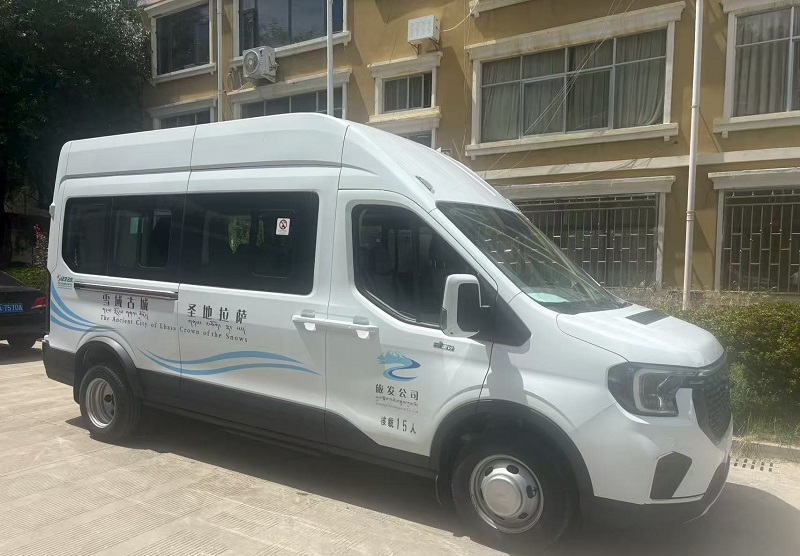
15-Seater Tourist Vehicle for Tibet
Shared Tours Versus Private Charter
A shared tour is often the least expensive option for solo travelers and couples. Transport costs are divided among a group, so the per-person rate can be substantially lower than hiring a private vehicle. Shared departures may follow a set schedule and standard route, however, and you may have limited flexibility for photography stops, meal breaks, or changes to the itinerary.
A private charter gives your group more control over departure times and stops. It is often practical for families, friends, travelers carrying substantial luggage, or anyone with a specific route in mind. The vehicle price is shared by the passengers, so a private trip can become more economical per person as the group grows—provided the vehicle has enough legal passenger capacity and luggage space.
When comparing the options, include the full package cost. A shared tour may bundle transport with a guide, accommodation, or meals, while a private vehicle quote may cover only the driver and vehicle. If your itinerary requires a guide or other travel arrangements, a vehicle-only comparison can be misleading.
What Changes The Price?
Vehicle Type And Passenger Capacity
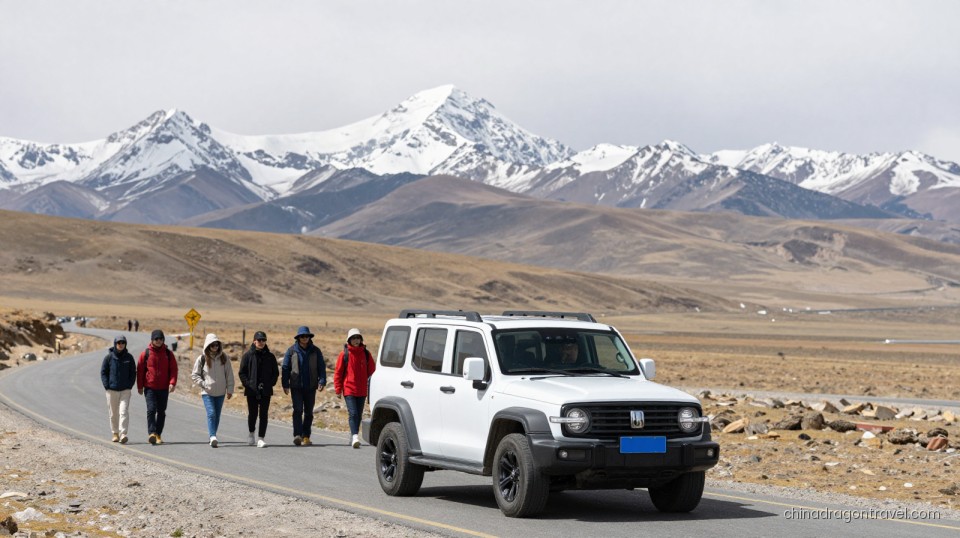
Vehicle choice is one of the most visible cost factors. A standard car can suit a small party on an established route, while a minivan offers more seats and room for bags. A larger group may need a bus. For rougher roads or more demanding itineraries, an appropriate four-wheel-drive vehicle may be recommended. The right choice depends on the actual route and conditions; paying for a larger vehicle than you need can add unnecessary expense.
Ask how many passengers the vehicle can carry comfortably with luggage, not just how many seats it has. At high altitude, a crowded cabin and limited space for bags can make long driving days harder. Confirm the vehicle’s condition, air conditioning, seat-belt availability, and whether the quoted model is guaranteed or only an example.
Route Length And Travel Duration
Longer routes mean more driving time, fuel, and operating days. A round trip to a distant destination can cost more than a simple point-to-point transfer because the driver and vehicle may need to return with the group or reposition for the next booking. Some routes also involve overnight stays and extra time for acclimatization or sightseeing.
Do not estimate cost from mileage alone. Mountain roads, checkpoints, weather, construction, and traffic can make travel slower than a map suggests. A realistic itinerary should allow reasonable driving hours and avoid promising that several distant stops can be completed in a single day.
Season And Demand
Prices can rise during busy travel periods when vehicle availability is limited. Demand often increases around major holidays and popular sightseeing months, while weather and road access affect some routes at other times of year. Book early if you need a particular vehicle, but confirm the cancellation terms and what happens if travel dates or local conditions change.
Seasonal pricing is not always a simple surcharge. A provider may have the same base rate but fewer vehicles available, or a package may change because accommodation and other services cost more. Ask whether the quote is valid for your dates and whether the operator can provide the vehicle described.
Fuel, Driver Expenses, And Other Charges
Fuel may be included, charged separately, or settled according to the itinerary. The same is true of parking fees, road-related charges, driver meals, and overnight accommodation. On some routes, the driver’s lodging is a significant practical cost because the traveler’s hotel may not be in a location where the driver can stay without charge.
Request a clear list of exclusions. Ask whether extra driving hours, itinerary changes, waiting time, and detours are billed separately. If the route passes through remote areas, check what happens if the trip is delayed by road closures or weather. A transparent quote should explain how such changes are handled rather than leaving them to be negotiated at the roadside.
Guide And Travel Arrangements
For foreign visitors, vehicle hire is usually not an independent substitute for the required travel arrangements. Tibet travel rules and permit procedures can vary by traveler and itinerary, so visitors should confirm current requirements with an authorized agency before booking. A licensed guide and the necessary permits may be part of an organized trip, and these services can affect the total price even though they are not vehicle expenses themselves.
Ask whether the quote includes the guide, permit processing, and any required local arrangements. Do not assume that a driver can replace a guide or that a vehicle booking alone authorizes travel to every destination. Requirements can differ by route and may change, so get confirmation for your exact dates and passport situation.
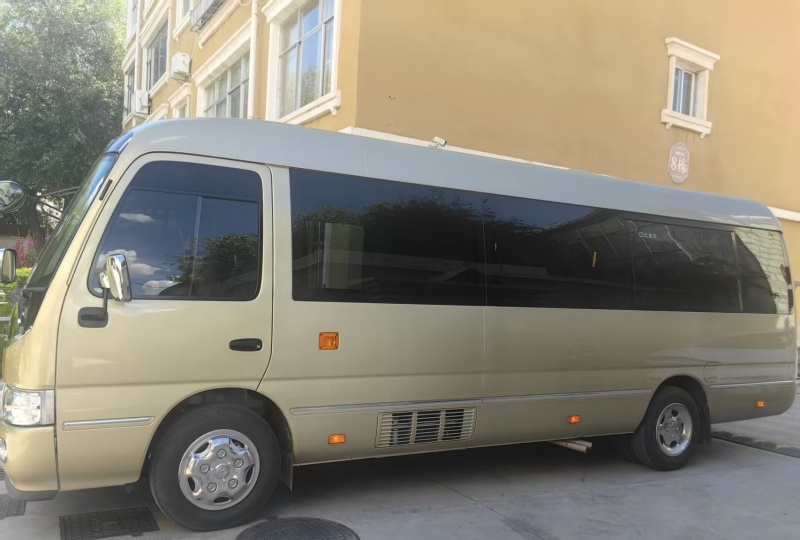
Toyota Coaster (17-seater)
Example Budgets By Trip Type
The examples below are intended to help with planning, not to predict a specific operator’s quote. Actual costs depend on dates, services, and route design. A complete package can include substantial expenses beyond transport, so treat the vehicle figure as one part of the trip budget.
Short Lhasa Sightseeing Stay
For a short stay based in Lhasa, travelers may arrange a vehicle for selected sightseeing days instead of keeping one throughout the visit. A small party taking local excursions can expect the transport component to vary with the vehicle type, the number of hours, and whether the driver remains with the group between stops. Airport or railway-station transfers may be priced separately or included in a package.
If you are booking through an agency, ask whether a sightseeing day includes a guide and whether tickets, meals, or hotel transfers are included. Paying for a vehicle all day may not be necessary if your plans are concentrated in the city and your accommodation is close to the places you intend to visit.
Lhasa To Shigatse And Nearby Stops
A multi-day journey from Lhasa toward Shigatse can involve a private vehicle for several days, with the total shaped by the itinerary and overnight arrangements. Stops, sightseeing time, and the return journey matter as much as the distance between the main cities. A group sharing the charter can make this option more cost-effective per person than it is for a solo traveler.
When requesting a quote, specify whether the plan includes the return to Lhasa, the driver’s overnight accommodation, fuel, and any stops you want to make. Confirm that the proposed route and schedule allow enough time for the places you intend to visit rather than relying on a broad “Lhasa to Shigatse” label.
Everest Base Camp Or A Remote Route
A journey toward Everest Base Camp or another remote destination typically costs more than a short city itinerary. It may require several days, a suitable vehicle, additional fuel, and careful planning around road access and altitude. The price can also reflect driver time and the logistics of operating far from major towns.
Check what the operator means by “Everest Base Camp” in the itinerary, as access points and overnight plans can differ. Ask whether the quote includes the required permits and guide arrangements, accommodation, meals, and any transport beyond the main road. Remote trips need sensible flexibility; an itinerary should account for possible delays rather than treating every journey time as certain.
Western Tibet Or Other Extended Expeditions
Long expeditions into western Tibet are a different category from ordinary sightseeing. They can involve many days on the road, extensive distances, limited services, and more complex permit and support arrangements. A standard daily charter estimate may not apply, and operators may price the trip as a complete expedition rather than as a simple vehicle rental.
For these itineraries, request a detailed proposal that identifies the vehicle, support services, route, planned overnight stops, fuel arrangements, and contingency provisions. Compare the overall plan and the operator’s experience with the route, not just the daily vehicle price. A very low quote may omit services that are essential to a safe and properly arranged journey.
How To Get A Clear And Fair Quote
Send the same information to each provider so their proposals can be compared. Include your travel dates, number of passengers, luggage, preferred destinations, trip length, and whether you want a private or shared arrangement. Mention any mobility needs and ask whether the vehicle can accommodate them. If your route is flexible, say so; an operator may be able to suggest a more efficient itinerary.
Ask for a written breakdown covering:
- Vehicle type, passenger capacity, and luggage space.
- Driver service and the number of days or hours included.
- Whether fuel, parking, driver meals, and overnight accommodation are covered.
- Guide services, permits, and other required travel arrangements.
- Accommodation, meals, tickets, and transfers, if part of the package.
- Charges for overtime, detours, waiting, or itinerary changes.
- Deposit, balance payment, cancellation policy, and refund conditions.
- The process for delays, road closures, or vehicle problems.
Check whether the quote is in US dollars, Chinese yuan, or another currency, and ask how payment is handled. Confirm whether taxes or transaction fees are included. Avoid paying a substantial deposit before you have a written itinerary, a clear list of services, and verifiable operator details.
It is also worth checking the practical terms: who will meet you, how the driver can be contacted, what type of vehicle is promised, and whether the operator can substitute another vehicle if needed. A responsible provider should be able to explain the plan in plain language and answer questions without pressuring you to book immediately.
Renting A Vehicle Without A Driver
Some travelers search for a self-drive rental because it seems cheaper or offers more independence. In Tibet, a foreign visitor should not assume that an ordinary rental-car arrangement is available or suitable. Travel rules, permits, insurance, route restrictions, and local requirements can make self-driving impractical, and the conditions of a high-altitude road trip call for careful preparation.
Before considering any self-drive option, confirm directly with an authorized agency and the rental provider whether your nationality, license, itinerary, and travel dates are eligible. Ask what insurance applies, where the vehicle may be driven, and what support is available in the event of a breakdown. Do not plan a trip on the assumption that a booking platform’s standard rental terms cover travel throughout Tibet.
For many visitors, a vehicle with a local driver is the more workable choice. The driver knows local roads and can manage the journey while travelers focus on the itinerary. This does not remove the need to confirm permits, guide requirements, insurance coverage, and the exact scope of the service.
Ways To Manage Transport Costs
Traveling with a group is the simplest way to spread a private charter cost. If you are comfortable sharing, look for a scheduled small-group tour with a clearly stated itinerary and passenger limit. Solo travelers can also ask an agency whether it has a confirmed departure with open seats, but check how the price changes if other participants cancel.
Keep the route realistic. Adding distant stops can increase both the number of vehicle days and the chance of schedule changes. Combine destinations that fit naturally together, and avoid paying for a vehicle to wait unused if a transfer or shorter booking would meet your needs.
Travel dates can affect availability, so compare a few date options if your schedule allows. Book early for popular periods, but do not treat an early-bird price as worthwhile unless the cancellation and amendment terms suit your plans. A modest difference in the vehicle quote may matter less than having a reliable itinerary and a clear understanding of what is included.
Finally, compare the cost per traveler as well as the total. A private vehicle may look expensive for one person but reasonable for a family or a group of friends. Conversely, a large vehicle is not automatically a good value if it is mostly empty or if extra services are charged separately.
Booking With China Dragon Travel
China Dragon Travel can help travelers plan a Tibet itinerary and arrange transport as part of a broader trip. When discussing a charter, provide your dates, group size, route ideas, and preferred level of flexibility. Ask for an itemized proposal that separates the vehicle and driver from guide services, permits, accommodation, meals, and other costs. This makes it easier to understand the total and decide which services you actually need.
Before confirming, review the itinerary, vehicle description, payment schedule, cancellation conditions, and rules for route changes. Ask the agency to confirm current travel requirements for your exact itinerary rather than relying on old information or assumptions. A detailed written quote is the best way to compare offers and avoid surprises after arrival.
Frequently Asked Questions
How much does it cost to charter a vehicle in Tibet?
A broad planning range for a private vehicle with a driver is about US$250–600 per day for a standard vehicle on common routes. Larger or more capable vehicles may cost US$500–1,000 or more per day. Actual quotes depend on the route, season, vehicle, and inclusions, so confirm the full price in writing.
Is it cheaper to join a shared tour or hire a private vehicle?
A shared tour is usually cheaper per person for solo travelers and couples because transport costs are divided among the group. A private charter offers more flexibility and can be economical when several people share the cost. Compare complete packages, including guide services and other required arrangements, rather than looking at transport alone.
Does a Tibet vehicle charter include fuel and the driver’s accommodation?
Sometimes, but not always. Quotes vary: some include fuel, parking, and the driver’s overnight costs, while others list these separately. Ask for an itemized breakdown and clarify how extra hours, detours, and delays are charged.
Can foreign visitors rent a car and drive themselves in Tibet?
Do not assume that a standard self-drive rental is available or permitted for your itinerary. Foreign travelers should confirm current requirements with an authorized agency and the rental provider, including permits, licensing, insurance, and route restrictions. Many visitors arrange a vehicle with a local driver.
When should I book a Tibet vehicle charter?
Book as soon as your dates and route are reasonably settled, especially for busy travel periods or a specific vehicle type. Before paying, obtain a written itinerary, confirm what the price includes, and read the deposit, cancellation, and change conditions.