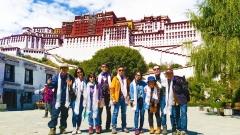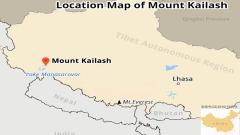

Tibet is an extraordinary destination for Singaporean travelers, with highlights ranging from the Potala Palace and Namtso Lake to Mount Everest and Mount Kailash. However, visiting Tibet involves additional travel requirements beyond those that apply to ordinary trips to mainland Chinese cities. Even if you qualify for China’s visa-free entry policy, you generally still need a Tibet Travel Permit before visiting the Tibet Autonomous Region.
Understanding the difference between China’s entry requirements and Tibet’s travel authorization is essential when planning your trip. You should also allow time to prepare the necessary documents, confirm your itinerary, and arrange transportation. This guide explains the Tibet Travel Permit process for Singaporean passport holders, including application requirements, travel arrangements, and common questions.
Key Points
- Tibet Travel Permit: Generally required for Singaporean visitors to Tibet.
- China Visa: Eligible Singapore passport holders may enter China visa-free for up to 30 days.
- Application: Arrange your Tibet Travel Permit through a qualified Tibet travel agency.
- Travel Arrangements: Foreign visitors generally need an organized itinerary and local travel services.
- Restricted Areas: Additional permits may be required for certain destinations.
Do Singaporeans Need a Tibet Travel Permit?
Yes. Singaporean travelers holding ordinary passports generally need a Tibet Travel Permit to visit the Tibet Autonomous Region. The permit is commonly known in the tourism industry as the Tibet Travel Permit or Tibet entry permit. It is separate from a Chinese visa, so qualifying for visa-free entry into mainland China does not automatically authorize you to travel to Tibet.
Under the China–Singapore mutual visa exemption arrangement, which took effect on February 9, 2024, eligible Singaporean ordinary passport holders can generally enter China visa-free for permitted purposes, including tourism, for stays of up to 30 days per visit. If your intended stay exceeds the permitted period or your purpose of travel falls outside the exemption, you should check whether a visa is required.
However, the visa exemption does not replace the Tibet Travel Permit. Singaporean visitors generally need to arrange the permit through a qualified Tibet travel agency and follow the applicable travel and reception requirements. If your trip also includes cities such as Beijing, Chengdu, or Shanghai, remember to consider your total stay in mainland China when planning your dates.

Tibet Travel Permit
Can Singaporeans Travel Independently in Tibet?
Singaporean passport holders generally cannot visit the Tibet Autonomous Region in the same completely independent way they might travel elsewhere. Foreign visitors are generally required to arrange their Tibet Travel Permit through an eligible travel agency and follow the applicable itinerary and local travel arrangements, which may include a guide and organized transportation.
This does not mean you must join a large group tour. If you prefer greater flexibility, a private tour can be arranged around your interests, accommodation preferences, sightseeing priorities, and available travel dates. Small-group tours may also be an option if you want to share transportation and tour costs with other travelers.
The requirements may differ for destinations outside the Tibet Autonomous Region, including some Tibetan cultural areas in other parts of China. When planning your trip, confirm whether each destination falls within the Tibet Autonomous Region and which travel rules apply to your particular route.
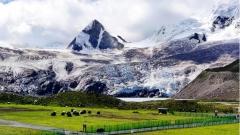
What Documents Do Singaporeans Need to Prepare to Obtain a Tibet Travel Permit?
Singaporean travelers generally need to provide passport information and details of their planned trip when arranging a Tibet Travel Permit. The exact requirements may vary depending on the itinerary, destination, and current application procedures. Your travel agency should confirm the latest document checklist.
Commonly requested information includes:
- Valid Singapore Passport: Provide a clear color scan or image of the passport’s personal information page, ensuring that the passport number, name, and expiry date are legible.
- Chinese Visa or Visa-Free Entry Details: Provide the relevant information so your travel agency can confirm the applicable entry arrangements.
- Travel Dates: Confirm your intended arrival and departure dates for Tibet.
- Detailed Itinerary: List the cities, attractions, and special areas you plan to visit.
- Transportation Information: Explain whether you intend to enter and leave Tibet by air, train, or another mode of transport.
- Additional Information: Supply any other documents or details requested during the application process.
Before submitting your documents, check that your passport information is clear and consistent with your booking details. If your travel dates are not finalized or you intend to visit Mount Everest, Ngari, or other special areas, discuss the route and any additional authorization requirements with your agency before completing the arrangements.
How to Apply for a Tibet Travel Permit for Singaporeans?
Confirm Your Travel Dates and Destinations
Start by deciding when you want to travel, how many days you have, and which destinations you hope to visit. If your itinerary includes Shigatse, Mount Everest, or Ngari, mention these places from the beginning so the agency can check whether additional permits or arrangements are necessary.
Choose a Tibet Travel Agency and Submit Your Documents
Once you have a preliminary itinerary, contact a travel agency experienced in arranging Tibet trips for international visitors. Submit your passport details and other requested information. The agency should explain the application requirements, the services included in your booking, the expected processing timeline, and the arrangements needed for your chosen route.
Have Your Travel Agency Arrange the Permit
After checking your information, the agency will submit the application through the applicable procedures and follow up on its progress. Processing times can vary depending on the travel season, review arrangements, document completeness, and destinations included in your itinerary. A particular number of working days should not be treated as a guaranteed processing time.
It is advisable to contact a travel agency at least 30 days before your intended departure. If you plan to travel during a busy season or visit destinations requiring additional authorization, allow more time for preparation. Confirm the expected timeline directly with your agency before making non-refundable bookings.
Confirm Your Permit and Transportation Arrangements
Once your permit has been approved, confirm how it will be provided and what documents your airline or railway operator requires. Document inspection procedures may vary by route and transportation provider, so do not assume that an electronic copy, printed document, or photocopy will be accepted in every situation.
Before purchasing non-refundable flights or train tickets, check the permit status and transportation requirements with your agency to reduce the risk of last-minute changes.
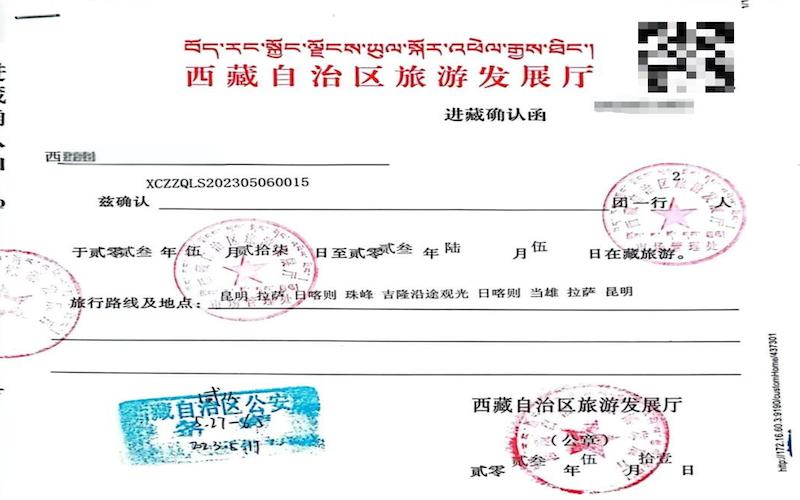
Tibet Travel Permit
Do You Need Additional Permits for Mount Everest or Ngari?
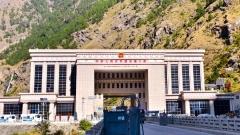
The Tibet Travel Permit does not necessarily cover access to every destination in Tibet. Travelers visiting Everest Base Camp, parts of Ngari, areas around Mount Kailash, or other locations subject to border controls may need a Border Pass or additional authorization.
Requirements depend on the specific destination, route, and regulations in effect at the time of travel. When discussing your itinerary with your agency, clearly identify the places you wish to visit and ask which documents are required, who will arrange them, and whether additional preparation time is necessary.
If your trip includes several remote destinations, verify the requirements for each one. Holding a Tibet Travel Permit does not automatically mean you can visit every location in the region without further approval.

Frequently Asked Questions About Tibet Travel for Singaporeans
Can Singaporeans Enter China Visa-Free and Travel to Tibet Without a Permit?
No. Eligible Singaporean ordinary passport holders may qualify for visa-free entry into mainland China, but the visa exemption does not replace the Tibet Travel Permit. Visitors to the Tibet Autonomous Region generally need to arrange the permit separately.
Can Singaporeans Apply for a Tibet Travel Permit Independently?
For ordinary tourism, foreign visitors generally need to arrange their Tibet Travel Permit through a qualified Tibet travel agency and comply with the applicable itinerary and local travel requirements. Simply submitting an application independently does not mean you can travel to Tibet without the required arrangements.
How Long Does It Take to Obtain a Tibet Travel Permit?
Processing times are not fixed. They can depend on the season, the completeness of your documents, the review process, and the destinations included in your itinerary. Contact your travel agency early and confirm the expected timeline before arranging transportation and accommodation.
Can I Change My Itinerary After the Permit Is Approved?
You should not make major changes to your approved travel dates or route without checking first. If you need to change your entry or departure city, travel dates, or planned destinations, contact your agency to determine whether your application details or other arrangements need to be updated.
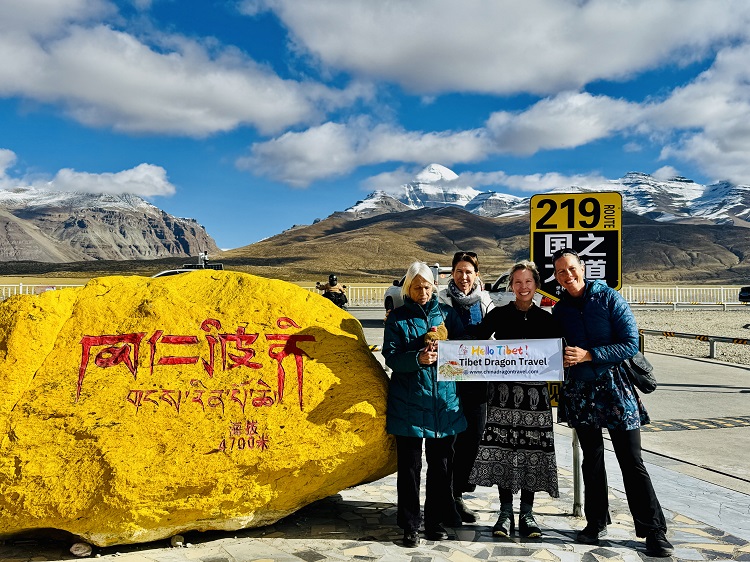
Tourists from China Dragon Travel posing for a photo at Mount Kailash
Plan Your Tibet Trip with China Dragon Travel
Singaporean travelers planning a Tibet trip should distinguish between China’s entry visa requirements and Tibet’s separate travel authorization requirements. Eligible Singaporean ordinary passport holders may qualify for visa-free entry into mainland China, but they generally still need a Tibet Travel Permit to visit the Tibet Autonomous Region. Additional permits may also be required for certain destinations, including parts of the Mount Everest and Ngari regions.
China Dragon Travel can help Singaporean travelers understand the Tibet Travel Permit application process, prepare the required information, and coordinate itineraries according to their travel dates, transportation preferences, and destinations. Whether you are visiting Lhasa for the first time or extending your journey to Namtso Lake, Mount Everest, or Mount Kailash, confirming the applicable document requirements and route arrangements early can make planning your Tibet adventure much easier.