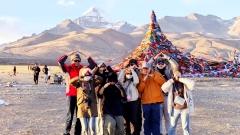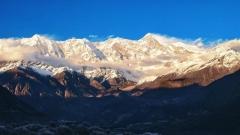

At 5,630 meters above sea level, Domala Pass is the highest point of the sacred Mount Kailash Kora. Also known as Dolma La Pass, it sits between Dirapuk and Zuthulpuk Monastery and is crossed on the second day of the classic three-day pilgrimage circuit.
This guide covers everything you need to know before attempting it — location, altitude, distance, difficulty, best season, and practical tips for a safe, successful crossing.
Quick Facts About Domala Pass
Before diving into the details, here’s a snapshot of the essentials:
- Location: On the Kailash Kora route, between Dirapuk and Zuthulpuk Monastery
- Altitude: 5,630 meters (18,471 feet), the highest point of the Kailash Kora
- Meaning in Tibetan: “Dolma” refers to Tara, the female Buddha of compassion and protection
- Difficulty: Moderate to challenging; porters available if needed
- Distance: Approximately 6 km from Dirapuk Monastery
- Nearby Highlights: The Dolma Stone, Gauri Kund, and countless prayer flag offerings
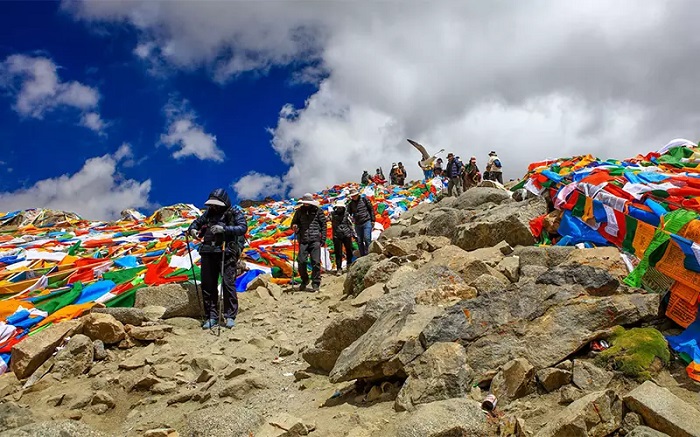
Dolma La Pass – Highest Point of Mt. Kailash Kora
Where Is Domala Pass Located?
Domala Pass is located in Ngari Prefecture, western Tibet, along the traditional pilgrimage route around Mount Kailash.
Geographically, the pass lies on the eastern side of Mount Kailash, connecting the northern and southern valleys surrounding the sacred mountain. The traditional Mount Kailash Kora follows a circular route around the mountain, and Domala Pass is located at the most elevated section of this journey.
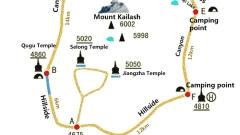
The classic 3-day Kailash Kora route is generally arranged as follows:
Day 1: Darchen To Dirapuk Monastery
The journey begins from Darchen, the small town located at an altitude of approximately 4,670 meters. After passing through Tarboche, pilgrims gradually enter the valley beneath the northern face of Mount Kailash and reach Dirapuk Monastery.Dirapuk is famous for offering one of the closest views of the northern face of Mount Kailash.
Altitude:
- Darchen: About 4,670 meters
- Dirapuk Monastery: About 5,210 meters
Day 2: Dirapuk Monastery To Domala Pass To Zuthulpuk Monastery
The second day is considered the most difficult and important section of the entire Kora. Travelers leave Dirapuk early in the morning and begin the gradual climb toward Domala Pass.
The route includes:
- A steady uphill climb
- Rocky mountain trails
- Thin air at extreme altitude
- The final steep section before reaching the pass
After reaching Domala Pass at 5,630 meters, travelers descend toward the southern valley and continue to Zuthulpuk Monastery.
Altitude:
- Dirapuk Monastery: About 5,210 meters
- Domala Pass: About 5,630 meters
- Zuthulpuk Monastery: About 4,835 meters
Day 3: Zuthulpuk Monastery To Darchen
The final day is comparatively easier. The trail gradually descends through the valley before returning to Darchen, completing the sacred Mount Kailash Kora.
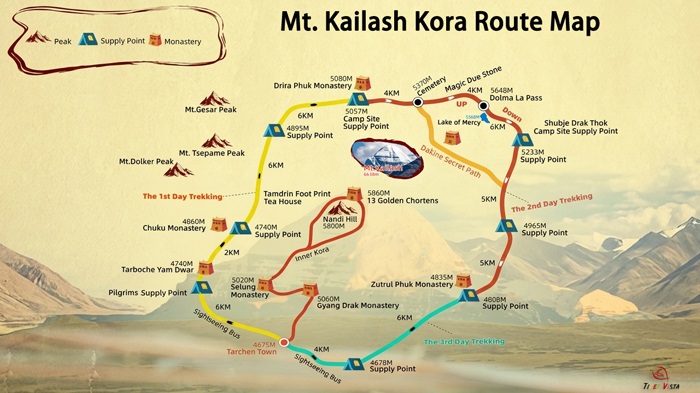
The Classic Mount Kailash Outer and Inner Kora Map
What Is The Altitude Of Domala Pass?
The altitude of Domala Pass is approximately: 5,630 meters (18,471 feet) above sea level. This makes it:
- The highest point of the Mount Kailash Kora
- Higher than Tibet Everest Base Camp (around 5,200 meters)
- One of the highest trekking passes regularly crossed by international travelers
At this altitude, oxygen levels are significantly lower than at sea level. The air contains roughly half the amount of oxygen compared with normal conditions. This is why even experienced hikers should not underestimate Domala Pass.
The challenge is not technical climbing. There are no rock climbing sections or professional mountaineering requirements. Instead, the difficulty comes from:
- High elevation
- Steep ascent
- Cold temperatures
- Physical exhaustion accumulated from the previous trekking day
With proper acclimatization and a slow walking pace, many international travelers successfully complete this sacred crossing every year.
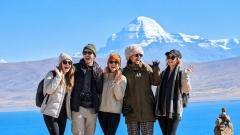
The Religious Significance Of Domala Pass
For pilgrims, Domala Pass is not simply the highest point of a trekking route. It is one of the most spiritually meaningful locations around Mount Kailash.
The word “Dolma” refers to Tara, a female Buddha associated with compassion, protection, and overcoming suffering.
In Tibetan Buddhist tradition, Tara is believed to protect living beings from fear, danger, and difficulties.
Therefore, reaching Dolma La Pass represents more than physical achievement. It symbolizes:
- Overcoming personal struggles
- Leaving behind negative experiences
- Receiving spiritual protection
- Beginning a new stage of life
Many Tibetan pilgrims believe that completing the Mount Kailash Kora can accumulate positive karma and bring spiritual purification.
Because Domala Pass is the highest and most difficult point of the journey, crossing it is often considered the most meaningful moment of the entire pilgrimage.
Legends And Stories Of Dolma La Pass
Like many sacred places in Tibet, Domala Pass is surrounded by ancient legends.
One famous story is connected with Milarepa, one of Tibet’s most respected Buddhist masters and meditation practitioners.
According to Tibetan traditions, Milarepa used his spiritual wisdom and meditation abilities to overcome obstacles and defeat negative forces near Mount Kailash. These stories symbolize the triumph of wisdom and compassion over fear and suffering.
Another belief among pilgrims is that Dolma La Pass acts as a spiritual gateway. By crossing the pass with sincere faith and a peaceful mind, travelers can experience personal transformation.
For many pilgrims, the difficult climb is itself part of the spiritual practice.
The physical hardship becomes a reminder of patience, determination, and inner strength.
Dirapuk Monastery To Domala Pass Distance: How Far Is The Climb?
For most travelers completing the Mount Kailash Kora, the section from Dirapuk Monastery to Domala Pass (Dolma La Pass) is the most physically demanding part of the entire pilgrimage.
The direct distance from Dirapuk Monastery to Domala Pass is approximately 6 kilometers, but the difficulty is not determined only by distance. The challenge comes from the continuous uphill climb, extreme altitude, and reduced oxygen levels.
Starting from Dirapuk Monastery at around 5,210 meters, travelers need to gain more than 400 meters in elevation before reaching the top of Domala Pass at 5,630 meters.
Although 6 kilometers may seem short compared with normal hiking distances, walking at above 5,000 meters requires much more energy. Many travelers who can easily complete a 10–15 kilometer hike at lower elevations find this section surprisingly challenging.
Most visitors start early in the morning from Dirapuk Monastery. Depending on physical condition, weather, and walking speed, it usually takes around 3 to 4 hours to reach Domala Pass.
The final section before reaching the pass is usually the hardest part. The trail becomes steeper, and travelers often need to slow down, take frequent breaks, and focus on steady breathing.
A common saying among Kailash pilgrims is:“The goal is not to reach the pass quickly, but to reach it safely.”
At this altitude, patience is more important than speed.
Dirapuk To Domala Pass Trekking Overview
| Section | Altitude Change | Difficulty |
|---|---|---|
| Dirapuk Monastery → Domala Pass (6 km) | 5,210m → 5,630m | Steep uphill climb; the most challenging section of the Kailash Kora |
| Domala Pass → Zuthulpuk Monastery (15 km) | 5,630m → 4,835m | Long downhill route with steep descents and rocky trails |
After reaching Domala Pass, travelers continue downhill toward Zuthulpuk Monastery.
Although the descent does not require as much cardiovascular effort as climbing, it can still be physically demanding because of:
- Uneven rocky paths
- Steep downhill sections
- Tired legs after reaching the highest point
- Possible knee pressure
Using trekking poles is highly recommended, especially during the descent.
How Difficult Is Crossing Domala Pass?
Crossing Domala Pass is considered the most challenging part of the Mount Kailash Kora. However, it is important to understand that this is not a technical mountain climb.
You do not need:
- Professional mountaineering experience
- Rock climbing skills
- Special climbing equipment
The main challenges are related to altitude and endurance. The difficulty level is generally considered: Moderate to challenging. The main factors include:
High Altitude Environment
At 5,630 meters, Domala Pass is located in an extreme high-altitude environment. Possible symptoms of altitude sickness include:
- Headache
- Shortness of breath
- Faster heartbeat
- Fatigue
- Dizziness
- Difficulty sleeping
Every traveler reacts differently to altitude. Some people feel comfortable, while others may need more time to adjust. This is why proper acclimatization before starting the Kailash Kora is extremely important.
Steep Mountain Trail
The climb from Dirapuk to Domala Pass is continuous. Unlike ordinary hiking trails where you can easily maintain your normal walking rhythm, high-altitude trekking requires:
- Slow steps
- Frequent rests
- Controlled breathing
- Avoiding unnecessary effort
Many experienced travelers follow the “slow but steady” method. Walking too fast can quickly cause exhaustion because your body consumes more oxygen at high altitude.
Unpredictable Weather Conditions
Weather around Mount Kailash can change rapidly. Even during the summer travel season, travelers may experience:
- Strong winds
- Sudden temperature drops
- Light snowfall
- Cloudy conditions
The weather at Domala Pass can feel much colder than lower areas because of the altitude and wind exposure. A waterproof and windproof outer layer is essential.
Do I Need A Porter, Horse Or Yak To Cross Domala Pass?
Many international travelers ask whether they need additional assistance to complete the Domala Pass crossing. The answer depends on your physical condition, luggage amount, and trekking experience.
For most healthy travelers who have properly acclimatized in Tibet, a porter or horse is not absolutely necessary. With the support of an experienced local guide, a reasonable pace, and proper preparation, many first-time trekkers successfully complete this section. During our Mount Kailash tours, China Dragon Travel usually arranges experienced Tibetan guides and local helpers to support the group. They help maintain the walking pace, monitor travelers’ conditions, and provide assistance whenever needed.
However, hiring additional support can make the journey more comfortable.
Hiring A Horse
A horse can be a good option for travelers who:
- Are worried about physical strength
- Have difficulty walking long distances
- Want extra support during the climb
Horses are usually available before reaching Domala Pass. However, because some downhill sections after the pass are steep and rocky, horses may not always be suitable for the entire route. Approximate horse rental: Around RMB 410 per day.
Hiring A Yak
Yaks are another traditional transportation option around Mount Kailash. They are especially useful for carrying:
- Large backpacks
- Camping equipment
- Heavy luggage
Approximate yak rental: Around RMB 340 per day.
Additional yak keeper fee: Around RMB 380 per day.
Hiring A Porter
Porters are often chosen by travelers who want to reduce physical pressure. A porter can carry:
- Personal luggage
- Trekking bags
- Heavy equipment
Approximate porter cost: Around RMB 330 per day.
For travelers carrying only a small backpack, a porter may not be necessary. But for longer Kailash journeys, especially those involving more equipment, this service can significantly improve comfort.
What Can You See And Experience At Domala Pass?
Reaching Domala Pass is not only about standing at the highest point of the Mount Kailash Kora.
The pass itself is a place filled with religious symbols, ancient traditions, and powerful spiritual atmosphere.
Many travelers remember Domala Pass not because of the physical challenge, but because of the unique experiences they encounter there.
The Sacred Dolma Stone
One of the most important landmarks near Domala Pass is the Dolma Stone. According to Tibetan Buddhist traditions, this area is connected with Tara (Dolma), the Buddha of compassion and protection. Many pilgrims stop near the stone to:
- Pray for blessings
- Leave offerings
- Hang prayer flags
- Express gratitude
For religious travelers, this moment is deeply meaningful because they have completed the hardest section of their pilgrimage.
Gauri Kund: The Lake Of Compassion
Below Domala Pass lies Gauri Kund, also known as the Lake of Compassion. Although the lake is small and located below the main trail, it holds great religious significance. According to Hindu traditions, Gauri Kund is associated with Goddess Parvati. Many pilgrims consider this sacred lake an important spiritual site during their Mount Kailash journey.
The contrast between the turquoise-colored water, surrounding snow-covered mountains, and high-altitude landscape creates one of the most memorable scenes along the Kora route.
Prayer Flags And Mani Stones At Domala Pass
One of the most recognizable features of Domala Pass is the colorful Tibetan prayer flags covering the mountain pass. These flags are traditionally believed to spread prayers and blessings through the wind. The five colors represent different elements:
- Blue: Sky
- White: Air
- Red: Fire
- Green: Water
- Yellow: Earth
Walking through thousands of fluttering prayer flags at 5,630 meters creates an unforgettable atmosphere. Travelers can also see many Mani stones along the Kailash Kora route.
These stones are carved with sacred Buddhist mantras, especially:“Om Mani Padme Hum”. Pilgrims believe that these sacred carvings carry blessings and spiritual power.
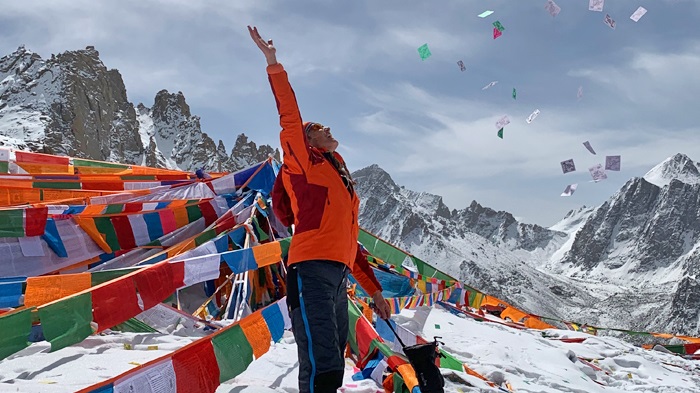
Dolma La Pass
Witnessing Tibetan Pilgrims At Domala Pass
One of the most unforgettable experiences at Domala Pass is meeting Tibetan pilgrims. Some pilgrims complete the entire Mount Kailash Kora through full-body prostrations.
This means they:
- Kneel down
- Bow forward
- Stand up
- Move forward a short distance
- Repeat the process continuously
For these pilgrims, the journey is not about adventure or sightseeing. It is an expression of deep faith and devotion. Many international travelers are deeply moved when witnessing this powerful spiritual practice.
Best Time To Cross Domala Pass
Choosing the right season is one of the most important factors for successfully completing the Domala Pass crossing. Due to its extreme altitude and remote location, weather conditions around Mount Kailash can change quickly.
The best time to cross Domala Pass (Dolma La Pass) is generally from late April to October, when the weather is relatively stable and the traditional Kailash Kora route is accessible. Each season offers a different travel experience.
Late April To June: Clear Views And Fewer Travelers
Spring is one of the most beautiful periods to visit Mount Kailash. During this time, the weather is usually dry, the skies are often clear, and travelers can enjoy excellent views of the sacred mountain.
Advantages of traveling during spring include:
- Clear mountain views
- Fewer tourists compared with summer
- Comfortable trekking conditions
- Strong spiritual atmosphere during pilgrimage periods
Around June, many Tibetan pilgrims travel to Mount Kailash for the Saga Dawa Festival, one of the most important Buddhist festivals in Tibet. During this period, visitors may witness traditional ceremonies, prayer activities, and large numbers of pilgrims completing the Kora.
For travelers interested in Tibetan culture and religious traditions, this can be one of the most meaningful times to experience Domala Pass.
July To August: Warmer Weather And Peak Travel Season
Summer is the busiest travel season for the Mount Kailash Kora. The biggest advantages of traveling during this period are:
- Warmer temperatures
- More stable transportation conditions
- Longer daylight hours
- Easier trekking conditions
However, summer also brings some challenges. The region may experience occasional rainfall, which can make sections of the trekking trail muddy or slippery.
Travelers should prepare:
- Waterproof jackets
- Rain covers for backpacks
- Waterproof hiking shoes
Although summer has more visitors, the remote environment around Mount Kailash still feels peaceful compared with many popular tourist destinations.
September To October: The Best Overall Conditions
Many experienced travelers consider early autumn the ideal season for crossing Domala Pass.
During September and October:
- The weather is generally dry
- The sky is clearer
- Mountain views are spectacular
- The number of travelers decreases after summer
The golden autumn light creates beautiful scenery around Mount Kailash, and the trekking conditions are often excellent. For international travelers who want the best balance between weather, scenery, and comfort, autumn is usually the top choice.
November To Early April: Not Recommended For Domala Pass
Winter around Mount Kailash is extremely cold and challenging.
During this period:
- Heavy snowfall may occur
- Domala Pass can become inaccessible
- Hotels and restaurants operate with limited services
- Trekking conditions become much more difficult
The traditional Kailash Kora is generally not suitable during the harsh winter months. Travelers visiting Tibet in winter can consider other cultural destinations such as Lhasa, Shigatse, and Yamdrok Lake instead.
Essential Tips For Successfully Crossing Domala Pass
Although Domala Pass is challenging, proper preparation can greatly improve your experience.
Every year, many international travelers successfully complete this sacred mountain crossing with good planning, appropriate equipment, and a positive mindset.
Here are the most important tips.
Walk Slowly And Maintain A Comfortable Pace
This is the most important rule when crossing Domala Pass. At 5,630 meters, your body receives much less oxygen than at sea level. Trying to walk too fast can quickly lead to exhaustion.
Instead:
- Take small steps
- Maintain steady breathing
- Rest whenever necessary
- Do not compete with other travelers
The goal is not to arrive first. The goal is to complete the journey safely and enjoy the experience.
Acclimatize Before Starting The Kailash Kora
Proper acclimatization is essential. Many travelers arrive in western Tibet after visiting lower-altitude areas such as Lhasa or Shigatse. A good Tibet itinerary usually allows time for your body to adjust gradually. Before starting the Kailash Kora, travelers should:
- Spend several days in Tibet
- Avoid intense exercise immediately after arrival
- Drink enough water
- Get sufficient sleep
Rushing directly from a low-altitude area to Mount Kailash increases the chance of experiencing altitude-related discomfort.
Bring Proper High-Altitude Trekking Equipment
The environment around Domala Pass is very different from ordinary hiking destinations.
Essential items include:
Clothing
- Warm down jacket
- Windproof outer jacket
- Thermal underwear
- Fleece layer
- Gloves
- Warm hat
Hiking Equipment
- Comfortable hiking shoes
- Trekking poles
- Sunglasses
- Sunscreen
- Water bottle
- Backpack rain cover
Health Supplies
- Personal medication
- Basic first-aid supplies
- Energy snacks
- Lip balm
The sun at high altitude is extremely strong, and wind exposure can quickly make travelers feel cold. Proper preparation makes a significant difference.
Keep Your Backpack Lightweight
One common mistake among first-time Kailash trekkers is carrying too much luggage. Remember that every extra kilogram becomes much heavier at high altitude. During the Kora, only carry essential items:
- Water
- Camera
- Warm layers
- Personal medication
- Snacks
Large luggage can be transported separately or carried by porters, horses, or yaks. A lighter backpack allows you to focus on the journey itself.
Follow Your Local Tibetan Guide’s Advice
Experienced local guides are extremely valuable during the Domala Pass crossing.
They understand:
- Weather changes
- Trail conditions
- Altitude challenges
- Local customs
A professional guide can help monitor your condition and adjust the walking pace when necessary.
At China Dragon Travel, our Mount Kailash tours are supported by experienced Tibetan guides and local staff who understand the challenges of high-altitude trekking.
We focus not only on completing the route but also on making the journey safe, comfortable, and meaningful for international travelers.
Recommended Mount Kailash Tour Including Domala Pass
For travelers who want to experience Domala Pass, the most popular option is a complete Mount Kailash and Lake Manasarovar tour.
A classic route combines:
- Lhasa cultural exploration
- Gyantse and Shigatse sightseeing
- Everest Base Camp visit
- Saga highland landscapes
- Mount Kailash Kora
- Lake Manasarovar pilgrimage
- Return journey through western Tibet
China Dragon Travel offers carefully designed Kailash tours for international travelers, including:
- Tibet Travel Permit assistance
- Transportation arrangements
- Experienced English-speaking guides
- Accommodation booking
- Kailash Kora support services
Our popular itinerary:
Frequently Asked Questions About Domala Pass
What Is The Altitude Of Domala Pass?
Domala Pass is approximately 5,630 meters (18,471 feet) above sea level. It is the highest point of the Mount Kailash Kora and one of the highest trekking passes regularly crossed by international travelers.
Where Is Domala Pass Located?
Domala Pass is located in Ngari Prefecture, western Tibet, on the traditional Mount Kailash Kora route. It lies between:
- Dirapuk Monastery on the northern side
- Zuthulpuk Monastery on the southern side
Travelers usually cross the pass on the second day of the traditional three-day Kora.
How Far Is Domala Pass From Dirapuk Monastery?
The distance from Dirapuk Monastery to Domala Pass is approximately 6 kilometers. Although the distance is relatively short, it is considered the most difficult section because of the steep climb and extreme altitude.
Is Domala Pass Higher Than Everest Base Camp?
Yes. Domala Pass at approximately 5,630 meters is higher than Tibet Everest Base Camp, which is located around 5,200 meters. This is one reason why crossing Domala Pass is considered such a challenging and memorable experience.
Do I Need A Horse Or Porter To Cross Domala Pass?
Most physically fit travelers do not require a horse or porter if they have properly acclimatized. However, hiring assistance can be helpful if:
- You carry heavy luggage
- You are concerned about endurance
- You prefer a more comfortable trekking experience
Porters, horses, and yaks are available along the Kailash route.
Can Beginners Complete Domala Pass?
Yes. Beginners can successfully complete Domala Pass if they:
- Are physically prepared
- Allow enough time for acclimatization
- Walk slowly
- Follow their guide’s instructions
No technical climbing skills are required.
What Is The Best Time To Cross Domala Pass?
The best time is generally from late April to October. Among these months, September and October are often considered ideal because of:
- Stable weather
- Clear skies
- Beautiful mountain views
- Fewer travelers
Domala Pass, The Ultimate Challenge Of Mount Kailash Kora
Domala Pass is much more than the highest point of the Mount Kailash Kora. At 5,630 meters above sea level, it represents the physical challenge, spiritual devotion, and unforgettable beauty of the Tibetan plateau.
For pilgrims, crossing Dolma La Pass symbolizes overcoming difficulties and receiving blessings from Tara, the Buddha of compassion. For adventure travelers, it offers one of the most remarkable high-altitude trekking experiences in Tibet.
Standing among colorful prayer flags, sacred Mani stones, and breathtaking Himalayan landscapes, reaching Domala Pass becomes a memory that lasts a lifetime. However, successfully completing this journey requires careful preparation, proper acclimatization, and professional support.
China Dragon Travel specializes in Tibet tours for international travelers, offering Mount Kailash Kora journeys, Tibet permit assistance, experienced local guides, and personalized travel services. Whether you are seeking a spiritual pilgrimage, a high-altitude adventure, or a deeper connection with Tibetan culture, our team can help you safely and comfortably experience the legendary Domala Pass and the sacred Mount Kailash region.