
For many travelers dreaming of seeing Mount Everest, one question comes up early in the planning process: Should you visit Everest Base Camp in Tibet or Nepal?
Although both destinations offer unforgettable views of the world’s highest mountain, the experiences are completely different. One emphasizes accessibility, panoramic Everest views, and overland travel across the Tibetan Plateau. The other is famous for trekking, mountain villages, and a physically demanding Himalayan adventure.
This guide compares Everest Base Camp in Tibet vs Nepal, including scenery, accessibility, altitude, trekking difficulty, costs, permits, accommodations, and who each route is best suited for.
What Is the Main Difference Between Tibet and Nepal Everest Base Camp?
The biggest difference is simple:
Tibet Everest Base Camp is primarily a road-access experience, while Nepal Everest Base Camp is a trekking experience.
In Tibet, travelers can reach Everest Base Camp by vehicle through a multi-day overland route from Lhasa, making it possible to see Everest without long-distance hiking.
In Nepal, reaching Everest Base Camp requires a trek lasting around 10–14 days, usually beginning after a flight to Lukla.
This difference alone often determines which option travelers choose.
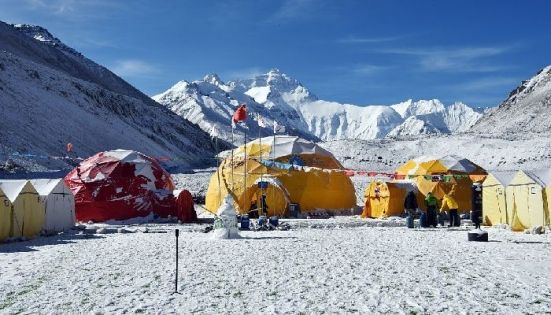
Everest Base Camp Tents
Everest Views: Which Side Has Better Mountain Scenery?
If your priority is seeing Mount Everest itself, many travelers consider the Tibet side superior.
Tibet: Closer and More Open Everest Views
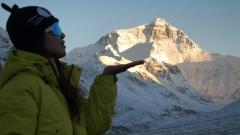
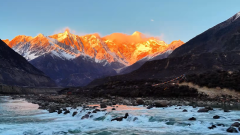
From Tibet’s north face, Everest appears dramatic, massive, and visually dominant.
At Tibet Everest Base Camp, travelers can often enjoy:
- Wide panoramic views
- Direct visibility of Everest summit
- Sunrise and sunset mountain scenery
- Clear photography opportunities
Because the plateau landscape is open, Everest feels visually larger and less obstructed.
Nepal: More Trekking Atmosphere Than Direct Everest Views
In Nepal, the trekking journey is often the highlight rather than the base camp itself.
Surprisingly, Everest is not constantly visible during the trek. In many sections, surrounding Himalayan peaks partially block views.
The most famous Everest panorama is often from Kala Patthar, not necessarily Everest Base Camp itself.
However, Nepal offers:
- Dramatic mountain villages
- Suspension bridges
- Himalayan trekking culture
- Continuous alpine scenery
Trekking Difficulty: Which Is Easier?
Tibet: Easier for Non-Trekkers
Tibet Everest Base Camp is significantly easier physically.
Travelers usually:
- Drive from Lhasa
- Gradually acclimatize across Tibet
- Walk only short distances near base camp
This makes Tibet suitable for:
- Older travelers
- Families
- First-time high-altitude visitors
- Travelers with limited trekking ability

Nepal: Physically Demanding
Nepal Everest Base Camp requires sustained hiking at altitude.
Typical trek conditions include:
- Multiple days of hiking
- Steep uphill sections
- Basic tea-house accommodations
- Long walking hours
Although no technical climbing is required, the trek can be physically exhausting.
This route suits travelers seeking an active adventure rather than sightseeing.
Altitude: Which Side Feels Harder?
Altitude affects travelers differently, but the experience varies.
Tibet
Tibet Everest Base Camp sits at approximately 5,200 meters.
However, travelers usually acclimatize gradually by traveling through places like:
- Lhasa (3,650m)
- Shigatse (around 3,800m)
This slower ascent often helps reduce altitude stress.
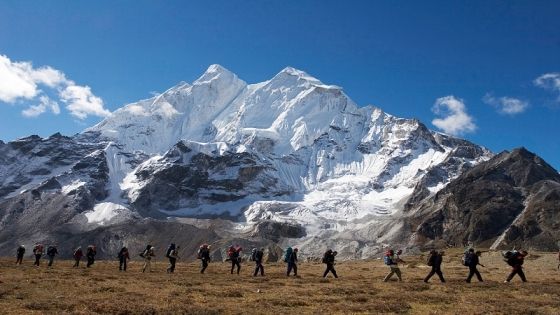
Mount Everest
Nepal
Nepal trekkers climb gradually on foot, which also supports acclimatization.
However, because trekking is physically demanding, altitude fatigue can feel stronger for some people.
Nepal Everest Base Camp reaches around 5,364 meters, slightly higher than Tibet.
Time Required: Which Option Fits Shorter Trips?
Tibet: Better for Limited Time
Many Tibet Everest Base Camp itineraries take:
- 7–8 days from Lhasa
- 8–10 days combined with cultural sightseeing
Travelers can include monasteries, Yamdrok Lake, and Tibetan culture along the route.
Nepal: Requires More Time
Nepal Everest Base Camp typically requires:
- 12–16 days total
- Trek preparation and buffer days
Weather delays at Lukla Airport may also affect schedules.
For travelers with limited vacation time, Nepal can feel less practical.
Accommodation and Comfort
Tibet
Accommodation is relatively basic near Everest Base Camp but generally easier than trekking conditions.
Travelers stay in:
- Guesthouses
- Rongbuk Monastery lodges
- Seasonal tent accommodations
Private transport and hotel stays during most of the route improve comfort.
Nepal
Accommodation consists mainly of mountain tea houses.
Expect:
- Simple rooms
- Shared bathrooms
- Limited heating
- Minimal facilities at higher elevations
Comfort decreases as altitude increases.
Costs: Which Is More Expensive?
Costs depend on travel style.
Tibet Costs
Usually include:
- Tibet permits
- Vehicle transport
- Guide services
- Accommodation
Organized tours are mandatory for foreign travelers.
Nepal Costs
Usually include:
- Flights to Lukla
- Trekking permits
- Porters or guides (optional but common)
- Accommodation and meals
Longer trip duration often increases total spending.
Overall costs can be comparable depending on travel style.
Who Should Choose Tibet Everest Base Camp?
Tibet is ideal for travelers who:
- Want easier access to Everest
- Prefer scenic overland journeys
- Enjoy culture and monasteries
- Have limited travel time
- Do not want multi-day trekking
It is especially suitable for travelers interested in combining Everest with a broader Tibet experience.
Who Should Choose Nepal Everest Base Camp?
Nepal is ideal for travelers who:
- Love trekking and physical challenges
- Want a Himalayan adventure experience
- Enjoy mountain hiking culture
- Have sufficient time available
- Prefer immersive trekking journeys
For many trekkers, the process matters as much as reaching Everest.
Planning Your Everest Journey
Whether choosing Tibet or Nepal, preparation matters.
Travelers should consider:
- Physical condition
- Time available
- Travel goals
- Altitude tolerance
- Budget expectations
For travelers wanting panoramic Everest views with easier access and Tibetan cultural experiences, Tibet often becomes the preferred choice.
China Dragon Travel provides customized Tibet Everest Base Camp tours including permits, transportation, accommodations, and overland itineraries designed for comfortable high-altitude travel.
Which Everest Base Camp Experience Fits Your Travel Style?
Neither option is universally “better”—they are simply different.
Nepal offers adventure, trekking, and immersion in Himalayan mountain life.
Tibet offers accessibility, dramatic Everest scenery, and a broader cultural journey across the Tibetan Plateau.
The best choice depends on what kind of travel experience you want Mount Everest to become.