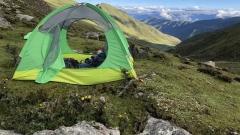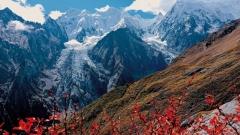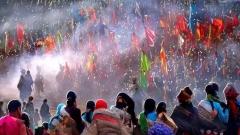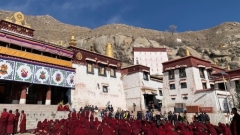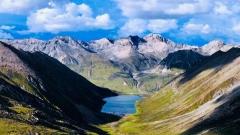

Travelling from Lhasa to Mount Everest Base Camp is a well-known long-distance plateau route. This trip covers a long distance, ascending gradually from river valleys to high-altitude mountainous areas with vast altitude differences and diverse natural landscapes. In 2026, local transport departments have continuously maintained and renovated roads along the route, effectively upgrading the traffic efficiency of major roads. Nonetheless, influenced by unique plateau terrain and changeable weather, road conditions and driving difficulty vary greatly in different sections. Prior knowledge of actual road situations and traffic regulations will ensure a smooth and pleasant journey.
Overview of Road Conditions Along the Route from Lhasa to EBC
- Terrain Characteristics: The route stretches from flat urban areas to mountain valleys and high-altitude passes with steadily rising altitudes. It features numerous long uphill and downhill sections, bringing noticeable fluctuations during driving.
- Plateau Climate Features: There is a sharp temperature difference between day and night, accompanied by strong mountain winds. The local weather changes abruptly, and sudden weather shifts can quickly alter road surface conditions and affect driving safety.
- Road Surface Overview: Major arterial roads are paved with standard asphalt for steady driving. Some mountain side roads near Everest remain rugged gravel and bumpy roads, resulting in distinct driving comfort differences.
- Seasonal Traffic Features: Spring and summer witness mild weather, broad vision and slightly moist road surfaces. In autumn and winter, temperatures plunge at high-altitude passes where frost and ice easily form, forcing drivers to slow down cautiously.
- Traffic Volume: Tourist peaks bring heavier traffic flow, causing temporary slowdowns at viewing spots and mountain passes. Traffic remains light and unobstructed during off-seasons.
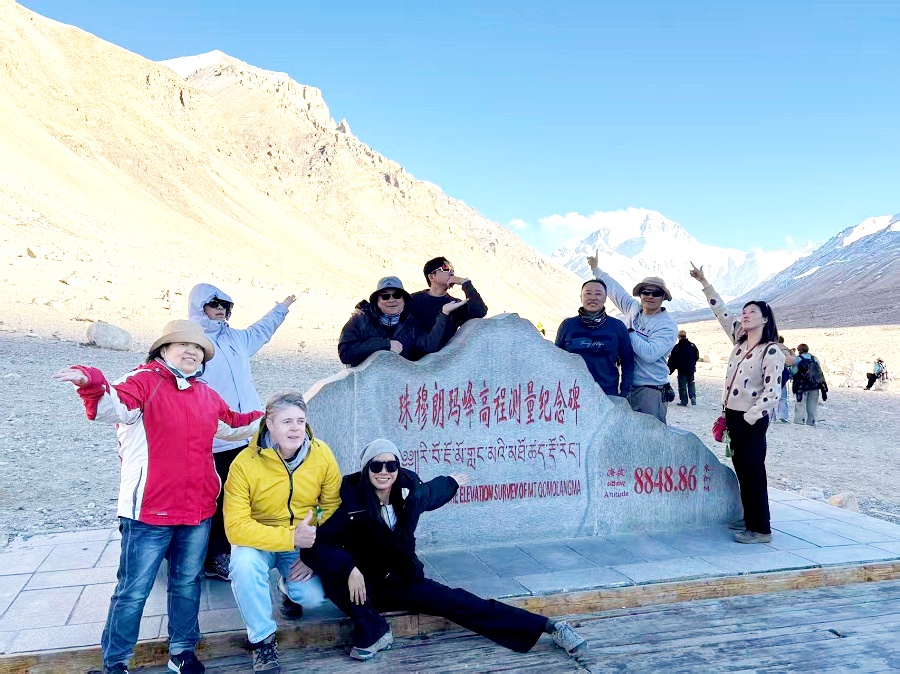
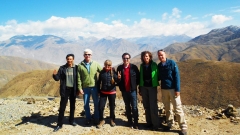
Tourist Photos of Mount Everest
Traffic Conditions from Lhasa to Shigatse
- Overall Road Surface: All roads have been fully maintained and renovated with neat lanes and intact pavements, delivering superior driving comfort.
- Traffic Control Rules: Speed cameras including interval speed detectors are widely installed along the route. Drivers shall strictly follow speed limits to pass all traffic control points smoothly.
- Winding Road Features: The section along Yamdrok Lake consists of numerous continuous curves and gentle slopes. Some roads lie close to mountains and lake surfaces, so drivers need to steer steadily and drive slowly for safe passage.
- Roadside Service Facilities: Towns are densely distributed along the route with adequate gas stations for convenient refueling. Official designated viewing parking areas are available for short stops and rest.
- Driving Gradient: This section has gentle slopes without steep inclines, ensuring stable vehicle power output and low driving pressure.
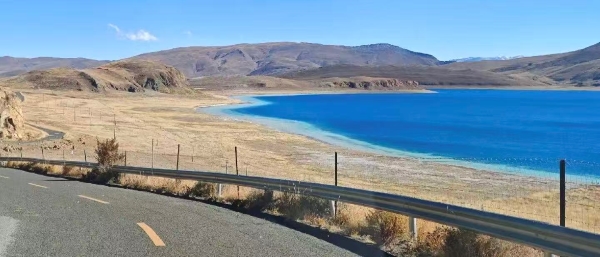
Section along Yamdrok Lake
Traffic Conditions from Shigatse to Tingri
- Main Road Status: The national highway from Shigatse to Lazi maintains stable and smooth traffic in good order. Road depressions and minor damages on the road from Lazi to Tingri have been fully repaired under special renovation projects in 2026, greatly improving driving experience.
- Altitude Variation: The altitude rises continuously along the way, lowering oxygen content gradually and causing slight power loss of vehicles. Drivers are advised to keep a constant speed and avoid frequent acceleration and deceleration.
- Key Transit Hub: Lazi acts as a vital mid-way transit hub with complete supporting facilities, ideal for refueling and resting to relieve driving fatigue.
- Overall Travel Pace: This section has little external traffic disturbance with a relaxed driving rhythm, allowing travelers to adapt to rising altitudes step by step.
- Travel Duration: The driving time of this section is moderate without prolonged non-stop driving, forming a reasonable travel schedule.
Traffic Conditions from Tingri to Mount Everest Base Camp
- Front Road Surface: Roads from Tingri County to Zaxizong Town become uneven with continuous undulating and bumpy surfaces. Drivers have to reduce speed obviously to ensure stable driving.
- High-altitude Pass Features: The winding roads at Gyawula Pass boast steep slopes and dense curves with huge altitude drops, ranking as the most challenging section of the whole route. Full concentration is required when passing through here.
- Seasonal Road Changes: Roads tend to get waterlogged and slippery in rainy summer and autumn. Frost lingers for a long time on shaded road surfaces in cold seasons, bringing prominent hidden dangers to driving. Real-time weather forecast checking is recommended before departure.
- Terminal Traffic Regulations: Unified standardized traffic management has been implemented around Mount Everest in 2026. All private vehicles are only allowed to park at designated transfer centers instead of entering the core scenic zone directly. Visitors need to take official scenic shuttle buses to reach viewing spots.
- Roadside Checkpoints: Multiple regular traffic checkpoints are set along this border area. Cooperation in routine inspections ensures smooth travel without schedule delays.
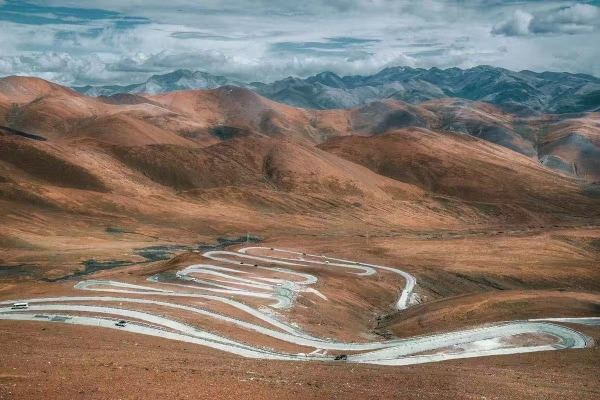
Winding Roads at Gyawula Pass
Reasonable Travel Schedule Arrangement
- Early-stage Arrangement: Roads from Lhasa to Shigatse are smooth and unobstructed with low driving pressure. Travelers may drive at a steady pace and enjoy plateau scenery casually to start the journey pleasantly.
- Mid-stage Arrangement: As altitudes keep rising from Shigatse to Tingri, people may feel slight physical discomfort. It is suggested to shorten non-stop driving time and take more short breaks to adapt to the plateau environment gradually.
- Later-stage Arrangement: Roads near Everest are rugged and curvy at high altitudes with increased driving difficulty. It is better to travel in broad daylight at low speed, avoiding early frosty mornings and dark nights.
- Overall Schedule Planning: Make flexible and loose travel plans instead of rushing for destinations. Arrange daily trips according to actual road conditions to keep stable physical and mental states.
- Return Trip Advice: The return journey consists of numerous long downhill winding roads. Control vehicle speed in advance and never coast in neutral gear to finish the return trip safely and steadily.
Standard Driving Rules to Follow
- Speed Control: Keep a steady normal speed on flat asphalt roads and slow down timely on bumpy, gravel and steep curved roads. Refuse reckless speeding on slopes and curves to maintain stable driving rhythm.
- Adverse Weather Handling: Reduce driving speed and extend safe following distance in windy, rainy or snowy weather. Turn on vehicle lights in foggy mountain passes to raise visibility and avoid random overtaking and lane changing.
- Driving Fatigue Control: Long-distance driving on the plateau easily leads to mental tiredness. Take regular rests in standard parking areas to stay sober and eliminate potential risks caused by fatigue driving.
- Parking Rules: Random roadside parking and parking near cliff edges are strictly prohibited. All sightseeing, photographing and rest activities shall be conducted in official standard parking zones to maintain good traffic order.
- Night Driving Reminder: Poor visibility, potential road hazards and easy frost formation at night raise driving risks sharply in plateau mountain areas. Avoid long-distance night driving as much as possible.
The Road to Everest Requires More Preparation Than Most Travelers Expect
Traveling from Lhasa to Everest Base Camp is not simply a long-distance road trip. What makes this route unique is the constant adjustment to altitude, weather, road conditions, and physical endurance as the landscape gradually rises into the Himalayan plateau. Although road improvements in recent years have made large parts of the journey significantly smoother, the final sections near Tingri and the mountain passes still require careful driving, patience, and realistic pacing.
For first-time Tibet travelers especially, the experience is often much more enjoyable when transportation, timing, altitude adaptation, and overnight stops are planned properly instead of rushing through the route. This is why many visitors choose experienced local Tibet operators such as China Dragon Travel, whose teams are familiar with seasonal road conditions, permit procedures, altitude management, and the constantly changing realities of the Everest route. With the right preparation and a more flexible travel rhythm, the road to Everest becomes far more than a challenging drive — it becomes one of the most unforgettable high-altitude journeys in the world.