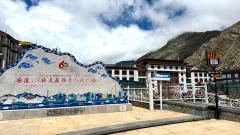
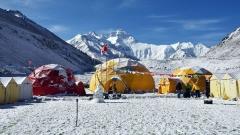
The train journey to Tibet can take anywhere from about 21 hours to more than 50 hours, depending on where you board, which service you choose, and whether you travel directly to Lhasa or change trains along the way. The most familiar route runs from Xining across the Qinghai–Tibet Railway, while trains from Beijing, Shanghai, Chengdu, Guangzhou, and other cities cover much longer distances before reaching the plateau. A timetable gives you a useful starting point, but it does not tell the whole story: departure schedules can change, some routes require a transfer, and high-altitude travel makes pacing important. If you are asking how long does the train journey to Tibet take, the practical answer is to allow at least a full day from western China and two days or more from many eastern and southern gateways.
Key Points
- The Xining–Lhasa section takes roughly 20–22 hours on many services, making Xining one of the most practical places to board for the plateau crossing.
- Direct trains from major cities usually take longer: approximately 40 hours from Beijing, around 45 hours from Shanghai, and close to 36 hours from Chengdu, though schedules and service patterns vary.
- Some travelers take a train to Xining and transfer to a Lhasa-bound service; the total trip depends on how long you wait between trains.
- Train duration is only one part of the plan. Build in time for station transfers, possible schedule changes, and acclimatization after arrival in Lhasa.
- Check current timetables and ticket availability before setting your itinerary. Routes, departure days, and journey times can change.
How Long Does the Train Journey to Tibet Take?
For most travelers, a useful way to estimate the journey is to separate it into two parts: the time spent reaching the Qinghai–Tibet Railway and the time spent crossing the plateau to Lhasa. From Xining, the rail journey to Lhasa generally takes about 20 to 22 hours. From cities farther east or south, the train first travels across mainland China, so the complete trip may take 30 to more than 50 hours.
Typical direct journey times often fall into these broad ranges:
| Departure city | Time | Planning note |
|---|---|---|
| Xining | About 20–22 hours | The main plateau section begins here |
| Lanzhou | About 24–26 hours | A western-China option with a shorter approach than eastern gateways |
| Chengdu | About 35–38 hours | A long journey; check whether the service is direct on your date |
| Beijing | About 40–42 hours | Direct services may be available, but schedules can vary |
| Shanghai | About 44–47 hours | A long cross-country ride with limited time for breaks off the train |
| Guangzhou | About 53–56 hours | One of the longest common rail approaches to Lhasa |
These figures are planning estimates, not guaranteed timetable durations. The exact arrival time depends on the particular service, operating schedule, and date. Some trains run directly to Lhasa, while other itineraries require a change at a hub such as Xining. When comparing options, look at the complete door-to-door journey rather than the train’s advertised travel time alone.
A direct train can be appealing because you stay on the same service, but it is not automatically the fastest or most comfortable choice. A flight to Xining followed by a train, or a train journey that begins in Xining, may reduce the time spent traveling overland. On the other hand, a direct departure from your home city avoids arranging a separate connection. The best choice depends on your schedule, budget, and preference for a gradual approach to altitude.
The Xining–Lhasa Journey: The Essential Plateau Section
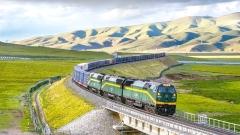
The Qinghai–Tibet Railway reaches Lhasa from Xining, a major transport hub in Qinghai Province. The section between the two cities is about 1,956 kilometers long and typically takes around 20–22 hours by train. It crosses high, open terrain and reaches very high elevations along the way, including the Tanggula Pass area. The railway’s altitude is one reason the trip is memorable, but it is also why travelers should think about health and acclimatization rather than treating the ride as an ordinary overnight train.
Many services stop at stations along the route, including places in Qinghai and Tibet. Stops provide a glimpse of the plateau landscape, but they are generally brief and do not function as sightseeing breaks. Passengers should follow crew instructions and avoid leaving the platform unless the train staff clearly permit it. The most practical way to enjoy the scenery is from your seat: keep your camera ready, take breaks from looking at a screen, and bring layers because the temperature and light can change considerably across the route.
Xining is often a convenient boarding point for travelers who want to experience the plateau railway without spending two days or more on a train from eastern China. It also gives you the option to stay overnight before departure, which can make a connection less stressful. A separate ticket, however, creates a connection risk: if your first service is delayed, you could miss the train to Lhasa. If you choose separate bookings, leave a generous buffer or arrive in Xining the day before.
The train does not make the elevation easy for everyone. Many travelers feel well, while others may develop symptoms associated with altitude, such as headache, poor sleep, nausea, or shortness of breath. The oxygen supply arrangements on board are intended to support passengers in the high-altitude environment, but they are not a substitute for medical advice or a reason to ignore symptoms. If you have a health condition that could be affected by altitude, consult a qualified clinician before travel. After arriving, plan a gentle first day in Lhasa and avoid strenuous activity while your body adjusts.
Journey Times From Major Chinese Cities
From Beijing
The rail journey from Beijing to Lhasa commonly takes around 40–42 hours, depending on the service and timetable. It is a substantial cross-country trip, but it allows you to board in the capital and remain on the train for the main journey. Travelers who value the gradual change in scenery may enjoy the experience; those with limited vacation time may prefer to fly to a western gateway and continue by rail from there.
Before booking, verify the train’s actual departure and arrival times for your travel date. A journey that takes roughly 40 hours still uses much of two calendar days, and the departure time affects how many nights you spend on board. Consider whether you want a hard sleeper or soft sleeper for a long trip, and make sure your arrival day leaves time to rest rather than immediately beginning a demanding tour.
From Shanghai
A train from Shanghai to Lhasa generally takes about 44–47 hours. This is one of the longest commonly discussed routes, so comfort and preparation matter more than on a shorter rail segment. Bring medication you normally use, a refillable water bottle, snacks that suit your diet, earplugs, a sleep mask, and a small supply of toiletries. Keep valuables and travel documents secure, and make sure essentials are easy to reach without unpacking your entire bag.
If the main goal is to reach Tibet rather than to spend time on a long rail journey, compare the train with a flight to Xining or another suitable departure city. A shorter rail segment can preserve the plateau experience while reducing the time required. This approach adds a transfer and may not work well if flight schedules or ticket availability are limited, so compare the full itinerary before deciding.
From Chengdu
The journey from Chengdu to Lhasa often takes around 35–38 hours, but direct service patterns and departure dates can vary. Chengdu is a natural starting point for travelers exploring Sichuan before heading to Tibet. If your itinerary includes several days in the city, you may find it convenient to continue by train rather than return to an airport.
Check whether the itinerary shown for your date is direct or involves a transfer. If you need to change trains, include the connection time in your calculation and confirm that the stations and tickets match. A planned transfer should not be treated as a few spare minutes: stations can be busy, and a late arrival can disrupt the rest of the trip.
From Lanzhou
From Lanzhou, a train to Lhasa typically takes about 24–26 hours. Its location in northwest China makes it a useful alternative to beginning in a far eastern city. Travelers already visiting Gansu may be able to add Tibet without returning east, although the exact route and service availability should be checked for the intended date.
Lanzhou can also be considered alongside Xining. The best departure point is not simply the one with the shortest quoted time; it is the one that fits your preceding itinerary and gives you a reliable connection. Look at the time needed to reach the station, the gap between any connecting services, and whether you need an overnight stay.
From Guangzhou and Other Southern Cities
From Guangzhou, the train journey is usually around 53–56 hours, making it a particularly long rail option. Travelers from other southern cities may need to connect through a major rail hub, and the total duration will depend on the transfer. For a trip of this length, compare the price and convenience of a direct rail itinerary with flying part of the way and boarding the plateau train in Xining.
Avoid planning a tight arrival schedule after a long train ride. Delays, fatigue, and the need to adjust to the altitude can all affect how much you can comfortably do on your first day. If you have a fixed tour departure or onward transport, try to arrive with enough margin to manage a change without losing the whole plan.
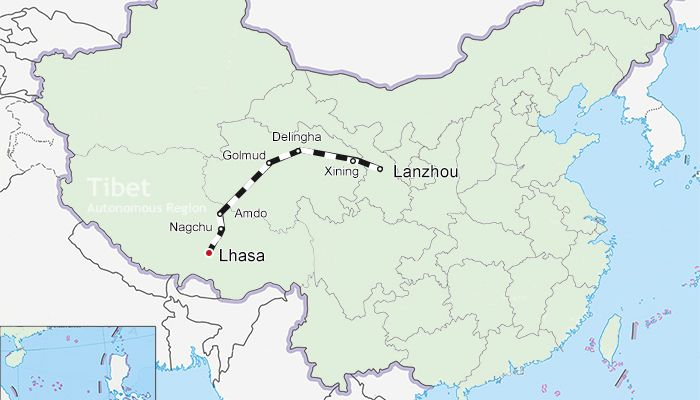
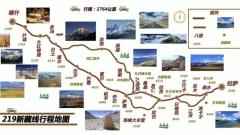
Lanzhou to Lhasa Train Route Map
Direct Train or Transfer at Xining?
A direct train is straightforward: you board once and stay on the same service until Lhasa. It can be a good fit for travelers who want to avoid airport transfers and enjoy a continuous overland journey. The trade-off is time. Starting in Beijing, Shanghai, or Guangzhou means spending many hours crossing China before the train reaches the plateau section.
A transfer at Xining can shorten the rail portion from your boarding point to Lhasa, particularly if you reach Xining by air or by a separate train. It also gives you more control over how you divide the journey. You might arrive a day early, rest in the city, then board the Lhasa-bound train. This is less rushed than attempting a same-day connection, but requires an extra hotel night and careful coordination between tickets.
When comparing the options, consider these factors:
- Total travel time: Count the first leg, waiting time, and the Xining–Lhasa train together.
- Connection protection: Separate tickets may not protect you if a delay causes you to miss the next train.
- Rest: A night in Xining can make a long itinerary easier to manage, but it adds time and cost.
- Altitude exposure: Xining is already at a high elevation. Travelers who are sensitive to altitude should consider this when choosing how long to stay and when to seek medical guidance.
- Ticket availability: Popular departures can sell out, and the available schedule may not match your preferred transfer plan.
There is no universally best option. If you enjoy long-distance rail travel and have enough time, a direct train can be the central experience of the trip. If you are short on days, a flight to a western gateway followed by the plateau train may be more practical, provided the connection is reliable and the overall plan leaves time to rest.
What Makes the Journey Seem Longer or Shorter?
The published duration is only one measure of the trip. Several practical details affect how long the journey feels and how much of your itinerary it occupies.
Timetables and Operating Patterns
Train schedules are not identical every day, and services may change. A route that appears direct in a general guide may not operate in the same way on every date. Always confirm the current timetable through an official booking channel or a trusted travel provider before committing to hotels, tours, or onward transport. Treat online estimates as a guide until you have confirmed the actual service.
Transfers and Station Time
A transfer adds more than the time shown between arrival and departure. You may need to find the correct platform, pass station checks, handle luggage, or adapt to a delay. If you are buying separate tickets, an overnight connection is often less stressful than a short same-day gap. When a same-day connection is unavoidable, leave a substantial margin and understand what alternatives exist if the first leg is late.
Sleep and Onboard Comfort
Two nights in a sleeper carriage can feel very different from two nights at home. Hard sleepers are generally more affordable and place several berths in an open compartment, while soft sleepers offer a more private arrangement where available. Availability and carriage layouts vary by train. For a long ride, choose based on your need for privacy, sleep, budget, and tolerance for shared space rather than assuming the cheapest ticket will suit everyone.
Pack a light layer, comfortable clothes, basic toiletries, tissues, hand sanitizer, a power bank where permitted, and snacks. Keep your passport and ticket accessible. Hot water is commonly available on Chinese trains, but food choices may not match every dietary requirement, so bring suitable provisions. Keep noise low in shared sleeping areas and be considerate of other passengers.
Arrival and Acclimatization
The train may arrive in Lhasa after a long period at altitude. Your travel day does not end when you step off the platform: you still need to collect your bags, meet any arranged transport, and reach your accommodation. Build in time to hydrate, eat lightly if that feels comfortable, and rest. A slow first day is usually a more sensible plan than scheduling a strenuous hike or a packed sightseeing program immediately after arrival.

Tibet Train Drinking Water Dispensers
Is the Train a Good Way to Reach Tibet?
The train is a strong choice for travelers who enjoy overland journeys, want to see the landscape change gradually, or prefer arriving in Lhasa by rail. The route offers a distinctive view of the plateau, and the long journey can be part of the trip rather than simply a way to get there. It also avoids the need to fly directly to Lhasa, though it does not eliminate the effects of altitude.
It may be less suitable if you have a tight schedule, find overnight travel difficult, or need a predictable arrival time for a fixed commitment. A long-distance train can be tiring, and an itinerary with multiple connections is vulnerable to disruption. In those cases, flying for part of the route and using the train for the Xining–Lhasa section may provide a compromise.
The decision should be based on more than scenery. Consider your health, travel pace, sleep needs, budget, and the number of days available. If you have previously experienced significant altitude symptoms or have a condition that could be affected by high elevation, discuss your plans with a medical professional. Do not rely on the train’s onboard facilities as a substitute for individualized medical advice.
Practical Planning Tips Before You Book
Confirm the Full Route
Check the origin, destination, train number, departure date, and whether a transfer is required. Make sure every leg appears on the same itinerary if you expect a protected connection. If booking separate tickets, allow enough time for delays and consider spending a night at the transfer city.
Book With a Realistic Schedule
Ticket release practices and availability can change, so use the current official booking system or a reputable booking service for the latest details. Avoid arranging a nonrefundable activity immediately after your expected arrival. A buffer is especially useful if you are traveling during a busy period or connecting from another city.
Choose a Sleeper With Your Needs in Mind
For a journey longer than a day, sleeping arrangements can significantly affect your experience. Review the berth type and carriage layout before purchasing. If you are a light sleeper, bring earplugs and an eye mask. If you need easier access to the aisle or facilities, consider how the berth position may affect you and ask a knowledgeable booking agent if the layout is unclear.
Pack for a Long Ride
Carry drinking water, easy-to-eat food, personal medication, a warm layer, and basic hygiene items. Keep your phone, documents, and valuables with you rather than placing them in an inaccessible bag. Use charging opportunities sensibly and bring a power bank only in accordance with current transport rules. Store luggage so that it does not block the aisle or other passengers’ access.
Plan the First Day in Lhasa Carefully
After arrival, make your first activities light. Arrange transport to your accommodation in advance if that helps you avoid confusion, and keep the day flexible. Avoid heavy exertion until you understand how your body is responding to the altitude. Seek medical help if symptoms are severe, worsening, or concerning.
How China Dragon Travel Can Help?
China Dragon Travel can help travelers compare possible routes to Tibet, coordinate rail and overland arrangements, and shape an itinerary around the time available. If you are unsure whether to travel directly from a major city or connect through Xining, ask for a route comparison that includes the full journey, transfer time, accommodation needs, and arrival-day schedule. A well-planned itinerary should make the train duration clear while leaving room for rest and changes in service availability.
When requesting assistance, share your preferred travel dates, starting city, number of travelers, comfort preferences, and any fixed onward plans. Ask which details are confirmed and which may depend on ticket release or timetable changes. This helps you compare practical options without treating an approximate journey time as a guaranteed arrival schedule.
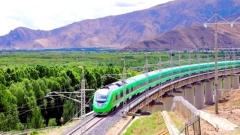
Planning Around the Train Journey
The clearest short answer is that the train journey to Tibet takes about 20–22 hours from Xining and roughly 24–56 hours from common departure cities elsewhere in China. Your exact duration depends on the origin, service, transfer arrangements, and travel date. Before booking, verify the current schedule, calculate door-to-door time, and leave enough room for a connection and a gentle first day in Lhasa. With those details settled, you can choose between a long direct ride and a shorter approach through Xining based on the kind of journey you want.