The documents you need for a train journey to Tibet depend on your citizenship or residency status, your route, and the places you plan to visit after arriving. For many mainland Chinese travelers, a valid national ID card is the essential document. Travelers from Hong Kong and Macau generally use a Mainland Travel Permit, while Taiwan residents and international visitors usually need additional arrangements, including a Tibet Travel Permit. Those heading to Mount Everest or certain border areas may need further permits.
It helps to distinguish between documents required to board the train and those required to enter or travel around Tibet. A valid identity document may be enough to purchase a ticket and pass train-station checks, but it does not necessarily grant permission to visit every destination in the region. Check requirements for your specific itinerary before booking, and allow time for any permit application that must be handled by a travel agency.
Documents Required by Traveler Type
Mainland Chinese citizens
Mainland Chinese citizens generally need a valid national ID card for a train journey to Tibet. The ID is used for ticketing and identity checks at the station, and it is typically sufficient for travel into Tibet. Keep the original card accessible throughout the journey rather than packing it in checked luggage or storing it in a place that is difficult to reach.
Check that your card will remain valid for the full trip and that the personal details on your ticket match the information on the ID. If your ID card is lost, expired, or unavailable, contact the railway operator or station before travel to ask what alternative identity documents can be accepted. Do not assume that a photograph or photocopy will substitute for the original.
A separate Tibet Travel Permit is generally not required for mainland Chinese citizens. However, an ID card alone may not be enough for every restricted destination. Trips to Mount Everest, sensitive border areas, or other controlled locations can involve additional permits or local procedures. Confirm these requirements when planning your route, especially if your itinerary goes beyond the main urban and tourist areas.
Residents of Hong Kong and Macau
Residents of Hong Kong and Macau typically use a valid Mainland Travel Permit for Hong Kong and Macau Residents, commonly called a Home Return Permit, for the train journey and travel into Tibet. Carry the original permit and make sure it is valid for the intended travel dates. The name and document details used for ticketing should correspond to the permit presented at the station.
A separate Tibet Travel Permit is generally not required for Hong Kong and Macau residents under the usual arrangements. This does not automatically remove the need for permits to visit restricted destinations. If your itinerary includes Mount Everest or a border region, ask the travel provider or relevant authorities whether extra permissions apply to your route.
If your permit is being renewed, damaged, or replaced, verify the acceptable travel document with the railway operator before purchasing a ticket. Requirements can depend on the document you hold and the current procedures in place, so it is safer to confirm rather than rely on another traveler’s experience.
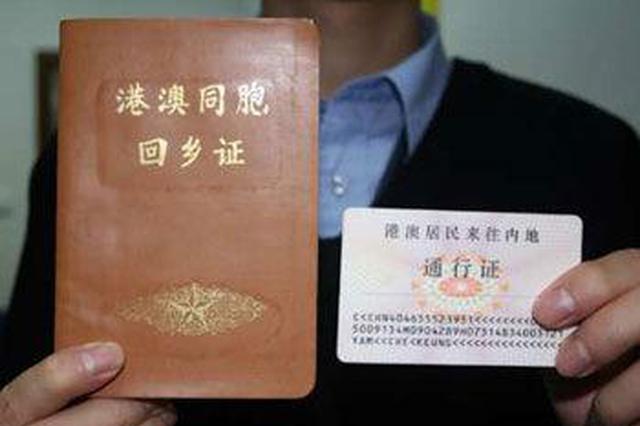
Mainland Travel Permit (Home Return Permit)
Residents of Taiwan
Taiwan residents generally need a valid Mainland Travel Permit for Taiwan Residents, often called a Tai-bao-zheng, for travel to mainland China. A Tibet Travel Permit is usually also required for a visit to Tibet. This permit must be arranged in advance through a travel agency; travelers should not expect to obtain it at the station or after arriving in Tibet.
Because the permit process is tied to the planned trip, contact a travel agency that handles Tibet arrangements before finalizing your itinerary. The agency can explain what personal information and supporting documents are needed, how the application fits the travel dates, and whether the route includes destinations that require further permits. Leave a buffer for processing and avoid making non-refundable plans on the assumption that approval will be immediate.
Carry the original travel document used for the application, along with the approved Tibet Travel Permit and any other documents your agency tells you to bring. Check that the details on the permit match your identity document and that the dates and itinerary correspond to your bookings. If your travel dates or route change, tell the agency promptly so it can advise whether the permit needs to be updated.
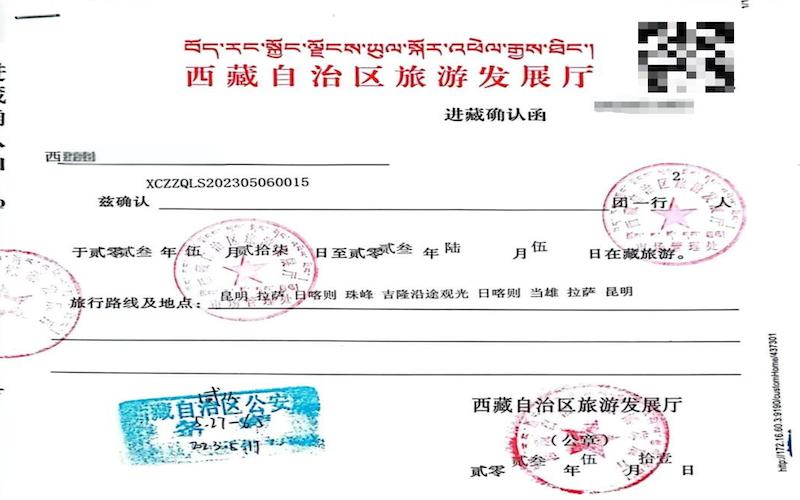
Tibet Travel Permit
International tourists
International visitors generally need a valid passport and a Tibet Travel Permit arranged in advance. The permit is normally organized through a travel agency, and an individual traveler should plan this step before traveling to Tibet rather than treating it as a last-minute station requirement. The agency can advise which information is required and how the permit relates to the itinerary.
Visa requirements are separate from Tibet permit requirements. Some nationalities may be eligible to enter China without a visa under a visa-exemption arrangement, while other travelers need a valid Chinese visa. A visa exemption does not, by itself, replace the Tibet Travel Permit. For example, visitors from countries such as Singapore or Malaysia may be covered by an applicable visa-exemption policy, but they should still confirm the rules that apply to their passport, trip length, entry route, and travel dates.
Before departure, check that your passport is valid for the full trip and that the passport details used for travel arrangements are accurate. Keep your passport and the approved Tibet Travel Permit available during station checks and while traveling. Your travel agency may also give you instructions about when and how to present the permit, so follow the arrangements provided for your specific booking.
If you hold a passport from a country with a visa-exemption agreement, do not infer eligibility from nationality alone. Exemptions can be subject to conditions, such as the purpose and length of stay, and policies can change. Verify the current entry rules through an official channel before departure. The passport and the Tibet Travel Permit serve different purposes, and travelers should prepare for both requirements where applicable.
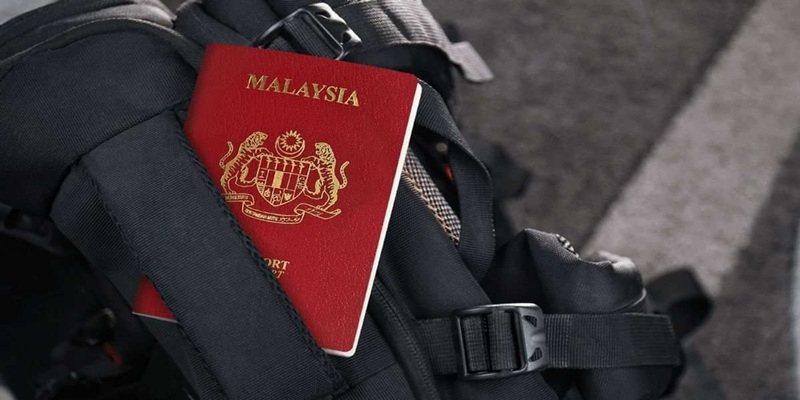
Malaysian Passport
Train Boarding Documents and Tibet Travel Permits Are Different
A common source of confusion is the difference between the document used to board the train and the permission needed to visit Tibet. A railway ticket is linked to an accepted identity document. Station staff may check the original document against the ticket before allowing a passenger to enter the platform or board. The exact document depends on the traveler’s status.
The Tibet Travel Permit, by contrast, is a travel authorization associated with access to Tibet for travelers who need one. It is not simply another form of train ticket, and having a train reservation does not prove that you have permission to travel in the region. Similarly, a passport or national ID card does not automatically replace a required Tibet Travel Permit.
Keep these items organized separately: your ticket or booking details, your identity document, your Tibet Travel Permit if applicable, and any additional permits for restricted destinations. A digital copy can be useful as a backup, but it should not be treated as a replacement for an original document when an original is required. Ask your railway operator and travel agency which documents must be shown in person.
At the station, arrive with enough time for identity checks and boarding procedures. Keep documents in a secure, easy-to-reach pocket or travel wallet, and avoid handing them over to anyone whose role you cannot verify. If there is a discrepancy in a name, document number, or booking record, contact the ticket provider before travel; resolving it at the station may be difficult.
Additional Permits for Mount Everest and Border Regions
A standard Tibet Travel Permit may not cover every place on an itinerary. Mount Everest and some border areas can require additional permits or local approvals. The specific requirements depend on the destination, route, traveler status, and current access arrangements. A permit for travel to Tibet should therefore not be assumed to grant unrestricted access across the region.
Tell your travel agency all the places you intend to visit when arranging your trip. This is particularly important if you plan to go to Everest Base Camp, travel close to an international border, or include remote areas in your route. The agency can check whether extra documentation is needed and whether the itinerary must follow a particular route or be handled by an authorized local provider.
Do not wait until you reach Tibet to ask about restricted destinations. Access arrangements may need to be organized before departure, and a late change of route could affect the feasibility of a visit. If you decide to add a destination after permits have been arranged, ask the agency to confirm whether your existing documents remain valid or whether additional approval is required.

Border Defense Permit
When to Arrange Your Documents?
For mainland Chinese citizens and Hong Kong or Macau residents, the main preparation is to check that the appropriate identity document is valid and matches the train booking. Do this before buying tickets and again before leaving home. If you are unsure whether a document is acceptable, ask the railway operator rather than relying on informal advice.
Taiwan residents and international tourists should begin the Tibet Travel Permit process well before their planned departure. Contact a travel agency with your intended dates and route, then follow its instructions on forms and supporting documents. The appropriate lead time can vary, so ask the agency how far in advance it recommends applying and whether your itinerary requires extra permits.
Plan the train booking and permit process together. The train date, entry arrangements, and approved itinerary should fit one another. Avoid assuming that a permit can be transferred to a different traveler or used for a substantially changed route. If you need to change your travel dates, confirm the effect on both your train ticket and permits before making further bookings.
Practical Document Checklist
Before leaving for the station, use this checklist as a starting point:
- Mainland Chinese citizen: valid national ID card and train ticket or booking details.
- Hong Kong or Macau resident: valid Mainland Travel Permit for Hong Kong and Macau Residents, commonly called a Home Return Permit, and train ticket or booking details.
- Taiwan resident: valid Mainland Travel Permit for Taiwan Residents, usually a Tibet Travel Permit arranged through a travel agency, and train ticket or booking details.
- International tourist: valid passport, a Chinese visa if required for your circumstances, a Tibet Travel Permit arranged in advance, and train ticket or booking details.
- Travelers visiting Mount Everest or border areas: any additional permits confirmed for the exact itinerary.
Keep originals accessible and store copies separately as a backup. Make sure names and document numbers match the booking records, and confirm whether any permit must be carried in a particular format. If a travel agency is managing your Tibet arrangements, save its contact details and keep its instructions with your travel documents.

Common Mistakes to Avoid
One frequent mistake is assuming that everyone needs the same set of documents. Requirements differ by traveler status: a mainland Chinese national ID card, a Home Return Permit, a Tai-bao-zheng, and an international passport are not interchangeable. Check the requirements that apply to your own documents, not just those listed for another passenger.
Another mistake is treating a Chinese visa and a Tibet Travel Permit as the same thing. A visa, when required, concerns entry to China. A Tibet Travel Permit is a separate travel authorization for Tibet. Visa-exempt travelers should still check whether they need a Tibet Travel Permit, and travelers with a Chinese visa should not assume that the visa alone authorizes the Tibet portion of a trip.
Some visitors also assume that a permit for Tibet covers every attraction or border destination. It may not. Confirm additional requirements for Mount Everest and restricted areas when you design the itinerary. If you are traveling with a group or agency, make sure the approved route includes the places you intend to see.
Finally, do not rely on outdated online posts or a past trip as definitive proof of current rules. Entry policies, permit procedures, and railway checks can change. Verify your specific situation with the railway operator, your travel agency, and the relevant official channels shortly before departure. Preparing the correct documents in advance makes the station process clearer and helps prevent avoidable disruptions to the journey.