
Chartering a vehicle for the Sichuan-Tibet Highway gives you more control over where to stop, how long to stay, and how to manage a long journey through western Sichuan and Tibet. The right arrangement depends on your route, season, group size, budget, and the experience of your driver. This guide explains what to confirm before booking and how to prepare for a safer, more comfortable trip.
Key Points
- Choose a route: Decide whether you want the classic G318 journey, a shorter section, or a route that combines different roads.
- Book the right vehicle: Match passenger and luggage capacity to the terrain, road conditions, and itinerary.
- Confirm the full price: Clarify what the charter includes, what costs extra, and how overtime is handled.
- Plan for altitude: Build in time to adjust, and take symptoms seriously rather than treating the schedule as fixed.
- Check travel requirements: Confirm current document, permit, and access rules for your nationality and planned destinations before departure.
What A Vehicle Charter Means On This Route
A vehicle charter generally means hiring a vehicle with a driver for an agreed itinerary and period. It is different from renting a car and driving yourself: on a charter, the driver handles the driving, while you and your travel companions decide how to use the stops within the agreed schedule. Some operators quote a daily rate; others price a route as a package. The contract should make clear which arrangement applies.
The Sichuan-Tibet Highway is not one uniform road. Many travelers use “Sichuan-Tibet Highway” to refer to the G318 corridor between Chengdu and Lhasa, but an itinerary may also include side trips or other roads. Road surfaces, traffic, weather, construction, and elevation vary along the way. A charter can make it easier to adapt to these changes, but it cannot remove delays or guarantee that every road will be open.
A private vehicle is often useful for families, small groups, photographers, and travelers carrying substantial luggage. It can also suit people who want to pause at viewpoints or spend extra time in a town. It is not automatically the cheapest choice for a solo traveler, and a larger vehicle does not mean a faster journey. Compare the charter with public transport or a group tour based on the complete itinerary, not only the headline price.
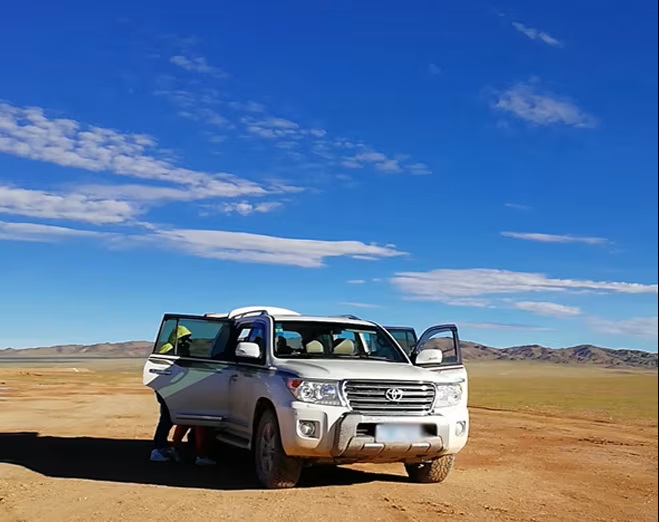
Vehicles for chartering on the Sichuan-Tibet Highway
Choose An Itinerary Before You Choose A Vehicle
The familiar westbound journey from Chengdu toward Lhasa is commonly planned over multiple days, with overnight stops chosen for driving time, altitude, and road conditions. The exact number of days depends on the route and the places you want to visit. A tight schedule may leave little room for weather disruption, roadworks, or a slower response to altitude. Ask the operator to show the day-by-day plan, including approximate driving hours and overnight locations.
Some travelers charter a vehicle for only part of the corridor, such as a section in western Sichuan, and continue by another form of transport. Others use a charter for the full overland trip. If you plan side trips, name them before requesting a quote: a detour can change mileage, overnight arrangements, fuel costs, and the time needed. Do not assume that a quoted Chengdu-to-Lhasa itinerary includes every scenic area or neighboring destination.
An itinerary should distinguish driving time from sightseeing time. A route that appears manageable on a map may involve winding mountain roads, limited services, or conditions that slow progress. Ask whether the driver’s working hours are planned realistically and whether the schedule allows for rest. A responsible operator should be willing to explain why an overnight stop is recommended rather than promising that every day can be shortened.

Selecting A Vehicle For The Sichuan-Tibet Highway
Choose based on usable space, road suitability, luggage, and the number of passengers—not appearance alone. A sedan may be appropriate for a small party on a suitable itinerary, while a higher-clearance vehicle can be more practical where road conditions and route requirements call for it. The exact vehicle should be confirmed in writing. A general description such as “SUV” is not enough to establish the make, model, seating, luggage capacity, or equipment.
Count bags as well as people. A vehicle that fits every passenger may still be uncomfortable when everyone has a large suitcase, daypack, and camera gear. Ask how much luggage the vehicle can carry without obstructing the driver’s view or crowding the cabin. If the group includes children, older adults, or anyone who needs extra legroom, raise that before booking. Child seats and other specialist equipment should be requested in advance and confirmed explicitly.
For a small group, compare the practical cost per person rather than choosing the smallest vehicle by default. For a larger group, check the legal passenger capacity and ensure the bags fit safely. Avoid arrangements that rely on luggage being piled in a way that blocks windows or exits. On long days, seat comfort, ventilation, and the ability to take breaks can matter more than cosmetic features.
Before paying, request the vehicle details and ask what happens if the assigned vehicle becomes unavailable. The replacement should offer comparable capacity and suitability. Also confirm whether the price includes the driver’s accommodation, meals, fuel, road tolls, parking, and routine vehicle expenses. These items vary by operator and package; a low quote may exclude several of them.
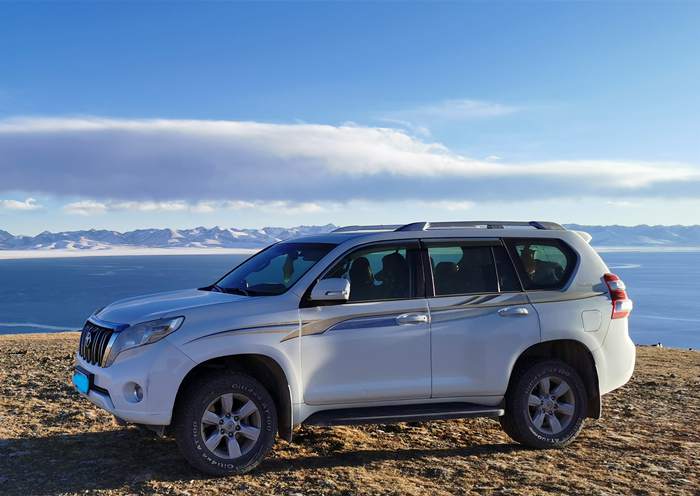
Vehicles for chartering on the Sichuan-Tibet Highway
How To Compare Charter Prices
There is no single reliable price for every Sichuan-Tibet Highway charter. The total changes with the season, itinerary, number of days, vehicle category, group size, and what is included. A quote for a short section cannot be compared directly with one that covers a long route and several nights. Ask for an itemized estimate that states the dates, route, vehicle, inclusions, exclusions, payment schedule, and cancellation conditions.
Clarify whether the quote is based on calendar days, a set number of driving days, or a fixed route. Ask when overtime begins, how it is charged, and whether an extra night caused by a road closure or weather delay creates additional costs. Confirm how fuel, tolls, parking, driver expenses, accommodation, and meals are handled. If the operator says “all inclusive,” ask for a written list of what that means.
A shared charter can lower the cost per traveler, but it requires agreement about the itinerary and pace. Decide in advance how expenses are divided and what happens if one person changes plans. A private charter provides more flexibility, but that flexibility should still be bounded by the driver’s safe working hours, local access rules, and the terms of the booking.
Treat unusually low prices with care. Ask who provides the vehicle, whether the driver is properly licensed and insured for the service, and what support is available if the vehicle has a problem. Do not send a large payment without receiving clear booking details and a written cancellation policy. Keep payment records and copies of the agreement.
Driver Experience And Communication
The driver is central to the quality and safety of an overland charter. Ask about experience on your specific route, not simply how long the person has been driving. Useful questions include whether they have driven the planned sections in different seasons, how they respond to road closures, and how they handle a passenger who develops altitude-related symptoms. A clear answer should focus on practical procedures, not guarantees.
Agree on a working language before booking. If the driver and travelers do not share a fluent language, ask whether the operator provides an English-speaking coordinator or a reliable way to communicate itinerary changes. Save key destinations and accommodation names in Chinese as well as in English where possible. Discuss how you will confirm the next day’s departure time and how to contact the operator if mobile service is unavailable.
A good driver should be willing to take reasonable breaks and should not be pressured to drive when tired. Travelers can help by keeping departure times realistic, following instructions about seat belts, and avoiding last-minute detours that make the day unsafe. If the route changes significantly, discuss the effect on time, cost, and overnight plans before proceeding.
Permits, Documents, And Access Rules
Travel rules for Tibet and other restricted or regulated destinations can depend on nationality, itinerary, and current policy. Requirements may change, so verify them with the relevant authorities or a reputable travel operator before paying for nonrefundable services. Foreign visitors may need arrangements through an authorized travel agency for parts of a Tibet itinerary, and entry to particular areas can involve additional permissions. Do not assume that a vehicle charter by itself provides the necessary documents or authorization.
Ask the operator which party is responsible for arranging any required permits and what information they need from each traveler. Confirm the expected processing time and what happens if an application is delayed or refused. Keep copies of your passport and any approved travel documents separate from the originals, and carry documents as instructed. Border-area rules and access restrictions can be different from those for the main route, so list every planned destination when checking requirements.
Chinese domestic travelers should also confirm identification and ticketing requirements relevant to their itinerary. All travelers should carry the documents required for accommodation check-in and transport. These practical checks are easier to complete before departure than after arriving in a remote town.
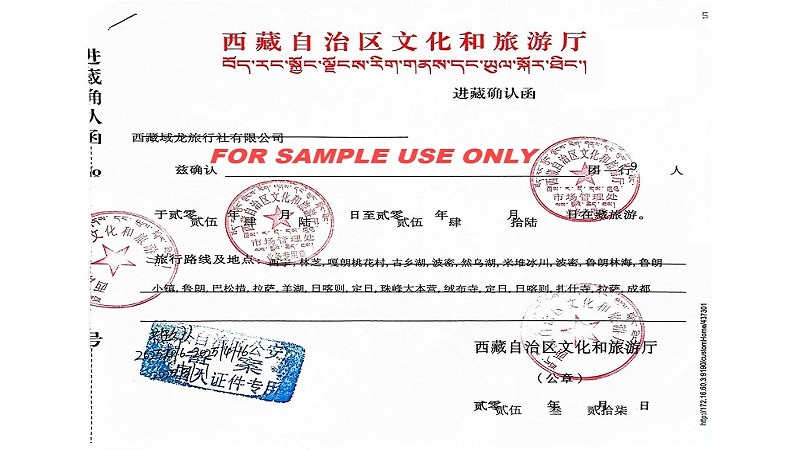
China Dragon Travel – Tibet Travel Permit
Altitude And Health Preparation
The route passes through high-elevation areas, and travelers can experience altitude-related illness. Individual responses vary, and fitness does not reliably predict who will become unwell. Plan a gradual itinerary where possible, especially if you are arriving from a low elevation. Avoid treating the journey as a race, and be prepared to rest or change plans if symptoms develop.
Common early symptoms can include headache, nausea, dizziness, unusual tiredness, and difficulty sleeping. Severe or worsening symptoms require prompt attention. Do not continue ascending simply to keep to a schedule if someone feels seriously ill. Inform the driver and travel companions early, and seek medical help when needed. A charter operator is not a substitute for a medical professional, and travelers with existing health conditions should discuss the trip with a clinician before departure.
Drink fluids regularly, eat normally, dress for changing conditions, and avoid relying on alcohol or heavy exertion as you adjust. Bring personal medication in its original packaging and keep essential items accessible rather than buried in the luggage compartment. A basic first-aid kit is useful, but it cannot replace appropriate medical care. Check travel insurance carefully for altitude-related treatment, evacuation, and remote-area exclusions; coverage varies by policy.
Safety, Weather, And Road Conditions
Mountain weather can change quickly, and road conditions may be affected by rain, snow, ice, landslides, construction, or traffic incidents. A route may take longer than a mapping app suggests. Keep some schedule flexibility and avoid booking onward transport with an extremely tight connection. Your driver or operator should check conditions and make decisions based on safety and local information rather than a fixed sightseeing checklist.
Wear a seat belt whenever available and follow the driver’s instructions about where to stop. Do not encourage risky roadside photographs or ask the driver to stop where visibility is poor. Take care when walking near traffic, at viewpoints, and on uneven ground. If you are traveling in a season with cold nights or variable weather, pack layers and keep water, snacks, and a warm outer layer within reach in the cabin.
Ask what roadside support is available if the vehicle breaks down. Confirm that the vehicle carries a spare tire and basic emergency equipment appropriate to the route. No operator can promise that a repair will be immediate in a remote area, so carry essential medication, a charged phone, and important documents with you. A power bank can help, though mobile coverage and charging opportunities are not guaranteed everywhere.
Booking A Charter With China Dragon Travel
When comparing China Dragon Travel or any other operator, focus on the same practical checks: a written itinerary, confirmed vehicle details, a transparent cost breakdown, driver experience, and clear terms for changes and cancellations. Ask whether the company arranges only the vehicle or also helps coordinate accommodation, permits, and other travel services. These services may be separate, and their availability depends on the itinerary and applicable rules.
Share your dates, group size, luggage count, preferred overnight pace, and any health or mobility considerations before requesting a final proposal. Ask for the itinerary in a format you can review, with each day’s start and end point, approximate driving time, and planned overnight stop. If you want flexibility, define what can be changed on the road and who approves extra costs.
Before confirming, check the contract’s payment terms, cancellation policy, refund conditions, and process for complaints or emergency support. Keep the operator’s contact details accessible offline. Once booked, reconfirm departure location, pickup time, vehicle type, driver contact information, and the documents you need to bring.
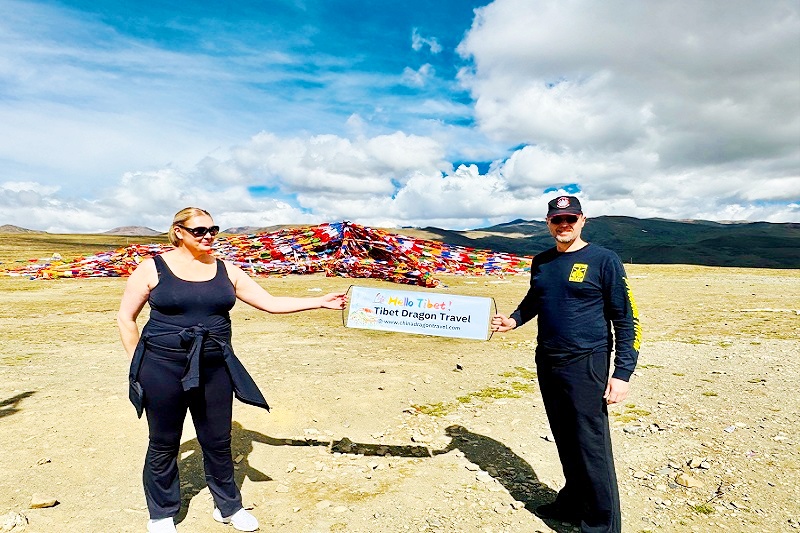
Tibetan Tourists
Packing And Day-To-Day Comfort
Pack for changing temperatures rather than assuming the weather will match Chengdu or Lhasa. Layers are easier to adjust than one heavy garment, and a waterproof outer layer can be useful. Sunglasses, sun protection, lip balm, and comfortable walking shoes are practical for exposed viewpoints and town stops. Keep valuables and documents with you instead of leaving them in an unattended vehicle.
Prepare a small day bag with water, snacks, tissues, personal medication, a warm layer, charging equipment, and anything you may need between stops. Carry cash for places where electronic payments may be unreliable, while avoiding carrying more than you need. Toilets and food options can be limited on some stretches, so ask the driver about practical break points rather than assuming facilities will be available at every stop.
Be considerate when visiting villages, monasteries, and culturally important sites. Follow local rules about photography, dress, and access, and ask before photographing people. Do not leave rubbish behind, and avoid stepping into fields or private areas for a photograph. Respectful behavior makes stops more comfortable for both visitors and residents.
Frequently Asked Questions
How Many Days Should I Allow For A Sichuan-Tibet Highway Charter?
The right duration depends on your route, overnight stops, sightseeing plans, road conditions, and how much time you need to adjust to altitude. Request a day-by-day itinerary and leave flexibility for delays rather than choosing only by the shortest advertised schedule.
Is A Four-Wheel-Drive Vehicle Always Necessary?
Not for every itinerary or road segment. The appropriate vehicle depends on the planned route, current road conditions, passenger and luggage load, and operator advice. Confirm the actual vehicle and its suitability for your route instead of relying on a broad label.
Can I Charter A Vehicle Without A Driver?
This guide covers a vehicle charter with a driver. Self-driving arrangements are subject to separate licensing, insurance, vehicle, and access requirements. Check the rules that apply to your nationality and destination before planning to drive yourself.
Does The Charter Price Include Permits And Accommodation?
Not necessarily. Inclusions vary by operator and package. Request a written breakdown that states whether permits, accommodation, meals, fuel, tolls, parking, and the driver’s expenses are included or charged separately.
What Should I Do If I Feel Unwell At High Altitude?
Tell your driver and companions promptly, stop ascending, and seek medical advice if symptoms are severe or getting worse. Do not continue simply to meet the itinerary. Discuss personal health risks with a clinician before departure and check that your insurance covers the care you may need.