
Choosing a vehicle for a private chartered tour in Tibet is about more than comfort: route conditions, group size, luggage, altitude, and the season all affect what will work well. A suitable vehicle helps keep travel practical and flexible, whether you are exploring Lhasa or driving farther across the plateau.
Key Takeaways
- Match the vehicle to your route: paved city roads and remote mountain journeys have different demands.
- Count passengers and luggage: leave room for bags, camera equipment, and comfortable seating.
- Ask about four-wheel drive: it may be useful on rough or remote routes, but does not replace a qualified driver.
- Check the full arrangement: confirm vehicle type, seating, luggage capacity, and what happens if the vehicle needs attention.
- Plan for altitude and weather: allow realistic driving times and avoid choosing a vehicle based on speed alone.
Start With Your Tibet Route
The right vehicle depends first on where you intend to go. A short private tour around Lhasa has different requirements from a multi-day journey to Everest Base Camp, Mount Kailash, or remote areas of the plateau. Before comparing vehicle models, share a realistic itinerary with your tour operator and ask what is suitable for each road section.
Around Lhasa, many main roads are paved, and a standard passenger vehicle may be adequate for city sightseeing and nearby destinations. A larger vehicle can be more convenient for a family or group, particularly when everyone has luggage. However, a bigger vehicle is not automatically the best choice for every road or parking situation.
Long-distance routes may involve high passes, changing weather, roadworks, uneven surfaces, or stretches far from major services. Conditions vary by route and season. For these journeys, ask whether the proposed vehicle is appropriate for the specific roads in your itinerary, rather than relying on a general claim that it is suitable for Tibet.
Some routes include a mix of paved highways and rougher sections. A vehicle with higher ground clearance or four-wheel drive may be appropriate, depending on the route and current conditions. Four-wheel drive is not a guarantee of safe passage: vehicle maintenance, tires, the driver’s experience, local restrictions, and weather remain important.
If your plans include remote areas, ask how the operator handles a delay, breakdown, or road closure. A practical answer should explain the company’s arrangements and communication process without promising that every journey will be unaffected by conditions.
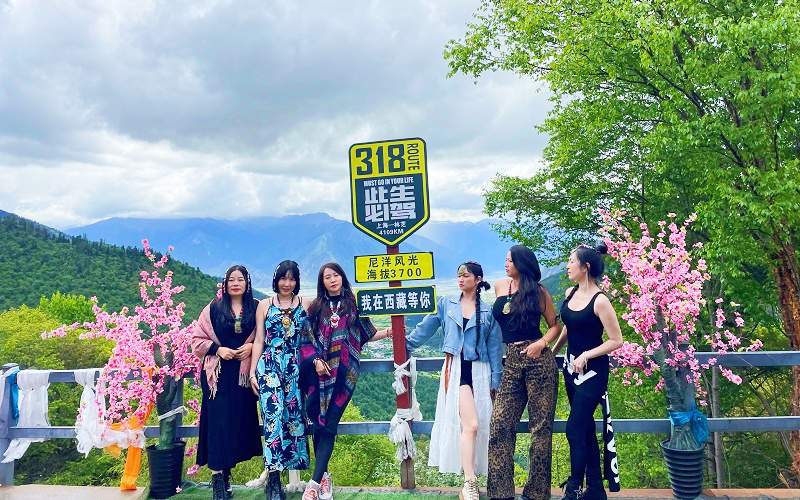
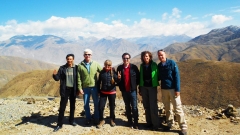
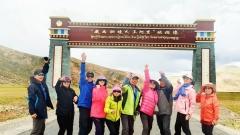
Travelers with China Dragon Travel
Choose a Vehicle That Fits Your Group
Passenger capacity is not the same as comfortable touring capacity. A vehicle may have enough seats for everyone but little room for day bags, coats, or larger suitcases. For a private charter, comfort over several hours matters as much as the number of available seats.
Tell the operator how many people are traveling and how much luggage you expect to bring. Include bulky items such as camera bags, trekking equipment, or child seats. Ask how the luggage will be stored and whether all passengers can sit with a seat belt available. If the vehicle’s seating layout is important, request confirmation of the arrangement before booking.
For one or two travelers, a smaller vehicle can be an efficient fit on an appropriate route. Couples may appreciate a little extra space for daypacks and personal items, especially on long drives. Do not assume that a compact vehicle will be comfortable for a multi-day journey simply because it works for a short transfer.
Families should consider the ages and needs of children, how long they will be in the vehicle, and whether a child seat is required. Confirm availability and installation in advance. If traveling with older adults or anyone who has difficulty stepping into a high vehicle, ask about entry height and seat access.
Small groups often find a minivan or people carrier practical when the route allows it. It can provide a useful balance of passenger space and luggage capacity. For larger groups, a minibus may make sense, but confirm that the planned route can accommodate its size and that the seating arrangement suits the length of the journey.
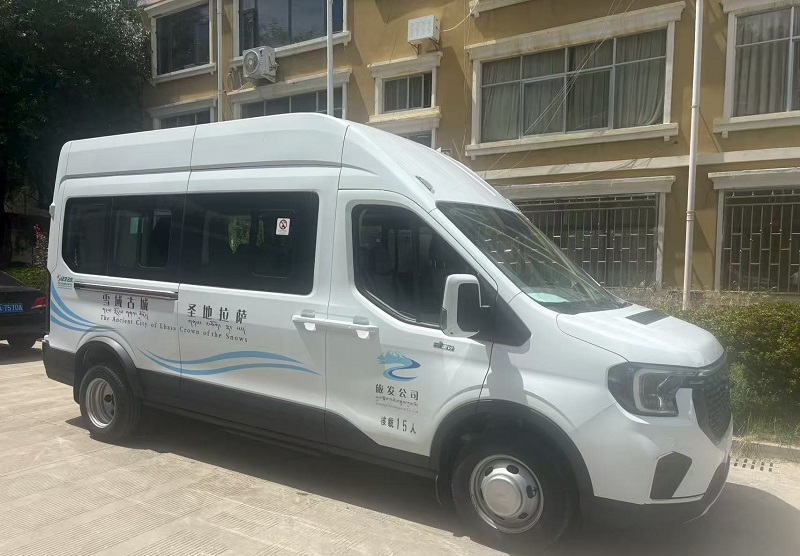
15-Seater Tourist Vehicle for Tibet
Compare Common Vehicle Types
Sedan Or Standard Passenger Car
A sedan can be a comfortable, straightforward option for airport transfers, Lhasa sightseeing, and other suitable paved routes. It is often easiest to maneuver and park in town. Its limitations are space and capability: a full group with substantial luggage may feel cramped, and a standard car may not be appropriate for rougher sections or a route that calls for higher ground clearance.
Ask the operator to identify the actual vehicle category and explain why it fits your route. A general label such as “car” does not tell you the seating configuration, luggage room, or suitability for a particular journey.
SUV Or Four-Wheel-Drive Vehicle
An SUV may offer greater ground clearance, more room, and a practical configuration for some longer or less-developed routes. Depending on the model and road conditions, four-wheel drive can be useful. But SUVs vary widely: some prioritize passenger comfort, while others are more suited to challenging surfaces.
Confirm whether the vehicle has four-wheel drive if this matters to your itinerary, and ask whether it is necessary for your planned route. Also check passenger and luggage capacity. A large exterior does not always mean that a vehicle can carry a full group and all their bags comfortably.
Minivan Or People Carrier
A minivan is often a good choice for a family or small group traveling with luggage. It can make it easier for passengers to sit together, and the cabin may feel less confined on a long drive. The specific model and road conditions matter, so ask whether it is appropriate for every segment of your itinerary.
For a multi-day trip, find out whether the luggage area will remain usable when all seats are occupied. If the final row is in use, storage space may be reduced. A clear passenger-and-bag count helps the operator recommend a realistic option.
Minibus Or Larger Group Vehicle
A minibus can suit a larger private group, but it is not automatically the most convenient choice for every route. Larger vehicles can be less flexible on narrow roads, in small parking areas, and in places where road access is restricted. The operator should confirm both the vehicle’s passenger capacity and its suitability for the planned roads.
Consider how your group will board, where bags will go, and whether everyone is comfortable with the seating arrangement. For a long day, a few extra seats do not necessarily make the journey more comfortable if legroom or luggage storage is limited.
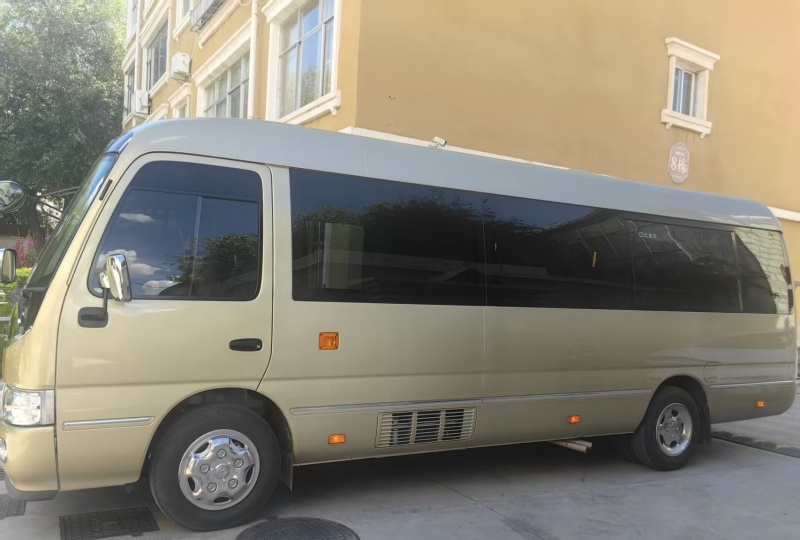
Toyota Coaster (17-seater)
Consider Comfort At High Altitude
A vehicle cannot eliminate the effects of altitude. Travelers can feel unwell at high elevation, and a comfortable cabin does not replace time to acclimatize or sensible medical advice. Build a measured itinerary, follow your guide’s guidance, and tell the tour operator in advance if someone in your group has mobility or health concerns that could affect the journey.
For long drives, comfortable seating, working ventilation, and enough room to change position can make the day easier. Ask whether the air-conditioning or heating is functional and whether the vehicle has seat belts for each passenger. Do not assume that every vehicle has identical equipment.
It is also reasonable to ask how often breaks can be planned. Stops depend on the itinerary, road conditions, and any local restrictions, but a good plan should not treat a long high-altitude drive as though it were a short city transfer. Discuss realistic travel times before confirming the schedule.
If motion sickness is a concern, mention it when arranging the vehicle and route. The operator may be able to discuss seating preferences or a less demanding schedule, but the road itself and individual tolerance cannot be guaranteed. Bring any personal medication you normally use and consult a medical professional about health questions before travel.
Match The Vehicle To The Season And Road Conditions
Weather in Tibet varies with location, elevation, and time of year. Rain, snow, strong winds, or road maintenance can affect travel conditions, particularly on higher or more remote routes. A vehicle choice should therefore be considered alongside the planned dates and the latest practical information available from your operator.
Ask whether the recommended vehicle is appropriate for the season and specific route. If the journey includes a high pass or remote region, ask what factors could lead to a schedule change and how the operator will communicate updates. Avoid treating an advertised travel time as a guarantee; road conditions and stops can make actual journey times differ.
Tires, routine maintenance, and the driver’s experience are important parts of vehicle suitability. Travelers can ask how the company maintains its vehicles and what support it can provide if a problem occurs. The goal is not to inspect the vehicle mechanically yourself, but to understand whether the operator has a sensible plan for the trip.
A four-wheel-drive vehicle may be helpful in some conditions, but it cannot make every road passable. If weather or local conditions make a route unsafe or unavailable, the responsible decision may be to delay, change the itinerary, or take another suitable option.
Questions To Ask Before Booking
A short conversation before booking can prevent misunderstandings. Ask for the vehicle category, expected passenger capacity, and luggage allowance in writing. If you are traveling as a group, provide a complete count rather than choosing a vehicle based only on the number of seats listed.
Clarify whether the price includes the vehicle and driver for the full itinerary, and ask what other costs may apply. The details of private tour arrangements vary, so confirm what is included rather than assuming fuel, parking, permits, accommodation, or meals are covered. Ask how itinerary changes are handled and who to contact during the trip.
If you need a child seat, accessible boarding, or space for specialist equipment, raise the request before paying a deposit. Confirm whether the company can provide it and how it will be fitted or stored. Ask for the arrangement to be included in your booking confirmation.
You can also ask whether the vehicle shown in promotional material is representative of the one planned for your trip. A photograph alone is not confirmation of the model or equipment. The operator should be able to describe the proposed vehicle and explain if a replacement becomes necessary.
A Practical Booking Checklist
Before you confirm a private charter, check these points:
- Route fit: Is the vehicle appropriate for every planned road section?
- Passenger space: Can everyone sit comfortably with a seat belt?
- Luggage capacity: Will all bags fit without taking up needed seating space?
- Vehicle details: Is the type or model category clearly stated?
- Special needs: Are child seats, mobility needs, or equipment storage confirmed?
- Driver and support: Is there a clear contact for itinerary updates or vehicle issues?
- Costs and inclusions: Are the service period and additional charges explained?
- Schedule flexibility: Does the itinerary allow for realistic driving times and conditions?
If the answer to a key question is vague, ask for clarification before booking. A transparent vehicle arrangement is more useful than a premium-sounding label, especially when your trip includes long drives or changing road conditions.
Arranging A Private Vehicle With China Dragon Travel
When discussing a private Tibet tour with China Dragon Travel, share your proposed route, group size, luggage count, travel dates, and any special requirements. Ask the team to recommend a vehicle for the actual itinerary and confirm the arrangement before you finalize the booking. If plans change, clarify how updates to the route or vehicle will be handled.
This approach keeps the decision practical: choose a vehicle that fits the roads, passengers, and bags you have, rather than paying for capacity or features your trip does not need. For a short city itinerary, simplicity may matter most. For a longer journey across the plateau, road suitability, comfort, and a clear support plan deserve closer attention.
FAQs on Selecting a Vehicle for a Private Charter Tour in Tibet
How many people can travel in a private tour vehicle?
Capacity depends on the vehicle and seating configuration. Share your passenger count and luggage details, then confirm that everyone has a suitable seat and that bags can be stored safely.
Do I need a four-wheel-drive vehicle in Tibet?
Not for every itinerary. It may be appropriate for certain routes or conditions, but the right choice depends on the roads, season, and operator’s assessment. Ask about the specific route rather than assuming four-wheel drive is always required.
Is an SUV always more comfortable than a sedan?
No. Comfort depends on the vehicle model, seating, passenger count, luggage, and journey length. An SUV may offer more ground clearance or space, while a sedan can be a comfortable fit for suitable paved routes and smaller groups.
Can I choose a vehicle based on the number of seats alone?
It is better to consider both passengers and luggage. A vehicle with enough seats may have limited storage when fully occupied, so provide a complete count of people, suitcases, and bulky equipment.
What should I confirm before paying for a private charter?
Confirm the vehicle category, route suitability, passenger and luggage capacity, required equipment, included services, possible extra costs, and the process for handling itinerary changes or vehicle problems.