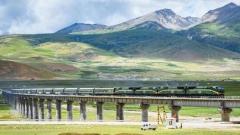
The Sichuan-Tibet Highway is not a single road but a network of routes across western Sichuan and the Tibet Autonomous Region. The best way to travel it depends on your driving experience, schedule, budget, and comfort with high-altitude conditions. Self-drive offers independence. Shared rides can reduce transport costs. A charter provides the most control over pace and stops. Plan for long distances, changing weather, and the permits and vehicle arrangements required for travel in Tibet.
Key Takeaways
- Choose self-drive if you are an experienced driver, have the required documents and vehicle arrangements, and can adapt your itinerary.
- Choose a shared ride if you want to split vehicle costs and are comfortable traveling at a group pace.
- Choose a charter if you value a dedicated vehicle, flexible stops, and support from a professional driver.
- Allow extra time for mountain roads, weather, altitude adjustment, and possible itinerary changes.
- Check current entry, permit, and road requirements before booking; rules and operating conditions can change.
Understanding The Sichuan-Tibet Highway
The name “Sichuan-Tibet Highway” commonly refers to two principal routes linking Chengdu and Lhasa: the northern route, National Highway G317, and the southern route, National Highway G318. Both cross high mountain terrain and pass through communities, valleys, and plateaus, but their scenery, road conditions, and available services differ. Travelers often combine sections of each route rather than follow one road from end to end.
G318 is the more commonly discussed route for a first overland journey. It passes through well-known destinations in western Sichuan and eastern Tibet, including areas around Kangding, Litang, and Nyingchi. G317 takes a more northerly course and can offer a different mix of cultural and landscape stops. Neither route should be treated as a quick, predictable drive: daily distances can be demanding, and road conditions may change with weather, construction, or local restrictions.
Before choosing a transport style, decide how much of the route you want to cover. Some visitors travel from Chengdu toward Lhasa over multiple days, while others focus on a shorter section in western Sichuan or begin in a different city. Your route determines which vehicle, permits, driver arrangements, and accommodation plans make sense.
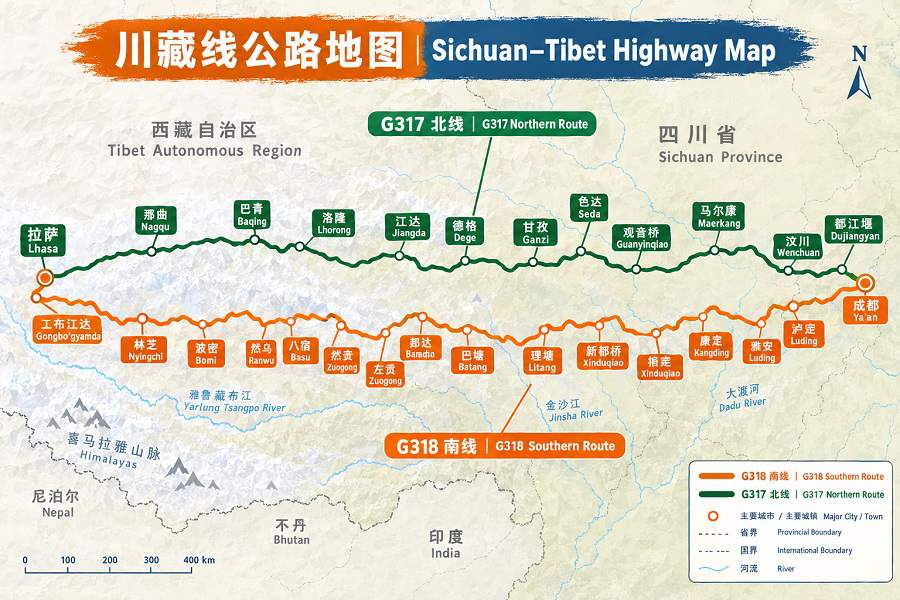
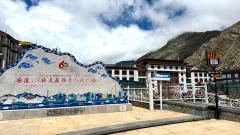
Sichuan-Tibet Highway
The Main Choice: Control, Cost, Or Convenience
The question is not simply whether one option is cheaper than another. A self-drive trip puts responsibility for the vehicle and itinerary on you. A shared ride spreads some transport costs among passengers but involves coordination and a shared schedule. A charter reserves a vehicle and driver for your party, usually for greater control over stops and timing, at a higher overall price.
Compare total trip costs rather than just the quoted vehicle price. Include fuel, vehicle rental, insurance, accommodation, meals, permits or travel arrangements where applicable, and any extra days needed for altitude adjustment or weather delays. For a shared ride, clarify what the fare covers and how costs such as fuel, lodging, and meals are divided. For a charter, confirm the itinerary, vehicle class, driver services, and cancellation terms in writing.
The right answer also depends on who is traveling. A solo traveler may find a shared ride economical and sociable. A couple or family with children may prefer a private vehicle for easier breaks and luggage management. A confident driver who has experience on mountain roads may appreciate self-drive, but should still be realistic about fatigue, altitude, and the challenges of unfamiliar conditions.
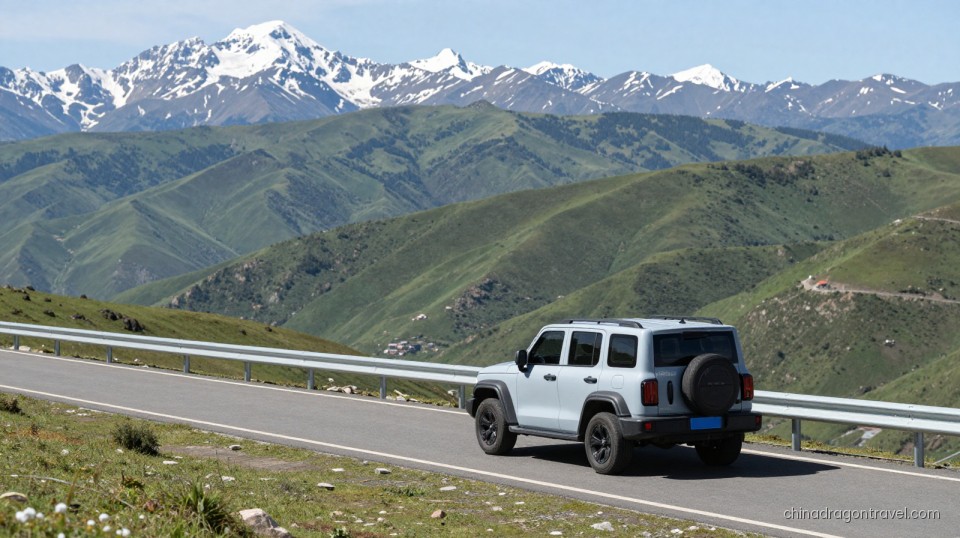
Vehicles for chartering on the Sichuan-Tibet Highway
Self-Driving: Maximum Independence, More Responsibility
Driving yourself can make a road trip feel personal. You can pause for a viewpoint, spend longer in a town, or adjust the route when conditions allow. It can work well for travelers who have substantial driving experience, understand the demands of mountain roads, and have enough time to build flexibility into the itinerary.
However, the route is not an easy first road trip. Long stretches, steep gradients, sharp bends, altitude, and changing visibility can make driving tiring. Rain, snow, landslides, roadworks, or other disruptions may affect travel, particularly in mountain areas. Driving time shown by a navigation app is not a reliable substitute for a conservative daily plan. A short map distance can still take much of the day.
Documents And Vehicle Arrangements
Do not assume that a foreign driving licence alone allows you to drive any rental car in mainland China. Rules and rental-company requirements can be specific, and an international driving permit is not automatically a substitute for the documents required under local regulations. Confirm your legal driving eligibility and insurance coverage with the relevant authorities and rental provider before committing to self-drive.
Travel in Tibet also involves requirements that differ from an ordinary domestic road trip. Foreign visitors generally need to arrange travel through an authorized local travel agency and follow applicable permit and itinerary rules; independent travel and self-drive arrangements may not be permitted. Requirements can vary by nationality, route, and current policy. Verify the latest rules before you book flights, hotels, or a vehicle. If your itinerary enters the Tibet Autonomous Region, a self-drive plan should not be treated as feasible until you have confirmed that the necessary arrangements are permitted and available for you.
Vehicle suitability matters even where self-driving is allowed. Ask about maintenance, tires, roadside support, insurance exclusions, and whether the vehicle is appropriate for the planned route and passenger load. Keep important documents accessible, avoid driving when tired, and do not assume that a standard rental agreement covers every road or situation.
Who Should Consider Self-Drive?
Self-drive is most suitable for experienced drivers who are legally eligible, comfortable with remote mountain travel, and traveling on a route where independent driving is permitted. It is a poor fit for anyone relying on a tight timetable, unfamiliar with steep or winding roads, or expecting guaranteed connectivity and roadside assistance. If you are unsure about any of these points, compare a shared ride or charter before booking.
Shared Rides: A Practical Way To Split Costs
A shared ride typically means traveling in a vehicle with other passengers who are heading along a similar route. Depending on the operator and arrangement, it may be a seat in a scheduled trip or a small group sharing a vehicle and its expenses. The details matter: “shared ride” is not a standardized product, so ask exactly what is included before paying a deposit.
For travelers who do not need a vehicle to themselves, sharing can lower the transport cost per person. It can also make a long journey feel less solitary. On the other hand, you have less say over departure times, meal breaks, photo stops, and how long the group spends at each destination. A fellow passenger’s change of plans can affect everyone, so clear expectations are important.
Questions To Ask Before Booking
Ask for the proposed route, approximate travel dates, group size, luggage allowance, and the type of vehicle. Confirm whether the driver is licensed and experienced on the route, whether the vehicle and itinerary meet applicable requirements, and what happens if weather or road conditions force a change. Find out which costs are shared and which are separate. Also ask whether the operator provides a written itinerary and what the deposit and refund terms are.
A low fare is not enough to establish that an arrangement is safe or suitable. Be cautious of vague promises, unclear driver details, pressure to pay immediately, or a plan that ignores permit and travel rules. For a journey that enters Tibet, confirm that the operator can legally arrange the required travel services for your situation. A responsible provider should be willing to explain the plan without guaranteeing conditions it cannot control.
Who Benefits Most From A Shared Ride?
Shared rides suit solo travelers, pairs, and budget-conscious visitors with flexible schedules. They are especially appealing if you are comfortable meeting other travelers and can compromise on stops and timing. They may be less convenient for families with young children, passengers with particular mobility needs, or anyone carrying bulky equipment. If you need frequent breaks or want to linger at specific places, a private charter may be worth the extra cost.
Private Charter: More Flexibility With A Professional Driver
A private charter generally gives your party a dedicated vehicle and driver for an agreed route and period. It offers more control than a shared ride without requiring you to take the wheel. You can discuss where to stop, how to pace the day, and how much time to leave for rest, subject to road conditions, local rules, and the driver’s judgment.
This option is often a practical choice for families, small groups, and travelers who want to focus on the scenery rather than navigation. A local driver may also have experience with the route and understand how to adapt when conditions change. Still, a driver cannot eliminate altitude risks, road delays, weather disruptions, or permit requirements. A charter is a transport arrangement, not a guarantee of uninterrupted travel.
What A Good Charter Agreement Should Cover
Ask whether the quote is for the vehicle, driver, fuel, and specified number of days, and whether accommodation and meals for the driver are included or charged separately. Confirm the vehicle type, passenger and luggage capacity, route, planned daily driving limits, pickup and drop-off points, and any additional fees. Clarify how schedule changes and extra days are handled.
For Tibet travel, establish who is responsible for coordinating required permits and the approved itinerary. Check that the charter operator is authorized to provide the services you need, and that the driver and vehicle arrangements comply with current requirements. Request written confirmation of the itinerary and cancellation terms. A clear agreement makes it easier to compare providers and reduces the risk of misunderstanding once the journey begins.
Who Should Choose A Charter?
A charter is a strong option if your group values privacy, needs a flexible pace, or wants a professional driver on challenging roads. It can also be useful when travelers have different stamina levels and need room for rest stops. The main trade-off is cost: a dedicated vehicle usually costs more in total than a shared seat, although the per-person cost can become more reasonable when several people travel together.
China Dragon Travel can be considered when comparing organized transport and itinerary support for a Tibet-bound trip. Before booking with any agency, ask for a written route plan, a clear breakdown of costs, and confirmation of how current permit and travel requirements will be handled. Compare the proposed service with your needs rather than relying on a general description of what a tour includes.
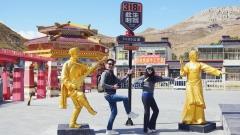
Planning For Altitude And Road Conditions
Altitude deserves as much attention as transport. The route rises through high-elevation areas, and travelers can feel unwell at altitude even when they are fit. Build in time to acclimatize, avoid rushing to higher elevations, and pay attention to symptoms such as headache, nausea, dizziness, unusual fatigue, or shortness of breath. Symptoms can worsen; seek medical advice promptly if you are concerned, and do not push on simply to keep to a schedule.
Talk with a medical professional before travel if you have health conditions that may affect your ability to visit high-altitude areas. No vehicle choice prevents altitude sickness. A private charter can make it easier to pause or revise the day, but the decision to continue should depend on health and local conditions, not a booking timetable.
Pack for changing weather and carry essentials such as water, snacks, warm layers, personal medication, and a power bank. Mobile coverage can be inconsistent, so download maps and keep key accommodation and contact details available offline. Leave room in the itinerary for delays, and avoid planning a long mountain drive immediately before a fixed flight or other important connection.
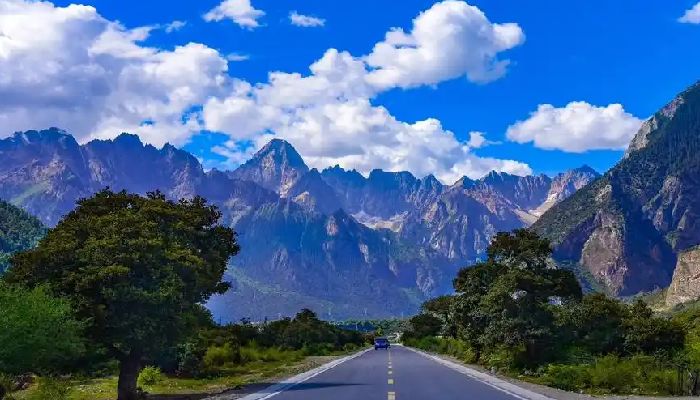
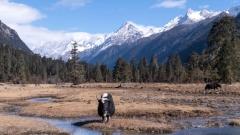
Scenery of Sichuan-Tibet Line on National Highway 318
A Sensible Booking And Safety Checklist
Before paying, verify the route, travel dates, vehicle and driver arrangements, and the operator’s experience. Confirm all costs in writing, including what happens if the trip is delayed or the itinerary changes. Check luggage capacity and make sure every passenger has a seat belt. If traveling with children, ask about suitable child restraints; do not assume they will be supplied unless confirmed.
Keep copies of identification, booking details, insurance information, and any required permits or travel documents. Follow local instructions and road closures, and do not ask a driver to continue when conditions are unsafe. For self-drivers, check vehicle condition before departure and understand how to contact the rental company or roadside assistance. For shared rides and charters, share relevant health or mobility needs before the trip begins.
Finally, choose a realistic daily pace. The best itinerary is not necessarily the one that covers the most distance. Time for meals, rest, acclimatization, and unexpected stops can make the journey more manageable and enjoyable. A cautious plan is particularly valuable on a route where weather, road conditions, and access rules can change.
Frequently Asked Questions
Is The Sichuan-Tibet Highway One Road?
No. The term commonly describes overland routes connecting Sichuan and Tibet, especially the northern G317 and southern G318 corridors. The route you follow depends on your itinerary, access conditions, and travel arrangements.
Can Foreign Visitors Drive The Route Independently?
Do not assume that independent self-driving is allowed. Foreign driving eligibility, rental rules, and Tibet travel requirements are separate issues. If your trip enters the Tibet Autonomous Region, verify current permit and itinerary rules with an authorized operator before making plans.
Which Option Is Cheapest?
A shared ride may have the lowest transport cost per person, but the total depends on what the fare includes. Self-drive can involve rental, fuel, insurance, and other expenses, while a charter may be more cost-effective when several people share the vehicle. Compare written, itemized quotes.
Is A Charter Safer Than Driving Yourself?
A professional driver can reduce the burden of navigating unfamiliar mountain roads, but no option removes all risk. Safety also depends on the driver, vehicle, weather, road conditions, itinerary, and the traveler’s health. Confirm operator credentials and avoid unrealistic schedules.
How Much Time Should I Allow?
There is no single suitable duration because routes, stops, altitude adjustment, and road conditions vary. Plan for multiple travel days, add flexibility, and avoid connecting the trip to a tight flight or other fixed commitment. A provider can propose a route, but you should retain time for delays and rest.