
Peak-season rail travel to Tibet takes more planning than simply choosing a departure date. Demand can be high, tickets are released only shortly before travel, and the train routes serving Lhasa are limited. This guide explains how to prepare, what to do when a direct ticket is unavailable, and how to build a realistic backup plan without relying on promises of guaranteed seats.
Key Points
- Book early: Train tickets are released close to the travel date, so prepare your route and travel details in advance.
- Keep your route flexible: Connecting journeys can give you more ticket options when direct services are unavailable.
- Ask for practical help: A travel agency may assist with booking arrangements, but no ticket can be guaranteed before it is issued.
- Consider a mixed itinerary: Flying into Tibet and taking the train out can make a peak-season schedule easier to plan.
- Travel in another season if possible: Tibet’s landscapes and travel experience change throughout the year.
Why train tickets to Tibet are difficult to secure in peak season
The railway to Lhasa is popular with both visitors and domestic travelers. During busy holiday periods and the main summer travel season, demand can rise sharply on routes from major cities such as Beijing, Shanghai, Chengdu, Xining, and Xi’an. Direct trains may sell out soon after tickets become available, especially for preferred dates, sleeper berths, and popular departure cities.
There is another important factor: China’s railway tickets are generally sold according to a rolling release schedule rather than being available many months ahead. The exact booking window and release arrangements can change, so check the official railway sales channels for the current rules before planning around a specific release date. A hotel reservation or tour itinerary made far in advance does not mean a train ticket has already been issued.
The most useful approach is to prepare several acceptable travel dates and routes, understand how official ticket sales work, and decide in advance what you will do if your first choice is unavailable. This is more reliable than assuming a particular train or berth will be available.
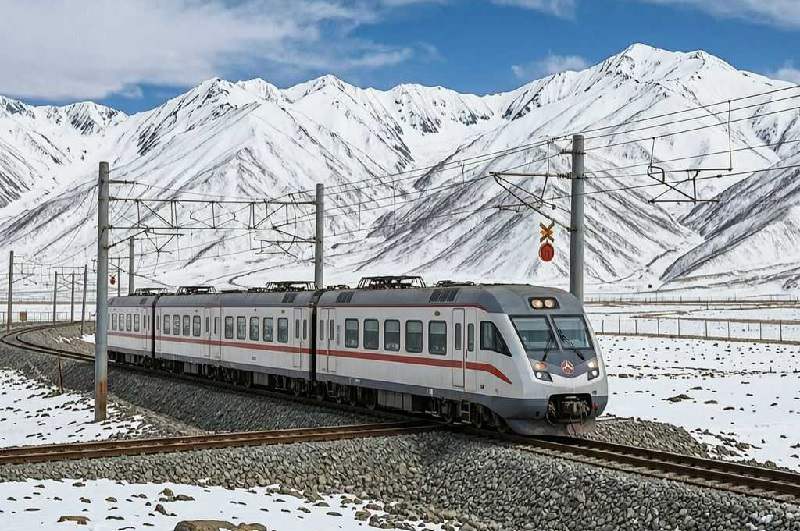
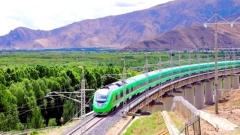
Qinghai-Tibet Railway Train
Understand the routes before choosing a departure city
Lhasa is connected to mainland China by rail, but not every city has the same service frequency or journey time. Depending on the timetable, travelers may be able to take a direct train from a major city or travel first to a rail hub such as Xining and continue to Lhasa. Services and schedules can change; check the current timetable for your intended dates rather than relying on a past itinerary.
A direct train is convenient because it avoids changing trains, but it may be harder to book during peak season. A route with a connection can expand the number of possible departure combinations. For example, you might travel to a hub on one train and continue to Lhasa on a separate service. This creates more options, but it also requires careful coordination: allow enough time between trains, confirm that both legs are booked, and consider what you will do if the first train is delayed.
Before choosing a connection, compare the total journey time, station transfer requirements, overnight arrangements, and the amount of time between arrivals and departures. Some journeys involve a change at the same station; others may require a transfer across a city. Do not assume that a short connection is safe simply because the trains appear close together in a search result.
When to book and how to prepare?
Check the current ticket-release rules
Use the official China Railway ticketing channels to confirm the applicable booking window and ticket-release time for your route. Release schedules may differ by station and can be adjusted, so verify details close to the date rather than relying on an old guide. Set reminders for the relevant release time and make sure your account and passenger details are ready beforehand.
Prepare passenger information carefully
Enter each traveler’s details exactly as they appear on the travel document used for booking. For international visitors, check the current identification and booking requirements for foreign passengers through the official platform or an authorized service provider. Small differences in names, document numbers, or document type can cause problems when collecting or using a ticket.
Have your preferred train, date, seat or berth type, and at least one backup option ready. If the system allows you to select alternatives, decide your priorities in advance. For example, you may prefer the planned date above all else, or you may be willing to travel a day earlier to get a sleeper berth. A clear order of preference makes quick decisions easier when tickets are released.
Use official channels and understand the limits of assistance
Book through official railway channels where possible, or use a reputable, authorized booking service if you need help. Check service fees, cancellation conditions, and whether the provider is placing a request or confirming an issued ticket. A request is not the same as a ticket, and no agency can honestly promise a seat unless it has been confirmed through the railway system.
For a peak-season visit, contacting a travel agency well in advance can help you coordinate the train plan with hotels, local transport, and other parts of the itinerary. An agency such as China Dragon Travel may be able to assist with booking arrangements and route planning, subject to ticket availability and current railway rules. Ask what happens if the preferred train sells out, whether alternative dates or routes are acceptable, and what fees apply before proceeding.
What to do if a direct train is sold out
A sold-out result does not always mean that the entire journey is impossible. It does mean you should reassess the plan promptly rather than repeatedly searching the same train without alternatives.
Look at connecting transport
Search for a rail journey to a suitable hub followed by a separate train to Lhasa. A connection can offer more combinations than a single direct service, particularly when you can adjust your departure city or date. Compare the complete journey, not just the first available segment: you need a workable ticket for every leg, enough transfer time, and a plan for luggage and overnight stays if the connection is not same-day.
When booking separate tickets, remember that the railway may treat them as distinct journeys. If the first service is delayed and you miss the next one, assistance or rebooking is not necessarily automatic. A generous buffer is usually more sensible than an ambitious transfer, especially on a long-distance trip.
Adjust the date or departure city
If your itinerary allows it, check nearby dates and other mainland departure cities. Even a one-day change can alter availability. If you are already traveling elsewhere in China, compare the cost and practicality of reaching a different rail hub against the convenience of your original plan. Include the time and expense of getting to that hub when deciding whether a route is genuinely better.
Consider flying into Tibet and taking the train out
For travelers with fixed dates, a mixed itinerary may be more workable: fly to Lhasa and take a train out, or reverse the direction if suitable flights and rail tickets are available. This can preserve the experience of traveling by rail without making the entire trip depend on finding a scarce train ticket in one direction.
Check flight schedules, baggage rules, fares, and the onward ground arrangements before choosing this option. Availability varies by date and route, and flights can also be affected by weather or operational changes. Avoid booking a tightly timed onward connection unless you have allowed enough time for delays and airport procedures.
Make a realistic peak-season itinerary
A well-planned Tibet trip leaves room for the practical details around the train journey. Avoid scheduling an important tour or onward flight immediately after a long rail trip. Build in time to arrive, settle into your accommodation, and confirm local arrangements. For travelers who are new to high-altitude destinations, it is also sensible to discuss acclimatization and personal health considerations with a qualified medical professional before travel.
Keep copies of booking confirmations and travel documents accessible, and check the current requirements for entry, travel permits, and local arrangements that apply to your itinerary. Requirements can vary by traveler and trip type, so confirm them with the relevant authorities or a knowledgeable travel provider before departure. A train ticket alone does not replace any separate travel documentation that may be required.
It is also wise to avoid treating a draft itinerary as final until the necessary transport is confirmed. If your trip includes hotels, local guides, or onward travel, ask about change and cancellation terms. Flexible arrangements can reduce the cost and stress of a ticket shortage, although flexibility may come with additional expense.
Is the train the right choice for your trip?
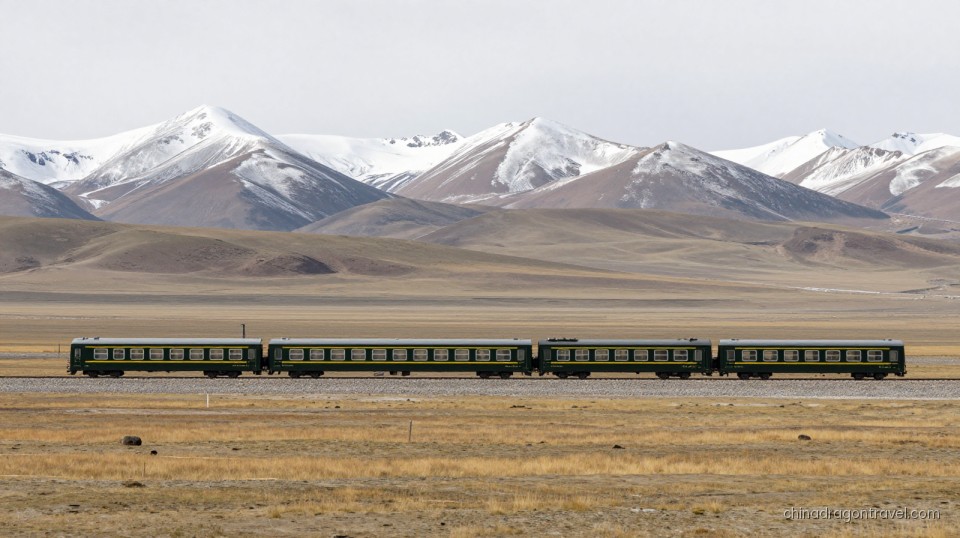
The railway journey offers a distinctive overland view of the changing landscapes between mainland China and the Tibetan Plateau. For many travelers, the journey itself is part of the experience. However, it takes longer than flying, and a berth may be difficult to secure during busy periods. Consider how much time you have, your comfort preferences, and whether the rail journey is a priority or simply one possible way to reach Tibet.
If your schedule is flexible, traveling outside the busiest periods can make ticket planning easier. Tibet has different scenery and travel conditions throughout the year, so a quieter season can still be rewarding. Before settling on dates, compare seasonal weather, transport schedules, local operating conditions, and any destination-specific restrictions relevant to your route. Do not choose a season solely on the assumption that tickets will be easy to obtain; check actual availability for your dates.
Travelers who have fixed holiday dates may prefer to secure a practical itinerary first and treat the train as one component rather than the only acceptable way to reach Lhasa. Those with more time can build a rail journey around a range of departure dates, hubs, and directions. The right choice depends on what matters most: a direct train, a specific travel date, the experience of rail travel, or a simpler overall schedule.
Frequently asked questions
How far in advance can I book a train ticket to Tibet?
China’s railway tickets are usually released within a rolling booking window, not many months ahead. The window and station release arrangements can change, so confirm the current rules on official railway channels before planning your booking.
Can a travel agency guarantee a peak-season train ticket?
A reputable agency can help with route planning and booking arrangements, but availability depends on the railway system. Treat a ticket as confirmed only when it has been successfully issued, and ask clearly about fees and alternatives if your preferred service is unavailable.
What should I do if there are no direct tickets to Lhasa?
Check nearby dates, alternative departure cities, and connecting rail routes through an appropriate hub. You can also consider flying into Tibet and taking the train for the return journey, provided the schedule and ticket availability work for your trip.
Is a connecting train route always a better option?
No. It may provide more booking combinations, but separate tickets introduce transfer and delay risks. Compare the full journey and leave enough time between trains; a direct service may be preferable when you can secure one.
Can I take the train to Tibet outside peak season?
Yes, subject to the timetable and ticket availability for your dates. If you can travel flexibly, compare different seasons and check current local conditions. Tibet’s landscapes vary through the year, and the best timing depends on your interests and travel plans.