
Kathmandu City Walk Highlights:
Kathmandu is a city best explored slowly, where the real charm lies not in rushing between attractions, but in experiencing Nepal’s culture through ancient streets, temples and everyday local life. For first-time visitors, a 3-day itinerary is ideal, with Thamel as the base to explore the city. Start with a walking tour covering Thamel, Ason Market, Garden of Dreams and Kathmandu Durbar Square, where you can discover historic architecture, traditional markets and the unique atmosphere of the old city. On the second day, visit Patan Durbar Square, Pashupatinath Temple and Boudhanath Stupa to experience Nepal’s royal history, Hindu traditions and Tibetan Buddhist culture. Staying in the Thamel area is recommended for its convenient transportation, restaurants and exchange services. For getting around the city, ride-hailing apps such as Pathao and inDrive are practical options, while most attraction tickets range from a few hundred to around 1,000 Nepalese Rupees. Although Kathmandu may appear chaotic and noisy at first, its authenticity, rich cultural heritage and vibrant street life are exactly what make it one of Nepal’s most memorable cities for slow travel.
Kathmandu City Walk Guide: A Complete 3-Day Route Through Nepal’s Ancient City
Kathmandu is a city that is difficult to describe simply as “beautiful”. For many first-time visitors, the arrival experience can be overwhelming: narrow streets, endless motorcycles, constant horns, dusty roads, old buildings and busy markets create a completely different atmosphere from typical tourist cities.Yet this is exactly what makes Kathmandu special. Colorful houses, red brick temples, prayer flags, street vendors, traditional architecture and rooftop cafés overlooking the city all create a unique charm that cannot be found anywhere else.For travelers who are not planning mountain trekking and simply want to experience Nepal’s culture, history and everyday life, Kathmandu is a perfect destination to spend 3–5 days. Slow walks through ancient streets, local cafés, traditional markets and historical sites offer a deeper understanding of Nepal.
Where to Stay in Kathmandu: Thamel Is the Best Choice for First-Time Visitors
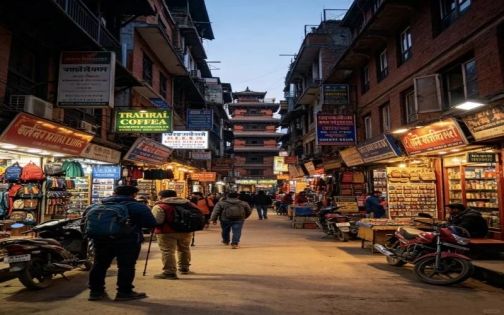
For first-time travelers, staying in the Thamel area is highly recommended.Thamel is the most popular tourist district in Kathmandu, with everything you need within walking distance:Hotels and guesthouses,Restaurants and cafés,Money exchange shops,Travel agencies,Souvenir and handicraft stores,After arrival, spend your first evening exploring Thamel, exchanging money, buying a local SIM card and getting familiar with the city.Thamel is not a perfectly clean or quiet neighborhood, but its charm comes from its energy and authenticity. Small shops selling wool scarves, Tibetan handicrafts, wooden carvings, paintings and handmade souvenirs are everywhere. Even a simple walk around the streets can become an interesting cultural experience.
Kathmandu
Day 1: Kathmandu Old City Walking Route (Mostly On Foot)
Recommended route:Thamel → Garden of Dreams → Ason Market → Kathmandu Durbar Square → Swayambhunath Monkey Temple Sunset
Thamel
Thamel is the starting point for most Kathmandu journeys.Start your morning with breakfast before walking through the streets.Things to experience:Browse handicraft shops,Try Nepali tea,Visit rooftop cafés,Explore small local stores。Popular souvenirs include:Wool scarves,Traditional paintings,Wood carvings,Copper decorations,Handmade jewelryThe area is also convenient for arranging transportation and tours.
Garden of Dreams
Located just a few minutes’ walk from Thamel, Garden of Dreams is a peaceful green space hidden inside the busy city.Built in the early 20th century, the garden combines European neoclassical design with fountains, pavilions and elegant courtyards.Entrance fee:Around 400 Nepalese Rupees.It is a great place for photography or taking a short break away from Kathmandu’s noisy streets.
Ason Market
If you want to experience the real daily life of Kathmandu, visit Ason Market.Unlike tourist attractions, this is where locals shop every day.You will find:Spices,Vegetables and fruits,Household products,Religious items,The crowded streets, colorful products and local atmosphere make it one of the best places for street photography.
Kathmandu Durbar Square
Kathmandu Durbar SquareKathmandu Durbar Square is one of Nepal’s most important UNESCO World Heritage Sites.The square was once the royal palace area and contains many historic buildings dating from the 16th to 19th centuries.Main highlights:Kumari House (Living Goddess Temple),Kasthamandap Temple,Ancient royal buildings,Traditional red-brick architecture。Entrance fee:Around 1,000 Nepalese Rupees.The Living Goddess Kumari is one of Nepal’s most unique cultural traditions. Visitors may sometimes see her appear briefly at the window, but photography is not allowed.The best time to visit is late afternoon when the sunlight creates beautiful colors on the old buildings and pigeons gather around the square.
Swayambhunath Monkey Temple
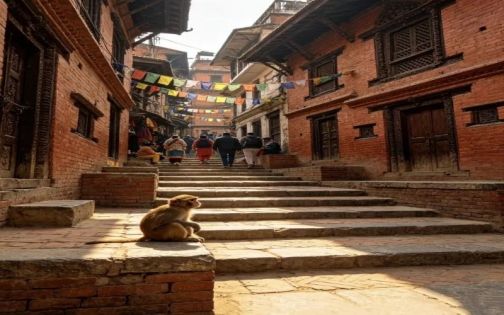
Swayambhunath Temple,Swayambhunath, commonly known as Monkey Temple, is one of the best viewpoints in Kathmandu.The hilltop stupa, monkeys and panoramic views of Kathmandu Valley create one of the city’s most iconic scenes.Entrance fee:Around 200 Nepalese Rupees.The best time to visit is before sunset when the city lights slowly appear.Tips:Monkeys can be aggressive. Avoid feeding them and keep your belongings secure, especially glasses, phones and snacks.
Day 2: Buddhist Stupas and Ancient Cities
On the second day, use taxis and walking to explore attractions located farther from central Kathmandu.Recommended route:Patan Durbar Square → Pashupatinath Temple → Boudhanath Stupa
Patan Durbar Square
Patan Durbar SquarePatan was one of the three ancient royal cities of the Kathmandu Valley and is considered one of the most beautiful historical areas in Nepal.Compared with Kathmandu Durbar Square, Patan feels more peaceful and preserves more traditional architecture.Highlights include:Patan Museum,Royal Bath,Ancient temples,Traditional streets,Rooftop cafés overlooking the square。Entrance fee:Around 500 Nepalese Rupees for Chinese passport holders.A great way to enjoy Patan is visiting a rooftop restaurant, ordering a drink and watching daily life unfold below.
Pashupatinath Temple (Burning Ghats)
Pashupatinath Temple,Pashupatinath Temple is one of the most important Hindu temples in Nepal.Located beside the Bagmati River, the temple is famous for its traditional cremation ceremonies.It offers a powerful experience of Nepalese beliefs about life and death.Visitors should remember:Do not take close-up photos of cremations,Respect local religious customs,Avoid disturbing worshippers。Entrance fee:Around 1,000 Nepalese Rupees.Visiting around sunset also allows travelers to experience evening religious ceremonies along the river.
Boudhanath Stupa
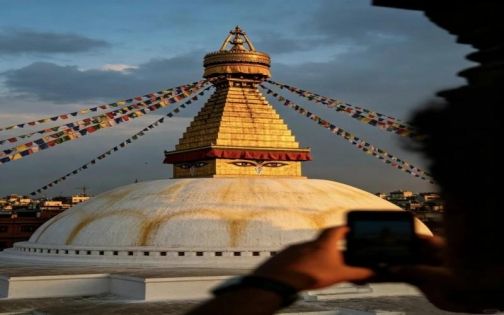
Boudhanath Stupa,Boudhanath is one of the largest spherical Buddhist stupas in the world and an important pilgrimage site for Tibetan Buddhists.The giant Buddha eyes looking in four directions are the symbol of this landmark.Entrance fee:Around 400 Nepalese Rupees.The best atmosphere is during the evening when locals and pilgrims walk clockwise around the stupa while spinning prayer wheels.The surrounding cafés are also perfect places to relax and enjoy the view.
Kathmandu
Kathmandu Food Recommendations
The Thamel area has many restaurants suitable for international travelers.Must-try dishes:Momo (Nepali dumplings),Dal Bhat (traditional Nepali meal),Thukpa (Tibetan-style noodle soup),Nepali milk teaRecommended places:Yog Rooftop Garden Restaurant: Great for sunset views and relaxing evenings.Roadhouse Cafe Boudha: Enjoy food while overlooking Boudhanath Stupa.Himalayan Java Coffee: A popular Nepalese coffee chain with branches near many attractions.
Practical Kathmandu Travel Tips
Transportation
Recommended ride-hailing apps:Pathao,inDrive,They are usually cheaper and more reliable than negotiating with street taxis.,Always carry small notes because some drivers may not have change.
Money Exchange
It is recommended to exchange only a small amount at the airport for transportation.For better rates, exchange money in the Thamel area.Avoid strangers approaching you on the street offering money exchange or tours.
What to Bring
Comfortable walking shoes are essential because many old streets have uneven surfaces.Also prepare:Power bank,Small cash,Sun protection,A light jacket,A mask for dusty streetsKathmandu may not be the cleanest or most modern city, but it is a place full of stories.For travelers who enjoy history, culture and slow travel, Kathmandu is worth spending several days exploring. Walk through ancient streets, visit centuries-old temples, sit at a rooftop café and watch everyday life unfold — this is the true charm of Nepal’s capital.
Kathmandu
📍 Kathmandu City Walk Guide – Key Takeaways
- Kathmandu is a city best explored slowly — its charm is not found in modern buildings or luxury experiences, but in ancient streets, temples, local markets, traditional architecture and everyday Nepalese life.
- Recommended stay: 3–5 days
A slower itinerary allows travelers to experience Kathmandu’s cultural heritage, historic sites, local food and relaxed rooftop café atmosphere without rushing. - Best area to stay: Thamel
Thamel is the ideal base for first-time visitors, offering:- Convenient transportation
- Wide choices of hotels and guesthouses
- Restaurants and cafés
- Currency exchange services
- Travel agencies and shopping options
- Best way to explore Kathmandu: walking + local transportation
The old city areas are perfect for walking, allowing travelers to discover hidden temples, markets and traditional neighborhoods. For longer distances, ride-hailing apps such as Pathao and inDrive are practical choices. -
Recommended 3-day Kathmandu itinerary:
Day 1: Old City Walking Experience
- Thamel — explore tourist streets, handicraft shops and local cafés
- Garden of Dreams — a peaceful European-style garden in the city center
- Ason Market — experience authentic local daily life
- Kathmandu Durbar Square — explore Nepal’s royal history and ancient architecture
- Swayambhunath (Monkey Temple) — enjoy sunset views over Kathmandu Valley
Day 2: Buddhist and Hindu Cultural Highlights
- Patan Durbar Square — admire traditional Newari architecture and royal heritage
- Pashupatinath Temple — experience one of Nepal’s most important Hindu religious sites
- Boudhanath Stupa — discover Tibetan Buddhist culture and evening pilgrimage rituals
Day 3: Slow Exploration
- Enjoy local cafés and rooftop views
- Explore Thamel markets
- Visit additional temples, museums or hidden streets based on personal interests
- Must-visit attractions:
- Kathmandu Durbar Square
- Swayambhunath Stupa (Monkey Temple)
- Patan Durbar Square
- Pashupatinath Temple
- Boudhanath Stupa
- Must-try Nepalese experiences:
- Drink traditional Nepali milk tea
- Try momo dumplings and dal bhat
- Watch sunset from rooftop cafés
- Explore local markets and handicraft shops
- Observe Buddhist and Hindu traditions
- Food recommendations:
Kathmandu offers a mix of Nepalese, Tibetan and international cuisine. Popular choices include:- Momo (Nepali dumplings)
- Dal Bhat (traditional Nepali meal)
- Thukpa (Tibetan noodle soup)
- Nepali milk tea
- Rooftop restaurants overlooking historic areas
- Practical travel tips:
- Wear comfortable walking shoes as many old streets are uneven.
- Carry small cash for markets, transportation and small shops.
- Respect local customs when visiting temples and religious sites.
- Avoid photographing religious ceremonies without permission.
- Keep valuables secure in crowded markets and tourist areas.