
Kathmandu to Lhasa: How to Get to Tibet from Nepal
For travelers dreaming of exploring the Himalayas, combining Nepal and Tibet in one journey offers an unforgettable experience. Nepal provides the gateway to the southern side of the Himalayas, while Tibet reveals the mysterious landscapes of the Tibetan Plateau, ancient monasteries, and some of the world’s highest mountains. Thanks to the close geographical connection between the two regions, traveling from Nepal to Tibet has become one of the most popular routes for international visitors.
Key Points Summary
- Nepal is the only country with a direct international land connection to Tibet, making Kathmandu one of the most convenient gateways to the Tibetan Plateau.
- Travelers can reach Tibet from Nepal by direct flight from Kathmandu to Lhasa, overland journey through Gyirong Port, or helicopter adventure via Purang.
- The classic Kathmandu to Lhasa overland route follows the Sino-Nepal Friendship Highway and includes highlights such as Mount Everest Base Camp, Shigatse, Yamdrok Lake, and Lhasa.
- Travelers can also enter Tibet through mainland China cities such as Chengdu, Kunming, and Guangzhou before continuing to Lhasa by train, flight, or road.
- A Tibet Travel Permit and other required travel documents are necessary, and working with a local Tibet travel agency can make the entire process smoother and more reliable.
Why Travel From Nepal to Tibet?
Nepal and Tibet share a deep historical and cultural connection that has lasted for centuries. Located on the southern side of the Himalayas, Nepal is famous for its trekking routes, Hindu and Buddhist heritage, and breathtaking mountain scenery. Tibet, often called the “Roof of the World,” attracts travelers with its high-altitude landscapes, sacred Buddhist sites, and unique Tibetan culture.
For many international travelers, combining Nepal and Tibet in one trip is an ideal way to experience the complete Himalayan region. Instead of seeing Mount Everest from only one side, visitors can admire the world’s highest mountain from both Nepal’s southern perspective and Tibet’s northern viewpoint.
Nepal is currently the most popular international gateway for travelers entering Tibet. Kathmandu, the capital city of Nepal, has convenient international flight connections and is located relatively close to the Tibetan border. From Kathmandu, travelers can either fly directly to Lhasa, travel overland through Gyirong Port, or choose more adventurous routes into western Tibet.
Among these options, the best choice depends on your travel schedule, budget, and the type of experience you want. Some travelers prefer the speed and convenience of a flight, while others choose the overland route because it allows them to slowly discover the Himalayan scenery along the way.
The Best Ways To Travel From Nepal To Tibet
There are three main ways to travel from Nepal to Tibet: taking a direct flight from Kathmandu to Lhasa, traveling overland through Gyirong Port, or taking a helicopter route via Purang.
Each option offers a completely different travel experience. The flight is the fastest and most convenient option, the overland journey provides the most rewarding Himalayan adventure, and the helicopter route is designed for travelers seeking a unique and exclusive experience.
Fly From Kathmandu To Lhasa: The Fastest And Most Convenient Option
For travelers with limited time, flying from Kathmandu to Lhasa is the easiest way to enter Tibet. The direct flight connects Nepal’s capital with Lhasa Gonggar International Airport, allowing visitors to reach the Tibetan Plateau within only a few hours.
The flight route crosses the Himalayas, offering passengers the opportunity to enjoy incredible aerial views of snow-covered peaks, including some of the world’s highest mountains when weather conditions are favorable.
The Kathmandu-Lhasa flight is operated by Himalayan Airlines. The journey usually takes around one and a half hours, making it the fastest transportation option between Nepal and Tibet.
However, because flights between Kathmandu and Lhasa operate on limited schedules, travelers should arrange their itinerary carefully and book tickets in advance, especially during Tibet’s peak travel seasons.
Compared with traveling overland, flying saves several days of travel time. This makes it a suitable choice for visitors who want to spend more time exploring Lhasa, Mount Everest Base Camp, or other Tibetan attractions rather than spending several days on the road.
After arriving in Lhasa, travelers should also remember that the altitude changes significantly. Kathmandu sits at around 1,400 meters above sea level, while Lhasa is located at approximately 3,650 meters. Since the elevation increases dramatically within a short period, it is important to allow your body enough time to adapt.
Resting on the first day, drinking enough water, avoiding intense exercise, and following a relaxed schedule can help reduce discomfort caused by altitude changes.
Travel Overland From Kathmandu To Lhasa Via Gyirong Port
For travelers who want to experience the true beauty of the Himalayas, the Kathmandu to Lhasa overland journey is the most memorable way to enter Tibet.
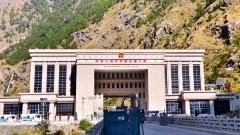
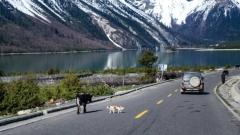
Following the Sino-Nepal Friendship Highway, this route connects Kathmandu with Lhasa through Gyirong Port, one of the most important border crossings between Nepal and Tibet. The journey covers approximately 1,200 kilometers and takes travelers through dramatic landscapes, including deep valleys, snow-covered mountains, high-altitude plateaus, and ancient Tibetan towns.
Unlike a quick flight, an overland journey allows visitors to experience the gradual transition from Nepal’s green mountain valleys to Tibet’s vast and open plateau landscapes.
Starting from Kathmandu, travelers first travel toward the Nepal-China border area. After crossing Gyirong Port, they officially enter Tibet and continue their journey through some of the most spectacular scenery in the Himalayan region.
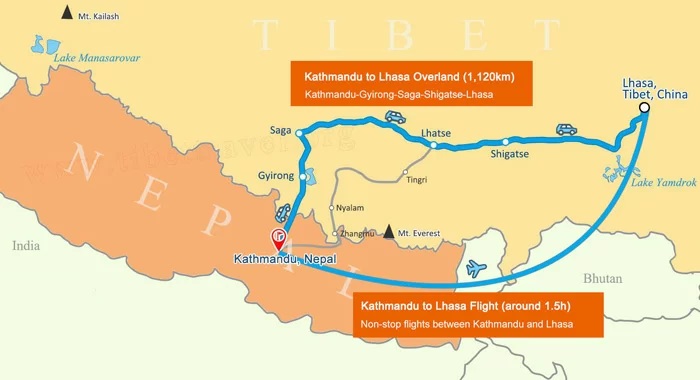
Travel Overland From Kathmandu To Lhasa
Explore Gyirong Valley: The Hidden Himalayan Gateway
Gyirong is one of the most beautiful border regions between Nepal and Tibet. Known as the “Valley of Happiness,” Gyirong offers a rare combination of lush forests, snow-capped mountains, rivers, and Tibetan villages.
Compared with other parts of Tibet, Gyirong has a relatively mild climate due to its location near the Himalayan southern slopes. The valley scenery creates a fascinating contrast with the dry and vast landscapes found in central Tibet.
Many travelers consider Gyirong one of the highlights of the Kathmandu to Lhasa overland route because it provides the first impression of Tibet after crossing the border.
Visit Mount Everest Base Camp On The Tibetan Side
One of the biggest attractions of the Kathmandu to Lhasa overland journey is visiting Mount Everest Base Camp on the Tibetan side.
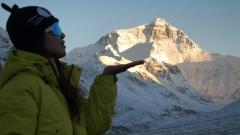
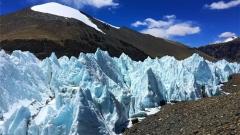
The northern Everest Base Camp offers a completely different perspective from the Nepal side. Travelers can enjoy a wider view of Mount Everest’s northern face, surrounded by glaciers, mountain valleys, and endless Himalayan landscapes.
Standing beneath the world’s highest peak is one of the most unforgettable moments of any Tibet Nepal journey.
The route also passes through high mountain passes, including Gyatso La and Gyawu La, where travelers can enjoy panoramic views of some of the highest Himalayan peaks.
Discover Shigatse: The Cultural Heart Of Western Tibet
After visiting Mount Everest Base Camp, the overland journey continues toward Shigatse, the second-largest city in Tibet and one of the most important cultural destinations on the Tibetan Plateau.
Located at an altitude of around 3,800 meters, Shigatse has played an important role in Tibetan history for centuries. The city is best known as the home of Tashilhunpo Monastery, one of the most influential Tibetan Buddhist monasteries and the traditional seat of the Panchen Lama.
Compared with the busy streets of Lhasa, Shigatse offers a quieter and more authentic atmosphere. Travelers can walk through the monastery complex, admire traditional Tibetan architecture, observe local religious activities, and gain a deeper understanding of Tibetan Buddhist culture.
The journey from Gyirong to Shigatse also allows travelers to experience the dramatic transformation of the landscape. The green valleys near the Nepal border gradually become wide-open plateau scenery, with snow-covered mountains, remote villages, grazing yaks, and endless blue skies accompanying the entire journey.
Visit Tashilhunpo Monastery: A Symbol Of Tibetan Buddhist Heritage
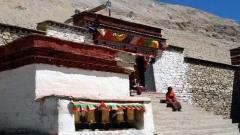
Tashilhunpo Monastery is one of the must-visit attractions on the Kathmandu to Lhasa route. Founded in the 15th century, it is among the six major monasteries of the Gelug school of Tibetan Buddhism.
The monastery is famous for its impressive golden roofs, large prayer halls, and the giant statue of the Future Buddha, which is considered one of the largest Maitreya Buddha statues in the world.
Walking through Tashilhunpo Monastery provides travelers with an opportunity to experience Tibet beyond its landscapes. The sound of monks chanting, the smell of traditional incense, and the devotion of pilgrims create a spiritual atmosphere that reflects the deep religious traditions of Tibet.
Explore Yamdrok Lake: Tibet’s Sacred Turquoise Lake
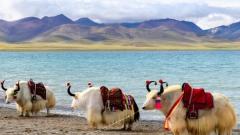
Known as the “Turquoise Lake,” Yamdrok Lake is famous for its stunning blue-green waters surrounded by snow-covered mountains.
For Tibetan Buddhists, Yamdrok Lake is considered one of the four most sacred lakes in Tibet. Many local people believe that the lake has spiritual power and protects the region.
Travelers can stop at several viewpoints around the lake to enjoy panoramic views and take photographs of the incredible landscape. The combination of turquoise water, snowy peaks, and clear Tibetan skies creates one of the most iconic images of Tibet.
The road around Yamdrok Lake also offers a memorable driving experience, with winding mountain roads climbing over high passes before descending toward the beautiful lakeside scenery.
Arrive In Lhasa: Explore The Spiritual Capital Of Tibet
The final destination of the journey is Lhasa, the legendary capital city of Tibet.
Known as the “City of Sunshine,” Lhasa has been the political and religious center of Tibet for centuries. The city combines ancient Tibetan traditions with modern development, creating a unique atmosphere that attracts travelers from around the world.
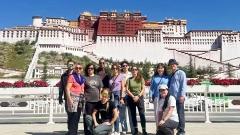
The most famous attraction in Lhasa is the Potala Palace, the former winter residence of the Dalai Lamas and a UNESCO World Heritage Site. Standing on Marpo Ri Hill, this magnificent palace dominates the city skyline and represents the spiritual symbol of Tibet.
Another essential attraction is Jokhang Temple, regarded as the holiest temple in Tibetan Buddhism. Located in the center of the old city, the temple attracts thousands of pilgrims every year who come to pray and complete religious rituals.
Nearby Barkhor Street is also worth exploring. This historic area surrounding Jokhang Temple is filled with traditional Tibetan shops, local restaurants, handicrafts, and pilgrims walking clockwise around the temple.
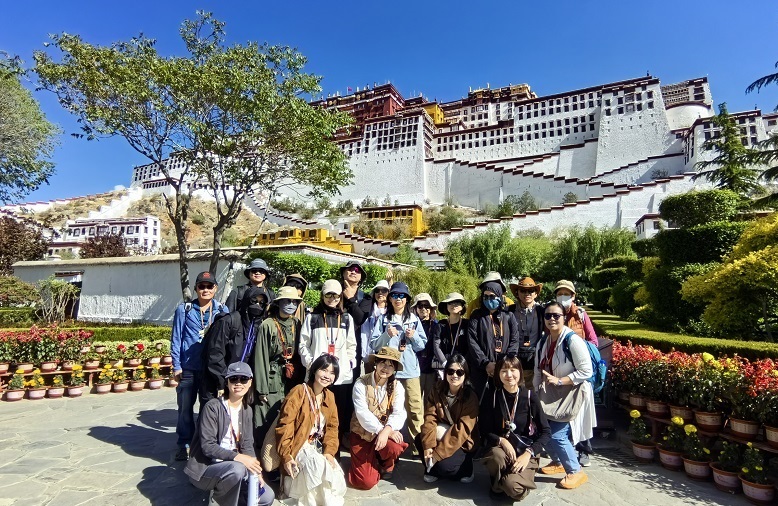
Potala Palace
Travel To Tibet From Nepal Through Mainland China
Although entering Tibet from Nepal is one of the most popular options, international travelers can also reach Tibet through mainland China.
Many visitors choose this route because major Chinese cities such as Chengdu, Kunming, Guangzhou, and Beijing have extensive international flight connections and convenient transportation to Tibet.
Traveling through mainland China also provides an opportunity to explore more of China’s diverse landscapes and cultures before reaching the Tibetan Plateau.
Fly From Nepal To Chengdu And Continue To Tibet
Chengdu is one of the most popular gateways to Tibet from mainland China. Located in Sichuan Province, Chengdu is famous for giant pandas, spicy Sichuan cuisine, and its relaxed lifestyle.
International travelers can take direct flights from Kathmandu to Chengdu and then continue their journey to Tibet by flight, train, or overland route.
Explore Chengdu Before Entering Tibet
Before heading to Tibet, travelers can spend a few days exploring Chengdu’s cultural attractions.
The Chengdu Research Base of Giant Panda Breeding is one of the city’s most popular attractions, offering visitors the chance to see giant pandas in a natural-looking environment.
Travelers interested in Chinese history can visit Wuhou Shrine, a famous historical site dedicated to Zhuge Liang, an important strategist from the Three Kingdoms period.
For those seeking a peaceful cultural experience, Wenshu Monastery provides a quiet escape with traditional Buddhist architecture, gardens, and tea houses.
Chengdu is also an excellent place to experience Sichuan cuisine, including famous dishes such as hot pot, mapo tofu, and spicy noodles.
Take The Tibet Train From Chengdu To Lhasa
The Chengdu to Lhasa train is one of the most scenic railway journeys in China.
The train crosses the Tibetan Plateau and gradually climbs from the Sichuan Basin to the high-altitude region of Tibet. Along the way, passengers can enjoy views of snow mountains, grasslands, rivers, and remote Tibetan villages.
The railway journey takes more than 30 hours, but many travelers consider it a once-in-a-lifetime experience because it allows them to slowly adapt to the increasing altitude.
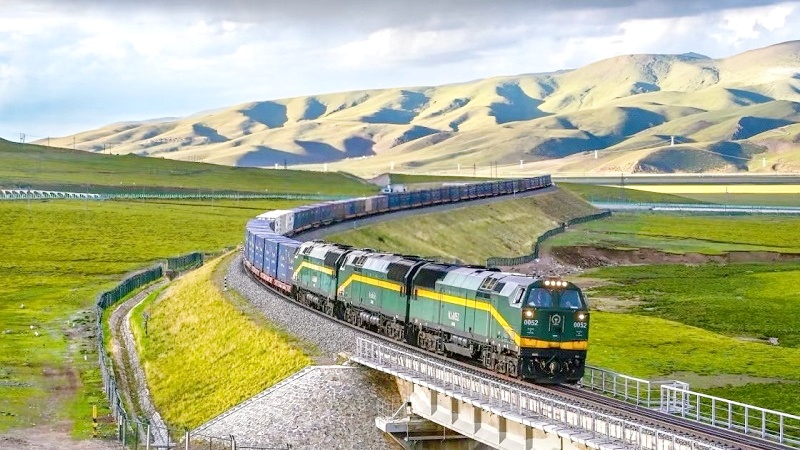
Tibet Train
Fly From Chengdu To Lhasa
For travelers who prefer a faster option, flights from Chengdu to Lhasa operate daily.
The flight takes approximately two and a half hours and provides convenient access to Tibet’s capital city.
Compared with the train, flying saves significant time, making it a good option for travelers with shorter vacation periods.
Enter Tibet From Nepal Via Kunming
Kunming, the capital of Yunnan Province, is another possible gateway to Tibet.
Known as the “Spring City” because of its pleasant climate throughout the year, Kunming offers a completely different experience before travelers enter the high-altitude Tibetan world.
Discover Kunming Before Your Tibet Adventure
Kunming has many attractions worth exploring, including the famous Stone Forest, a UNESCO World Heritage Site featuring unique limestone formations created over millions of years.
Dianchi Lake offers beautiful views of mountains and water, while Yuantong Temple provides visitors with a peaceful introduction to Chinese Buddhist culture.
Travelers who have more time can also explore nearby destinations such as Dali, Lijiang, and Shangri-La before continuing toward Tibet.
Continue From Kunming To Lhasa
From Kunming, travelers can reach Lhasa by flight or combine train routes through other Chinese cities.
The flight from Kunming to Lhasa takes around two and a half hours, making it one of the convenient ways to reach Tibet.
For adventurous travelers, the Yunnan-Tibet route offers an incredible overland journey through mountains, valleys, and Tibetan cultural regions.
The G214 National Highway passes through spectacular destinations including Dali, Tiger Leaping Gorge, Meili Snow Mountain, and Deqin before entering Tibet.
Enter Tibet From Nepal Via Guangzhou
Guangzhou is another possible gateway for international travelers who want to combine a China trip with a Tibet adventure. As one of China’s largest international transportation hubs, Guangzhou offers convenient flight connections from Nepal and various transportation options to Lhasa.
Although the journey from Guangzhou to Tibet is longer compared with routes through Chengdu or Kunming, it provides travelers with a chance to experience the unique culture, history, and cuisine of southern China before reaching the Tibetan Plateau.
Explore Guangzhou: A Modern City With Deep Cultural Roots
Before heading to Tibet, travelers can spend time discovering Guangzhou’s fascinating combination of modern city life and traditional Lingnan culture.
The Canton Tower is one of Guangzhou’s most recognizable landmarks. Standing beside the Pearl River, the tower provides impressive views of the city skyline, especially at night when the entire city lights up.
Shamian Island offers a completely different atmosphere, with quiet tree-lined streets, historic buildings, and European-style architecture reflecting Guangzhou’s international trading history.
Nature lovers can visit Baiyun Mountain, a popular scenic area where visitors can escape the busy city and enjoy fresh air, hiking trails, and panoramic views.
Food is also an important part of the Guangzhou experience. As the birthplace of Cantonese cuisine, the city offers countless opportunities to try traditional dishes such as dim sum, roasted meats, and local seafood.
Continue From Guangzhou To Lhasa
After exploring Guangzhou, travelers can continue to Tibet by train or flight.
The Guangzhou to Lhasa train is one of the longest railway journeys to Tibet, covering nearly 5,000 kilometers. The train gradually travels from southern China toward the Tibetan Plateau, allowing passengers to enjoy changing landscapes throughout the journey.
For travelers who prefer saving time, flights from Guangzhou to Lhasa are also available. Although most flights require a transfer, they provide a faster and more comfortable option compared with the long railway journey.
Tibet Travel Permits And Documents For Travelers From Nepal
Before planning your journey from Nepal to Tibet, it is important to understand the required travel documents. Unlike traveling to many other destinations, entering Tibet requires additional permits and arrangements due to the region’s special travel regulations.
The most important document is the Tibet Travel Permit, which is mandatory for all international travelers visiting Tibet.
International visitors cannot apply for this permit independently. Instead, it must be arranged through a registered local Tibet travel agency.
Tibet Travel Permit Application
To apply for a Tibet Travel Permit, travelers usually need to provide a scanned copy of their passport and other required documents to their Tibet travel agency in advance.
The application process generally takes around 15 to 20 working days, although processing times may vary depending on travel seasons and local policies.
Once approved, the permit allows travelers to enter Tibet and visit destinations such as Lhasa, Shigatse, Mount Everest Base Camp, and other permitted areas.
For travelers entering Tibet from Nepal, the document requirements are slightly different from those entering through mainland China.
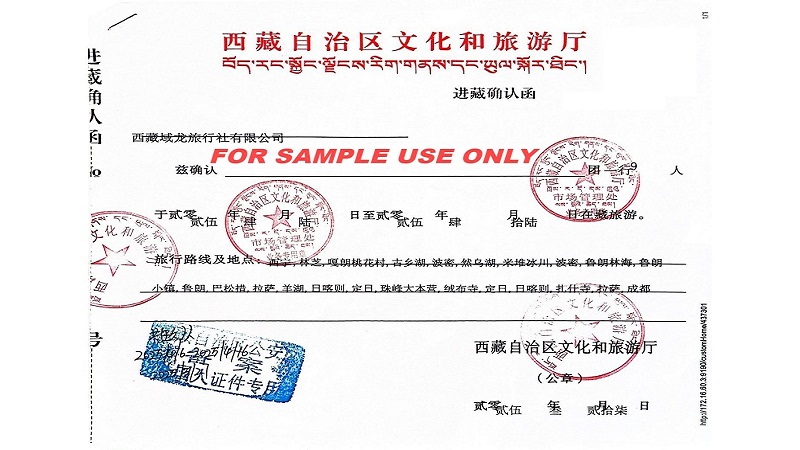
China Dragon Travel – Tibet Travel Permit
Chinese Group Visa For Entering Tibet From Nepal
Travelers who enter Tibet from Nepal usually need a Chinese Group Visa instead of a regular Chinese tourist visa.
The Chinese Group Visa is applied for through the Chinese Embassy in Kathmandu. The application process normally takes several working days, and travelers need to submit their passport information and required documents.
The advantage of applying for the Chinese Group Visa in Kathmandu is that travelers do not need to obtain a standard Chinese visa before arriving in Nepal.
A professional Tibet travel agency with local support in Kathmandu can assist travelers with the application process and ensure all documents are prepared correctly.
Additional Permits For Tibet Travel
Besides the Tibet Travel Permit, some destinations in Tibet require additional permits.
For example, travelers visiting Mount Everest Base Camp need a Frontier Pass and other related travel documents.
These permits are usually arranged by the travel agency before departure. Working with a reliable local operator helps avoid unexpected problems and allows travelers to focus on enjoying the journey.
What Is The Best Way To Travel From Nepal To Tibet?
The best way to travel from Nepal to Tibet depends on your personal travel style, available time, and budget.
For travelers who want the fastest option, the direct flight from Kathmandu to Lhasa is the most convenient choice. It saves time and allows more days to explore Tibet.
For those who want the most memorable Himalayan experience, the Kathmandu to Lhasa overland journey via Gyirong Port is highly recommended. Although it takes longer, the route offers incredible scenery, including Mount Everest, Himalayan valleys, sacred lakes, and Tibetan cultural sites.
For adventurous travelers seeking something different, the helicopter route through Purang provides a unique way to enter western Tibet and explore sacred destinations such as Mount Kailash and Lake Manasarovar.
Travelers who have more time can also choose to enter Tibet through mainland China. Routes through Chengdu, Kunming, and Guangzhou allow visitors to combine Tibet with other fascinating destinations in China.
Best Time To Travel From Nepal To Tibet
Although Tibet and Nepal can be visited throughout the year, choosing the right season can greatly improve your travel experience.
The best time for a Nepal Tibet journey is generally from April to June and September to November.
During spring, temperatures become more comfortable, flowers begin blooming, and mountain views are often clear.
Autumn is considered one of the best seasons because the weather is dry, skies are bright, and visibility is excellent. This period is especially suitable for viewing Mount Everest and traveling overland through the Himalayas.
The summer months from June to August are affected by the monsoon season, especially in Nepal. Heavy rainfall may cause landslides and delays on roads near the Nepal-Tibet border.
Winter can be extremely cold in Tibet, but it also offers clear skies, fewer tourists, and lower travel costs. Major cities such as Lhasa and Shigatse remain accessible, although some high-altitude destinations may have limited access.
Why Choose China Dragon Travel For Your Nepal To Tibet Journey?
Traveling from Nepal to Tibet is an extraordinary adventure, but arranging permits, transportation, accommodation, and border procedures can be complicated for international visitors.
As a local Tibet travel agency, China Dragon Travel specializes in creating seamless Tibet and Nepal travel experiences for overseas travelers.
From Kathmandu to Lhasa overland tours, Tibet Everest Base Camp adventures, and customized Tibet itineraries, our local team helps travelers manage every important detail, including Tibet Travel Permit applications, border arrangements, transportation, hotels, and professional local guides.
With years of experience serving international visitors, China Dragon Travel understands the needs of travelers from different countries and provides reliable local support throughout the journey.
Whether you choose to fly from Kathmandu to Lhasa, cross the Himalayas by road, or enter Tibet through mainland China, a well-organized itinerary can transform your Tibet adventure into a smooth and unforgettable experience.
The journey from Nepal to Tibet is not just a transfer between two destinations. It is a once-in-a-lifetime exploration of the Himalayas, ancient Buddhist culture, and some of the most breathtaking landscapes on Earth.