
Key Takeaways
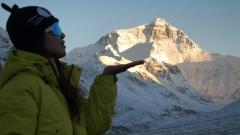
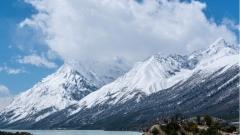
- Naisa Village in Gyirong Valley is one of Tibet’s best hidden sunrise destinations, known as a “paradise village above the snow mountains,” where travelers can witness the spectacular golden mountain sunrise surrounded by snow peaks, forests, and Tibetan villages.
- The best time to see the Golden Mountain Sunrise is from October to November, when the rainy season ends, the air becomes clearer, and the chance of seeing snow peaks illuminated by golden sunlight is higher. Winter months from November to March are also suitable due to dry weather and fewer clouds.
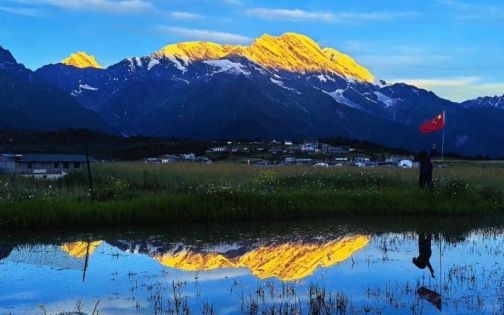
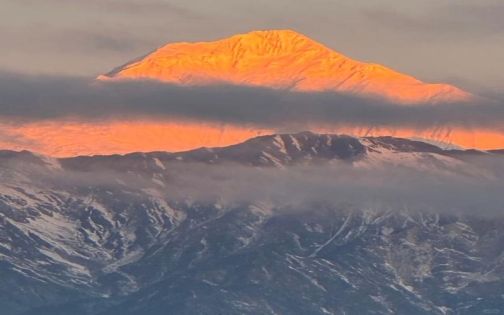
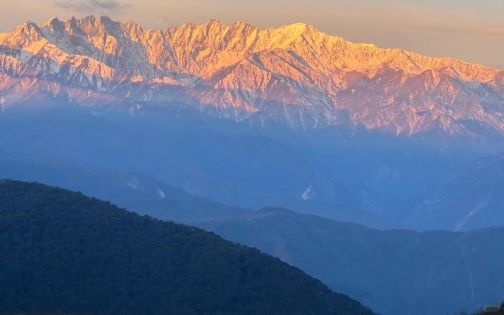
- The most beautiful sunrise moment usually lasts only 20–30 minutes, with the best light appearing shortly after sunrise when the snow mountains change from white to golden and orange-red colors.
- The main sunrise viewpoints include Naisa Village Viewing Platform and Nainuobu Lake, where visitors can capture panoramic snow mountain views, Tibetan villages, grasslands, and stunning mountain reflections.
- Gyirong Town is the ideal base for sunrise trips, located at around 2,700 meters above sea level with comfortable accommodation options, restaurants, and easy access to Naisa Village within about 10–30 minutes by car.
- Arrive early and prepare for changing weather conditions, as sunrise visibility depends heavily on weather. Staying 2–3 days in Gyirong Valley can significantly increase your chance of witnessing the perfect golden mountain moment.
- Photography lovers should bring a camera, telephoto lens, tripod, and spare batteries, while using lakes, grasslands, villages, and Tibetan architecture as foreground elements to create more memorable compositions.
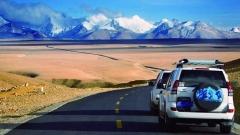
- The Asia No.1 Viewing Platform offers more dramatic scenery but requires better preparation, especially during the rainy season when roads can become muddy and challenging. A four-wheel-drive vehicle is recommended.
- Gyirong Valley is more than a sunrise destination, with nearby attractions including Zha Village, Langji Lake, Paba Temple, Jibu Canyon, and Kaire Waterfall, allowing travelers to experience the unique transition from snowy mountains to subtropical valleys.
- The magic of Gyirong Valley lies in patience and timing—standing beneath the Himalayas and watching the first sunlight illuminate the snow peaks is one of the most unforgettable experiences in Tibet.
Gyirong Valley
Best Time to Watch the Golden Mountain Sunrise in Naisa Village
October to November: The Best Season for Sunrise Photography
Although Gyirong Valley offers beautiful scenery throughout the year, October and November are considered the best months for viewing the golden mountain sunrise.After the rainy season ends, the air becomes much clearer and drier, creating better visibility. The snow mountains appear sharper, while the autumn forests and golden grasslands create a stunning contrast with the white peaks.November to March is also a good period for sunrise photography. During winter, Tibet’s high-altitude air is dry, and there are usually fewer clouds. On a clear morning, the chance of seeing the mountains illuminated by golden sunlight is very high.However, winter temperatures in Gyirong Valley can be extremely cold, so warm clothing and proper equipment are necessary.
The Best Sunrise Moment: Within 30 Minutes After Sunrise
Because Gyirong Valley is located on the Tibetan Plateau, sunrise happens later than in eastern China. Depending on the season, the best viewing period is usually between 6:30 AM and 8:30 AM.The entire golden mountain process usually lasts around 20–30 minutes, and the light changes quickly.
Golden Mountain Sunrise Light Changes
About 30 minutes before sunrise, the sky begins to brighten, and the outline of the snow mountains gradually appears. This is the perfect moment to photograph the mountains with morning colors and silhouettes.Around 5 minutes after sunrise, the first sunlight reaches the mountain peaks, changing them from white to soft golden tones.Around 15 minutes after sunrise, the mountains enter their most spectacular stage. The snow peaks may turn golden or even orange-red, creating the classic “Golden Mountain” scene.After around 30 minutes, the sunlight becomes stronger, and the mountains slowly return to their natural white color.For the best experience, arrive at the viewing point at least 30 minutes before sunrise.
Location and Transportation to Naisa Village
Where Is Naisa Village?
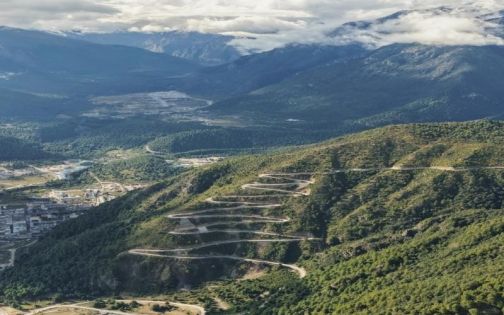
Naisa Village is located near Gyirong Town in Gyirong County, Shigatse City, Tibet, close to the China-Nepal border. It is one of the important Tibetan villages inside Gyirong Valley.The distance from Gyirong Town to Naisa Village is not far, usually requiring around 10–30 minutes by car. However, because the road follows mountain terrain with many curves, driving slowly and carefully is necessary, especially before sunrise.Most travelers choose to stay overnight in Gyirong Town and leave early in the morning for sunrise viewing.
Staying Overnight in Gyirong Town
Gyirong Town sits at an altitude of about 2,700 meters, much lower than many other Tibetan destinations. The climate is relatively comfortable, and visitors usually experience less altitude pressure compared with places like Lhasa or Everest Base Camp.The town is quiet, with many restaurants and accommodation options. Even during the low season, travelers can usually find comfortable hotels at reasonable prices.
Driving Route and Practical Experience
If departing from Gyirong Town, it is recommended to leave around 7:00 AM. Although the road conditions are generally good, the mountain roads require careful driving due to frequent bends.After reaching Naisa Village, continue driving upward. Along the way, you may find a partially open small iron gate. Open the gate, continue uphill, and find a suitable place to park.After parking, there is a small walking trail nearby. Following the path upward, you will discover beautiful views of snow mountains, forests, and Tibetan villages. This area is excellent for photography.
Best Sunrise Viewing Locations in Gyirong Valley
Naisa Village Viewing Platform: A Panorama of Snow Mountains
The Naisa Village viewing platform is located halfway along the route to the village and offers a wide view over Gyirong Valley.From here, you can capture the valley, Tibetan villages, forests, and distant snow peaks in one frame. During sunrise, the changing light creates incredible depth and layers, making it one of the best places for landscape photography.
Nainuobu Lake: The Best Place for Snow Mountain Reflections
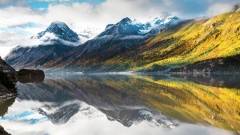
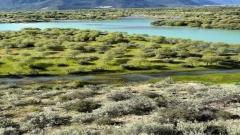
For travelers who want a more artistic composition, Nainuobu Lake is highly recommended.The area features three traditional stupas, open grasslands, and a peaceful lakeside environment. On a clear morning, the snow mountains reflect perfectly on the water, creating a dreamlike Tibetan landscape.A wide-angle lens is recommended here to include the lake, mountains, grasslands, and Tibetan architecture in the same composition.
Gyirong Valley
Asia No.1 Viewing Platform Sunrise Guide: Important Rainy Season Tips
Besides Naisa Village, another famous sunrise location near Gyirong Valley is the Asia No.1 Viewing Platform.Located at a higher altitude, this viewpoint offers an even wider panorama of snow mountains and clouds. However, reaching this location is much more challenging.During the rainy season, mountain roads can become muddy and difficult. A four-wheel-drive vehicle is strongly recommended, as some sections can be extremely rough.Road construction and traffic restrictions may also affect access, so travelers should check the latest road conditions before departure.During the rainy season, the best strategy is to leave early in the morning if there was no rain in Gyirong Town the previous night.Because mountain weather changes rapidly, driving up in the evening for sunset is often unreliable. Heavy fog can completely block the view, even after reaching the viewpoint.During autumn and winter, when weather conditions are more stable, camping or spending longer time at the viewpoint becomes possible. However, visitors must prepare sufficient warm clothing and equipment.
Photography Tips for Gyirong Valley Sunrise
Recommended Photography Equipment
To capture the golden mountain sunrise, the following equipment is recommended:A camera with a telephoto lens helps bring distant snow peaks closer and highlight mountain details.A tripod is highly useful because early morning light is limited, and stable equipment prevents blurry images.Extra batteries are essential because cold temperatures significantly reduce battery performance at high altitudes.Mobile phones can also capture beautiful photos. Using manual settings and slightly reducing exposure can help preserve the golden colors of the sunrise.
Sunrise Photography Techniques
Do not photograph only the mountains. Include Tibetan villages, grasslands, lakes, and people as foreground elements to create more storytelling and emotional travel photos.If the night before is clear, you may also capture stars or the moon above the snow mountains before sunrise.When the first sunlight reaches the peaks, do not take only one photo. The golden colors change quickly, so continuously photographing the process will help you capture the most beautiful moments.
Gyirong Valley
Practical Travel Tips for Gyirong Valley
Check Weather Conditions Before Departure
Weather is the most important factor affecting whether you can see the golden mountain sunrise.Before traveling, check the weather forecast carefully. If the sky is clear in the evening and stars are visible at night, the possibility of seeing a beautiful sunrise the next morning is usually much higher.During the rainy season, Tibetan mountain weather can change rapidly. Even if it rains at night, do not give up completely. Clouds may disappear before sunrise, revealing spectacular scenery.
Stay 2–3 Days to Increase Your Chance
The golden mountain sunrise is a natural phenomenon, and nobody can guarantee perfect conditions.If your schedule allows, staying in Gyirong Valley for 2–3 days is recommended. More time means more opportunities to experience clear weather and witness the mountains glowing in sunlight.
Recommended Nearby Attractions
Gyirong Valley is not only about sunrise. Travelers can combine the trip with several nearby attractions.Visit Zha Village to experience traditional Tibetan village life and explore untouched valley scenery. Visit Langji Lake to enjoy a peaceful high-altitude lake landscape. Explore Paba Temple with its long history, and discover Jibu Canyon and Kaire Waterfall to experience the unique transition from plateau landscapes to subtropical valleys.The greatest charm of Gyirong Valley is its incredible diversity. Within one day, travelers can experience snow mountains, forests, deep valleys, and warmer river landscapes—a rare geographical transformation in Tibet.
Gyirong Valley
Conclusion: Waiting for the Snow Mountains to Glow in Gyirong Valley
Naisa Village in Gyirong Valley is not a destination for a quick photo stop. It is a place where travelers need to slow down, wait, and experience nature.Standing beneath the snow mountains at dawn, watching the first sunlight paint the peaks gold while the quiet Tibetan village slowly awakens, creates a memory that represents the true spirit of Tibet.For travelers searching for a peaceful, authentic, and less crowded Tibetan destination, the golden mountain sunrise at Naisa Village in Gyirong Valley is an unforgettable experience worth adding to any Tibet itinerary.