
November in Linzhi is one of the most breathtaking seasons in Tibet.
If spring belongs to peach blossoms, then autumn belongs to color.
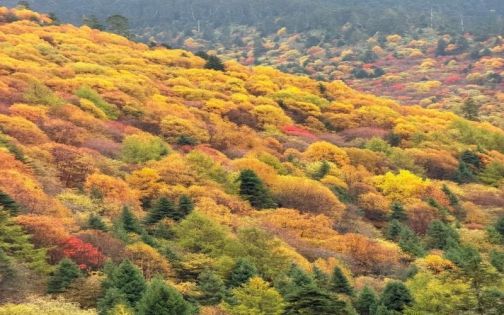
While much of Tibet begins preparing for winter, the forests along the Yarlung Tsangpo River burst into their most vibrant display of the year. Golden poplars, crimson shrubs, evergreen pines, and snow-covered peaks create a landscape so vivid that it feels as if a divine painter spilled every shade of autumn across the valleys.
Many travelers assume that Tibet’s tourism season ends after October. In reality, November is when Linzhi reaches its most spectacular form.
There are fewer crowds, clearer skies, lower accommodation costs, and some of the most stunning scenery Tibet has to offer.
Linzhi
Why Visit Linzhi in November?
Located in southeastern Tibet, Linzhi sits at an average elevation of around 3,000 meters, making it one of the most accessible regions for first-time visitors to the Tibetan Plateau.
November offers three major advantages.
Peak Autumn Foliage Season
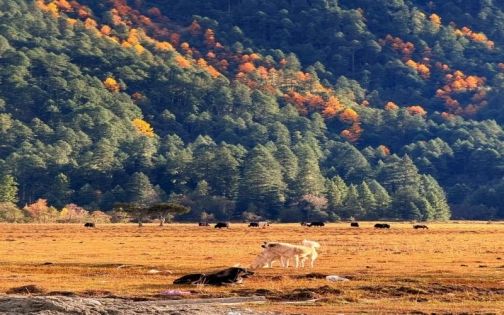
From late October through mid-November, forests throughout Linzhi transform into a sea of gold, orange, and red.
The valleys surrounding the Niyang River, the mountains around Basum Tso, and the Yarlung Tsangpo Grand Canyon become some of the most photogenic locations in Tibet.
Better Views of Snow Mountains
Autumn and early winter bring drier weather and higher atmospheric clarity.
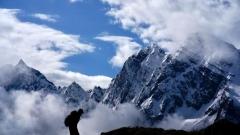
Compared with summer, when clouds often obscure mountain views, November offers a much better chance of seeing iconic peaks such as Namcha Barwa and Gyala Peri.
Fewer Tourists
After the National Day holiday rush, visitor numbers drop significantly.
Popular viewpoints become quieter, photography is easier, and the overall travel experience feels more intimate and relaxed.
Solo Travel in Tibet Is Easier Than You Think
Many people worry about traveling to Tibet alone.
In reality, solo travelers are everywhere.
Whether joining a local small-group tour after arriving in Lhasa or exploring independently, it’s common to meet fellow adventurers from around the world.
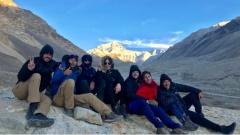
Many travelers come alone but leave with new friendships forged through shared experiences—watching sunrises over snow mountains, hiking through colorful forests, or simply spending long hours on Tibet’s scenic roads.
Tibet has a unique way of bringing together people who share a love for exploration.
Day 1: Chasing the Sunset at Namcha Barwa Peak
The journey from Lhasa to Linzhi follows the beautiful Niyang River.
Often considered one of Tibet’s most scenic rivers, its banks are lined with golden trees and colorful wetlands in November.
The combination of blue water, golden forests, and distant snow peaks creates a landscape that feels almost unreal.
Along the way, you’ll pass through Gongbo’gyamda County, Niyang River Wetlands, and countless roadside viewpoints where every stop feels like a postcard.
By evening, you’ll arrive at Suosong Village, one of the best places to view Namcha Barwa Peak.
Standing at 7,782 meters, Namcha Barwa is often regarded as the most beautiful mountain in China.
As the sun begins to set, golden light slowly illuminates the snow-covered summit.
If conditions are favorable, you’ll witness the famous “Golden Mountain” phenomenon, when the peak glows brilliantly under the last rays of sunlight.
The sight leaves many visitors speechless.
Namcha Barwa, however, is known for its elusive nature.
Often hidden behind clouds and mist, it has earned the nickname “The Shy Maiden Peak.”
Locals frequently say that “nine out of ten visitors never see its full face.”
Yet this unpredictability only makes the experience more meaningful.
Even when partially hidden, the mountain’s silhouette rising through drifting clouds remains unforgettable.
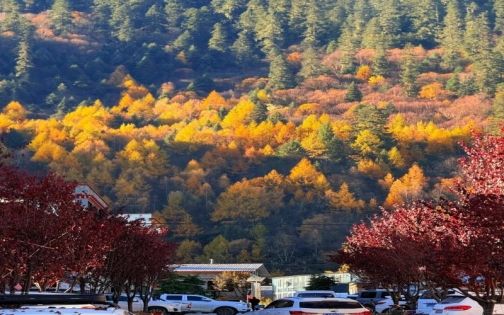
Spend the night in a traditional Tibetan guesthouse in Suosong Village.
On clear mornings, you may wake up to stunning views of snow peaks floating above a sea of clouds.
Linzhi
Day 2: The Emerald Dream of Basum Tso
The second day takes you to Basum Tso, Tibet’s first national 5A-rated scenic area.
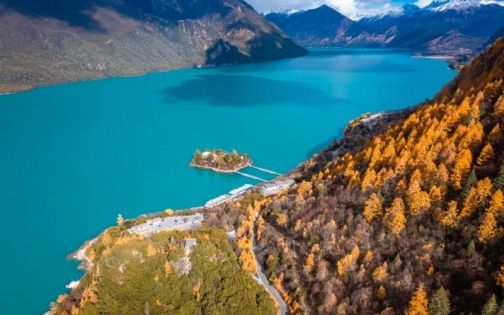
Known as the “Emerald Lake of Tibet,” Basum Tso is especially beautiful in autumn.
Its crystal-clear waters shift between shades of turquoise and deep green depending on the sunlight.
Golden forests surround the lake, creating perfect reflections on calm days.
The iconic island monastery in the middle of the lake provides one of Tibet’s most recognizable landscapes.
Beyond the main viewpoints, several lesser-known locations are worth exploring.
Forgotten Pier
A peaceful lakeside area with fewer visitors.
Ideal for photography and reflection shots.
Cuogao Village
A traditional Gongbu Tibetan village where wooden houses, cooking smoke, and autumn foliage create a timeless atmosphere.
Jieba Village
One of the quietest corners of the lake.
A perfect place to sit beneath golden trees and simply enjoy the stillness of the Tibetan Plateau.
Hidden Autumn Gems Around Linzhi
Besides Suosong Village and Basum Tso, several other locations deserve a place on your itinerary.
Lulang Forest
Often called the “Swiss Alps of Tibet.”
Rolling meadows, colorful forests, and snow-capped mountains combine to create some of the region’s most beautiful scenery.
Yarlung Tsangpo Grand Canyon
The deepest canyon on Earth.
In autumn, its forests display a remarkable range of colors, making it one of the most spectacular destinations in Tibet.
Sejila Mountain Pass
At an elevation of approximately 4,700 meters, this pass offers one of the best panoramic views of Namcha Barwa Peak.
Niyang River Scenic Corridor
A dream route for road trips and photography.
Nearly every bend reveals another breathtaking view.
Weather and What to Wear in November
Daytime temperatures in Linzhi generally range between 5°C and 15°C.
At night, temperatures often approach or drop below freezing.
Layered clothing is highly recommended.
Suggested Clothing
Base Layer:
- Thermal underwear
- Moisture-wicking shirts
Mid Layer:
- Fleece jacket
- Lightweight down jacket
Outer Layer:
- Waterproof and windproof shell jacket
Footwear:
- Hiking shoes
- Waterproof outdoor shoes
Additional Essentials:
- Sunglasses
- Sunscreen
- Lip balm
- Gloves
- Warm hat
- Reusable water bottle
Despite the cooler weather, ultraviolet radiation remains strong at high altitude, so sun protection is still important.
Linzhi
Best Photography Times
For the most dramatic photos, plan your shooting schedule carefully.
Sunrise
The first hour after sunrise often produces the best mountain and cloud-sea photography.
Morning
Between 9:00 a.m. and 11:00 a.m., autumn colors are typically at their most vibrant.
Late Afternoon
From 4:00 p.m. to 6:00 p.m., warm golden light enhances both landscapes and portraits.
Sunset
The final 30 minutes before sunset offer the best chance to photograph the famous golden glow on Namcha Barwa Peak.
If your primary goal is to see Namcha Barwa clearly, consider staying at least two nights in the area.
This greatly improves your chances of catching favorable weather conditions.
Why Linzhi in Autumn Is Worth the Journey
Some destinations are meant to be checked off a list.
Others are meant to be experienced slowly.
Linzhi belongs to the latter.
November lacks the crowds of spring and the lush greenery of summer, but it offers something even more memorable: mature colors, crystal-clear mountain views, quiet valleys, and a sense of peace that is increasingly rare in modern travel.
Perhaps you’ll witness the golden glow on Namcha Barwa Peak.
Perhaps the mountain will remain hidden behind clouds.
Either way, as the autumn breeze moves through the forests of the Niyang River, as the lights of Suosong Village begin to glow at dusk, and as Basum Tso reflects the golden colors of fall, you’ll understand why so many travelers consider autumn in Linzhi one of Tibet’s greatest masterpieces.
In November, Linzhi is not simply a destination.
It is a living painting painted by nature itself.
Linzhi
recommend route: