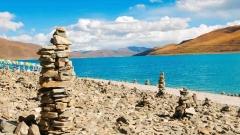
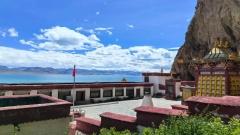
Tibet is often called the Roof of the World, a title that rightfully reflects its staggering average elevation of over 4,000 meters. For many prospective visitors, the fear of altitude sickness is the primary barrier to planning a trip. However, not all parts of this vast autonomous region sit at extreme heights. Understanding which areas in Tibet are at lower altitudes can completely transform your travel experience, allowing you to enjoy the breathtaking landscapes, rich culture, and spiritual atmosphere without pushing your body to its physiological limits. By strategically choosing your entry points and destinations, you can acclimatize gradually and comfortably.
Key Takeaways
- Nyingchi is the lowest major region in Tibet, sitting around 3,000 meters.
- Lhasa offers a manageable elevation of approximately 3,650 meters.
- Shannan features diverse terrain with several valleys below 3,500 meters.
- The Yarlung Tsangpo River basin creates naturally lower-altitude corridors.
- Gradual ascent through lower regions significantly reduces altitude sickness risks.
Why Altitude Matters When Exploring Tibet?
Before diving into specific locations, it is essential to understand why elevation plays such a critical role in Tibetan travel. At higher altitudes, the atmospheric pressure drops, meaning each breath delivers less oxygen to your bloodstream. This reduction can lead to Acute Mountain Sickness (AMS), characterized by headaches, nausea, fatigue, and shortness of breath. While most healthy individuals can adapt to elevations up to 3,500 meters relatively easily, pushing beyond 4,000 or 5,000 meters requires careful preparation and acclimatization.
Identifying which areas in Tibet are at lower altitudes allows travelers to design itineraries that start gently. Instead of flying directly into a high-altitude hub and risking immediate discomfort, savvy travelers use lower-elevation regions as stepping stones. This approach not only protects your health but also enhances your overall enjoyment, giving you the energy to hike, explore monasteries, and engage with local communities rather than resting in a hotel room waiting for a headache to subside.
Nyingchi: The Lowest and Greenest Region in Tibet
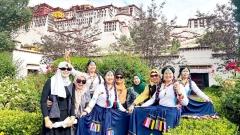
When discussing which areas in Tibet are at lower altitudes, Nyingchi (also known as Linzhi) must be the first destination mentioned. Located in the southeastern part of the Tibet Autonomous Region, Nyingchi sits at an average elevation of roughly 3,000 meters, with some of its deeper river valleys dropping even lower, occasionally reaching around 2,700 meters. This dramatic difference in altitude compared to central and western Tibet makes Nyingchi the most popular entry point for travelers who are particularly sensitive to high elevations.
Nyingchi’s lower altitude is primarily due to its geography. The region is carved by the mighty Yarlung Tsangpo River and its tributaries, creating deep gorges that channel warm, moist air from the Indian Ocean. This unique microclimate results in a landscape that looks entirely different from the arid, windswept plateaus typically associated with Tibet. Here, you will find dense alpine forests, lush meadows, and cascading waterfalls. It is often referred to as the “Switzerland of Tibet” or the “Jiangnan of Tibet” due to its abundant greenery and mild weather.
The administrative center, Bayi Town, sits at about 2,900 meters, making it incredibly comfortable for most visitors upon arrival. From Bayi, you can explore the famous Yarlung Tsangpo Grand Canyon, one of the deepest canyons on Earth. Because the canyon floor is so low, hiking trails here offer spectacular views without the grueling physical toll of high-altitude trekking. Another highlight is the Lulang Forest, a pristine expanse of pine trees and alpine pastures situated around 3,300 meters. The drive through the Sejila Mountain Pass (over 4,700 meters) to reach Lulang is brief, and you quickly descend back into the oxygen-rich environment of the forest.
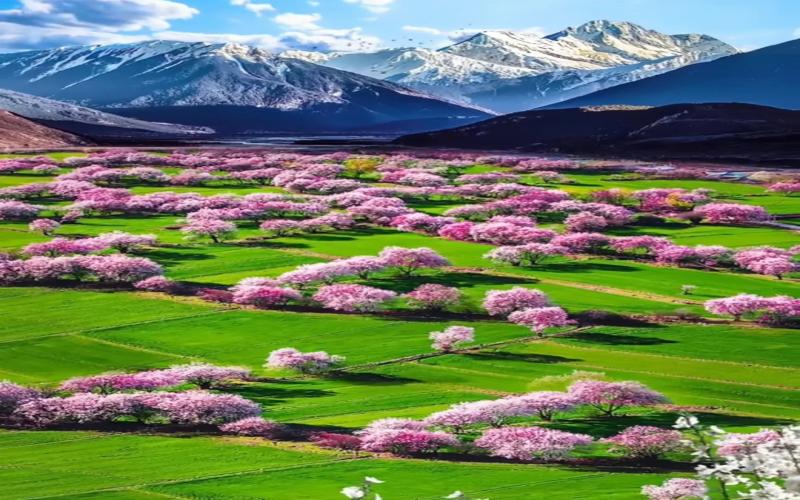
Springtime in Nyingchi is particularly magical. The annual peach blossom season transforms the lower valleys into seas of pink and white flowers, set against the backdrop of snow-capped peaks like Mount Namcha Barwa, which towers at 7,782 meters. Despite the height of the surrounding mountains, the valleys where you actually walk and stay remain comfortably low, perfectly illustrating how topography dictates livability in Tibet.
Nyingchi Peach Blossoms
Lhasa: A Manageable Starting Point for Your Journey
Lhasa, the capital and cultural heart of Tibet, sits at an elevation of approximately 3,650 meters. While this is higher than Nyingchi, it is still considered a moderate altitude by Tibetan standards and serves as a highly viable starting point for many travelers. When researching which areas in Tibet are at lower altitudes, Lhasa frequently comes up because it represents the baseline for acclimatization before venturing into the much higher regions of the plateau.
The city is nestled within a broad river valley formed by the Lhasa River, a tributary of the Yarlung Tsangpo. This valley geography provides some shelter from the harshest winds and helps maintain slightly warmer temperatures than the open plateau. Most visitors arriving in Lhasa—whether by flight or via the Qinghai-Tibet Railway—spend their first two to three days simply resting and taking gentle walks to allow their bodies to adjust to the thinner air.
Once acclimatized, Lhasa offers an unparalleled concentration of historical and religious sites. The Potala Palace, perched on Marpo Ri hill, rises to about 3,700 meters. Climbing its numerous steps requires a slow pace, but the physical exertion is manageable for those who have taken the time to rest upon arrival. The Jokhang Temple, located in the Barkhor Street area, sits at the standard city elevation. Wandering through the bustling Barkhor circuit, spinning prayer wheels, and observing pilgrims prostrating themselves provides a profound cultural immersion without requiring strenuous physical effort.
Because Lhasa has developed extensive tourism infrastructure, including hotels equipped with oxygen concentrators and medical facilities experienced in treating AMS, it remains one of the safest places to begin a Tibetan adventure. Its elevation is low enough to prevent severe altitude issues for the majority of healthy travelers, yet high enough to give you a genuine feel for life on the plateau.
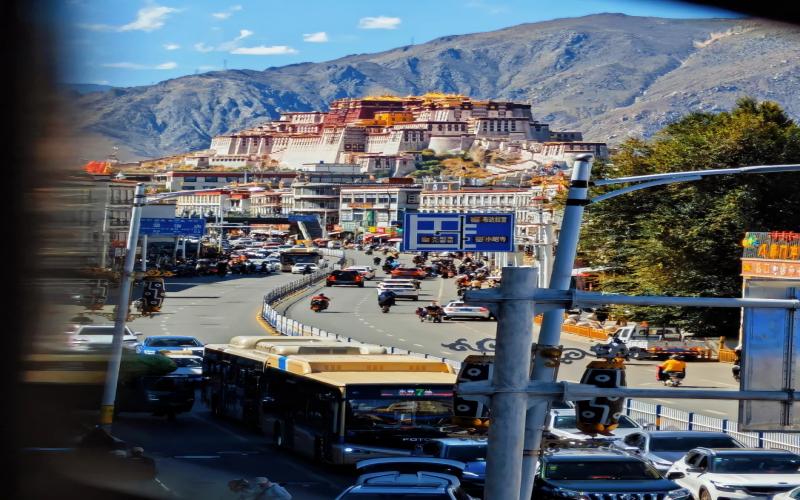
Lhasa
Shannan: The Cradle of Tibetan Civilization at Moderate Heights
South of Lhasa lies Shannan (Lhoka), a region deeply intertwined with the origins of Tibetan culture and history. When evaluating which areas in Tibet are at lower altitudes, Shannan deserves attention because its core agricultural and historical zones sit between 3,500 and 3,700 meters, closely mirroring the elevation of Lhasa. However, Shannan also features several river valleys that dip lower, offering pockets of very comfortable terrain.
Shannan is widely regarded as the birthplace of Tibetan civilization. It is home to Yumbu Lakang, considered the oldest building in Tibet, perched on a ridge overlooking the Yarlung Valley. The valley itself, nourished by the Yarlung Tsangpo River, sits at an elevation that supports robust agriculture, yielding barley, wheat, and various vegetables. The town of Tsetang, the regional capital, rests at about 3,500 meters, making it an easy transition for travelers already acclimatized to Lhasa.
One of the most significant draws of Shannan is Samye Monastery, the first Buddhist monastery built in Tibet. Located near the banks of the Yarlung Tsangpo, the area around Samye sits at roughly 3,550 meters. The flat, sandy terrain surrounding the monastery makes walking effortless. Further south, as you move toward the border areas, the elevation begins to rise dramatically toward the Himalayas, but the northern and central parts of Shannan remain firmly in the moderate altitude category.
Traveling through Shannan allows visitors to experience authentic rural Tibetan life away from the heavier tourist traffic of Lhasa. The combination of deep historical significance, beautiful river valley landscapes, and manageable elevations makes it an essential component of any well-planned itinerary focused on comfort and culture.
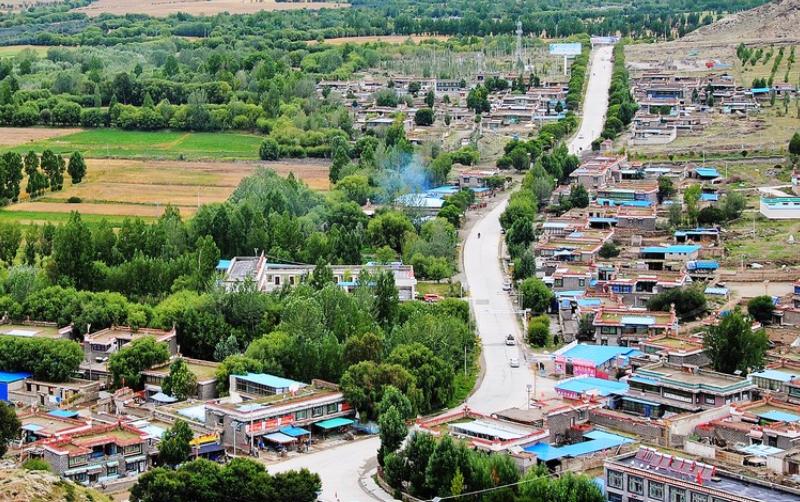
Zedang, Shannan
Qamdo and the Eastern Valleys
Qamdo (Chamdo), located in eastern Tibet, presents another interesting case when analyzing which areas in Tibet are at lower altitudes. While the broader Qamdo prefecture contains towering mountain passes exceeding 4,500 meters, the actual towns and settlements are situated in deep river gorges carved by the upper Mekong (Lancang) and Salween (Nu) rivers. These river valleys plunge to elevations of around 3,200 to 3,400 meters.
The town of Karub, the administrative center of Qamdo, sits in a narrow valley at approximately 3,240 meters. The dramatic topography means that while you might cross freezing, wind-blasted passes during the day, you descend into surprisingly mild, sheltered valleys by evening. The climate in these eastern gorges is noticeably warmer and more humid than the central plateau, supporting dense shrubbery and agriculture.
Eastern Tibet is generally less visited due to the rugged road conditions and longer travel times, but for those willing to make the journey, the lower valley floors provide a respite from the extreme altitudes found further west. The contrast between the snowy peaks above and the green, temperate riverbanks below is striking, offering a diverse visual experience within a single day’s drive.
The Role of River Basins in Creating Lower Altitude Zones
To truly understand which areas in Tibet are at lower altitudes, one must look at the region’s hydrology. The massive river systems—the Yarlung Tsangpo, the Indus, the Sutlej, and the tributaries of the Mekong—are the architects of Tibet’s lower elevations. Over millions of years, these rivers have cut deep channels into the uplifted plateau, creating valleys that drop thousands of meters below the surrounding plains.
The Yarlung Tsangpo River basin is the most prominent example. Flowing from west to east across southern Tibet, it creates a continuous corridor of relatively lower land. Settlements have historically clustered along this river precisely because the lower elevation meant better weather, fertile soil, and easier breathing. When planning a route through Tibet, following the major river valleys is the most reliable strategy for keeping your sleeping altitude as low as possible.
Similarly, the border regions where Tibet meets Nepal, Bhutan, and India feature steep descents into the Himalayan foothills. While the mountain passes themselves are dangerously high, the valleys leading down toward the borders drop rapidly. However, access to many of these deep border valleys is restricted or requires specialized permits, making internal river basins like Nyingchi and Shannan the practical choices for most tourists.
Practical Tips for Managing Altitude During Your Trip
Knowing which areas in Tibet are at lower altitudes is only half the equation; how you manage your body’s response to the environment is equally important. Even at 3,000 meters, some travelers may experience mild symptoms. The golden rule of high-altitude travel is to ascend gradually. If possible, spend your first few nights in Nyingchi or Lhasa before attempting to visit locations like Yamdrok Lake (4,441 meters) or Everest Base Camp (5,200 meters).
Hydration is critical. The air at high altitudes is exceptionally dry, and you lose moisture rapidly through respiration. Drinking plenty of water helps your blood maintain its volume and oxygen-carrying capacity. Avoid alcohol and heavy, greasy meals during your first few days, as both can exacerbate the symptoms of altitude sickness and dehydrate your system.
Pace yourself physically. Walking up a flight of stairs in Lhasa feels like running a sprint at sea level. Move slowly, breathe deeply, and do not push through severe headaches or dizziness. Local remedies, such as drinking sweet tea or consuming traditional Tibetan medicine like Rhodiola rosea (Hongjingtian), are widely used and readily available in pharmacies across the lower-altitude towns.
Planning Your Route with Professional Guidance
Navigating the logistics of traveling in Tibet requires careful planning, especially if altitude management is a primary concern. Foreign travelers are required to book their trips through registered travel agencies and must be accompanied by a guide. This is where expertise becomes invaluable. Agencies like China Dragon Travel specialize in crafting customized itineraries that prioritize traveler safety and comfort. By consulting with professionals who intimately know which areas in Tibet are at lower altitudes, you can build a route that starts in the lush valleys of Nyingchi, transitions smoothly to the cultural hubs of Lhasa and Shannan, and only ventures to higher elevations once your body is fully prepared.
China Dragon Travel offers comprehensive support, from securing the necessary Tibet Travel Permits to arranging transportation that minimizes unnecessary exposure to extreme heights. Their experienced guides monitor travelers’ health continuously, ensuring that the journey remains enjoyable rather than exhausting. Whether you are interested in photography, spiritual exploration, or simply witnessing the grandeur of the Himalayas, leveraging professional logistical support ensures that your focus remains on the experience, not on your breathing.
Ultimately, Tibet is not a monolith of unreachable heights. By focusing on the river valleys, the southeastern forests, and the central basins, you unlock a version of Tibet that is welcoming, vibrant, and accessible. Understanding the geography and respecting your body’s limits will guarantee that your journey to the Roof of the World is remembered for its beauty and profound cultural encounters, rather than physical hardship.