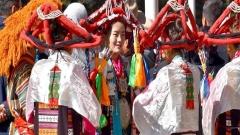
When most travelers picture Tibet, they imagine sun-drenched prayer flags fluttering against deep blue skies or monks walking through ancient courtyards in the warmth of summer. However, experiencing a rich festive atmosphere in Tibet during winter reveals an entirely different side of this mystical region. As temperatures drop and snow blankets the high-altitude plateaus, the local communities draw closer together, igniting a season of profound spiritual significance and vibrant cultural celebrations. Winter transforms Tibet from a rugged adventure destination into a warm, inviting landscape steeped in tradition. The crisp air carries the scent of juniper incense, and the sound of ceremonial horns echoes across snow-capped valleys.
Key Highlights
- Experience Losar, the Tibetan New Year, filled with ancient rituals and community feasts.
- Enjoy breathtaking views of snow-covered Himalayan peaks without the heavy tourist crowds.
- Witness the Butter Lamp Festival illuminating monasteries with thousands of intricate sculptures.
- Benefit from lower travel costs and more authentic, unhurried interactions with local Tibetans.
- Navigate high altitudes safely with proper preparation, acclimatization, and expert guidance.
Why Winter Unveils the True Festive Spirit of Tibet?
Many prospective visitors hesitate to plan a trip to the plateau during the colder months, assuming that freezing temperatures will hinder their experience. In reality, experiencing a rich festive atmosphere in Tibet during winter is arguably the most culturally immersive way to visit the region. While summer brings trekkers and casual sightseers, winter draws pilgrims, spiritual seekers, and those who wish to understand the heartbeat of Tibetan life. The agricultural cycle slows down significantly after the autumn harvest, giving farmers and nomadic herders the time to travel to sacred sites, participate in religious ceremonies, and celebrate with their extended families.
The winter sunlight in Tibet is remarkably intense due to the high altitude and thin atmosphere. Even when the air is cold, standing in the direct sunshine provides a comforting warmth that makes exploring outdoor markets and monastery courtyards highly enjoyable. Furthermore, the skies are generally crystal clear, offering unparalleled visibility of the surrounding mountain ranges. This clarity adds a majestic backdrop to the colorful festivals taking place below. The absence of the monsoon clouds means that iconic peaks like Mount Everest and Namcha Barwa are frequently visible in their entirety, draped in pristine white snow, creating a visual spectacle that perfectly complements the festive energy on the ground.
The social dynamics of winter also contribute heavily to the festive mood. Because the harsh weather limits outdoor labor, villages become hubs of social activity. Homes are heated by traditional yak dung stoves, which emit a distinct, earthy warmth. Families gather around these hearths to drink butter tea, share stories, and prepare for upcoming celebrations. Visitors who take the time to engage with locals during this season are often welcomed into homes with genuine hospitality, as the pace of life slows down enough to allow for meaningful connections. This intimate access to daily life is something that is rarely possible during the peak tourist seasons.
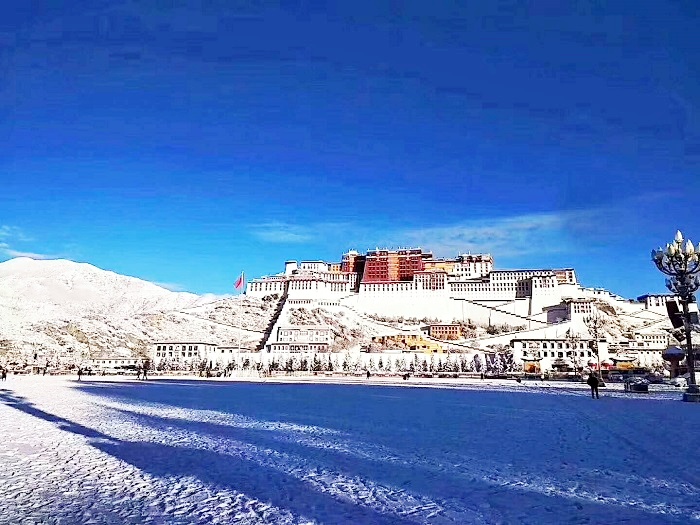
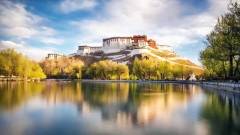
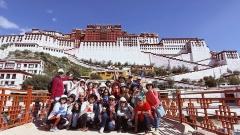
Potala Palace in Winter
Celebrating Losar: The Heartbeat of Tibetan Winter Festivities
No discussion about winter in Tibet is complete without highlighting Losar, the Tibetan New Year. This festival is the absolute pinnacle of the winter calendar and the primary reason why so many travelers seek out the region during this time. Losar typically falls in February or early March, depending on the lunar calendar, and the celebrations can last anywhere from three to fifteen days. The preparations begin weeks in advance, transforming towns and villages into bustling centers of activity. Homes are thoroughly cleaned to sweep away the bad luck of the past year, and special offerings are prepared for household shrines.
One of the most visually striking elements leading up to Losar is the creation of the “Chemar” box. This wooden container is intricately painted and filled with tsampa (roasted barley flour), dried wheat grains, and colorful butter sculptures shaped like flowers or auspicious symbols. It is placed on the family altar as an offering for a prosperous new year. On the eve of Losar, known as Gutor, families gather for a special noodle soup called Guthuk. This soup contains dough balls with hidden items inside—such as chili, wool, or charcoal—each symbolizing a specific personality trait or fortune for the person who finds it. It is a lighthearted, joyous tradition that fills homes with laughter.
As midnight approaches, the spiritual intensity increases. Monasteries across Tibet hold elaborate cham dances, where monks wear magnificent, terrifying masks representing protective deities. These ritualistic dances are designed to subdue evil spirits and clear obstacles for the coming year. The rhythmic beating of large drums, the clash of cymbals, and the deep, resonant chanting of the monks create an atmosphere that is both hypnotic and profoundly moving. Experiencing a rich festive atmosphere in Tibet during winter reaches its absolute zenith during these performances. On the first morning of Losar, people dress in their finest traditional clothing—often heavy, beautifully woven chubas adorned with coral, turquoise, and amber jewelry—and head to the nearest monastery to offer prayers, spin prayer wheels, and light butter lamps.
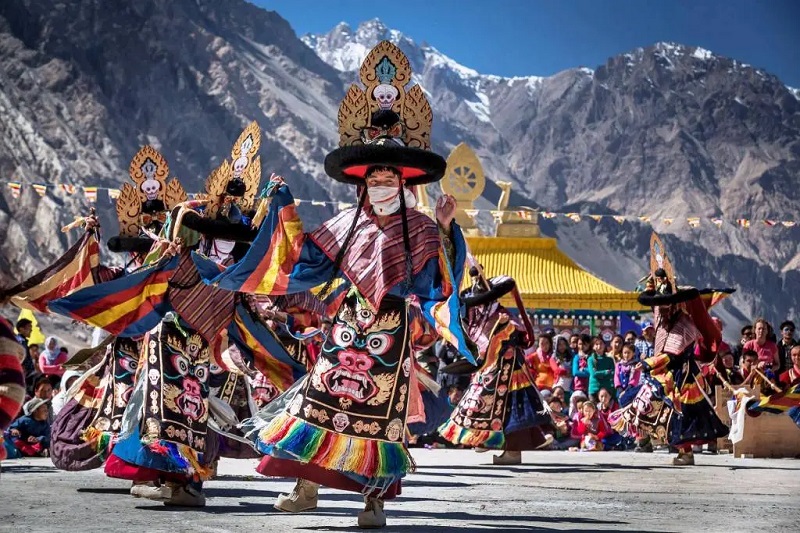
Losar (Tibetan New Year)
The Magic of the Butter Lamp Festival
Shortly after the conclusion of Losar, usually on the fifteenth day of the first Tibetan lunar month, another spectacular event takes place: the Butter Lamp Festival, also known as Chunga Choepa. This celebration commemorates the miraculous victories of the Buddha over his detractors in philosophical debates. To honor this history, monks spend weeks meticulously sculpting massive, incredibly detailed figures out of yak butter mixed with natural mineral pigments. These sculptures depict deities, animals, mythical creatures, and scenes from Buddhist teachings.
On the evening of the festival, these butter sculptures are displayed on towering wooden frames erected outside major monasteries, particularly around the Jokhang Temple in Lhasa and the Tashilhunpo Monastery in Shigatse. Thousands of small butter lamps are lit, casting a warm, flickering golden glow over the intricate artwork. The contrast between the freezing night air and the radiant heat of countless flames creates a surreal, almost otherworldly environment. Pilgrims and locals walk slowly through the illuminated streets, murmuring mantras and spinning handheld prayer wheels. The devotion in the eyes of the participants, combined with the sheer artistic mastery of the ephemeral butter sculptures, makes this one of the most photogenic and spiritually uplifting events in Asia.
For travelers, the Butter Lamp Festival offers a unique opportunity to observe Tibetan artistry at its finest. The sculptures are temporary; once the festival ends and the butter melts or is consumed, the art disappears, reinforcing the Buddhist teachings on impermanence. Standing among the crowds, surrounded by the scent of melting butter and juniper smoke, you truly feel the pulse of the culture. It is a sensory experience that cannot be replicated in any museum or gallery.
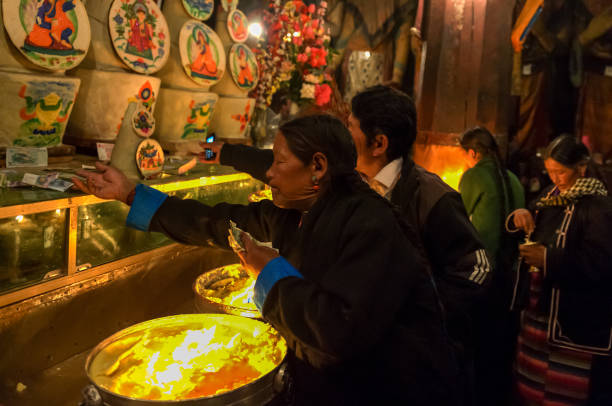
Tibet Butter lamp festival
Exploring Sacred Monasteries Blanketed in Snow
Beyond the specific dates of festivals, the general ambiance of Tibet’s monasteries during winter holds a unique charm. Iconic sites such as the Potala Palace, Sera Monastery, and Drepung Monastery take on a serene, majestic quality when dusted with fresh snow. The usual bustle of summer tourists fades away, leaving behind a quiet reverence that aligns perfectly with the spiritual purpose of these structures. Walking through the ancient corridors of the Potala Palace in winter, you can hear the echo of your own footsteps and the soft murmur of resident monks going about their daily routines.
At Sera Monastery, the famous debating courtyard remains active even in the cold. Monks clad in deep maroon robes clap their hands sharply and stamp their feet to emphasize philosophical points, their breath forming clouds in the crisp air. Watching these debates without having to fight for a viewing spot allows for a much deeper appreciation of the intellectual rigor of Tibetan Buddhism. Similarly, at Drepung Monastery, the sprawling white buildings cascading down the hillside look like a snow village frozen in time. The winter light enhances the colors of the thangkas (religious paintings) inside the dimly lit chapels, making the gold leaf and vibrant pigments appear even more striking.
Visiting smaller, more remote monasteries during winter is equally rewarding. Places like Ganden Monastery, perched high on a ridge overlooking the Kyi Chu valley, offer panoramic views that are unmatched in clarity during the dry winter months. The hike up to Ganden is brisk but invigorating, and reaching the summit to find the monastery enveloped in silence and snow is a profoundly peaceful experience. These sacred spaces serve as sanctuaries not just for the monks, but for travelers seeking a moment of stillness amidst the grandeur of the Himalayas.
Winter Landscapes: The Himalayas in Their Purest Form
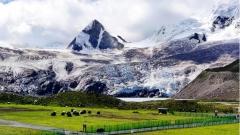
While the cultural festivities draw many, the natural landscapes of Tibet in winter are an equally compelling reason to visit. The plateau undergoes a dramatic transformation. The lush green valleys of summer turn golden and brown, while the mountains become encased in thick layers of ice and snow. Lake Namtso, one of the highest saltwater lakes in the world, begins to freeze along its edges, creating stunning formations of blue and white ice that crunch underfoot. The vast expanse of the lake reflecting the snow-capped Nyainqentanglha range is a sight of raw, untouched beauty.
Traveling towards Mount Everest Base Camp in winter is an adventure reserved for the well-prepared, but it offers rewards that summer simply cannot match. The notorious cloud cover that often obscures the summit during warmer months is largely absent in winter. The sky is a piercing, unbroken blue, providing a flawless view of the world’s highest peak. The roads can be icy, and the temperatures at base camp plummet well below freezing, but standing before the North Face of Everest in the silent, crystalline winter air is a humbling experience that redefines one’s perspective on nature’s scale.
Even the drive along the Friendship Highway connecting Lhasa to Kathmandu becomes a scenic masterpiece in winter. The high passes, such as Gyawo La, offer sweeping views of glacial valleys and distant peaks. The reduced traffic means that drivers can navigate the winding mountain roads with less stress, allowing passengers to fully absorb the dramatic scenery. Every turn reveals a new tableau of stark contrasts: dark rock faces against brilliant white snow, bright prayer flags snapping fiercely in the alpine winds, and the occasional sighting of wildlife like the Tibetan antelope or blue sheep navigating the harsh terrain with effortless grace.
Essential Tips for Experiencing Tibet’s Winter Festivals Safely
Embarking on a journey to Tibet during the winter requires careful planning and respect for the extreme environment. The most critical factor is altitude acclimatization. Lhasa sits at approximately 3,650 meters above sea level, and the thinner winter air can make altitude sickness feel more pronounced. Travelers should plan to spend their first two to three days resting, hydrating extensively, and avoiding strenuous physical activity. Drinking plenty of sweet tea or butter tea helps maintain body temperature and hydration levels.
Packing appropriately is non-negotiable. Layering is the most effective strategy. A moisture-wicking base layer, a warm insulating middle layer such as fleece or down, and a windproof, waterproof outer shell are essential. Temperatures can fluctuate wildly between the sunny afternoons and the freezing nights. High-quality thermal socks, insulated boots with good grip for icy surfaces, gloves, and a warm hat that covers the ears are mandatory. Sunglasses with strong UV protection are also crucial, as the glare from the snow at high altitudes can cause snow blindness very quickly.
Navigating the logistics of winter travel in Tibet can be complex due to changing road conditions and specific regional regulations. Foreign travelers must obtain a Tibet Travel Permit, and independent travel is not permitted; visitors must be part of an organized tour. This is where partnering with experienced professionals becomes invaluable. Companies like China Dragon Travel specialize in crafting itineraries that align perfectly with the winter festival calendar. By utilizing the expertise of China Dragon Travel, visitors can ensure that their permits are handled smoothly, transportation is safe and reliable on icy roads, and accommodations provide adequate heating. Their local guides possess deep knowledge of the cultural nuances of Losar and the Butter Lamp Festival, ensuring that travelers do not just observe the events, but truly understand the spiritual context behind them. Choosing a reputable operator like China Dragon Travel transforms a potentially daunting winter expedition into a seamless, enriching cultural immersion.
Finally, respecting local customs is paramount, especially during sacred festivals. Always ask for permission before photographing monks or locals participating in religious rites. When entering temples, remove hats and sunglasses, walk clockwise around stupas and mani stones, and never point your feet toward altars or statues. Embracing these etiquette guidelines not only shows respect but often leads to warmer, more open interactions with the Tibetan people, who deeply appreciate visitors who honor their traditions. By preparing thoroughly and traveling mindfully, you open yourself up to an experience that transcends ordinary tourism, allowing you to fully embrace the magic, spirituality, and undeniable beauty of the Tibetan plateau during its most celebratory season.