
Key Takeaways
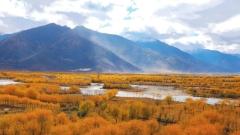
- Emerald-green waters: The Niyang River is famous for its clear, jade-green water, especially beautiful after rainfall and under sunlight.
- Scenic road trip: The river runs alongside major routes in Nyingchi, making it an ideal stop while traveling along G318.
- Yani Wetland Park: See the spectacular contrast where the emerald-green Niyang River meets the darker Yarlung Tsangpo River.
- Best seasons: April–May for peach blossoms and fresh greenery; September–October for colorful autumn landscapes.
- Best way to visit: Self-driving or private transfer offers the most flexibility to stop at roadside viewpoints.
- Perfect route combination: Easily combine the Niyang River with Sejila Mountain, Lulang Forest, Namcha Barwa, and the Yarlung Tsangpo Grand Canyon.
- Photography tip: After rain, look for moments when sunlight returns—the river can appear exceptionally vibrant and photogenic.
- Don’t rush: The Niyang River is best experienced as part of the journey, not simply as a quick photo stop.
Niyang River
Niyang River Scenic Route: One of Nyingchi’s Most Overlooked Landscapes
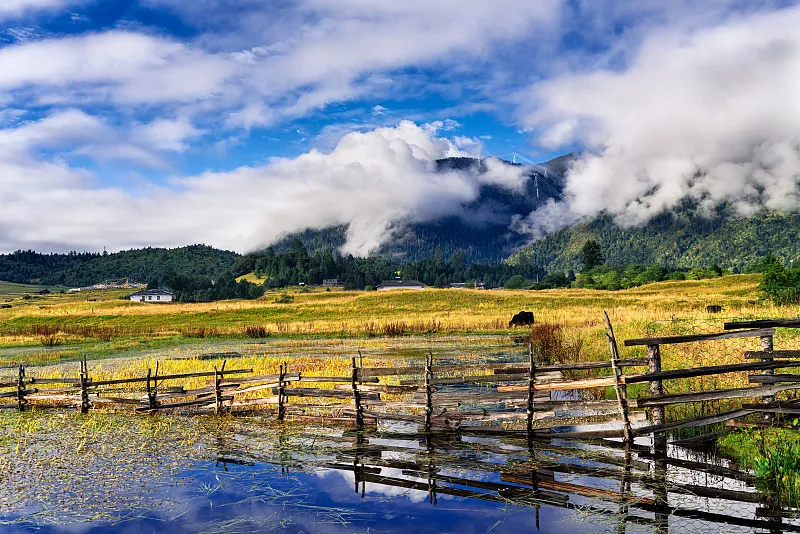
When planning a trip to Nyingchi, most travelers immediately think of Basongcuo Lake, Mount Namcha Barwa, Lulang Forest, or the Yarlung Tsangpo Grand Canyon. What is often overlooked, however, is the Niyang River along the way.After driving through this area, you may realize that some of the most beautiful scenery in Nyingchi is not actually located at a major attraction. It appears unexpectedly along the road.We had just left Kadinggou and were heading toward Sejila Mountain. It had rained earlier that morning, and when the clouds finally cleared, sunlight fell across the river. The Niyang River suddenly turned an incredibly vivid emerald green.After feeling somewhat disappointed by Kadinggou, the scenery along the road completely changed our impression. It was one of those moments when you understand why people say that in Tibet, the most beautiful scenery is often not at the destination, but along the way.
What Is the Niyang River?
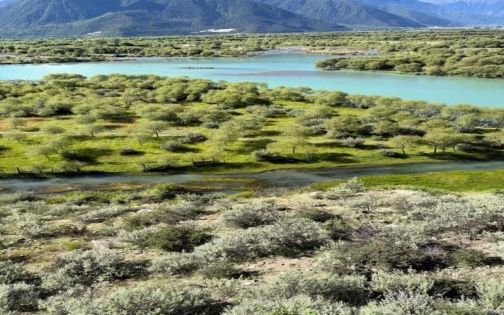
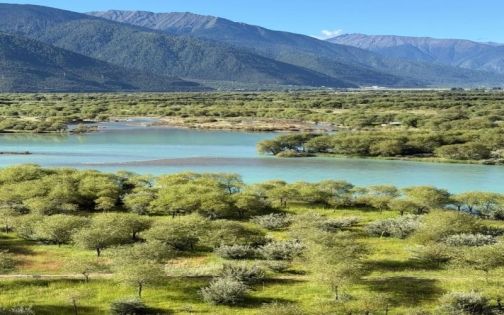
The Niyang River, also known as Niyangqu, is one of the major tributaries of the Yarlung Tsangpo River and an important river in the Nyingchi region. It originates around the Mila Mountain area, flows eastward through Nyingchi, and eventually joins the Yarlung Tsangpo River. The river stretches for more than 300 kilometers.The name Niyang is often associated with the poetic meaning “Tears of the Goddess,” giving the river a distinctly romantic character.Compared with the dramatic glaciers, towering mountains, and vast barren landscapes found elsewhere in Tibet, the Niyang River has a softer appearance. Clear green water, forests, grasslands, villages, and distant snow-covered mountains come together to create the lush landscape for which Nyingchi is often known as the “Jiangnan of Tibet.”Around Nyingchi and the Yani Wetland area, the river develops a braided river system, with numerous sandbars scattered throughout the water. From elevated viewpoints, you can see the river winding through the broad valley, creating a landscape very different from the rugged high-altitude scenery commonly associated with Tibet.
The Main Highlight: Emerald Water and the River Confluence
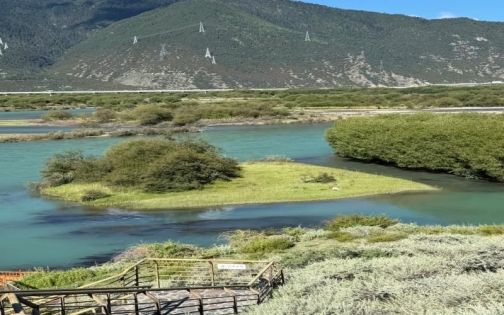
The most striking feature of the Niyang River is its green, almost jade-like water, especially after rain or under clear sunlight. The exact color changes depending on rainfall, water levels, sediment, and lighting conditions, so there is no guarantee that the river will look exactly the same every day.One of the most impressive areas is around Yani National Wetland Park, where the Niyang River meets the Yarlung Tsangpo River. The two rivers often display noticeably different colors and characteristics. The Niyang River is relatively clear and green, while the Yarlung Tsangpo is generally darker and more sediment-rich.Where the two rivers meet, the contrast creates a striking natural landscape that is particularly impressive from above. Yani National Wetland Park is also an important ecological area in Nyingchi, covering approximately 8,738 hectares, with wetlands accounting for around 5,373 hectares. It provides valuable habitat for wildlife and waterbirds.If you have enough time, do not simply stop, take one photo, and leave. Spend a little longer walking around the viewpoint, watching the wetlands, sandbars, forests, and distant mountains. The experience is much more rewarding than simply checking another attraction off your list.
Niyang River
How to Explore the Niyang River Scenic Route
The Niyang River is not a destination that needs to be explored through a single attraction. It is better experienced as a scenic corridor along a Tibet road trip.Much of the scenery can be enjoyed while traveling along G318 toward Sejila Mountain, Lulang, Bomi, or the Yarlung Tsangpo Grand Canyon. The landscape changes continuously, with river valleys, forests, grasslands, villages, and snow mountains appearing from different angles.The section from Kadinggou toward Sejila Mountain is particularly suitable for a scenic stop. Rather than rushing through the route, leave some flexibility in your schedule. When you find a safe viewpoint with a good view of the river, stop and enjoy it.If you are traveling toward the Yarlung Tsangpo Grand Canyon, you can search for “Yani National Wetland Park” or nearby viewpoints on your navigation app. Some viewpoints are very convenient, with parking areas close to the viewing platforms, making them suitable even for travelers who do not want to hike.Opening hours and access arrangements may change depending on the season and local management, so it is advisable to check the latest information before setting out.
Best Time to Visit the Niyang River
Spring and autumn are particularly attractive seasons for the Niyang River.From April to May, Nyingchi enters its famous peach blossom season. The forests begin turning green, while peach blossoms can still be seen in some areas. Combining pink blossoms with snow mountains, forests, and the green river creates one of the most distinctive landscapes in southeastern Tibet.September and October are ideal for autumn scenery. The forests gradually turn golden, adding another layer of color to the emerald river and surrounding mountains.Summer brings more rainfall, which can sometimes affect the color of the river. However, rain is not necessarily a bad thing for photography. After a storm passes and sunlight returns, the river can become exceptionally vivid, while the surrounding mountains and clouds create dramatic lighting.The scenery we encountered that day was particularly beautiful because the rain had just stopped and the sunlight had returned.
Photography Tips and Recommended Viewpoints
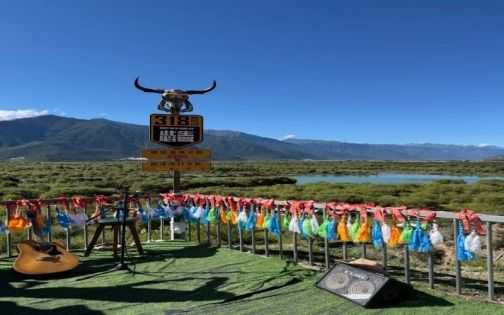
For wide landscape photography, look for elevated viewpoints where you can capture the river, sandbars, forests, and mountains in a single frame. Yani National Wetland Park is particularly suitable for photographing the meeting of the two rivers, while viewpoints along G318 are better for capturing the feeling of being on the road.Some travelers specifically look for places where they can park close to the river. However, do not stop randomly on narrow shoulders, bends, or areas with poor visibility simply to get a better photo. G318 carries regular traffic, including large vehicles, so always prioritize safety.You may also encounter small coffee stands, rest areas, and informal roadside viewpoints along the route. They may not appear in a standard Tibet itinerary, but they can be excellent places to take a short break.Sitting beside the river with a cup of coffee, watching the emerald water flow through the valley, can easily become one of the most memorable moments of your Nyingchi trip.
Niyang River
Niyang River and Bonri Mountain: Adding Tibetan Culture to the Journey
The Niyang River region is not only about landscapes. It also contains important Tibetan cultural sites.Bonri Mountain is an important sacred mountain associated with the indigenous Bon tradition of Tibet. Around the area, visitors can encounter religious sites, pilgrimage routes, and local cultural landscapes.For travelers with extra time, combining the Niyang River, Yani Wetland, and Bonri Mountain creates a more complete Nyingchi experience, connecting natural scenery with Tibetan culture.
A Recommended 2-Day Nyingchi Itinerary
If you want to combine the Niyang River with some of Nyingchi’s most famous landscapes, a two-day route can work well.
Day 1: Lhasa → Basongcuo Lake → Tsozong Village → Cuogao Village. Explore the lake and surrounding villages before staying overnight in the area.
Day 2: Cuogao Village → Niyang River Scenic Route → Sejila Mountain → Namcha Barwa viewpoints → Lulang Forest → Nyingchi city.
If you are continuing toward the Yarlung Tsangpo Grand Canyon, Yani National Wetland Park can be added along the way. Its location near the confluence of the Niyang River and Yarlung Tsangpo makes it a convenient stop on the route.
Practical Tips for Driving Along the Niyang River
Self-driving or hiring a private vehicle is the most convenient way to explore the Niyang River because many beautiful views are scattered along the road rather than concentrated in one tourist attraction.Nyingchi city is the best place to replenish fuel and supplies before heading farther into the mountains. Make sure your vehicle is in good condition, carry enough drinking water, and keep some flexibility in your schedule.When you see a beautiful landscape, do not brake suddenly or park wherever you can. Look for designated parking areas, viewpoints, or wider safe sections of the road before getting out.Although Nyingchi is generally lower and more comfortable than many other destinations in Tibet, travelers should still take altitude seriously. Avoid intense exercise immediately after arrival and allow your body time to adjust, especially if your itinerary involves significant changes in elevation between Nyingchi, Sejila Mountain, and other destinations.The wetlands are also an important ecological environment. Avoid entering restricted areas, damaging vegetation, feeding wildlife, or leaving rubbish behind. Preserving the natural environment is part of responsible travel in Nyingchi.
Is the Niyang River Worth Visiting?
If your Nyingchi itinerary already includes Sejila Mountain, Lulang, Namcha Barwa, or the Yarlung Tsangpo Grand Canyon, the Niyang River is absolutely worth adding to the journey.You do not necessarily need to dedicate an entire day to it. Its greatest advantage is that it naturally fits into the route.The Niyang River may not have the cultural impact of the Potala Palace or the overwhelming scale of Mount Everest, but its beauty lies in its quietness and natural simplicity.A beam of sunlight after rain, emerald-green water flowing through the valley, forests moving gently in the wind, snow mountains in the distance, and a small roadside coffee stand can become memories that stay with you long after the trip.So when planning your Nyingchi journey, leave some time for the road itself. Whether you are driving from Kadinggou toward Sejila Mountain or heading from Nyingchi toward the Yarlung Tsangpo Grand Canyon, stop when the Niyang River looks beautiful.In Tibet, some of the most unforgettable scenery is not waiting at the destination. It is waiting somewhere along the way.
Niyang River
recommend route: