
Key Takeaways
- Fly Chengdu → Xining, spend the day exploring Ta’er Monastery and Mojia Street before boarding the overnight train to Lhasa.
- Choose your train based on daylight hours, especially for the Golmud–Lhasa section, where the most spectacular scenery is concentrated.
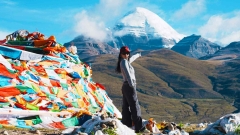
- Top scenic highlights: Kunlun Mountains & Yuzhu Peak, Kekexili, Tuotuo River, Tanggula Mountains, Tsonag Lake, and the vast Qiangtang Grassland.
- Bring essential supplies: warm clothing, a thermos, power bank, wet wipes, tissues, moisturizer, lip balm, and easy-to-digest snacks.
- Train delays are not necessarily a bad thing—a later departure may actually give you better daylight for photographing the scenery.
- Do not assume the train prevents altitude sickness. Rest as much as possible, avoid strenuous activity, alcohol, and overeating.
- Take it easy after arriving in Lhasa. Allow your body time to adjust to the altitude before starting intensive sightseeing.
- The journey itself is part of the experience: watching the landscape transform from highland desert to snow mountains, lakes, grasslands, and Tibetan settlements is one of the highlights of traveling to Tibet by train.
Qinghai-Tibet Railway
How to Plan a Qinghai-Tibet Railway Journey
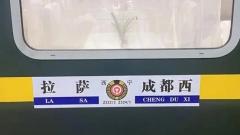
If this is your first trip to Tibet and you want the train journey itself to be part of the experience, flying from Chengdu to Xining and then taking an overnight train to Lhasa is a practical option. You can spend the day exploring Xining, enjoy some local food, and board the train in the evening. From there, the journey gradually transitions from cities and highland towns to vast grasslands, snow-capped mountains, lakes, and remote wilderness before finally reaching Lhasa.This route is more than simply a way to get to Tibet. The slower pace allows you to watch the landscape change outside the window, making the journey itself one of the highlights of the trip.
DAY 1 | Fly from Chengdu to Xining, Explore the City, Then Board the Train
Take a morning flight from Chengdu to Xining. After arriving, you can store your luggage and spend the day exploring the city. If time allows, visit Ta’er Monastery to experience Tibetan Buddhist culture, then head back into the city and explore Mojia Street for local food and snacks.Xining sits at an elevation of around 2,200 meters, so temperatures can vary noticeably between day and night. Keep a warm jacket somewhere easily accessible rather than buried at the bottom of your luggage. Avoid packing too many activities into the day, drinking heavily, or eating excessively.In the evening, head to Xining Railway Station in advance and board your train to Lhasa. Xining works particularly well as a transit point because you can rest, explore the city, and then begin the scenic Qinghai-Tibet Railway journey at night.
DAY 2 | The Qinghai-Tibet Railway: Kekexili to the Tanggula Mountains
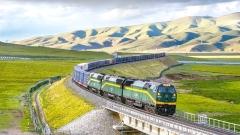
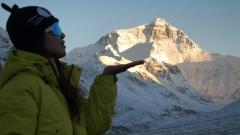
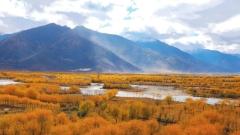
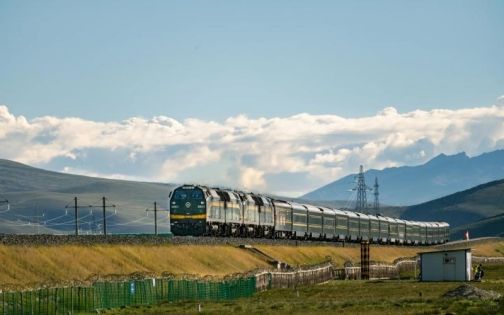
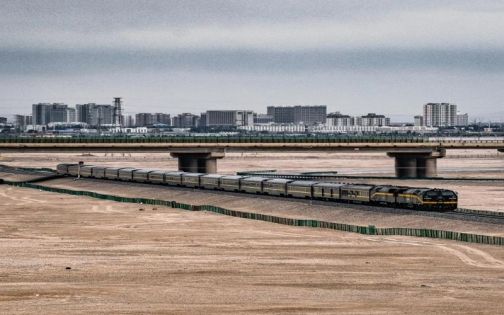
The most spectacular section of the Qinghai-Tibet Railway is generally the route between Golmud and Lhasa. After leaving Golmud, the train gradually climbs to higher elevations, while the scenery changes dramatically from highland desert to snow mountains, grasslands, lakes, and vast wilderness.If your train schedule is suitable, keep an eye out for the Kunlun Mountains and Yuzhu Peak in the early morning. On clear days, sunlight can illuminate the snowy peaks with a soft golden glow. Later, the train enters the Kekexili region, where you may spot Tibetan antelope, wild donkeys, wild yaks, marmots, and other high-altitude wildlife. Wildlife sightings are unpredictable, so it is worth staying near the window with your camera ready instead of constantly looking at your phone.Further south, the train passes areas such as Tuotuo River and Yanshiping. The landscape gradually becomes greener, with highland meadows, lakes, rivers, and distant snow-capped mountains. When the weather is clear, clouds can cast moving shadows across the mountains, creating constantly changing scenery outside the window.
Tsonag Lake and the Tanggula Mountains Are Highlights
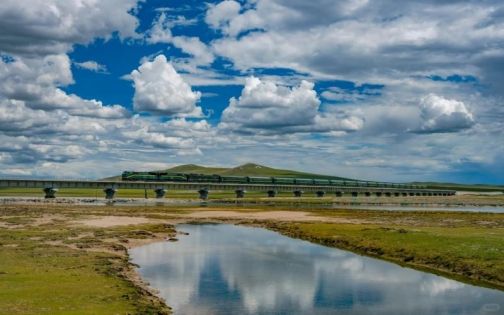
Tsonag Lake is one of the most memorable sights along the railway. In some sections, the railway runs remarkably close to the lakeshore, allowing passengers to watch the blue water for several minutes as the train moves along the tracks. On a clear day, the combination of the lake, grassland, and distant snow mountains is especially impressive.The train then continues toward the Tanggula Mountains. The Tanggula Mountain Pass rises above 5,000 meters and is one of the most significant geographical landmarks along the railway. The scenery here feels particularly remote, with vast highland wilderness, snow peaks, and grasslands stretching toward the horizon.Keep in mind that the exact time you pass each attraction depends on the train number, delays, season, and weather. Times shared online should therefore be treated as references rather than fixed schedules. When choosing a train, the most important factor for sightseeing is whether the Golmud-to-Lhasa section falls during daylight.
How to Choose a Qinghai-Tibet Railway Train
Prioritize Daylight During the Scenic Sections
If your main goal is to enjoy the scenery, pay particular attention to the timing of the train between Golmud and Lhasa. Some trains pass Kekexili, the Tanggula Mountains, and Tsonag Lake during daylight, while others may pass part of these sections at night.If you specifically want to see Qinghai Lake, check the train schedule carefully as well. Some trains pass the lake during the afternoon, when the light is generally better for photography. If the train passes at night, you will obviously miss the landscape but may instead have a chance to see the stars.Train tickets for Tibet routes can be difficult to secure during peak travel periods. Rather than waiting too long for a theoretically perfect departure, it is often better to book a suitable available train as soon as possible.
Soft Sleeper or Hard Sleeper?
For a long-distance journey to Tibet, a soft sleeper is generally the more comfortable choice, especially for first-time visitors or travelers carrying larger amounts of luggage. Soft sleeper compartments usually accommodate four passengers and provide more privacy and space than hard sleeper carriages.Hard sleeper is still a perfectly workable option if you want to keep costs down, but be prepared for a longer and less private journey. Regardless of the class, an eye mask, earplugs, neck pillow, and a small blanket can make it much easier to rest.
Qinghai-Tibet Railway
What to Pack for the Qinghai-Tibet Railway
Warm Clothing and Moisturizing Essentials
The train has an oxygen supply and air-conditioning system, and the air can feel particularly dry after passing Golmud. Temperatures may also feel cool because of the ventilation. Bring a warm jacket, light down jacket, lip balm, moisturizer, and wet wipes.Tissues, wet toilet paper, and disinfectant wipes are also extremely useful. On a long-distance train, it is best to carry your own hygiene supplies rather than relying entirely on what is available onboard.
Power Banks and Electronics
Power outlets on trains are limited, and phones, cameras, tablets, and other devices may all need charging during the journey. A fully charged power bank is therefore highly recommended.Mobile reception can also become unreliable in remote sections of the plateau. Download your music, movies, maps, or reading material in advance so that you do not have to depend on an internet connection throughout the journey.
What to Eat on the Train
The train has a dining car and sells basic meals, but it is still a good idea to bring bread, fruit, biscuits, nuts, and other easy-to-carry snacks. Instant noodles are a classic part of the Tibet train experience, but at high altitude it is better to avoid overly greasy, salty, or heavy meals.If you experience headaches, nausea, or a reduced appetite, choose lighter and easier-to-digest foods instead.
Will You Experience Altitude Sickness on the Qinghai-Tibet Railway?
Taking the Train Does Not Guarantee You Will Avoid Altitude Sickness
Some travelers assume that taking the train allows the body to gradually adapt to altitude and therefore guarantees a more comfortable experience than flying. In reality, altitude sickness varies from person to person and can be influenced by individual tolerance, sleep, activity level, hydration, and other factors.The railway passes through areas above 4,000 meters and reaches elevations above 5,000 meters. Even though the train is equipped with an oxygen supply system, passengers may still experience headaches, dizziness, fatigue, reduced appetite, or poor sleep.The most important thing onboard is therefore to rest. Avoid constantly walking between carriages or standing for long periods simply to take photos. Enjoy the scenery from your seat or berth whenever possible.
Take It Easy After Arriving in Lhasa
After arriving in Lhasa, do not immediately schedule a packed sightseeing itinerary. It is better to spend the first day resting and taking only short, easy walks while your body adjusts to the altitude of around 3,600 meters.Keep your warm clothing within easy reach before arriving. Once you get off the train, stay warm and avoid strenuous exercise, running, alcohol, and overeating during the first couple of days. Drink water regularly in moderate amounts rather than forcing yourself to drink large quantities at once.If you develop severe or worsening headaches, significant chest tightness, difficulty breathing, confusion, or other serious symptoms, do not simply push through them or rely on self-medication. Contact railway staff or seek medical attention promptly.
Qinghai-Tibet Railway
How to Time the Scenic Views Along the Railway
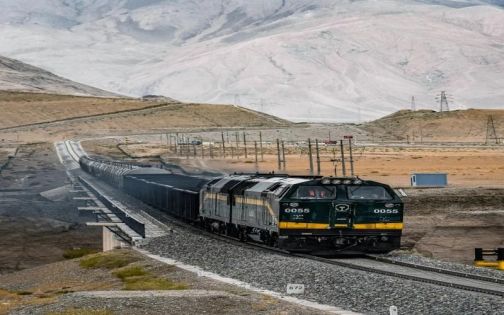
Actual viewing times vary depending on the train, delays, weather, and season, so the following should only be treated as a general reference. In the early morning, watch for the Kunlun Mountains and Yuzhu Peak. During the morning, focus on Kekexili and the surrounding wilderness, where wildlife may appear. Around midday, look out for Tuotuo River, Yanshiping, and the surrounding lakes and grasslands. In the afternoon, the Tanggula Mountains, Tsonag Lake, snow-capped peaks, and highland grasslands become the main highlights.When photographing the scenery, do not stay focused on just one angle. Because the train moves quickly, reflections can appear on the window. Lowering the cabin lights and finding a relatively clean section of glass can help improve your photos. Never lean out of a window or leave the train without permission when it stops at a station.The true charm of the Qinghai-Tibet Railway is not just one particular landmark. It is the gradual transformation of the landscape over several hours—from desert and barren wilderness to snow mountains, lakes, grasslands, and Tibetan settlements, before finally approaching Lhasa.
Who Is This Route Best For?
Flying from Chengdu to Xining and then taking the Qinghai-Tibet Railway to Lhasa is particularly suitable for first-time Tibet travelers, railway enthusiasts, and anyone who wants to experience the journey rather than simply fly directly to their destination.Xining makes a convenient stopover where you can explore Ta’er Monastery, try local Qinghai cuisine, and rest before boarding the train. The following day, the landscape outside the window becomes the main attraction.For railway enthusiasts, the experience is even more rewarding. As the train crosses Kekexili, climbs through the Tanggula Mountains, and passes snow mountains, grasslands, lakes, herders, and Tibetan settlements, you gradually feel yourself entering the Tibetan Plateau. That slow approach to Tibet is part of what makes the journey memorable.One final point: a train delay is not necessarily a bad thing. A later departure can sometimes shift the viewing window and allow scenery that might otherwise have been missed in darkness to appear in daylight. The Qinghai-Tibet Railway is not a journey that needs to be rushed. Leave some space in your itinerary for the mountains, lakes, clouds, and vast plateau outside the window.
Qinghai-Tibet Railway