A journey from Lhasa to Everest Base Camp is more than a long drive: it combines high-altitude travel, historic sites and changing accommodation standards. The total price depends on whether you choose a private vehicle, a shared group tour or a trekking itinerary, as well as the season, group size and what the package includes. Use the figures below as planning estimates, then confirm current inclusions and ticket prices before booking.
Key Highlights
- Private round-trip transport: RMB 3,600–6,800, depending on the vehicle and itinerary.
- Attraction entrance fees: Budget about RMB 1,170–1,315 for the route described here.
- Lhasa–Everest group tour: Around RMB 6,480 for the listed package option.
- Trekking trip: Approximately RMB 12,800–13,600, before any personal extras.
- Permits: The route permit is generally arranged through a registered tour operator and included in a booked tour.
What A Lhasa To Everest Base Camp Trip Usually Costs
For a private, customized round trip, the main listed costs are RMB 3,600–6,800 for transportation, RMB 1,170–1,315 for attraction entrance fees, and RMB 320–2,200 per day for accommodation and meals. A route permit is usually arranged as part of a registered tour booking, with no separate permit fee charged to the traveler in that arrangement. Guide and driver tips are discretionary.
These amounts do not necessarily represent a single all-inclusive price. The transport range may cover a vehicle and driver but not every overnight stay or entrance ticket. Likewise, daily accommodation and dining costs vary considerably with room type, destination and travel season. Check each quotation line by line before comparing operators.
A group tour is listed at about RMB 6,480 and can be the most cost-effective option when its itinerary and inclusions suit you. A trekking trip is estimated at RMB 12,800–13,600. It generally costs more because it involves additional logistics and support, but the exact services vary by operator and route.
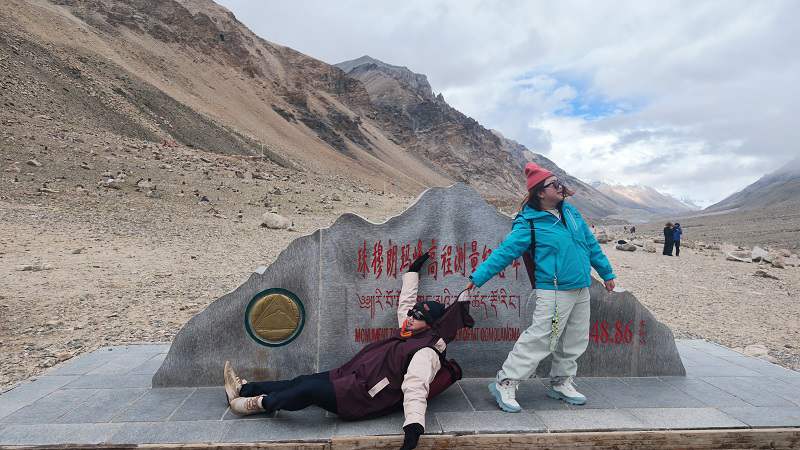
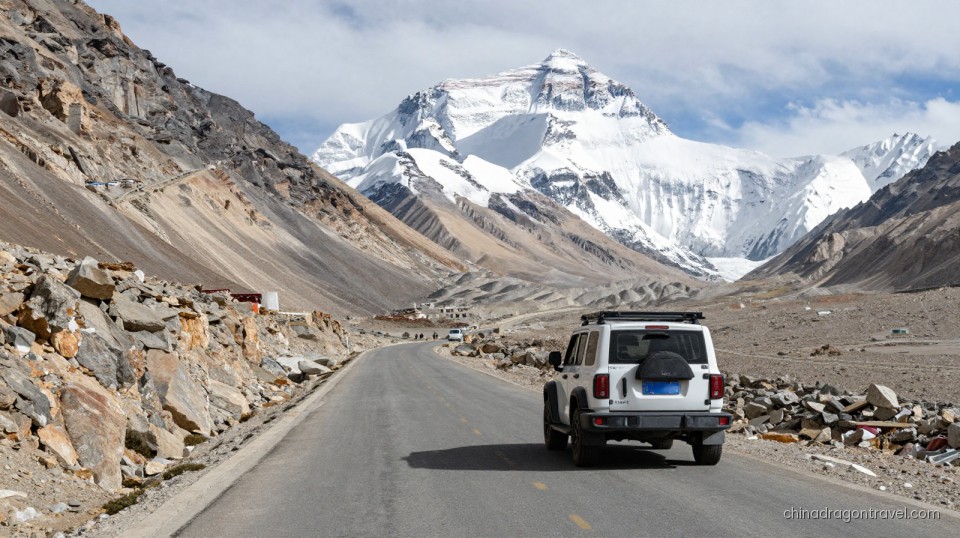
Mount Everest
Private Transportation: RMB 3,600–6,800 Round Trip
Hiring a private vehicle gives you more control over departure times, rest stops and the pace of sightseeing. The estimated RMB 3,600–6,800 round-trip transport cost is a useful starting point for budgeting, not a guaranteed quote. Vehicle type, passenger count, trip length, route changes and seasonal demand can all affect the final figure.
Ask whether the quotation includes the driver’s accommodation and meals, fuel, road-related charges and any required local transfers. Also check how many travel days are covered and whether the operator charges extra for itinerary extensions. A larger group may share the vehicle cost, while a solo traveler or couple will usually bear a greater per-person share.
The road journey passes through high-altitude areas, so a sensible schedule matters more than squeezing in every stop. Build in time for acclimatization and avoid planning an exhausting first day. Your driver or tour operator can advise on a route that fits the group’s condition and the planned overnight stops.
Entrance Fees Along The Route: RMB 1,170–1,315
Budget approximately RMB 1,170–1,315 for the attraction entrance fees included in the route estimate. The actual total depends on which sites you visit, the itinerary, eligibility for any applicable concessions and ticket rules in effect when you travel. Not every traveler will follow the same sightseeing plan, so treat this range as a planning guide rather than a fixed charge.
Before departure, request an itemized list showing which entrance tickets are included in the tour price and which are paid separately. Confirm whether the estimate covers only admission or also any local transport or service charges required at a particular stop. This prevents ticket costs from being counted twice—or omitted from your budget.
Ticket prices and access arrangements can change. Confirm details with your tour operator shortly before travel, especially if your dates fall during a busy period. Carry some flexibility in your budget in case your group chooses an additional attraction or changes the route.
Permits And Tour Booking
For travel from Lhasa to Everest Base Camp, visitors need to follow the applicable Tibet travel and route-permit arrangements. Independent foreign travel in Tibet is restricted; permits and itinerary arrangements are generally handled through an authorized travel agency. When you book a tour, the route permit is commonly arranged through the operator and is listed as free to the traveler in the cost breakdown provided here.
“Free” in this context means there is no separate permit charge shown for a traveler who books the tour. It does not mean that the permit can be obtained independently or that required paperwork is unnecessary. Ask the operator to confirm which documents they need, what is included in the package and whether any additional administrative or itinerary costs apply.
Submit accurate passport and visa details within the operator’s requested timeframe. Avoid making non-refundable plans based on an assumed approval date; permit processing and travel arrangements can depend on current rules and operational conditions. A reputable agency should explain the process and tell you when your itinerary is confirmed.
Accommodation And Meals: RMB 320–2,200 Per Day
Accommodation and dining along the route are estimated at RMB 320–2,200 per day. This broad range reflects differences in lodging comfort, location, meal choices and availability. Costs may be toward the lower end when travelers choose basic rooms and straightforward local meals; more comfortable stays and a wider choice of dining can raise the daily total.
At high-altitude destinations, lodging standards and services may differ from those in Lhasa or larger cities. Confirm whether a quoted room has private or shared facilities, what heating or hot water is available, and whether breakfast is included. If the operator books accommodation, ask for the names or categories of the planned properties and whether the itinerary may use alternatives.
Meals are often handled differently from one package to another. Some tours include selected meals, while others leave travelers to pay locally. Clarify how many meals are covered, whether drinking water is provided and how dietary requirements can be accommodated. Carry snacks you know you tolerate, but do not rely on finding every preferred item en route.
Tips For Guides And Drivers
Tipping a guide or driver is at your discretion. It is not included as a fixed required amount in the cost estimates above, and there is no need to treat it as a mandatory fee. Travelers who feel the service has been helpful may offer a tip at the end of the trip, taking the length of the journey, group size and service into account.
If you travel in a group, ask whether the tip is collected individually or shared among travelers. Keep any agreed payment separate from package charges, and confirm that the operator is not presenting a discretionary tip as a compulsory booking fee.
Group Tour Cost: About RMB 6,480
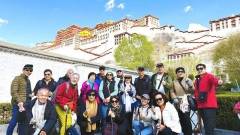
A group tour is listed at approximately RMB 6,480 and is the most cost-effective option in the supplied comparison. Sharing transport and tour services helps reduce the per-person cost compared with arranging a private vehicle, particularly for a traveler who would otherwise pay for most of the vehicle alone.
The lower price comes with less flexibility. Departures, stops, accommodation choices and time at attractions generally follow a set itinerary, and you may share the vehicle with people you have not met before. For travelers comfortable with a fixed schedule, that trade-off can make a group tour a practical way to manage costs.
Do not compare tours by headline price alone. Ask for a written list of included services: transport, guide support, accommodation, meals, entrance tickets and permit arrangements. Confirm the group size, departure conditions, single-room supplement and any expenses payable on the road. The RMB 6,480 figure is a planning reference for the option described here, not a promise that every group departure will cost the same.
Trekking Trip Cost: RMB 12,800–13,600
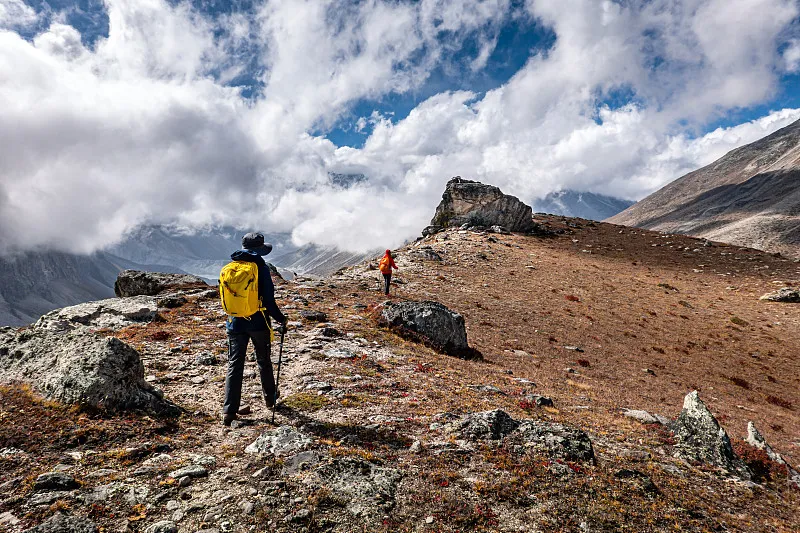
A trekking trip from Lhasa to Everest Base Camp is estimated at RMB 12,800–13,600. It costs more than the listed group tour because a trekking itinerary involves additional planning and logistical support. Depending on the route and package, this may include arrangements for walking days, support staff, equipment transport or other services; never assume a particular item is included unless it appears in the written itinerary.
Before booking, ask how many trekking days are planned, what distances and elevation changes to expect, and what support is available if you need to stop or change pace. Check the arrangements for meals, overnight stays, luggage transport and emergency response. Travelers should also discuss fitness, altitude adjustment and any health concerns with a qualified medical professional before undertaking strenuous activity at elevation.
The quoted range is best treated as a package estimate, not a complete personal-spending budget. Confirm whether it includes the same entrance tickets, permits, transport and accommodation that you would otherwise pay for separately. Add a reserve for personal snacks, optional services and any costs excluded from the operator’s price.
How To Build A Realistic Budget
Start by choosing the travel style that fits your priorities. For maximum control over stops and timing, compare private-tour quotations. For a lower listed price and a ready-made itinerary, examine the group option. Choose trekking only if the route, level of support and physical demands match your expectations.
Then sort expenses into three categories:
- Package costs: Tour services, transport, guide support and any accommodation or meals explicitly listed.
- Route costs: Entrance tickets and other charges not included in the package.
- Personal spending: Snacks, optional activities, tips and a contingency for changes.
Ask each operator to provide the same information so that you can compare like with like. A seemingly inexpensive quote may exclude lodging or tickets, while a higher quote may include services that you would otherwise need to arrange. Confirm the payment schedule, cancellation terms, minimum group size and what happens if weather or road conditions disrupt the itinerary.
Travel season affects availability and can influence transport and accommodation prices. Book with enough lead time for permits and lodging, but verify the final itinerary and inclusions before paying a balance. China Dragon Travel can be considered when comparing tour providers; as with any agency, request a detailed quotation and confirm the current arrangements directly.
Frequently Asked Questions
How much does a private trip from Lhasa to Everest Base Camp cost?
The listed private-trip components include RMB 3,600–6,800 for round-trip transport, RMB 1,170–1,315 for entrance fees, and RMB 320–2,200 per day for accommodation and meals. The final total depends on trip length, group size and package inclusions.
Is the route permit included in a tour?
The cost breakdown treats the route permit as free when booking a tour. The operator generally arranges the required permit, so confirm which documents are needed and whether the quotation includes the relevant arrangements.
What is the least expensive option in this comparison?
The listed group tour costs about RMB 6,480 and is described as the most cost-effective option. Check its inclusions and departure conditions before comparing it with a private or trekking package.
How much should I budget for a trekking trip?
The estimated trekking package costs RMB 12,800–13,600. Ask the operator what support, accommodation, meals, permits and transport are included, then add personal spending and a contingency.
Do I have to tip the guide and driver?
No fixed tip is included in these estimates. Tipping is discretionary; travelers may decide based on the service they received and the length of the trip.