When most travelers think of the Tibetan Plateau, they picture summer grasslands or autumn foliage. However, choosing to visit this high-altitude region during the colder months reveals an entirely different world. The unique experiences to enjoy in Tibet during winter transform the landscape into a pristine wonderland of deep blue skies, uninterrupted mountain views, and profound spiritual tranquility. Without the heavy tourist traffic of peak season, visitors can engage with local culture on a much more intimate level. The crisp air offers unparalleled visibility, making it the ideal time for photographers and nature enthusiasts. From soaking in natural geothermal pools surrounded by snow to witnessing ancient religious ceremonies, the winter season provides a raw, authentic glimpse into life on the roof of the world.
Key Highlights
- Unobstructed, crystal-clear views of Mount Everest.
- Deeply authentic monastery visits without peak-season crowds.
- Soothing natural hot springs surrounded by snowy landscapes.
- Vibrant traditional festivals and local cultural celebrations.
- Significant cost savings on accommodations and guided tours.
Breathtaking Views of Mount Everest in Winter
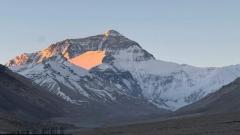
Seeing Mount Everest is a lifelong dream for many adventurers, but experiencing it during the colder months offers a distinct advantage that summer simply cannot match. Between November and February, the monsoon clouds completely dissipate, leaving behind an atmosphere so clear that the highest peak on Earth stands out in sharp, dramatic relief against a deep sapphire sky. The chances of catching an unobstructed view of the summit increase dramatically, making this the preferred season for serious photographers and mountaineering enthusiasts.
The journey to Everest Base Camp itself becomes an adventure wrapped in stark beauty. The winding roads leading up through the Himalayas are often dusted with fresh snow, creating a striking contrast between the white terrain and the dark, rugged rock faces. While the temperatures at the base camp drop significantly—often plunging well below freezing—the dry air and lack of wind on many days make the cold manageable with proper layering. Travelers who brave the chill are rewarded with silence and solitude. Instead of navigating through throngs of tourists, you might find yourself standing almost alone before the massive north face of the mountain, absorbing the sheer scale of the landscape.
Staying overnight near the base camp during this season requires preparation. The famous tent guesthouses operated by local Tibetan families usually close down for the winter due to the extreme cold. However, basic lodging options in nearby towns like Tingri or the Rongbuk Monastery guesthouse may still operate, offering heated rooms and warm meals. Waking up before dawn to watch the sunrise paint the snow-capped peak in shades of gold and pink is one of those unique experiences to enjoy in Tibet during winter that leaves a permanent mark on your memory. The light behaves differently at this altitude and time of year, casting long, dramatic shadows across the glaciers that do not exist in the summer months.
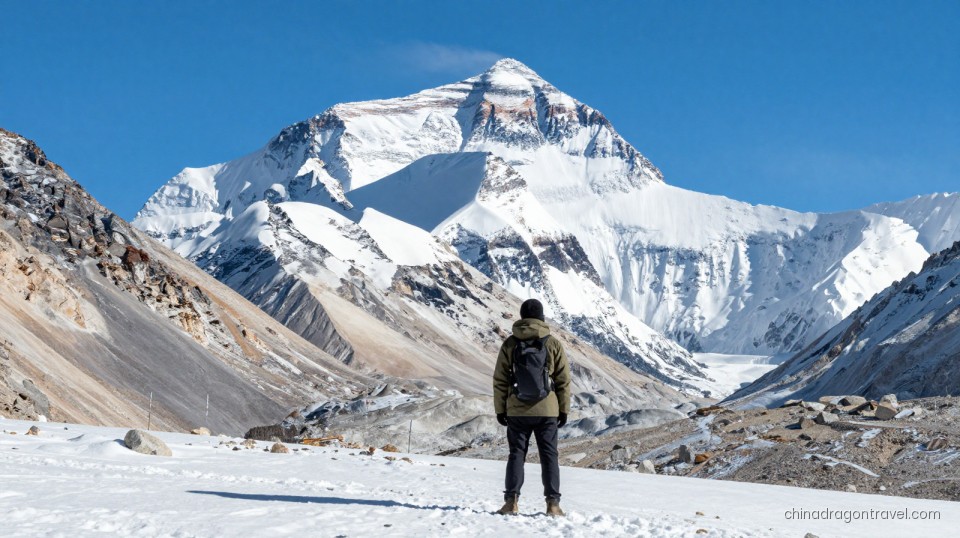
Mount Everest
Exploring Sacred Monasteries Without the Crowds
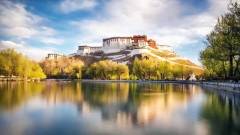
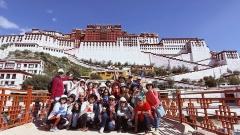
Tibet is home to some of the most significant Buddhist monasteries in the world, and visiting them in the off-season completely changes the dynamic of the experience. During the warmer months, iconic sites like the Potala Palace in Lhasa, Jokhang Temple, and Sera Monastery are bustling with tour groups. In winter, the pace slows down dramatically. The Potala Palace, which often requires booking tickets days in advance during peak season, becomes much more accessible. You can walk through its labyrinthine corridors, chapels, and throne rooms at your own pace, taking the time to appreciate the intricate murals, golden stupas, and centuries-old artifacts without feeling rushed by guides or other visitors.
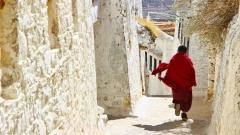
Jokhang Temple, the spiritual heart of Lhasa, takes on an even more reverent atmosphere when the temperature drops. Winter is actually a peak time for domestic pilgrimage. Nomadic families and devout practitioners from remote villages travel great distances to prostrate themselves before the sacred Jowo Shakyamuni statue. Watching these pilgrims spin prayer wheels and chant mantras in the crisp morning air, their breath visible in the cold, offers a deeply moving cultural encounter. Barkhor Street, the ancient circumambulation route surrounding the temple, feels less like a commercial market and more like a living, breathing center of faith. The vendors selling yak butter tea and tsampa (roasted barley flour) are there primarily to serve the locals, giving you a chance to interact with residents rather than just fellow tourists.
At Sera Monastery, the famous monk debates continue regardless of the season. Held in the courtyard during the afternoon, monks clap their hands loudly and stomp their feet to punctuate philosophical arguments. In winter, the audience consists mostly of locals and a handful of dedicated travelers, allowing you to sit closer and observe the intensity of these intellectual exchanges. Similarly, Drepung Monastery and Ganden Monastery, located on the outskirts of Lhasa, offer peaceful hiking opportunities. The trails around Ganden, particularly the kora (pilgrimage circuit), provide sweeping views of the Kyichu Valley blanketed in winter light. Walking these paths in the quiet cold allows for a meditative experience that aligns perfectly with the spiritual purpose of the sites.
Soaking in Natural Hot Springs Amidst Snowy Landscapes
One of the most relaxing and physically rewarding activities available during the colder months is bathing in the region’s abundant natural geothermal springs. The Tibetan Plateau sits on a highly active tectonic zone, resulting in numerous hot springs scattered across the landscape. Soaking in naturally heated mineral water while surrounded by snow-covered mountains and freezing air is a sensory contrast that defines the unique experiences to enjoy in Tibet during winter.
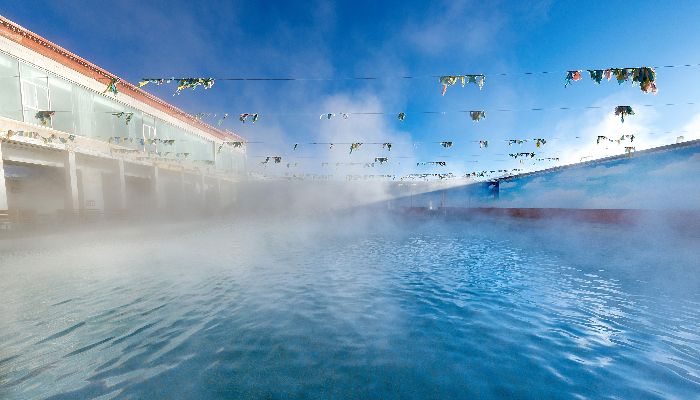
Yangbajain, located about ninety kilometers northwest of Lhasa, is perhaps the most famous geothermal area. Here, boiling springs and steam vents rise from the frozen earth, creating an ethereal, misty landscape. The developed bathing facilities allow visitors to submerge themselves in large outdoor pools fed by the hot springs. The water is rich in sulfur and other minerals, believed by locals to have healing properties for joint pain and skin conditions. As you float in the warm water, looking up at the snow-dusted peaks and the thick steam rising into the cold sky, the harshness of the high-altitude winter melts away.
For those seeking a more rustic and adventurous option, smaller, undeveloped hot springs can be found throughout the prefectures. In areas like Tingri or along the routes toward Mount Kailash, local communities often maintain simple stone pools where natural spring water collects. These spots are rarely visited by outsiders during winter, offering a private and incredibly authentic experience. It is important to respect local customs when using these communal baths; modesty is valued, and wearing appropriate swimwear is essential. Additionally, because the body works harder to acclimatize to high altitudes, spending excessive time in very hot water can lead to dizziness. It is recommended to soak in shorter intervals and stay hydrated, ensuring the experience remains rejuvenating rather than exhausting.
Yangbajain Hot Spring Pools
Witnessing Traditional Festivals and Local Culture
Winter on the plateau coincides with several important dates in the Tibetan lunar calendar, providing visitors with extraordinary opportunities to witness vibrant cultural and religious festivals. Unlike the performances staged for tourists in summer, these winter events are deeply rooted in community tradition and religious devotion, offering an unfiltered look into local life.
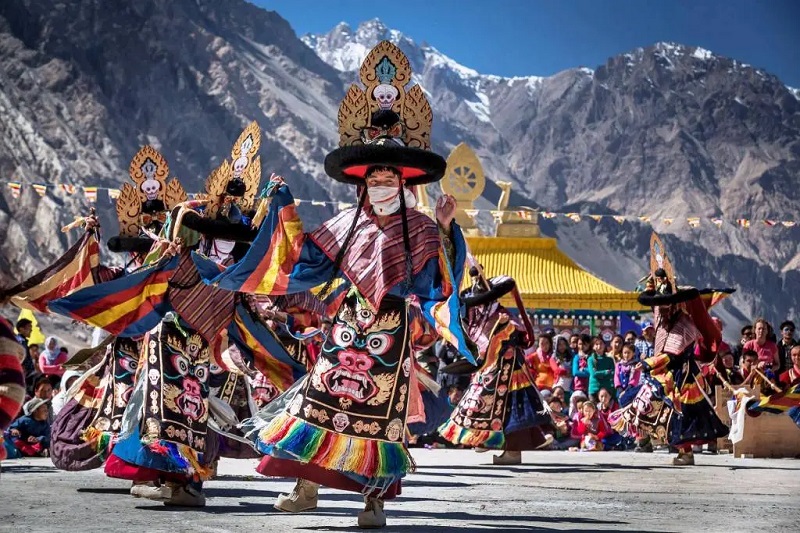
The Losar Festival, or Tibetan New Year, typically falls in February or early March, depending on the lunar cycle. This is the most important holiday for Tibetan people, comparable in significance to the Spring Festival in other parts of Asia. Preparations begin weeks in advance, with families cleaning their homes thoroughly to sweep away bad luck and painting auspicious symbols on their walls. During Losar, monasteries host elaborate Cham dances, where monks wear intricately carved wooden masks and colorful silk costumes to perform ritualistic dances meant to subdue evil spirits and bring good fortune for the coming year. The courtyards fill with the sounds of long copper horns, cymbals, and drums. Visitors are often welcomed to observe these ceremonies, provided they maintain respectful silence and follow photography rules set by the monasteries.
Another significant event is the Butter Lamp Festival, which marks the end of the Monlam (Great Prayer) Festival. On this night, the streets around Jokhang Temple and Barkhor Square are illuminated by thousands of yak butter lamps arranged in elaborate, towering sculptures. Monks spend days crafting these temporary artworks from colored yak butter, depicting deities, animals, and floral motifs. The glow of the lamps against the winter darkness creates a magical, flickering atmosphere. Locals walk the kora, chanting prayers, while the smell of burning butter and juniper incense fills the cold air. Participating in or simply observing these winter traditions allows travelers to connect with the spiritual heartbeat of the region in a way that is impossible during the busy tourist season.
Losar (Tibetan New Year)
Winter Wildlife Spotting on the Plateau
While many assume the landscape becomes barren in the cold months, winter actually enhances wildlife viewing opportunities across the vast Tibetan Plateau. The sparse vegetation and the tendency for animals to descend to lower elevations in search of food make them much easier to spot against the snowy backdrop. For nature lovers and wildlife photographers, this season transforms the plateau into an open-air safari.
The Tibetan antelope, known locally as chiru, can sometimes be seen migrating across the Changtang Nature Reserve. Their thick winter coats make them resilient to the freezing temperatures, and watching a herd move gracefully across the white plains is a spectacular sight. More elusive, but increasingly documented by winter travelers, is the snow leopard. These apex predators inhabit the rocky, high-altitude regions, and the snow makes tracking their movements slightly more feasible for experienced guides. While spotting one requires immense patience and luck, the mere possibility adds an element of wild excitement to a winter expedition.
Birdwatching also reaches a unique peak during this time. Many species migrate to the relatively milder river valleys of the plateau to escape even harsher northern climates. The black-necked crane, a bird deeply revered in Tibetan culture as a symbol of longevity and good fortune, winters in specific valleys such as the Yarlung Tsangpo river basin and around Lhasa. Conservation efforts have made areas like the Linzhou County wetlands excellent places to observe these majestic birds feeding in agricultural fields. Wild asses (kiang) and blue sheep (bharal) are also more visible, often grazing near roadsides where the snow has been cleared by the wind. Engaging in wildlife observation reminds visitors that the plateau is not just a cultural destination, but a vital ecological sanctuary that thrives even in the depths of winter.
Practical Tips for Navigating High-Altitude Cold Weather
Embarking on a winter journey to the roof of the world requires careful planning and respect for the environment. The unique experiences to enjoy in Tibet during winter are immensely rewarding, but they demand physical preparedness and the right logistical approach. Understanding how to manage the cold and the altitude simultaneously is the key to a safe and enjoyable trip.
Layering is the fundamental rule of dressing for this climate. The temperature difference between day and night is extreme. Under direct sunlight, daytime temperatures in Lhasa can reach a comfortable ten to fifteen degrees Celsius, but once the sun sets, they plummet rapidly below freezing. A moisture-wicking base layer is crucial to prevent sweat from cooling against your skin. Over this, insulating mid-layers like fleece or down jackets trap body heat. Finally, a windproof and waterproof outer shell protects against biting gusts, especially when traveling to higher elevations like Everest Base Camp or Namtso Lake. Thermal gloves, a warm hat that covers the ears, and insulated trekking boots are non-negotiable items for your packing list.
Altitude sickness does not take a winter break. In fact, the cold air is denser, and the body expends more energy keeping warm, which can exacerbate symptoms of Acute Mountain Sickness (AMS). It is essential to spend the first two to three days in Lhasa resting and acclimatizing before attempting any high-altitude excursions. Drink plenty of fluids—warm water, sweet tea, or traditional yak butter tea help maintain hydration and caloric intake. Avoid alcohol and strenuous exercise during the initial acclimatization period. Carrying portable oxygen canisters or arranging for supplemental oxygen in your vehicle provides peace of mind for longer drives over high mountain passes.
Sun protection is another critical factor. The high altitude means the atmosphere is thinner, and UV radiation is significantly stronger, even in winter. The reflection of sunlight off the snow further increases exposure. High-SPF sunscreen, UV-blocking sunglasses, and lip balm must be applied daily to prevent severe sunburn and snow blindness.
Why Traveling with China Dragon Travel Enhances Your Winter Journey
Navigating the logistical challenges of a winter expedition on the plateau is best done with expert support. Because road conditions can change rapidly due to snowfall, and some remote accommodations close for the season, having a reliable local partner is essential. China Dragon Travel specializes in crafting itineraries that maximize the unique experiences to enjoy in Tibet during winter while prioritizing traveler safety and comfort. Their deep knowledge of the region ensures that vehicles are equipped for icy roads, accommodations are pre-vetted for adequate heating, and guides are trained in high-altitude first aid.
Working with China Dragon Travel means you do not have to worry about the complexities of securing permits, which remain strictly required regardless of the season. They handle the bureaucratic details, arrange access to restricted areas, and provide knowledgeable local guides who can explain the nuances of winter festivals, monastery histories, and wildlife behaviors. Whether you are chasing the perfect photograph of Mount Everest or seeking the quiet warmth of a remote hot spring, partnering with experienced professionals allows you to focus entirely on the magic of the journey rather than the mechanics of travel. Embracing the cold season opens up a side of the plateau that few ever get to see, transforming a standard vacation into a profound, life-altering exploration.