
Key Takeaways
- Best time for blue ice: Visit Laigu Glacier from late December to February, when colder temperatures create stable frozen lakes and the best conditions for blue ice and ice cave photography.
- Laigu Glacier is a glacier group: The area includes several glaciers, with Yalong Glacier being one of the most spectacular and photogenic.
- High altitude: Laigu Glacier sits at approximately 4,000–4,400 meters (13,100–14,400 ft), so take it slowly and avoid strenuous activity after arrival.
- Check access before traveling: Glacier access, routes, ticket prices and transportation can change with weather, ice conditions and safety regulations. Always confirm the latest local information before departure.
- Route A vs. Route B: Route A is better for first-time visitors and shorter visits, while Route B is more suitable for photographers looking for larger blue ice formations and deeper glacier scenery.
- Blue ice caves are not automatically safe to enter: Never enter restricted caves, walk onto unmarked ice or climb glacier walls. Hidden cracks, thin ice and unstable formations can be extremely dangerous.
- Wear proper footwear: Waterproof hiking shoes with good traction and microspikes/crampons are strongly recommended for frozen surfaces.
- Dress for extreme cold: Use a layered system with thermal base layers, fleece or down insulation, a windproof outer shell, warm trousers, gloves, a hat and scarf.
- Bring hot water and energy snacks: Supplies around the glacier are limited, so carry an insulated bottle, water, chocolate or energy bars and essential personal medication.
- Best photography conditions: Clear mornings generally offer the strongest blue tones. Bright-colored clothing such as red, yellow or orange creates striking contrast against the blue ice.
- Stay with your group: Mobile coverage can be unreliable around remote glacier areas. Never explore unfamiliar ice formations alone.
- Respect the environment: Do not leave trash behind, disturb the ice or enter restricted areas. Laigu Glacier is a fragile high-altitude ecosystem that needs to be protected.
Blue Ice Cave
Why Visit Laigu Glacier in Winter?
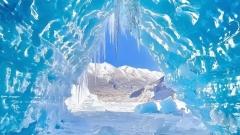
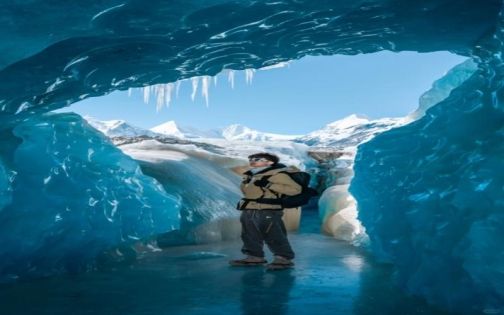
Many first-time visitors assume that “Laigu Glacier” refers to a single glacier. In fact, Laigu Glacier is the collective name for a group of glaciers, including Meixi, Yalong, Ruojiao, Dongga, Xiongjia and Niuma glaciers. Among them, Yalong Glacier is particularly spectacular. Located in Baxu County, Chamdo, eastern Tibet, Yalong Glacier stretches for approximately 12 kilometers from the main peak of the Gangrigabu Mountains toward Gongcuo. Its glacier tongue, surrounding lakes and snow-covered mountains create one of the most impressive landscapes in the Laigu area.Winter is the most special season for experiencing Laigu Glacier. As temperatures drop, parts of the glacial lakes freeze completely, allowing visitors to see large areas of blue ice accumulated on the frozen lake surface. When sunlight passes through the dense layers of ice, the ice can appear in shades ranging from pale blue to deep sapphire. Ice caves, frozen walls and natural ice textures also become particularly photogenic during this period.
Best Time to See Blue Ice at Laigu Glacier
Late December to February: The Main Blue Ice Season
If your main goal is to see blue ice, ice caves and frozen glacial lakes, winter is the season to prioritize. Late December through February is generally considered the key period for experiencing the winter blue ice landscape. However, the exact condition of the ice depends on temperature, snowfall, sunlight and meltwater, so the accessible areas can change from year to year.Do not assume that arriving in December automatically means you can walk onto the ice. Glacial lakes are natural environments, and ice thickness can vary significantly. Whether a particular area is open, whether visitors can walk on the frozen lake, and how close you can approach the ice caves should always be confirmed locally on the day of your visit.
Morning Light Is Usually Best for Photography
On clear days, morning light tends to create better conditions for photographing blue ice. Sunlight passing through the ice can reveal stronger blue tones and more detailed textures. Late morning to around midday is generally a good window for photography, although weather and wind conditions can change quickly.There is no need to stay in a dangerous area simply to wait for the perfect light. The ice changes constantly, and safety should always take priority over photography.
Where Is Laigu Glacier and How Do You Get There?
Location and Nearby Attractions
Laigu Glacier is located near Laigu Village in Ranwu Town, Baxu County, Chamdo, Tibet. It is also relatively close to Ranwu Lake and the famous 318 Sichuan-Tibet Highway, making it a natural addition to a western Sichuan-Tibet travel itinerary.For travelers following the 318 route, Ranwu Town is a convenient base for accommodation and supplies. From there, you can arrange a day trip to Laigu Glacier. In winter, it is better to leave some flexibility in your schedule rather than planning a tightly packed itinerary, as snow, ice and changing road conditions can affect travel times.
Where to Stay: Ranwu Is the Practical Choice
If Laigu Glacier is one of the main purposes of your trip, staying in Ranwu Town is usually more convenient than attempting a long-distance day trip from farther away.Arriving in Ranwu the day before allows you to rest, check the weather and confirm the latest glacier access conditions before heading to Laigu Village the following morning.
Blue Ice Cave
How to Choose Between the A and B Routes
Route A: The Easier Option for First-Time Visitors
Local travel arrangements may divide the Laigu Glacier experience into different sightseeing routes. Route A is generally more suitable for first-time visitors, travelers with average fitness levels, or those with limited time.The route typically combines sightseeing transportation with a relatively short walk to viewpoints around the glacier and frozen lake. The exact transport arrangements and walking distance can vary depending on seasonal conditions and which areas are open.If this is your first visit, you do not necessarily need to pursue the most remote section. Taking in the overall landscape of snow mountains, glaciers, frozen lakes and blue ice can already provide an impressive experience.
Route B: Better for Photography Enthusiasts
Travelers whose priority is photographing larger ice caves, blue ice walls and detailed glacier formations can consider the deeper sightseeing areas when they are officially open.Some sections may require local vehicles and travel over unpaved roads. During winter, snow, ice, mud and uneven surfaces can make these roads challenging. Unless you have extensive experience driving on high-altitude mountain roads, taking a local vehicle is generally the safer option.Keep in mind that route names, transportation fees and access areas may change according to the season. Do not rely entirely on an old online itinerary. Confirm the arrangements locally before setting out.
Laigu Glacier Tickets and Entrance Fees
Check the Latest Prices Before Departure
Online travel guides commonly list an adult entrance ticket at around RMB 150, with a sightseeing shuttle costing approximately RMB 60, for a total of about RMB 210 per person. However, ticket prices, discount policies, shuttle arrangements and winter transportation services can change.In 2026, Baxu County authorities issued an official notice temporarily suspending access to Laigu and Yalong glaciers, with reopening arrangements to be announced separately. This is an important reminder that current official information is more reliable than fixed prices or opening dates found in older travel posts.Before departure, confirm the latest ticket prices, opening status and transportation arrangements.
What Is the Altitude of Laigu Glacier?
Around 4,000 Meters Above Sea Level
The Laigu Glacier area sits at roughly 4,000–4,400 meters above sea level. Altitude is therefore one of the most important factors to consider when planning a winter visit.After arriving in Ranwu or Laigu Village, avoid intense physical activity. Do not immediately run onto the ice, climb steep slopes or spend long periods hiking. The first priority at high altitude should always be allowing your body to adapt.
How to Handle Altitude Sickness
Walk slowly, avoid strenuous exercise and maintain steady breathing. Drink fluids regularly without forcing yourself to overdrink, and keep yourself warm.If you experience severe or worsening headache, dizziness, nausea, difficulty breathing, confusion or significant weakness, stop sightseeing and seek medical assistance. Supplemental oxygen can be useful as an emergency measure for some travelers, but no “anti-altitude sickness” product can guarantee that altitude sickness will not occur.
How Cold Is Laigu Glacier in Winter?
Prepare for Both Freezing Temperatures and Strong Winds
The biggest mistake visitors make is underestimating the wind. Even under bright sunshine, the combination of high altitude, frozen lakes and exposed glacier terrain can feel extremely cold.A practical winter layering system is a moisture-wicking base layer, fleece or light down insulation, and a windproof outer shell. Add insulated trousers or thermal layers, thick socks, a warm hat, scarf and windproof gloves.Sunglasses are equally important. Bright snow and ice can create intense glare, especially on clear days.
Blue Ice Cave
Essential Gear for Walking on Frozen Areas
Traction Matters More Than Anything Else
If the officially designated area is open for visitors to walk on the frozen lake, proper footwear is essential. Waterproof hiking shoes or mountaineering boots with good traction are strongly recommended.Microspikes or crampons can provide much better grip on hard ice. Ordinary mesh running shoes are not suitable for frozen surfaces and can easily lead to slips and falls.
Recommended equipment includes:
- Waterproof hiking or mountaineering shoes
- Suitable crampons or microspikes
- Down jacket and windproof outer layer
- Warm trousers
- Thick gloves, hat and scarf
- Sunglasses and sunscreen
- Insulated thermos with hot water
- Chocolate, energy bars and other high-calorie snacks
- Power bank and spare camera batteries
- Personal medication and basic emergency supplies
Cold temperatures can drain smartphone and camera batteries quickly. Photographers should carry spare batteries and keep them warm inside an inner pocket.
How to Photograph Blue Ice Caves
Use Wide-Angle Lenses for Space and Telephoto Lenses for Details
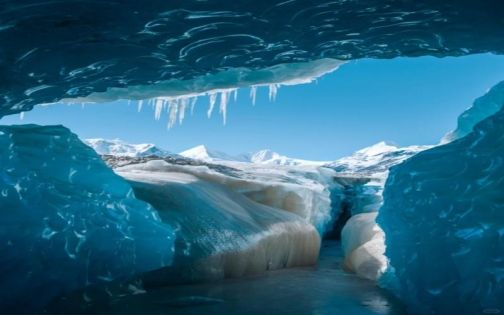
The most fascinating feature of a blue ice cave is the way sunlight passes through the ice and creates different shades of blue.A wide-angle lens works well for capturing the entire cave, surrounding landscape and a person inside the frame. A standard or telephoto lens is better for highlighting intricate ice textures, cracks and layers.Bright clothing such as red, yellow or orange creates a strong contrast against blue ice. It also helps communicate the enormous scale of the glacier.
Clear Weather Usually Produces Stronger Blue Tones
When sunlight enters the ice, the blue color can become significantly more vivid. Try photographing from a lower angle to emphasize the patterns in the ice, or place a person safely near the entrance of an ice cave to create a sense of depth.However, never enter an unmarked area simply to find a better composition. Laigu Glacier is not a natural photography studio where visitors can freely climb or explore every section.
Blue Ice Cave Safety: What You Need to Know
The Biggest Mistake Is Assuming Every Ice Cave Is Safe to Enter
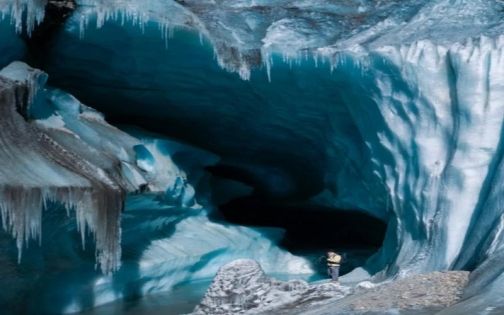
Blue ice caves may look solid and inviting, but natural glacier caves are not ordinary caves. They can contain hidden cracks, underground meltwater, thin ice and unstable sections. Changes in temperature and sunlight can also affect the structure of the ice.In February 2026, Baxu County authorities issued a notice prohibiting travel agencies and tourism operators from illegally organizing visitors to enter restricted glacier core areas or climb glacier formations at Laigu and other glaciers, emphasizing the serious safety risks involved.Therefore, seeing a blue ice cave does not mean you are allowed to enter it. Whether you can approach a particular cave, walk on the ice or enter an ice formation must be determined by the official access rules and on-site safety management.
Never Explore the Glacier Alone
Mobile phone coverage can be unreliable around remote glacier areas. Stay with your group and avoid walking alone into isolated sections.If you encounter cracks, meltwater, loose ice, unstable formations or areas without official markings, turn back immediately.Leave no trash behind. The glacier environment is extremely fragile, and even small pieces of plastic or food packaging can remain in the high-altitude environment for a very long time.
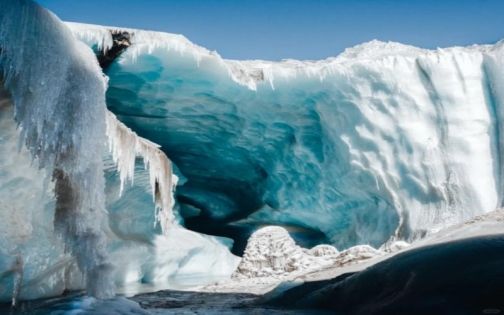
Blue Ice Cave
Who Should Visit Laigu Glacier in Winter?
Laigu Glacier is particularly suitable for travelers who love snow mountains, glaciers, blue ice and landscape photography. It is also a great choice for visitors who have already experienced classic destinations such as Lhasa and Nyingchi and want to explore a more remote and less-developed side of Tibet.However, winter Laigu Glacier is not ideal for travelers who strongly dislike cold weather, have no experience with high-altitude travel, or expect the convenience of a fully developed tourist attraction with easy transportation everywhere.The greatest appeal of Laigu Glacier is not simply having a “blue ice cave to walk into.” It is the combination of snow-covered mountains, frozen lakes, glaciers, Tibetan villages and vast high-altitude landscapes.When winter sunlight passes through the thick blue ice, the glacier can appear to glow from within. With the Gangrigabu Mountains rising in the distance and Ranwu Lake and the surrounding valleys stretching beyond, Laigu offers one of the most distinctive winter landscapes in eastern Tibet.
Important: Glacier access can change because of seasonal conditions, ice stability and safety management. In June 2026, Baxu County authorities announced a temporary suspension of access to Laigu and Yalong glaciers, with the reopening date to be announced separately. Travelers planning a winter 2026–2027 visit should therefore check the latest official notices before departure rather than relying on older information about ticket prices, routes or guaranteed access to blue ice caves.