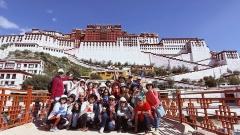
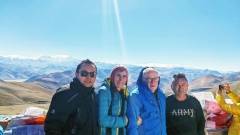
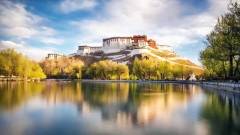
Traveling from Shigatse to Everest Base Camp is a memorable overland journey through western Tibet, where highland towns, sweeping valleys, and Himalayan viewpoints make the route as rewarding as the destination. Careful planning matters: the drive is long, the altitude is serious, and access arrangements can change.
Key Points
- Route: Follow the road west from Shigatse toward Tingri and the Everest region.
- Time: Allow a full day for the drive, plus extra days for acclimatization and sightseeing.
- Altitude: Spend time adjusting to elevation before continuing toward Everest Base Camp.
- Access: Check current permit, transport, and park-entry requirements before departure.
- Best approach: Travel with a licensed operator or guide familiar with the region and its current rules.
Travel From Shigatse To Everest Base Camp At A Glance
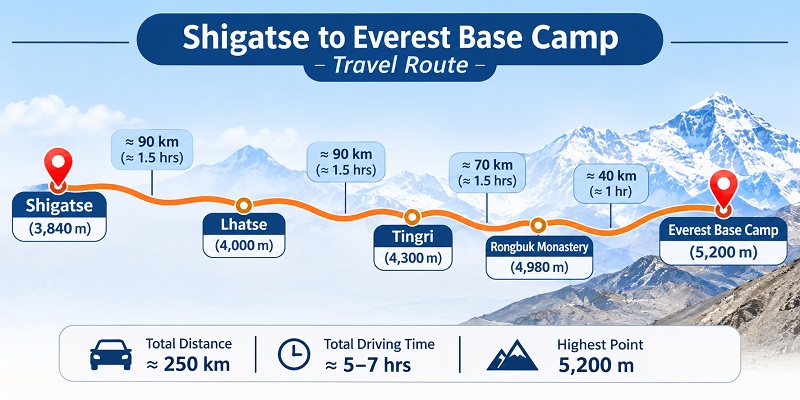
Shigatse, also called Xigazê, is one of the principal cities in the Tibet Autonomous Region. From here, travelers heading to the north-side Everest Base Camp follow a high-altitude road through rural settlements and open landscapes toward Tingri County and the Everest area. The route is scenic, but it is not a quick transfer: road conditions, stops, weather, and altitude can all affect how long the journey takes.
The north-side base camp is in Tibet, China, and is reached through the designated access system for the Everest region. It is distinct from the south-side base camp in Nepal. Visitors should confirm where their itinerary goes, what permits are required, and whether the final approach is by road or by an approved local shuttle. Rules and arrangements can change, so avoid relying on old travel accounts for operational details.
A sensible plan includes more than the drive itself. Travelers need time to acclimatize, particularly if they have arrived in Tibet recently or have spent little time at high elevation. A gradual itinerary is safer and more enjoyable than rushing from a lower-altitude arrival point straight to the Everest area.
Shigatse To Everest Base Camp
How Long Does The Journey Take?
The drive from Shigatse to the Everest region is commonly planned as a full day, but the exact time varies. The route covers a substantial distance across high-altitude terrain, and the final arrival point may depend on the current access arrangements. Roadwork, weather, traffic controls, photography stops, and the pace of the group can all add time.
For a comfortable itinerary, treat the transfer as a travel day rather than a simple point-to-point ride. Leave early, carry water and snacks, and keep essential items accessible instead of packing everything in the vehicle’s luggage area. If your trip includes overnight stops, confirm where you will sleep and how far the accommodation is from the intended viewpoint or base-camp area.
Some itineraries approach Everest after visiting other parts of Tibet, while others make Shigatse a staging point before traveling west. The best choice depends on your arrival schedule, health, and how well you are adapting to altitude. Ask your operator to build in realistic drive times rather than promising a fixed arrival hour.
A Practical Route And Its Main Stops
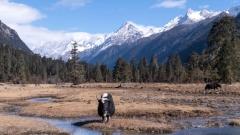
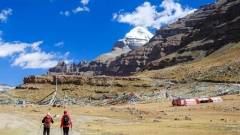
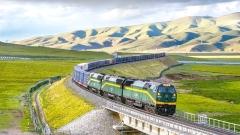
The route generally heads west from Shigatse, passing through highland countryside toward the Tingri area and onward to the Everest region. The landscape changes gradually: cultivated patches and settlements give way to broad valleys, dry plains, and increasingly dramatic mountain scenery. The road itself is part of the experience, so allow time for short stops when conditions and your itinerary permit.
Shigatse: Prepare Before Departure
Use your time in Shigatse to check your documents, confirm the next day’s departure details, and buy any small necessities you may have missed. The city is an important regional center, and travelers often visit Tashilhunpo Monastery as part of a broader stay. A visit can add cultural context to the journey, but avoid overloading the schedule if you need rest or are still adjusting to the altitude.
Before leaving, confirm the vehicle, departure time, meal arrangements, and planned overnight stop. Ask your guide how much walking is expected at each stop, whether toilets are available, and what to do if someone develops altitude symptoms. These practical questions are especially useful for families and travelers who have not previously visited high-altitude destinations.
Tingri And The Approach To Everest
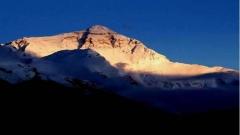
Tingri County is a common staging area on the way to Everest and offers a transition between the settled areas around Shigatse and the more remote mountain environment. Depending on the itinerary and current arrangements, travelers may stop in or near Tingri to rest before continuing. The surrounding plateau can offer expansive views, but weather and visibility are unpredictable; a clear view of Everest is never guaranteed.
The final approach may involve a regulated transfer or shuttle system rather than taking a private vehicle directly to every visitor area. Follow your guide’s instructions and posted rules. Do not assume that a route or stopping point described in an older blog remains open to private traffic today.
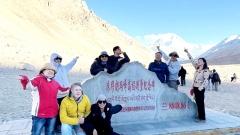
Choosing A Tour, Vehicle, Or Itinerary
Travel within Tibet is subject to specific travel and permit requirements, and international visitors generally need to arrange their trip through an authorized travel agency. Requirements depend on nationality, itinerary, and current regulations. Confirm the details with a reputable operator before booking flights or making nonrefundable plans.
A private tour gives your group more control over timing and photo stops, while a shared tour may cost less but can involve a fixed schedule. In either case, prioritize a vehicle suited to long-distance highland travel and a driver experienced with the route. Ask whether the price includes the guide, fuel, accommodation, meals, admission fees, and any local transfers. Request a clear list of exclusions so that costs are not a surprise.
When comparing itineraries, look beyond the number of destinations. A schedule that adds too many stops can leave little room for acclimatization or rest. Check how many nights are planned at altitude, where they are spent, and whether the route includes time to recover before the highest part of the trip. China Dragon Travel can be one option to discuss for arranging a Tibet itinerary; compare its proposed route and inclusions with your needs, and independently confirm current travel requirements before booking.
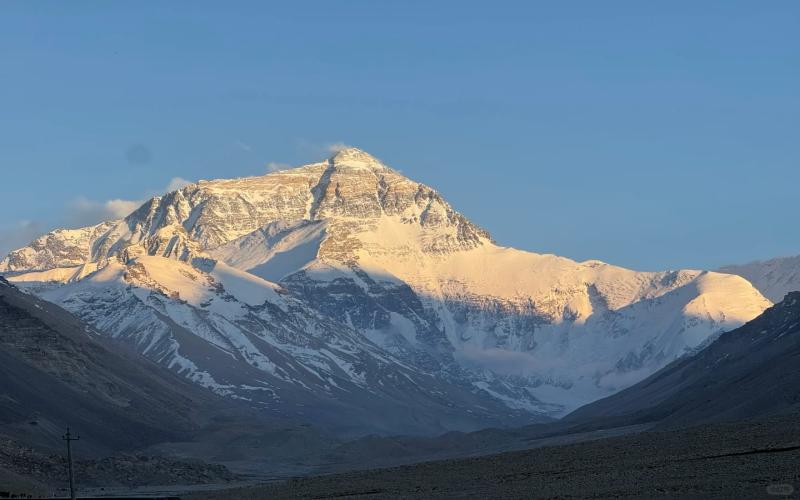
Everest Base Camp
Acclimatization And High-Altitude Safety
The road to Everest Base Camp crosses high terrain, and the destination is at an elevation where altitude illness is a real concern. No level of fitness guarantees protection. The most useful precaution is to ascend gradually, allow time for acclimatization, and take symptoms seriously. If you have a medical condition or are unsure whether high-altitude travel is appropriate, speak with a healthcare professional before the trip.
Common warning signs can include headache, nausea, dizziness, unusual fatigue, and difficulty sleeping. Symptoms can worsen, and severe breathlessness at rest, confusion, loss of coordination, or a rapidly deteriorating condition require urgent attention. Tell your guide or travel companions promptly if you feel unwell. Continuing upward to keep to a schedule is not a safe response to worsening symptoms; descent and medical assistance may be necessary.
Keep the first days of your Tibet itinerary relatively light. Walk slowly, avoid strenuous exertion, drink regularly, and do not use alcohol as a way to relax at altitude. Follow medical advice about any medication; do not treat a drug as a substitute for gradual ascent. A guide should know the group’s plan for responding to illness and how to contact assistance along the route.
What To Pack For The Drive
Conditions can vary widely between sunny road stops and cold, windy viewpoints. Pack layers that you can add or remove, including a warm mid-layer and a wind-resistant outer shell. A hat, gloves, sturdy walking shoes, sunglasses, and sunscreen are useful even when the forecast looks mild. Strong sun and dry air can make the high plateau feel harsher than expected.
Bring personal medication in its original packaging, along with any supplies you rely on regularly. Keep drinking water, simple snacks, tissues, hand sanitizer, and a small power bank within reach. A basic first-aid kit is useful, although it should not replace professional medical care. Carry a small amount of cash for incidental purchases, but ask your operator what payment methods are practical in the places on your route.
A camera or phone can be handy, but cold temperatures reduce battery life. Keep devices warm when possible and bring enough storage for photographs. Pack modestly: space in a vehicle may be limited, especially on a shared tour. Confirm baggage limits with the operator rather than assuming every vehicle can accommodate large suitcases.
Best Time To Make The Journey
The most suitable season depends on your priorities, weather, and the current operating schedule. Many travelers prefer the warmer months, when roads and travel conditions are generally more manageable than in the coldest part of the year. Even in summer, however, the mountain environment can be chilly, and rain, cloud, or wind may affect visibility and comfort.
Spring and autumn can bring crisp air and striking views, but temperatures vary significantly between day and night. Winter travel may involve colder conditions and additional disruption, so it requires careful confirmation of access, accommodation, and road status. There is no season that guarantees an unobstructed view of Everest. Build flexibility into your plans and treat clear skies as a bonus rather than a promise.
Before setting dates, ask your operator about current access restrictions, local closures, and the expected overnight conditions. Check forecasts close to departure, but remember that high-mountain weather can change quickly. Warm clothing and a flexible schedule remain important regardless of the month.
Staying Overnight Near The Everest Area
Accommodation standards near the Everest region are generally more basic than in major cities. Facilities vary by location and season, and heating, hot water, and reliable electricity may not always be available as travelers expect. Confirm the specific accommodation included in your itinerary and ask whether bedding, meals, and heating are provided.
A sleeping bag may be useful in some itineraries, but requirements differ by accommodation and season. Ask your operator before packing bulky gear. Keep a headlamp, earplugs, and warm sleepwear handy, and avoid assuming that a remote lodging option will provide all the conveniences of a city hotel.
Rest matters at altitude. If you are choosing between a rushed overnight plan and a more gradual itinerary, give weight to sleep, comfort, and the opportunity to respond to symptoms. A modest room at a sensible stop can be a better choice than pushing onward simply to save a few hours.
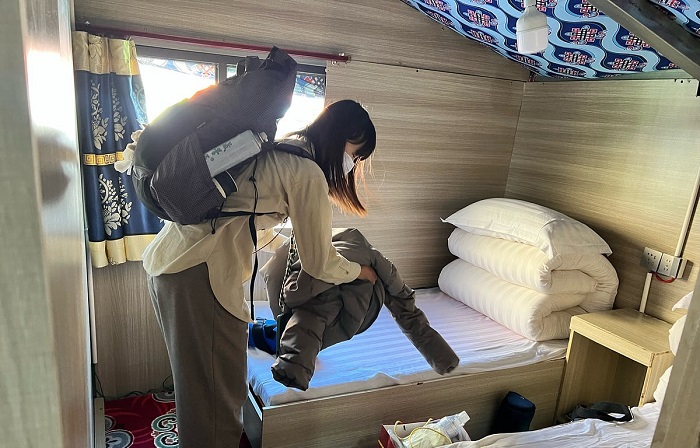
Everest Tent
Responsible Travel In The Everest Region
The Everest region is a culturally significant landscape as well as a fragile high-altitude environment. Follow local instructions, stay within designated visitor areas, and do not leave rubbish behind. Carry out personal waste when appropriate and use toilets where provided. Avoid disturbing wildlife or taking objects from the landscape.
Ask before photographing people, homes, or religious sites, and follow rules at monasteries and other sacred places. Dress respectfully and keep your voice low around active religious spaces. A local guide can explain customs and help you understand what is appropriate at different stops.
The region’s remoteness means that small choices can have a larger impact. Use refillable bottles where safe and practical, minimize single-use packaging, and respect restrictions on vehicles and visitor movement. Responsible behavior helps protect the landscape and makes the experience more considerate for residents and fellow travelers.
Frequently Asked Questions
How far is Shigatse from Everest Base Camp?
The distance depends on the precise destination and route used, but the journey is long enough to plan as a full travel day. Road conditions, access controls, and required local transfers can change the total time. Confirm the current itinerary with your operator.
Can I travel from Shigatse to Everest Base Camp independently?
Travel rules for Tibet vary by traveler and itinerary, and international visitors generally need to arrange travel through an authorized agency. Check current permit and guide requirements before planning independent transport. Do not assume that a personal vehicle can enter every part of the Everest area.
Do I need to acclimatize before going to Everest Base Camp?
Yes. The region is at high altitude, and travelers should plan a gradual ascent with time to adjust. If symptoms develop or worsen, inform your guide immediately and follow medical advice rather than continuing upward to meet a schedule.
Is the north-side Everest Base Camp the same as the Nepal base camp?
No. The north-side base camp is in Tibet, China, while the south-side base camp is in Nepal. They have different routes, access arrangements, and travel requirements.
Will I definitely see Mount Everest from the route?
No. Visibility depends on weather, cloud, and local conditions. A good itinerary can provide opportunities for viewpoints, but no operator can guarantee a clear view on a particular day.