Everest Base Camp in Tibet in winter offers a very different experience from a summer journey. The air is cold and the days are short, but quieter roads, a less crowded monastery, and the chance of clear mountain views can make the season rewarding. The key is to prepare carefully and keep plans flexible.
Key Points
- Quieter viewpoints: Winter generally brings fewer visitors to the Everest region than peak travel periods.
- Crisp mountain scenery: Cold, dry conditions can bring clear views, though weather is never guaranteed.
- A different cultural rhythm: Experience villages and monasteries without the busiest-season crowds.
- Lower temperatures, higher demands: Good preparation, acclimatization, and flexibility are essential.
- Best for considered travelers: A winter visit suits people who value atmosphere and scenery over warm, easy conditions.
Why Visit Everest Base Camp In Tibet During Winter?
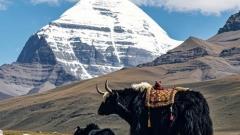
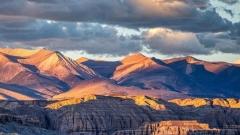
The Tibetan side of Everest Base Camp lies in Tingri County, Shigatse, within the Mount Everest National Nature Reserve. The landscape is vast and exposed: high plateaus, dry valleys, villages, and the north face of Mount Everest. Winter makes that environment feel even more stark. Snow may dust the surrounding peaks, while the cold, thin air sharpens the contrast between the mountain and the open plateau.
For many travelers, the first advantage is a quieter atmosphere. Visitor numbers vary from year to year and around holidays, so winter should not be described as completely empty. Still, it is usually less busy than the main spring and autumn travel periods. At popular stops, this can mean more time to take in the landscape and less pressure to move quickly for photographs.
Winter may also bring clear, dry days. The region has a high-altitude plateau climate, and cold-season conditions can offer good visibility. But clear views are never guaranteed: cloud, wind, haze, or snowfall can affect the outlook at any time. Travelers should treat a view of Everest as a possibility, not a promise.
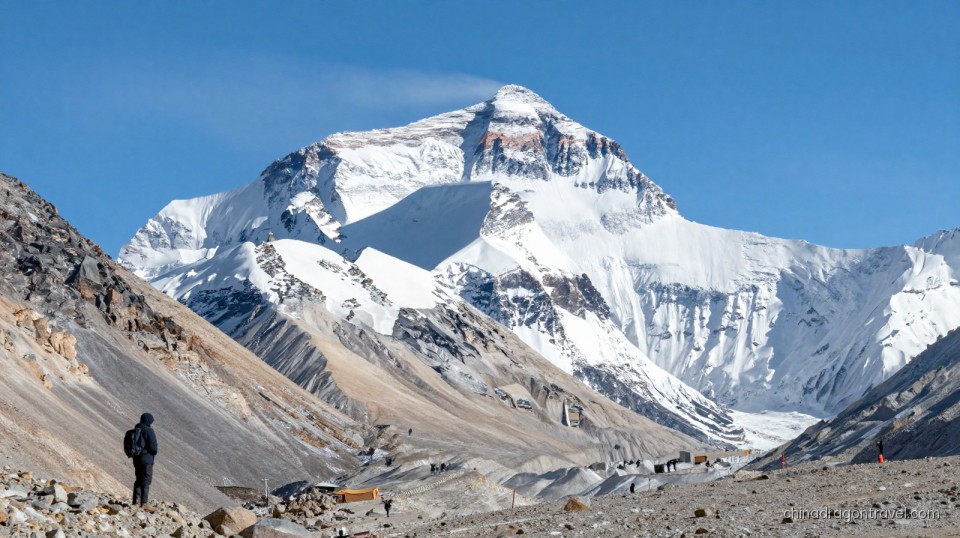
Everest Base Camp in Winter
There is also value in seeing the region outside its busiest travel rhythm. Local life continues through winter, but weather and operating schedules can affect transport, accommodation, and access to visitor facilities. A thoughtful itinerary allows time for stops along the way instead of treating the base camp as a quick photo destination.
What Makes The Winter Landscape Special?
Crisp Air And Wide Horizons
At high elevation, the atmosphere often feels dry and the horizon can seem unusually sharp. On a calm, clear day, the peaks stand out against a deep sky, and the scale of the plateau becomes easier to appreciate. Early and late light can create subtle color changes on the mountain slopes, although low temperatures make long outdoor waits uncomfortable.
The best approach is to observe conditions rather than build the day around a single sunrise or sunset. Wind chill can make an exposed viewpoint feel far colder than the forecast temperature suggests. Bring warm layers, keep a hat and gloves accessible, and return to the vehicle or a sheltered area when needed.
Snow-Capped Peaks And Stark Terrain
Winter can add fresh snow to the surrounding mountains, but the amount varies. The region is not a guaranteed snow-covered postcard: roads and lower elevations may remain dry, while higher slopes hold snow and ice. That combination of bare plateau and white peaks is part of the season’s character.
Photographers may appreciate the simpler visual palette. The broad landscape, mountain ridgelines, and changing light offer strong compositions without elaborate staging. Use a camera battery kept warm inside a pocket, since cold can reduce battery performance, and avoid lingering in unsafe roadside locations to get a shot.
Fewer Crowds And A More Unhurried Visit
Compared with busier periods, winter can make well-known stops feel more spacious. The Rongbuk Monastery area, which is often included on routes toward the base camp, is an especially meaningful pause. Visitors can take time to appreciate the setting and the monastery’s connection to the Himalayan landscape, while observing local customs and respecting any posted access rules.
A quieter visit is not the same as a private or guaranteed peaceful experience. Other travelers may be present, and local or religious events can bring activity. The benefit is more modest but still valuable: there may be fewer tour groups following the same schedule, allowing a more measured pace.
Winter conditions also reward travelers who are comfortable with simple pleasures. A warm drink, a short walk in a sheltered spot, or a conversation with a guide can become as memorable as the main viewpoint. The trip feels less like ticking off attractions and more like spending time in a demanding, distinctive environment.
A Better Fit For Flexible Travelers
A winter itinerary should be planned with room to adapt. Roads, weather, and local operating arrangements can change, and the final approach may be affected by conditions. Build in extra time where possible, confirm the current route and access arrangements before departure, and avoid making onward flights or fixed connections depend on reaching a specific viewpoint at a precise hour.
This flexibility matters because travel in Tibet also involves administrative planning. Foreign visitors generally need to arrange the required permits and travel through an authorized travel agency with a guide and an organized itinerary. Requirements and processes can change, so confirm current rules with a reputable operator before booking. Do not assume that a permit or access procedure used on an earlier trip still applies.
China Dragon Travel can assist with itinerary planning, permits, transport, and guide arrangements for travelers considering the Tibetan route. When comparing operators, ask what is included, how the plan handles weather-related changes, and what support is available if a road or facility is temporarily inaccessible.

Mount Everest Tourist Photos
Winter Travel Is Often Less Demanding On The Calendar
Winter can offer more choice in travel dates for people who have flexibility outside the main holiday periods. It may also be easier to plan around a slower itinerary, rather than competing for the most popular dates. Prices and availability are not automatically lower, however; flights, accommodation, permits, and transport depend on dates and operator arrangements. Request a clear, itemized quote rather than assuming winter guarantees a discount.
The quieter season may suit travelers who want to combine the Everest region with a broader Tibet itinerary. Lhasa, Shigatse, and other destinations can be considered as part of a route, but distances are substantial and altitude increases need to be managed carefully. A local travel professional can help set a realistic schedule and check which services are operating during the dates you have in mind.
The Main Challenges To Understand
Cold And Wind
Winter temperatures can fall well below freezing, especially overnight and in exposed high-altitude locations. Wind can make conditions feel harsher, while indoor heating and hot water may be limited or inconsistent outside larger towns. Pack insulated outerwear, thermal base layers, warm socks, gloves, a neck covering, and footwear with good grip. Dress in layers so you can adjust during driving and short outdoor stops.
Bring personal essentials such as lip balm, moisturizer, sunglasses, and sunscreen. High elevation and reflective snow can increase sun exposure even when the air feels cold. Keep drinking water regularly, and ask your guide about safe, practical ways to stay hydrated during the route.
Altitude And Acclimatization
The Tibetan plateau is high, and the Everest Base Camp area is at an elevation of roughly 5,000 meters, with the exact figure depending on the location and measurement used. Altitude illness is a real risk. Winter does not make a rapid ascent safer, and being fit does not guarantee protection.
Plan a gradual ascent and follow medical guidance before travel, particularly if you have heart, lung, or other relevant health conditions. Tell your guide promptly if you develop a severe or worsening headache, nausea, dizziness, unusual fatigue, or breathlessness at rest. Serious symptoms require urgent attention and descent; do not try to push through them for the sake of reaching a viewpoint. Discuss medication and oxygen arrangements with a qualified medical professional and your operator before the trip.
Shorter Days And Changing Access
Daylight is limited in winter, so driving and sightseeing need careful timing. Check the day’s route with your guide, keep warm clothing handy rather than packed away, and avoid independent night driving in remote areas. Some services may operate on reduced schedules or close temporarily. Confirm accommodation, meals, fuel stops, and access arrangements before setting out.
How To Prepare For A Winter Visit
Start planning well ahead, especially if you need to coordinate international travel, Tibet permits, domestic transport, and a guided itinerary. Confirm your entry documents and permit process with your tour operator, and leave enough time for any required arrangements. Carry identification and travel documents securely, and keep digital copies available offline.
Choose a tour plan that prioritizes acclimatization, experienced local support, and realistic driving times. Ask whether the vehicle is suitable for winter roads, how weather changes are handled, and what the operator’s emergency procedures are. A responsible plan should be willing to adjust the route when conditions or health concerns make continuing unwise.
Pack for cold and for dry indoor environments. A practical list includes warm layers, a windproof outer shell, insulated boots, sunglasses, sunscreen, a reusable water bottle, personal medication, and a compact power bank kept warm when possible. Bring snacks you know you can tolerate, but follow local guidance on food and water safety.
Respect local communities and religious sites. Ask before photographing people, follow signs and instructions at monasteries, and avoid disturbing wildlife or leaving litter. Travel slowly, listen to your guide, and remember that the mountain environment is not a controlled attraction: weather and access can change without notice.
Who Should Choose The Winter Season?
Winter is a strong option for travelers who value open scenery, quieter stops, and the feeling of being in a remote high-altitude landscape. It can suit experienced travelers who are comfortable with cold, understand that schedules may change, and are prepared to follow a careful acclimatization plan.
It may be a poor fit for anyone who needs warm weather, predictable access, extensive outdoor time, or a tightly timed itinerary. Families with young children, travelers with health concerns, and people new to high altitude should seek individualized advice from a medical professional and a qualified tour operator before deciding. The right season is not simply the one with the most striking photographs; it is the one that matches your health, comfort, and travel style.
Frequently Asked Questions
Is Everest Base Camp in Tibet open during winter?
Access and visitor arrangements can vary with weather, road conditions, and local rules. Confirm current access with an authorized operator before traveling, and keep a backup plan in case conditions change.
Can I see Mount Everest clearly in winter?
Winter can bring clear, dry conditions, but visibility is never guaranteed. Cloud, wind, haze, or snowfall may obscure the mountain, so plan the trip for the overall experience rather than a guaranteed view.
How cold is Everest Base Camp in Tibet in winter?
Conditions can be well below freezing, particularly at night and in exposed areas. Temperatures vary by date and weather, and wind can make it feel colder. Bring suitable insulated clothing and check a reliable forecast close to departure.
Is altitude sickness a concern in winter?
Yes. The high elevation remains a serious concern in every season. Ascend gradually, follow medical advice, and tell your guide about symptoms immediately. Severe or worsening symptoms require urgent assessment and descent.
Do foreign travelers need a guide and permits for Tibet?
Foreign visitors generally need the required Tibet travel permits and must travel with an authorized agency, guide, and organized itinerary. Rules can change, so verify the current requirements with a reputable operator before making final plans.