Travel to Mount Kailash from Malaysia is not a simple weekend escape. The mountain, known in Tibetan as Kang Rinpoche, rises in a remote part of the Tibet Autonomous Region and is sacred to several religious traditions. Visitors come for pilgrimage, cultural interest, dramatic landscapes, or the challenge of completing the circuit around the mountain. For Malaysian travellers, reaching Mount Kailash is a journey through several stages: international flights, a transfer into Tibet, and a high-altitude overland route. Careful planning matters as much as the destination.
Key Points
- Choose your route: Most itineraries combine a flight to mainland China with onward travel to Lhasa, followed by an overland journey to western Tibet.
- Arrange permissions early: Foreign visitors need to follow Tibet’s travel rules and hold the permits required for their specific itinerary.
- Allow time to acclimatize: Lhasa and the route toward Kailash are at high altitude; a gradual schedule can help reduce risk.
- Prepare for the kora: The pilgrimage circuit is physically demanding, remote, and exposed to changing weather.
- Plan for flexibility: Transport, weather, altitude, and border or permit procedures can affect schedules.
Planning Travel To Mount Kailash From Malaysia
Start by deciding whether you want to visit the mountain’s region or complete the Mount Kailash kora. These are different trips. Reaching the area involves long drives and high-altitude travel; walking the full circuit adds strenuous days at elevations well above 4,000 metres, including a high pass. You do not need to complete the kora to appreciate the landscape, but you should tell your tour operator your plans before the itinerary is arranged.
The best preparation begins months ahead. Check current entry and travel requirements for your nationality, confirm that your chosen operator can arrange the required Tibet permits, and build in time for delays. Rules and transport arrangements can change, so do not rely on an old itinerary or assume that a visa or permit issued for another region covers travel in Tibet.
Choose A Realistic Trip Length
A Mount Kailash visit from Malaysia commonly takes at least around two weeks once international travel, travel within Tibet, acclimatization, the visit to the mountain, and return journeys are included. A longer trip gives you more breathing room for rest and unexpected changes. The overland journey from Lhasa to the Kailash area is extensive, and driving times can vary with road conditions, weather, stops, and the route used.
Avoid planning tight connections immediately before or after the Tibet portion. If an international flight arrives late or an inland flight is delayed, a rigid schedule can create unnecessary pressure. Consider adding a buffer day at the start or end, especially if you have onward flights, work commitments, or a fixed departure from Malaysia.
Consider The Season
Travel conditions depend on the season and can change quickly at altitude. Spring and autumn may offer suitable windows for some itineraries, while summer can bring more precipitation and changing road conditions. Winter is colder and can involve harsher conditions or limited services in remote areas. There is no season that guarantees clear skies or easy trekking.
Ask an experienced operator about the specific travel dates, road access, expected temperatures, and whether the kora is part of the plan. The Hindu and Buddhist pilgrimage calendar can also influence visitor numbers. If your dates are flexible, compare the likely conditions with your personal tolerance for cold, crowds, and basic facilities rather than choosing solely by a general “best month” recommendation.
Route Options From Malaysia
There is no single route that suits every Malaysian traveller. Most journeys involve flying from Malaysia to a major city in mainland China, then continuing to Lhasa by air or rail, before travelling overland toward western Tibet. The route depends on flight availability, the operator’s itinerary, permit arrangements, and how much time you have.
Via Mainland China And Lhasa
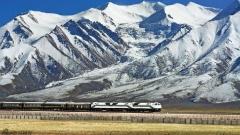
A common plan is to fly from Kuala Lumpur or another Malaysian departure city to a mainland Chinese hub, then take a separate flight to Lhasa. Depending on the city and schedule, travellers may instead travel by train for part of the journey. Check whether your tickets are on one booking or separate bookings, and allow sufficient time for immigration, baggage collection, airport transfers, and any required overnight stop.
Lhasa is often used as an acclimatization point before travelling farther west. It is already high above sea level, so the first day should be kept light. Your guide may recommend a gradual schedule, with rest and short, easy activities before the long drive to the Kailash region. Do not treat a few hours in Lhasa as a guarantee that you are ready for strenuous walking.
Overland Journey To The Kailash Region
From Lhasa, itineraries generally continue west by road through the Tibetan plateau. The route may include overnight stops in towns or settlements, depending on the tour plan and road conditions. It is a major part of the experience: you pass wide valleys, highland lakes, mountain ranges, and remote communities. It is also tiring, and long driving days can be difficult even for travellers who are comfortable with hiking.
Ask for a day-by-day itinerary before booking. Check the approximate driving hours, overnight elevations, vehicle arrangements, meal plans, and what happens if a road is delayed. A quoted distance alone does not explain how demanding a day will be. If you are prone to motion sickness, speak with a medical professional about suitable precautions and tell your guide in advance.
China Visa And Tibet Travel Documents
Document requirements depend on your nationality, current Chinese entry policy, and the exact itinerary. Malaysian passport holders should verify the latest visa rules with the appropriate official channels before booking. Tibet travel also involves additional regional permissions for foreign visitors, which are normally coordinated through an authorized local travel agency and guide. Requirements can differ for areas near sensitive borders, including parts of the far west.
Send clear, accurate passport details to your operator and confirm that the spelling matches your travel documents and tickets. Ask which permissions are included, when they will be arranged, and what documents you must carry. Do not assume you can travel independently in Tibet or obtain every required document after arriving. Your operator should explain the process for the full route, including any restricted-area permissions relevant to your dates.
Mount Kailash
Acclimatization And Health At High Altitude
Altitude is one of the most important factors when you travel to Mount Kailash from Malaysia. The journey moves from near sea level to high elevations, and the body needs time to adjust. Acute mountain sickness can affect people regardless of fitness, age, or previous hiking experience. A strong level of fitness does not prevent altitude illness.
Plan a gradual itinerary and follow your guide’s instructions about rest and activity. On arrival at high altitude, walk slowly, avoid strenuous exertion, drink fluids according to your needs, and do not use alcohol as a way to relax. If symptoms such as headache, nausea, dizziness, unusual fatigue, or poor sleep appear, tell your guide promptly. Symptoms that worsen or include breathlessness at rest, confusion, or difficulty walking require urgent attention and a safer lower altitude; do not try to push through them.
Before departure, discuss the trip with a doctor, particularly if you have heart or lung conditions, take regular medication, are pregnant, or have previously experienced altitude illness. Ask about whether any medication is appropriate for you; do not self-prescribe based on another traveller’s experience. Carry your regular medicines in their original packaging, with enough for delays, and keep essential items in your hand luggage.
Insurance deserves close attention. Confirm in writing that your policy covers high-altitude travel and trekking at the elevations on your itinerary, as well as emergency evacuation where available. Standard travel insurance may exclude mountaineering, trekking above a stated altitude, or treatment in remote locations. Understand the policy limits and the practical process for contacting the insurer from the route.
The Mount Kailash Kora: What To Expect
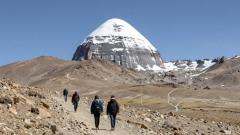
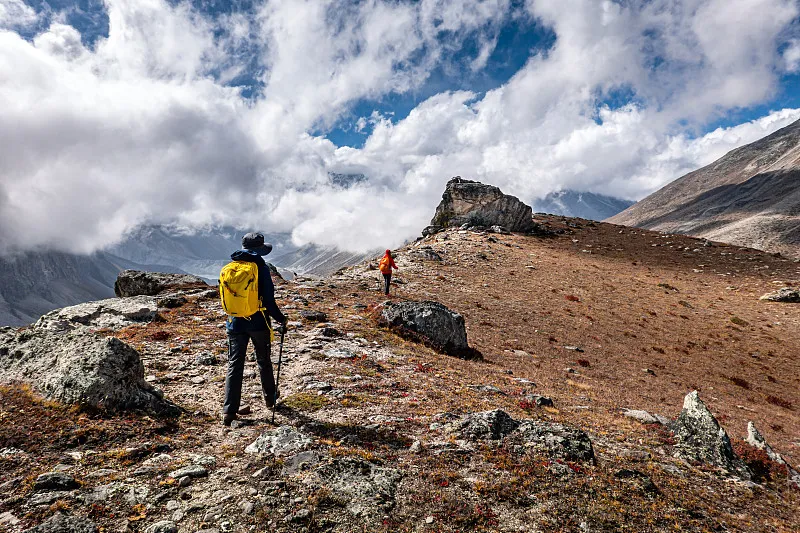
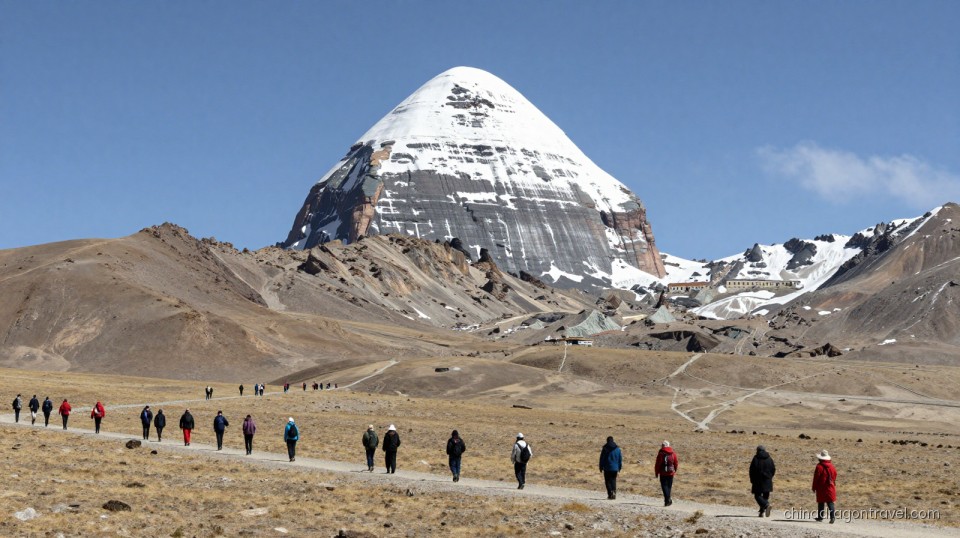
The kora, or circumambulation, is a pilgrimage circuit around Mount Kailash. It is commonly completed over several days, but exact schedules vary with the route, weather, group pace, and whether travellers use pack animals or other support where available. The walking is not technical climbing, yet the altitude, long distances, uneven ground, cold, and limited facilities make it demanding.
The route reaches the high Dolma La pass, at roughly 5,600 metres above sea level. Conditions can be severe even when lower areas feel mild. Wind, cold, snow, and low visibility may affect the crossing, so follow your guide’s assessment and do not treat the pass as a predictable achievement. Some itineraries may be adjusted or stopped if conditions or a traveller’s health make continuing unsafe.
You are not required to complete the circuit to visit the region. If you have concerns about stamina or altitude, ask about shorter walks or viewpoints that fit the itinerary. Choosing not to attempt the kora is a sensible decision if you are unwell or if your guide advises against it. A pilgrimage route deserves respect, not a summit-style pressure to finish at all costs.

Kora Pilgrimage Around Mount Kailash
What To Pack From Malaysia
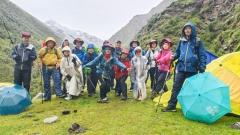
Pack for changing conditions rather than the climate at home. Even during warmer months, nights can be cold and high-altitude weather can shift rapidly. Use layers: a moisture-wicking base layer, warm mid-layer, insulated jacket, and windproof or waterproof outer shell. Bring comfortable, well-broken-in hiking boots with good grip, several pairs of socks, and footwear suitable for evenings at accommodation.
Useful items include a warm hat, gloves, sun hat, sunglasses with strong UV protection, high-SPF sunscreen, lip balm, a refillable water bottle, and a small daypack. The sun can be intense at altitude, while wind and dust can irritate the eyes and skin. Carry personal toiletries, tissues, hand sanitizer, and any preferred snacks, but check current restrictions for food and other items when crossing borders or travelling by air.
For the kora, keep your daypack light. Carry water, layers, sun protection, personal medication, identification, and a small supply of easy-to-eat food. A walking pole can help on uneven ground and descents. Do not buy new boots shortly before departure; blisters can turn an already difficult walk into a serious problem. Test your full setup on local walks in Malaysia, including the daypack and layers.
Culture, Etiquette, And Responsible Travel
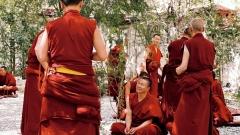
Mount Kailash is sacred to Tibetan Buddhists, Hindus, Jains, and followers of the Bön tradition. Visitors should behave quietly around religious sites, follow local guidance, and avoid treating rituals as a performance. Ask before photographing people, monasteries, prayer gatherings, or religious objects. Some places may prohibit photography entirely, and your guide can clarify local expectations.
If you walk the kora, follow the direction and customs explained by your guide; the customary direction differs among religious traditions. Do not block pilgrims, leave rubbish, or take stones and other items from the route. Keep a respectful distance from prayer flags and sacred features, and avoid loud music or disruptive behaviour. Modest, practical clothing is appropriate when visiting religious places.
The region is remote, and waste management and local services are limited. Carry out what you bring in, use facilities responsibly, and follow your operator’s guidance on water and sanitation. Choose a tour provider that communicates clearly about local staff, transport, safety, and environmental practices. Respectful travel is especially important where tourism intersects with living religious traditions and fragile high-altitude landscapes.
Booking A Tour And Managing Costs
Foreign visitors generally need to arrange Tibet travel through an authorized operator rather than planning every segment independently. Compare itineraries by what they actually include: permits, guide, vehicle, accommodation, meals, transfers, and support during the kora. Ask whether international flights from Malaysia are included or need to be booked separately. A low headline price may omit important transport, permit, or service costs.
China Dragon Travel may be one operator to contact when comparing a Mount Kailash itinerary. Before paying, request a written schedule, a clear list of inclusions and exclusions, the cancellation terms, and an explanation of permit arrangements. Confirm the group size, accommodation standard, vehicle type, guide language, and the plan for illness or severe weather. Verify the company’s current authorization and service details directly; availability and arrangements may change.
Budget for more than the tour fee. International and domestic flights, visa-related costs where applicable, insurance, extra hotel nights, meals not included, tips if customary, personal equipment, and delays can add up. Payment methods and access to cash may be limited along remote sections of the route. Ask your operator what payment options work locally and carry a reasonable reserve without relying on a single card or phone-based service.
Frequently Asked Questions
How Long Does It Take To Travel To Mount Kailash From Malaysia?
Allow around two weeks or more for a practical trip that includes travel to Tibet, acclimatization, the overland journey, and time in the Kailash region. The exact length depends on your route, whether you complete the kora, and flight schedules. A few extra days provide flexibility for delays.
Can Malaysians Visit Mount Kailash Independently?
Tibet travel rules for foreign visitors generally require an arranged itinerary and guide through an authorized operator. Additional permits are required for the relevant areas. Check current rules for your nationality and route before making non-refundable bookings.
Is The Mount Kailash Kora Suitable For Beginners?
It is not technical climbing, but it is a strenuous high-altitude walk with long days, uneven terrain, and a pass at roughly 5,600 metres. Hiking experience helps, but fitness alone cannot prevent altitude illness. Seek medical advice, acclimatize gradually, and follow your guide’s safety decisions.
What Is The Best Time To Travel To Mount Kailash From Malaysia?
Conditions vary by season, and no month guarantees suitable weather or easy road access. Spring and autumn are often considered for travel, while summer can bring precipitation and winter can be much colder. Ask an operator about conditions for your exact dates and keep your plans flexible.
What Should I Pack For Mount Kailash From Malaysia?
Bring layered warm clothing, a waterproof and windproof outer layer, broken-in hiking boots, sun protection, personal medicines, and a compact daypack. Pack for cold nights and rapid weather changes even if you depart Malaysia in hot weather. Test your gear before the trip.