A Mount Kailash journey from Singapore takes careful planning: travelers must coordinate international flights, permits, high-altitude acclimatization, and a multi-day pilgrimage in remote western Tibet.
Key Takeaways
- Most itineraries begin with a flight from Singapore to mainland China, followed by travel to Lhasa or another approved entry point.
- Foreign travelers generally need an organized Tibet itinerary and the required permits arranged in advance.
- The Mount Kailash kora is a demanding high-altitude trek, not a casual day walk.
- Build in time for acclimatization, weather delays, and changes to transport or permit arrangements.
- Confirm current entry rules, prices, and flight schedules before booking.
Planning Travel To Mount Kailash From Singapore
Mount Kailash, known in Tibetan as Kang Rinpoche, stands in the Ngari region of western Tibet. Revered in Hinduism, Buddhism, Jainism, and the Bon tradition, the mountain is a destination for both pilgrims and trekkers. Its remoteness and altitude make the journey very different from a standard holiday: the challenge begins well before the walking route.
For travelers from Singapore, the first decisions are when to go, how much time to set aside, and which route to use. The mountain lies at roughly 6,638 meters, while the usual pilgrimage circuit, or kora, reaches high passes above 5,000 meters. Visitors do not climb the sacred summit; the established route circles the mountain.
Allow substantially more time than the kora alone requires. A complete trip from Singapore often takes around two to three weeks, depending on the entry route, acclimatization plan, transport conditions, and whether you add nearby sites such as Lake Manasarovar. Exact itineraries vary, and travel times overland can change with road conditions and administrative requirements.
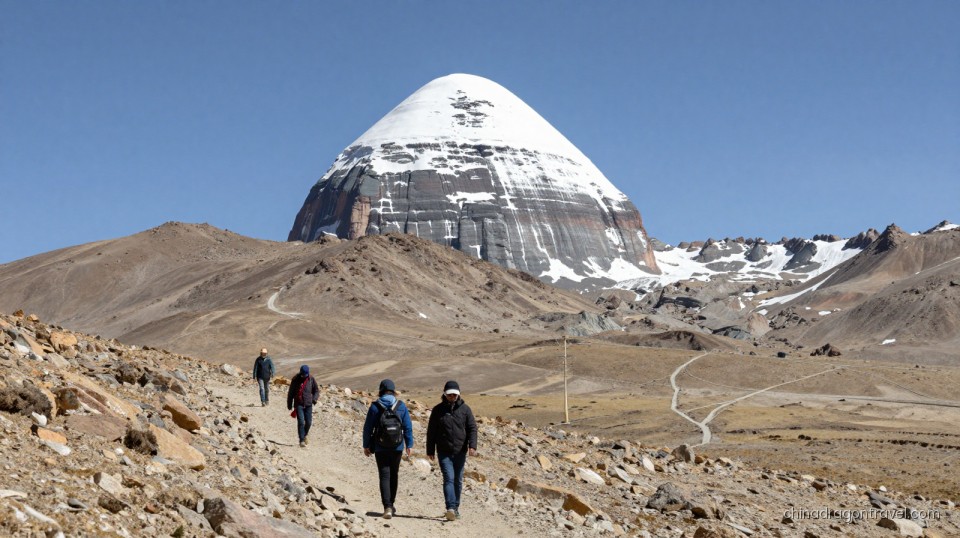
Mount Kailash
Choose A Season With Realistic Expectations
The main travel window is generally during the warmer months, often from late spring into early autumn. Conditions still vary considerably: nights can be cold, winds strong, and high passes affected by snow. The monsoon has a weaker effect in far-western Tibet than in many parts of southern Asia, but cloud, rain, or road disruption remain possible.
May and June can bring cooler conditions and variable snow at elevation. July and August are often more accessible but can be busier and may bring unsettled weather. September and early October can offer crisp days, though temperatures drop quickly as the season advances. These are broad seasonal patterns, not guarantees. Ask your operator about current access and local conditions before fixing dates.
Pilgrimage calendars and religious festivals can influence visitor numbers and accommodation availability. If traveling around a major observance matters to you, verify the dates and practical arrangements well ahead of time. Do not assume that a festival automatically makes the journey easier; crowds, transport demand, and lodging limitations may increase.
Flights And Overland Routes From Singapore
There is no direct flight from Singapore to Mount Kailash. Travelers normally fly first to a mainland Chinese city, then continue to Tibet using an itinerary that meets the applicable permit and tour requirements. Some journeys route through Chengdu, while others may use another approved gateway depending on available flights and current arrangements.
The most common approach is to fly from Singapore to a Chinese hub and then travel to Lhasa by air or train, if the service and itinerary are available for your dates. Lhasa is a useful place to begin acclimatization before continuing west. From there, a long overland journey passes through central and western Tibet toward the Ngari region. The drive can take several days, with overnight stops planned according to the operator’s route and altitude strategy.
A second possibility is to enter Tibet from Nepal, generally through Kathmandu and an authorized land or air route. This option depends on current border access, visa and permit rules, and the approved itinerary. Procedures can change, so do not purchase non-refundable connecting tickets based on old travel reports. Confirm the route with a qualified operator and the relevant authorities before paying for flights.
Compare The Main Route Options
Via Lhasa: This route commonly gives travelers a gradual overland approach and time to acclimatize before reaching western Tibet. It can involve long driving days, but the journey itself offers an opportunity to see the landscape change from settled valleys to high-altitude plateau.
Via Nepal: A Nepal-based approach may suit travelers combining Tibet with a Nepal visit, but entry arrangements can be more sensitive to changing border rules. Confirm whether the specific crossing is operating and whether the planned route is permitted for your nationality and travel dates.
Whichever option you choose, treat the final approach as part of the expedition rather than a quick transfer. Long distances, sparse services, weather, and checkpoints can affect timing. Keep at least some flexibility in your international schedule, especially for the return journey.

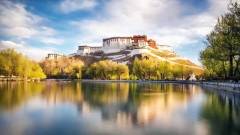
Lhasa Gonggar Airport
Permits, Visas, And Guided Travel
Foreign visitors to Tibet need to follow the entry and travel rules in force for their nationality and route. In addition to any visa required for entering mainland China, travel in Tibet may require Tibet-specific permits and an approved itinerary. Access to the Ngari region and Mount Kailash can involve additional authorization. Requirements and application procedures may change, and eligibility can vary.
In practice, international travelers generally arrange Tibet travel through an authorized tour operator, which coordinates the permitted itinerary, local guide, transport, and required documentation. Do not assume that a standard China visa alone grants independent access to Tibet or to the Mount Kailash area. A travel agency should explain which documents it handles, what information it needs from you, and when the final permissions are expected.
Before booking, ask for written confirmation of the itinerary, inclusions, cancellation terms, and permit process. Provide passport details accurately and early. If you are changing your route through Nepal or another country, confirm whether your entry documents and travel dates still match the approved Tibet plan. Keep digital and paper copies of passports, visas, permits, insurance details, and emergency contacts, while following instructions about when documents should be carried or shown.
China Dragon Travel may be one operator to contact for an itinerary and permit discussion. As with any provider, verify its current authorization, inclusions, and service terms directly before making payment. Compare the proposed acclimatization schedule and transport plan, not only the headline price.
The Mount Kailash Kora: Distance, Difficulty, And Pace
The Mount Kailash kora is commonly described as a circuit of roughly 52 kilometers, usually completed over three days. The exact distance and schedule depend on the starting point, overnight arrangements, and route conditions. The highest section crosses Dolma La, a pass at about 5,630 meters. At this altitude, even fit travelers can experience breathlessness, fatigue, headache, nausea, or other symptoms of acute mountain sickness.
The first day is often a relatively gradual walk toward the overnight area near Dirapuk. The second day is typically the most demanding, with the climb to Dolma La followed by a long descent. The final day continues toward the road access point. Routes and daily stages can differ, and local guides may adjust the pace or plan in response to weather, group condition, or access restrictions.
A kora is not a technical mountaineering climb, but it is physically strenuous because of the altitude, uneven ground, and limited facilities. Some pilgrims complete the circuit by prostrating, a practice that requires much more time and preparation. Travelers should not treat the standard three-day walking schedule as a personal target if they feel unwell.
Training And Acclimatization
Prepare with regular walking and hikes, ideally on varied terrain, while carrying the daypack you expect to use. Cardiovascular fitness helps with sustained effort, but it cannot prevent altitude illness. The more important safeguards are a gradual ascent, a sensible itinerary, hydration, rest, and honest communication with your guide.
Spending time at lower elevations before continuing to the Ngari region is an important part of a responsible plan. Many itineraries include several nights in Lhasa or other stops, but the best schedule depends on the route and individual health. Follow medical advice before travel, particularly if you have a heart or lung condition or a history of altitude problems. Ask a doctor with altitude-medicine experience about medication and personal risk; do not self-prescribe based on another traveler’s account.
If symptoms worsen, especially severe headache, repeated vomiting, confusion, unusual loss of coordination, or breathlessness at rest, tell your guide immediately. Continuing upward can be dangerous. Descent and prompt medical assessment may be necessary, and the group should have a clear plan for emergencies before setting out.
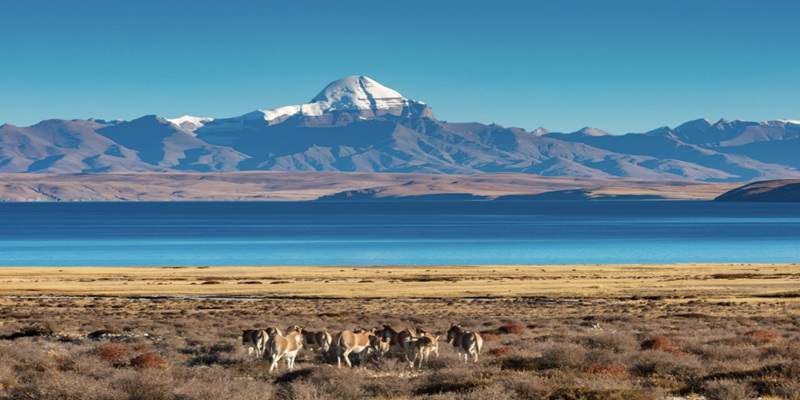
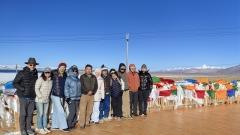
Mount Kailash
Costs, Accommodation, And What To Pack
The total cost of travel to Mount Kailash from Singapore varies widely. The main factors are international airfare, route, group size, trip length, hotel standard, private or shared transport, and what the operator includes. Additional expenses can include China visa fees where applicable, travel insurance, meals not covered, tips, gear, and unexpected nights caused by delays. Request an itemized quote and confirm whether permits, local transport, guide services, accommodation, and meals are included.
Accommodation becomes simpler as you move farther from major towns. In Lhasa and larger stops, travelers can usually expect a wider range of hotels. Around the kora, facilities are basic, and lodging may consist of simple guesthouses or shared rooms. Availability and comfort are limited; bring a sleeping bag or liner only if your operator recommends one for the planned season and accommodation.
Pack for cold, sun, wind, and changing conditions. Useful items include broken-in hiking boots, warm layers, a waterproof outer shell, gloves, a hat, sunglasses with strong UV protection, sunscreen, and a refillable water bottle. A small daypack should hold water, snacks, rain protection, essential medication, and spare warm clothing. Carry personal toiletries and any required prescriptions, as shops and pharmacies are limited along remote sections.
Choose travel insurance that explicitly covers high-altitude trekking and emergency evacuation in the regions you will visit. Standard policies may exclude activities above a specified altitude or fail to cover evacuation. Read the wording carefully and keep the insurer’s emergency number accessible offline.
Respectful Travel And Practical Etiquette
Mount Kailash is a sacred place, not simply a scenic backdrop. Follow your guide’s instructions, respect local customs, and ask before photographing people, religious activity, or private spaces. Avoid littering, keep noise low around places of worship, and do not disturb objects or offerings along the route.
Different traditions have specific ways of approaching the mountain and completing the kora. Visitors should not assume that every pilgrim follows the same practice or that they may photograph ceremonies freely. If you are unsure, observe quietly and ask your guide how to behave. The route can be crowded at certain times, so allow space for pilgrims who wish to move at their own pace.
Connectivity may be unreliable outside larger settlements. Download maps and essential documents before leaving Singapore, but rely on your guide for route decisions and local instructions. Carry some cash in the currency accepted for your itinerary, and confirm payment arrangements in advance rather than assuming every stop accepts cards or mobile payment.
Frequently Asked Questions
How Long Does Travel To Mount Kailash From Singapore Take?
Plan roughly two to three weeks for a typical journey, including international travel, entry procedures, acclimatization, the overland approach, and the kora. The exact duration depends on the route, permits, transport, and any extra days built in for delays.
Can Singaporean Travelers Visit Mount Kailash Independently?
Foreign visitors generally need to follow Tibet’s permit and organized-itinerary requirements. Rules can change, so Singaporean travelers should confirm current visa, permit, and operator requirements before booking flights or accommodation.
How Difficult Is The Mount Kailash Kora?
The circuit is strenuous mainly because of the high altitude, long walking days, steep sections, and limited facilities. The crossing over Dolma La is especially demanding. Good fitness helps, but it does not remove altitude risk.
When Is The Best Time To Travel To Mount Kailash From Singapore?
The usual travel season runs broadly from late spring to early autumn, but weather and access vary. Check conditions for your exact dates, and consider cold nights, possible snow, and seasonal demand when choosing an itinerary.
What Should I Confirm Before Booking A Mount Kailash Tour?
Ask about the current permit process, approved route, acclimatization days, accommodation, meals, emergency arrangements, insurance expectations, cancellation terms, and every cost not included in the quote. Verify that the itinerary fits your nationality and travel dates.