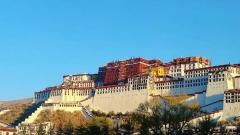
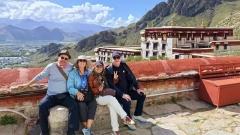
Traveling to the Tibetan Plateau during the colder months is an experience unlike any other. While most tourists flock to the region during the summer, those who choose to visit Tibet in winter are rewarded with crystal-clear skies, snow-capped peaks, and a profound sense of tranquility that is difficult to find during peak tourist seasons. However, this journey requires careful preparation. The extreme altitude, freezing temperatures, and unique logistical challenges mean that spontaneous travel is simply not an option here. Whether you are planning to witness the golden sunlight hitting the Potala Palace or hoping to experience the spiritual atmosphere of Lhasa’s monasteries without the crowds, understanding the environment is crucial.
Key Takeaways
- Acclimatization is non-negotiable; allow at least two to three days in Lhasa to adjust to the altitude before traveling further.
- Winter weather demands layered clothing, as daytime sunshine can be warm while nighttime temperatures drop drastically below freezing.
- A Tibet Travel Permit is legally required for all foreign travelers, and arranging it well in advance through a registered agency is mandatory.
- Many remote roads may close due to heavy snowfall, making flexible itinerary planning essential for a smooth journey.
- Local festivals often occur during the winter months, offering unparalleled cultural immersion opportunities for respectful visitors.
1. Understanding the Extreme Altitude and How It Affects You in Winter
The most critical factor when preparing to visit Tibet in winter is understanding the altitude. Lhasa sits at approximately 3,650 meters (nearly 12,000 feet) above sea level, and many popular destinations like Namtso Lake or Everest Base Camp exceed 4,700 to 5,200 meters. At these elevations, the air contains significantly less oxygen than at sea level, which can lead to Acute Mountain Sickness (AMS). Symptoms range from mild headaches, dizziness, and shortness of breath to severe nausea and fatigue.
During the winter months, the air tends to be even thinner and drier than in summer. Cold air holds less moisture, which can exacerbate respiratory discomfort. Your body has to work harder to stay warm while simultaneously dealing with reduced oxygen levels. It is absolutely vital not to rush your itinerary upon arrival. Spend your first two to three days in Lhasa doing very little—resting, drinking plenty of water, and eating light meals. Avoid alcohol, caffeine, and strenuous exercise during this initial acclimatization period. If you have pre-existing heart or lung conditions, consult a physician before booking your trip, as the high altitude poses genuine health risks that cannot be ignored.
2. Navigating the Realities of Winter Weather on the Tibetan Plateau
A common misconception about the Tibetan winter is that it is uniformly unbearably freezing. In reality, the weather is characterized by extreme temperature fluctuations between day and night. Because the plateau receives intense solar radiation due to the thin atmosphere, sunny afternoons in Lhasa can actually feel quite pleasant, sometimes reaching 10°C to 15°C (50°F to 59°F). However, once the sun dips behind the mountains, temperatures plummet rapidly, frequently dropping to -10°C (14°F) or lower.
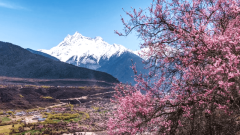
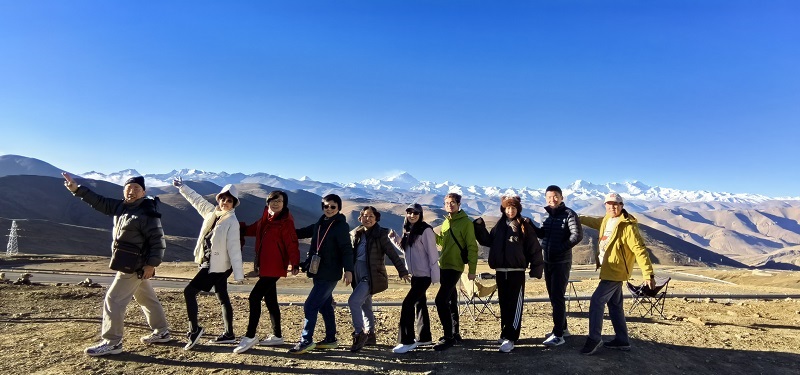
When you venture outside of Lhasa to higher elevations, such as the route toward Mount Everest or the northern Changtang region, the cold becomes much more severe. Heavy snowfall can block mountain passes, and biting winds are common. Despite the cold, winter is actually the best time for visibility. The lack of monsoon moisture means the skies are incredibly clear, offering unobstructed, spectacular views of the Himalayan giants. When planning to visit Tibet in winter, you must prepare for both the intense, warming sunlight of the day and the bone-chilling cold of the night. Checking localized weather forecasts regularly and building buffer days into your schedule for potential weather delays is a smart strategy.
3. Securing Your Tibet Travel Permit and Required Documentation
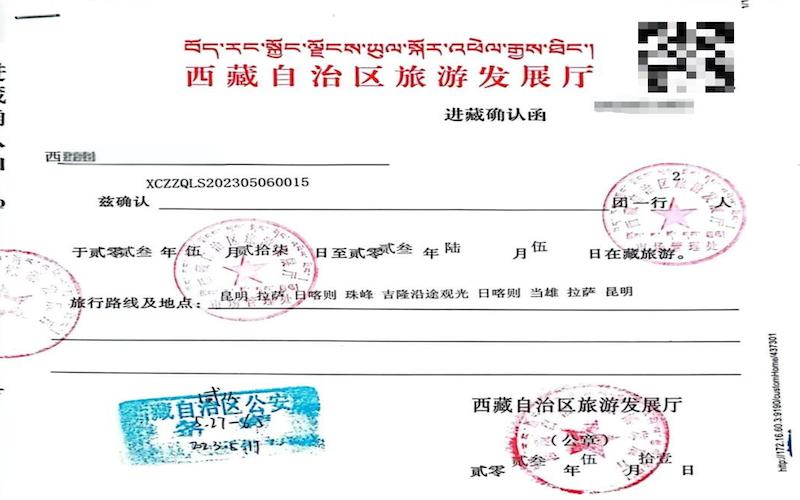
Foreign nationals cannot travel to the Tibet Autonomous Region independently. To visit Tibet in winter, just as in any other season, you must obtain a Tibet Travel Permit (TTP). This document is issued by the Tibet Tourism Bureau and can only be applied for through a registered local travel agency. You will need to provide your passport details and Chinese visa information to your chosen agency, typically at least 15 to 20 days before your intended departure date.
In addition to the TTP, if your itinerary includes restricted or border areas—such as Mount Everest Base Camp, Mount Kailash, or certain parts of Ngari—you will also need an Alien Travel Permit and a Military Border Pass. Your travel agency will handle the logistics of securing these additional documents. It is important to note that during the winter, some government offices may operate on adjusted schedules, or processing times might slightly vary due to local holidays like the Tibetan New Year (Losar), which usually falls in February or March. Never attempt to board a flight or train to Lhasa without your physical permit in hand, as checkpoints are strictly enforced. Partnering with a reliable operator like China Dragon Travel ensures that all bureaucratic hurdles are managed smoothly, allowing you to focus entirely on your upcoming adventure rather than stressing over paperwork.
Tibet Travel Permit
4. Choosing the Right Transportation: Flights vs. Trains in Cold Months
Getting to the plateau requires choosing between flying and taking the train, and each option has distinct advantages and drawbacks during the winter. Flying directly into Lhasa Gonggar Airport is fast, but it forces your body to transition from low elevation to over 3,600 meters in a matter of hours. This rapid ascent significantly increases the risk of acute altitude sickness. If you choose to fly, it is highly recommended to fly into a mid-altitude city like Xining or Chengdu first, spend a day or two there, and then continue to Lhasa.
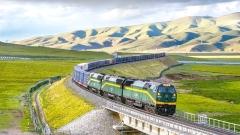
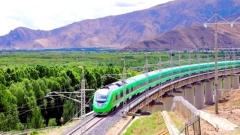
Taking the Qinghai-Tibet Railway is widely considered the better option for acclimatization. The train journey gradually ascends, giving your body more time to adapt to the changing oxygen levels. Furthermore, the trains are equipped with pressurized cabins and personal oxygen outlets, providing extra comfort. In winter, the landscape viewed from the train window is a breathtaking expanse of snow-covered grasslands, frozen lakes, and distant glaciers. However, train tickets can be challenging to secure, so early booking through your travel agency is essential. Road travel within Tibet during winter is generally safe on main highways, but secondary roads leading to remote monasteries or lakes may become icy or impassable due to snow. Always rely on experienced local drivers who understand winter road conditions intimately.
5. Mastering the Art of Layered Clothing and Essential Gear
Packing correctly is perhaps the most practical thing to know before you visit Tibet in winter. The key to staying comfortable in the extreme temperature swings is layering. Start with a moisture-wicking base layer made of merino wool or synthetic materials. Cotton should be avoided entirely, as it retains sweat and will make you freeze once the temperature drops. Over the base layer, add insulating mid-layers such as fleece jackets or down vests.
Your outermost layer must be a windproof and waterproof hard-shell jacket and pants. The winter winds on the plateau are relentless, and blocking them is crucial for retaining body heat. For extremities, invest in thermal socks, insulated waterproof hiking boots, thick gloves, and a warm hat that covers your ears. A neck gaiter or balaclava is also highly recommended to protect your face from the biting wind and harsh UV rays.
Beyond clothing, your gear should include high-quality sunglasses or glacier goggles. Snow blindness is a real danger when the bright winter sun reflects off the white landscape. Bring a high-SPF sunscreen, heavy-duty lip balm, and rich moisturizer, as the dry air will quickly chap your skin. A high-capacity thermos is indispensable for carrying hot water or sweet tea throughout the day. Finally, consider bringing chemical hand and toe warmers, which can be lifesavers during early morning monastery visits or long drives.
6. Managing Health Risks: Oxygen, Hydration, and Medication
Health management takes center stage when traveling at high altitudes in freezing temperatures. Dehydration happens much faster in winter because the cold, dry air pulls moisture from your body every time you exhale, and people tend to drink less water when they do not feel hot. Make a conscious effort to drink at least three to four liters of fluids daily. Warm liquids like ginger tea, sweet butter tea, or plain hot water are preferable to cold drinks.
Carrying supplemental oxygen is a standard practice. Most tour vehicles are equipped with oxygen cylinders, and portable oxygen cans can be purchased in Lhasa pharmacies. Use oxygen if you experience severe headache or breathlessness, but try not to rely on it constantly, as your body needs to naturally acclimatize. Regarding medication, many travelers take Diamox (Acetazolamide) to prevent altitude sickness. Consult your doctor before your trip to determine if this prescription is right for you. Additionally, pack a basic medical kit containing pain relievers, anti-diarrheal medication, throat lozenges, and any personal prescriptions. Pharmacies in Lhasa are well-stocked, but options become virtually nonexistent once you leave the capital.
7. Experiencing Authentic Tibetan Culture and Winter Festivals
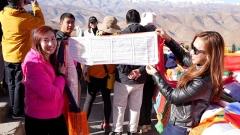
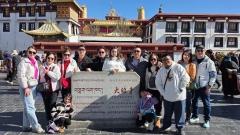
One of the greatest rewards of choosing to visit Tibet in winter is the opportunity to experience the culture in its most authentic state. During the summer, the streets of Lhasa are crowded with tourists, but in winter, the pilgrims outnumber the visitors. You will see devout Tibetans from all over the plateau who have traveled for weeks to complete their kora (circumambulation) around the Jokhang Temple or the Potala Palace. The spiritual atmosphere is palpable, quiet, and deeply moving.
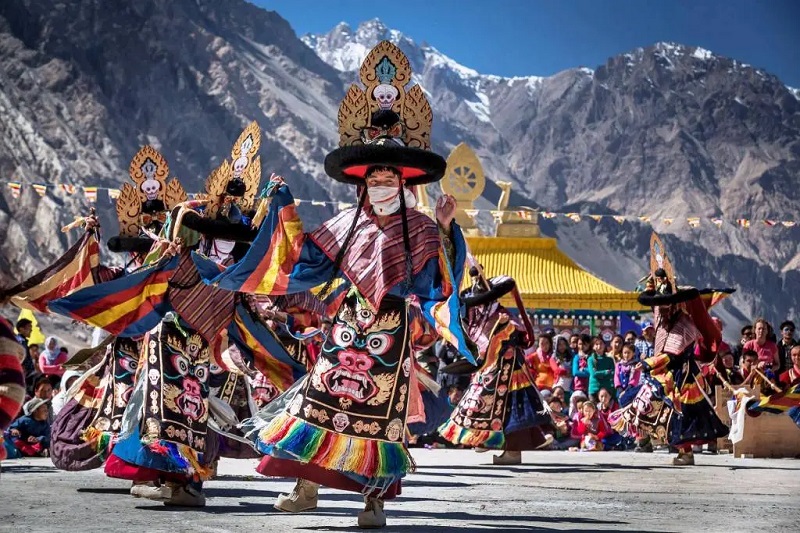
Winter also coincides with several significant Tibetan festivals. Losar, the Tibetan New Year, is the most important celebration, usually occurring in February or March depending on the lunar calendar. The streets fill with traditional music, dancing, and prayers. Another notable event is the Butter Lamp Festival, where intricate sculptures made of yak butter are displayed and illuminated. Participating respectfully in these cultural moments provides a depth of understanding that is impossible to achieve during the busy tourist season. Remember to always ask for permission before photographing locals, particularly monks and elderly pilgrims, and respect the sacred nature of religious sites by walking clockwise around stupas and prayer wheels.
Losar (Tibetan New Year)
8. What to Expect from Accommodation and Heating Facilities
Accommodation standards in Tibet have improved significantly over the years, but winter brings specific challenges regarding heating. In Lhasa, most star-rated hotels and reputable boutique guesthouses are equipped with central heating, underfloor heating, or electric radiators. However, power outages can occasionally occur, especially during heavy snowstorms, so having extra thermal layers to wear inside your room is a good backup plan.
Once you travel beyond Lhasa to places like Shigatse, Gyantse, or Tingri (near Everest Base Camp), heating options become more basic. Many guesthouses rely on electric blankets or small space heaters. Hot water availability can also be inconsistent in remote areas during the coldest months. Pipes sometimes freeze, meaning you might have to skip a shower for a day or two. When booking your trip, discuss accommodation expectations clearly with your travel provider. Agencies like China Dragon Travel specialize in selecting lodgings that offer the best possible comfort and reliable heating during the harsh winter months, ensuring you have a warm sanctuary to return to after a long day of exploring the frozen landscapes.
9. Dining in the Cold Season: Local Cuisine and Dietary Adjustments
Food plays a vital role in keeping your energy up and your body warm when you visit Tibet in winter. Traditional Tibetan cuisine is inherently designed for high-altitude survival, focusing on calorie-dense, warming ingredients. Tsampa (roasted barley flour mixed with butter tea) is a staple that provides sustained energy. Yak meat, whether dried, stewed, or fried, is rich in protein and helps the body generate heat. Momos (dumplings filled with meat or vegetables) served steaming hot are a comforting meal after a day in the cold.
Butter tea, made from black tea, yak butter, and salt, is an acquired taste for many foreigners, but it is incredibly effective at combating the cold and providing necessary fats. Sweet tea is a more universally palatable alternative, widely available in Lhasa’s teahouses. Due to the high altitude, water boils at a lower temperature (around 85°C in Lhasa), which means cooking times are longer. Rice and noodles might have a slightly different texture than you are used to. If you have a sensitive stomach, stick to well-cooked foods and avoid raw vegetables. Fortunately, Lhasa offers a variety of restaurants serving Nepalese, Indian, and Western food, catering to diverse dietary needs, though options narrow considerably outside the capital.
10. Budgeting and Planning Logistics for a Winter Expedition
Traveling to the plateau during the off-season offers distinct financial advantages, but requires precise logistical planning. Generally, flights, hotel rates, and tour package prices are significantly lower in winter compared to the peak summer months. The Potala Palace, which enforces strict daily visitor limits and requires advanced ticket reservations in summer, is much easier to access in winter, often with discounted entry fees.
However, cheaper prices do not mean you should cut corners on safety or quality. Winter driving conditions demand experienced drivers and well-maintained vehicles, which might cost slightly more but are non-negotiable for safety. Some remote attractions, such as Namtso Lake or certain trekking routes, may be completely inaccessible due to deep snow or closed mountain passes. Therefore, your itinerary must be realistic and flexible. Work closely with a knowledgeable operator to design a route that maximizes your experience while respecting winter limitations. China Dragon Travel offers tailored winter itineraries that balance iconic sights with hidden gems, ensuring your budget is spent effectively on experiences that are genuinely accessible and safe during the colder months.
Frequently Asked Questions About Visiting Tibet in Winter
Is it safe to visit Tibet in winter regarding altitude sickness?
Yes, it is safe provided you take proper precautions. Altitude sickness can occur in any season, but the dry, cold winter air can sometimes make symptoms feel more pronounced. The key to safety is gradual acclimatization. Do not fly directly to high-elevation areas; start in Lhasa, rest for several days, hydrate constantly, and ascend slowly. Traveling with a reputable agency ensures you have access to supplemental oxygen and emergency protocols if severe symptoms arise.
Will major attractions like the Potala Palace and Everest Base Camp be open?
The Potala Palace remains open year-round, and visiting in winter is actually preferred by many because the strict daily visitor quotas are relaxed, making it much easier to secure tickets without the massive summer crowds. Everest Base Camp is generally accessible in winter, but the final stretch of the road can occasionally be blocked by sudden heavy snowfall. Your driver and guide will monitor road conditions daily to ensure safe passage.
How cold does it actually get, and what is the coldest month?
December and January are typically the coldest months. In Lhasa, daytime highs might reach 8°C to 10°C (46°F to 50°F) under strong sunlight, but nighttime lows easily drop to -10°C (14°F). In higher regions like Tingri or near Mount Kailash, nighttime temperatures can plunge to -20°C (-4°F) or lower. Wind chill makes it feel even colder, which is why windproof outerwear is essential.
Can I travel independently without a tour group during the winter?
No. Foreign passport holders are legally required to travel with an organized tour and a licensed guide, regardless of the season. You cannot book hotels independently or travel on public buses without a Tibet Travel Permit, which is only issued to travelers booked through a registered travel agency. This rule is strictly enforced at airports, train stations, and highway checkpoints.
Are there any specific health items I should pack that are hard to find locally?
While Lhasa has modern pharmacies, it is best to bring your own supply of any prescription medications, as specific brands or formulations may not be available. Pack high-quality lip balm, heavy moisturizers, and saline nasal spray, as the extreme dryness causes nosebleeds and cracked skin frequently. Bringing a portable pulse oximeter to monitor your blood oxygen levels is also a highly recommended precaution for winter travelers heading to extreme altitudes.