
Introduction
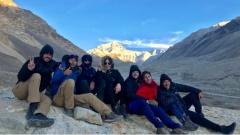
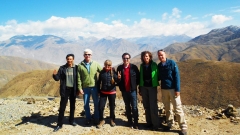
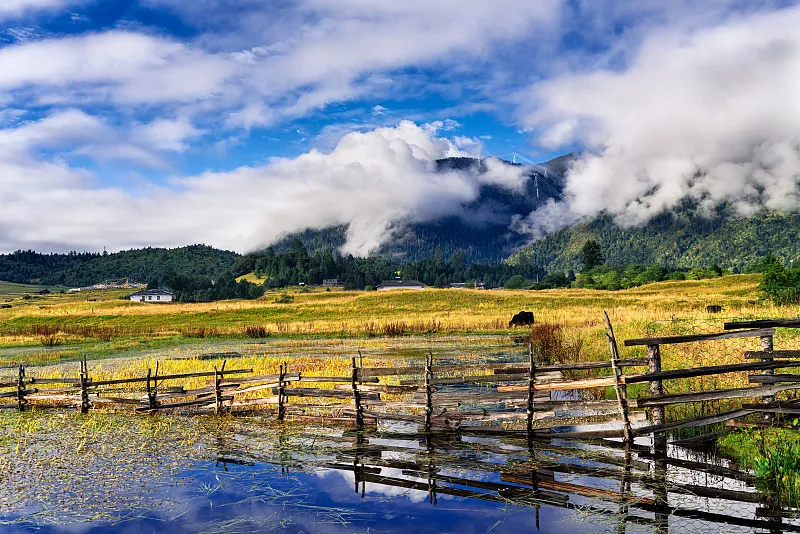
At the far western edge of Tibet lies a land that feels almost beyond imagination.Here, snow-capped mountains rise above endless plains, ancient ruins emerge from vast desert landscapes, and deep-blue lakes stretch beneath skies so clear they seem almost unreal. Roads disappear into the horizon, villages become increasingly rare, and for long stretches, there may be nothing around you but mountains, wind and wilderness.This is Ali.Known for its extraordinary altitude, remote landscapes and profound cultural and religious heritage, Ali is not a destination you simply visit for a few famous attractions. The journey itself is part of the experience. One moment you may be driving beside a turquoise lake; a few hours later, you could be standing beneath Mount Kailash or walking through the otherworldly formations of Zanda Earth Forest.
Key Takeaways
- Choose the right route: Understand the differences between the Ali Grand Loop, Ali South Route and G219 before planning your itinerary.
- Allow enough time: Ali is enormous, and rushing between destinations can mean missing some of the most spectacular landscapes along the way.
- Explore Zhari Namco slowly: The road around the lake is part of the experience, so consider allowing half a day or more rather than making a quick photo stop.
- Visit Zanda Earth Forest & Guge Kingdom: Experience one of Tibet’s most unusual geological landscapes alongside the mysterious ruins of an ancient kingdom.
- See Mount Kailash & Lake Manasarovar: Explore two of the most culturally and geographically significant destinations in western Tibet.
- Prepare for extreme altitude: Much of Ali lies above 4,000 meters, with some roads and passes considerably higher.
- Plan fuel carefully: Gas stations can be hundreds of kilometers apart on remote sections, making fuel management essential.
- Check permits in advance: Certain destinations and border areas may require additional permits or travel documents.
Ali
How to Choose an Ali Route
The Ali region covers a huge area, so trying to see everything in one short trip can make the journey exhausting. Before booking hotels or transportation, decide whether you want a classic sightseeing trip, a road trip focused on landscapes, or a more challenging self-drive adventure.
Ali Grand Loop
The Ali Grand Loop is suitable for travelers who have enough time and want to experience the major landscapes of western Tibet. Depending on the specific route, the journey can connect destinations such as Mount Kailash, Lake Manasarovar, Zanda Earth Forest, Guge Kingdom, Rutog and Pangong Lake.The advantage is the variety of scenery. The disadvantage is the long distances and high altitude. Many sections are above 4,000 meters, and some roads reach considerably higher elevations.
Ali South Route
If you have less time, the Ali South Route can be a more manageable choice. The route can combine the landscapes around Pulan, Mount Kailash and Lake Manasarovar with Zanda and Guge, depending on your schedule.For first-time visitors with limited vacation time, it is generally better to choose fewer destinations and allow enough time at each place rather than trying to cover the entire region at a rushed pace.
G219 Xinjiang–Tibet Highway
The G219 is one of the most famous roads through the high-altitude regions of Tibet. It connects some of the most remote and spectacular landscapes in western China.For experienced road-trip travelers, the G219 can be part of a longer Xinjiang–Tibet journey. However, it requires careful preparation for fuel, weather, altitude, road conditions and communications.
Zhari Namco: Leave a Full Day for the Lake
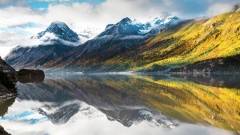
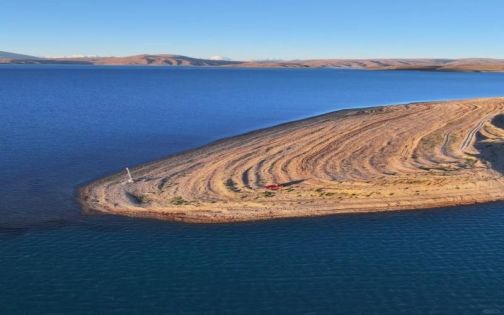
Zhari Namco is one of the places where I strongly recommend changing the way you think about sightseeing.Do not simply navigate to the lake, take a few photographs and immediately leave.The road around the lake is part of the attraction.Zhari Namco is located in a remote high-altitude area, and the landscape changes constantly as you drive. Depending on the weather and sunlight, the lake can shift between deep sapphire blue, turquoise and pale green. Sandbars, bays, mountains and enormous open plains create a landscape that feels almost unreal.
Practical Tips for Visiting Zhari Namco
If you are planning to visit Zhari Namco, it is better to stay in Coqin County the previous night and leave early the next morning. The altitude is very high, and some areas have weak or unstable mobile signals.Before leaving, make sure you have enough fuel, download offline maps and prepare drinking water and food.A visit can easily take four to six hours, and if you want to drive along more of the lakeshore, you may need most of the day.If you use a drone, the scale of the landscape becomes even more impressive. Without a drone, try to include a person or vehicle in the frame. A small human figure against the enormous landscape can better show how vast Ali really is.For remote unpaved or rough sections, a suitable four-wheel-drive or off-road vehicle is preferable to an ordinary sedan. Travelers without high-altitude driving experience should also avoid entering extremely remote areas alone.Most importantly, avoid night driving in remote parts of Ali. Distances between settlements can be enormous, and roadside assistance is not always immediately available.
Zanda Earth Forest & Guge Kingdom
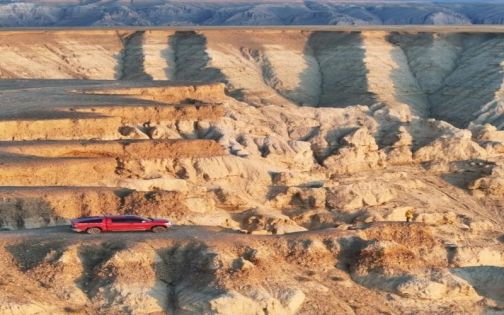
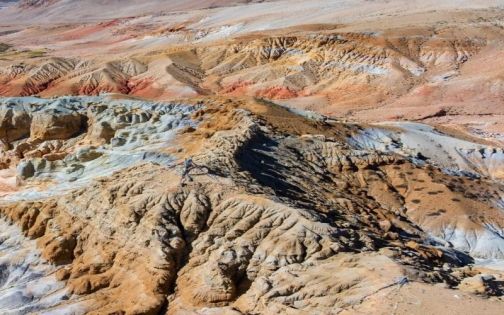
If there is one place in Ali that makes people question whether they are still on Earth, it is the Zanda Earth Forest.The landscape is formed by extensive layers of eroded earth and rock. From a distance, the formations look like giant castles, towers and ancient cities stretching across the valley.The Earth Forest is also closely associated with the ruins of the Guge Kingdom, making this area particularly interesting for travelers who enjoy combining natural landscapes with history.The combination of the Earth Forest and Guge ruins creates a completely different experience from the snow mountains and alpine lakes elsewhere in Tibet.The road around Zanda, Kunsha and Rutog is also part of the experience. Instead of treating Zanda as a single attraction, consider the entire journey through western Tibet as one continuous landscape.
Ali
Mount Kailash, Lake Manasarovar & Rakshastal
For many travelers, Mount Kailash and Lake Manasarovar are the spiritual heart of an Ali journey.Mount Kailash rises to approximately 6,656 meters and has profound religious significance in several traditions. Lake Manasarovar, located nearby, sits at an elevation of around 4,588 meters.Nearby Rakshastal offers a striking contrast to Manasarovar. The two lakes have very different visual characteristics, making it worthwhile to visit both rather than choosing only one.The scenery around this region is particularly powerful because of the combination of sacred mountains, enormous lakes, open plains and almost complete absence of urban development.If you plan to undertake the Kailash Kora, do not treat it as an ordinary hiking activity. The high altitude significantly increases the physical demands of the trek, so acclimatization and personal health conditions should be considered carefully.
When Is the Best Time to Visit Ali?
There is no single month that is perfect for every type of Ali trip.Official tourism materials have highlighted July to September as a favorable period for traveling in Ali, while travelers who prioritize clearer skies, autumn colors and photography may also consider other shoulder-season periods.
May–June
The landscape begins to recover from winter, and many areas become accessible as road conditions improve. However, temperatures can still be low, particularly in the morning and at night.
July–August
This is part of the commonly recommended tourism season, but weather can be more changeable. Rain or snow may affect some high-altitude roads.
September–October
Autumn can bring clearer skies, crisp air and excellent visibility. For photography, the combination of blue skies, snow mountains and autumn landscapes can be particularly attractive.However, temperatures drop quickly after sunset, so warm clothing is essential.
November to the Following Spring
Winter conditions make many parts of Ali significantly more challenging. Some routes may become difficult because of snow, ice and extremely low temperatures.If this is your first high-altitude trip, carefully check current road and weather conditions before considering a winter journey.
Border Permits and Travel Documents
Some destinations and border areas in western Tibet require additional permits or travel documentation.Requirements can vary according to the specific destination, route and current regulations, so do not assume that a permit used for one part of Tibet automatically covers every destination in Ali.Before departure, confirm the latest requirements with your travel agency or the relevant local authorities.If you are traveling as an international visitor, additional restrictions or documentation requirements may also apply.Do not wait until you arrive in Tibet to discover that your planned route requires a permit that you do not have.
Ali
Self-Driving in Ali: What You Need to Prepare
Ali is one of the regions where preparation directly affects the quality and safety of your trip.
Fuel
Fuel stations can be very far apart. Always fill the tank whenever you have the opportunity, particularly before entering remote areas.Do not calculate fuel requirements based only on the normal distance shown on a navigation app. Detours, slow driving, rough roads and unexpected route changes can significantly increase fuel consumption.
Offline Maps
Mobile signals are not guaranteed everywhere.Download offline maps before entering remote areas and keep a physical backup of important route information where possible.
Food and Water
Carry enough drinking water and high-calorie snacks. In remote areas, you may not find a restaurant or convenience store for several hours.
Vehicle
For challenging roads, a suitable SUV or four-wheel-drive vehicle is preferable. Before departure, check tires, brakes, spare tires, battery condition and basic emergency equipment.For travelers unfamiliar with high-altitude driving, hiring an experienced local driver can reduce many of the risks associated with long-distance mountain driving.
High-Altitude Travel: The Most Important Preparation
Ali has an average elevation of more than 4,500 meters, and some roads and passes are considerably higher. Altitude is therefore not a minor issue—it should be part of your itinerary planning from the beginning.Do not schedule intense activities immediately after arriving at high altitude.Give your body time to acclimatize, avoid excessive physical exertion during the first stage of the journey, drink enough fluids and keep warm.Carry the medication and oxygen equipment recommended by your doctor or travel medical provider if appropriate.If you experience severe headache, difficulty breathing, persistent vomiting, confusion, unusual weakness or other serious symptoms, stop the activity and seek medical assistance rather than trying to push through it.
Wildlife & Environmental Etiquette
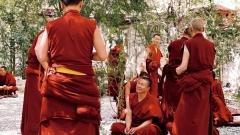
Ali is home to wildlife such as Tibetan antelope and Tibetan wild ass. Seeing these animals in the wild can be one of the most memorable moments of the journey.Keep a safe distance, do not chase animals for photographs and never feed them.The same principle applies to the landscape itself. Avoid entering fragile undeveloped areas with vehicles, do not leave rubbish behind and take all waste with you.When visiting monasteries and religious sites, respect local customs. Ask before photographing people, religious ceremonies or interiors of temples.
If You Only Have 6–7 Days
You do not necessarily need to complete a full Ali Grand Loop.If your vacation is limited to six or seven days, consider building a shorter route around several key destinations instead of trying to cover the entire region.For example, you can prioritize Zhari Namco, Zanda Earth Forest, Guge Kingdom or the Kailash–Manasarovar area, depending on your starting point and interests.The key is to leave enough time for the road itself.In Ali, a beautiful landscape may appear between two destinations, and some of the most memorable views are not marked on a map.
Ali
Ali Travel Checklist
Before departure, check the following:
- Confirm your route and daily driving distances.
- Check whether your destinations require border permits or additional documents.
- Download offline maps.
- Fill up with fuel before entering remote areas.
- Carry sufficient drinking water and high-calorie food.
- Prepare warm and windproof clothing.
- Prepare altitude-related medication and emergency supplies.
- Check the vehicle, tires and spare tire.
- Avoid night driving in remote areas.
- Leave enough time for altitude acclimatization.
- Respect local religious customs and wildlife.
- Take all rubbish with you.
Ali is not simply another destination on a Tibet itinerary.A typical journey may cover thousands of kilometers, crossing high mountain passes, vast plains, sacred lakes and ancient ruins. The landscape changes almost every hour, and sometimes the road itself becomes more memorable than the attraction at the end of it.