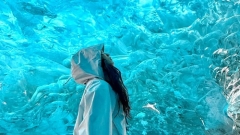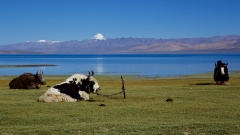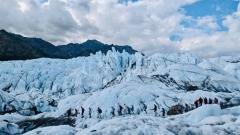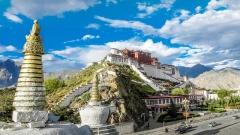

When most travelers picture Tibet, they imagine lush summer meadows or vibrant autumn festivals. Yet, seasoned adventurers know a well-kept secret: the colder months offer an entirely different, arguably superior, experience on the Roof of the World. The question of why winter is the best time to visit Tibet often surprises those who associate high altitudes solely with freezing hardship. In reality, the plateau transforms into a serene wonderland where you can enjoy abundant sunshine and half-price admission tickets, making it a paradise for budget-conscious explorers and photographers alike. The skies turn an impossible shade of blue, the crowds vanish, and the spiritual atmosphere deepens as local pilgrims fill the temples. Rather than shutting down, Tibet opens its doors wider during this season, offering clearer views of Mount Everest and a more intimate connection with ancient traditions. If you have ever considered a journey to the Himalayas, the winter season might just be your perfect window.
Key Points
- Clear skies provide unobstructed views of the highest Himalayan peaks.
- You can enjoy abundant sunshine and half-price admission tickets across major sites.
- Fewer tourists mean a more peaceful and authentic cultural experience.
- Lower flight and hotel prices make the journey highly budget-friendly.
- Deep spiritual activities, like the Losar festival, come alive in winter.
Why You Should Enjoy Abundant Sunshine and Half-Price Admission Tickets in Winter Tibet
One of the biggest misconceptions about traveling to the Tibetan Plateau between November and March is the assumption that it will be perpetually dark, gloomy, and unbearably freezing. While nighttime temperatures certainly drop, the daytime reality is surprisingly pleasant, primarily because you get to enjoy abundant sunshine and half-price admission tickets during these months. Tibet is known as the “Sunlight City” region, and Lhasa, in particular, receives more annual hours of sunshine than almost any other major city at similar latitudes. During the winter, the dry climate means clouds rarely form, resulting in crisp, brilliantly clear days where the sun warms you through your layers.
This intense solar radiation creates a fascinating microclimate. Even when the ambient air temperature hovers around freezing, sitting in direct sunlight against a whitewashed monastery wall can feel remarkably warm. Travelers often find themselves peeling off heavy jackets by midday while exploring the Barkhor Street circuit. This abundance of light not only keeps you comfortable but also dramatically enhances the visual landscape. The contrast between the bright white snow on distant mountains and the deep azure sky is sharper in winter than at any other time of the year.
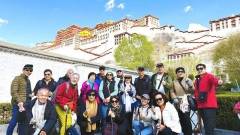
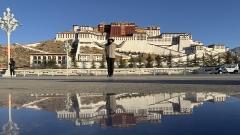
Beyond the weather, the financial incentives are compelling. To encourage tourism during the off-peak season, local authorities typically roll out the “Winter Tour of Tibet” campaign. Under this initiative, visitors can enjoy abundant sunshine and half-price admission tickets—or sometimes even completely free entry—to dozens of A-level scenic spots. Iconic locations such as the Potala Palace, which requires advance booking and full payment during the summer rush, become far more accessible and affordable. This policy extends to natural wonders like Namtso Lake and cultural sites across Shigatse and Nyingchi. When you combine discounted flights, lower hotel rates, and reduced entrance fees, a winter expedition becomes one of the most cost-effective ways to experience the Himalayas.
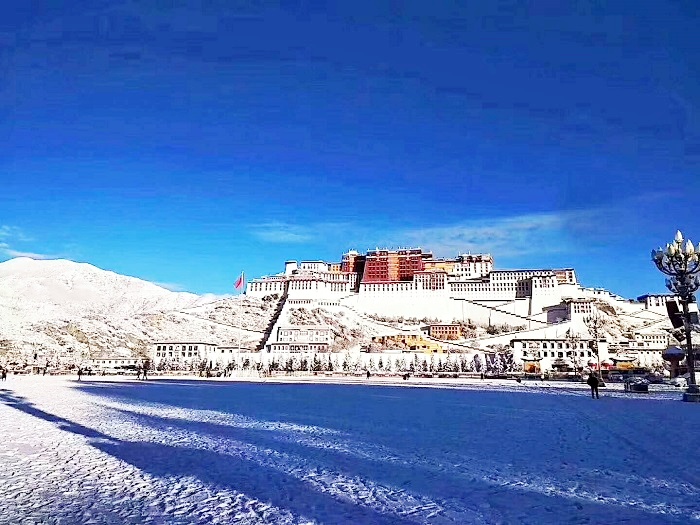
Potala Palace in Winter
Crystal Clear Skies and Unobstructed Views of Mount Everest
If witnessing the summit of Mount Everest is on your bucket list, winter is unequivocally the best time to attempt it. During the warmer months, the monsoon season brings moisture from the Indian Ocean, resulting in thick cloud cover that frequently obscures the world’s highest peak. Travelers often spend days at Everest Base Camp only to see nothing but a wall of gray mist. Winter flips this dynamic entirely. The dry, stable atmospheric conditions strip away the haze, leaving behind air so pure and transparent that the mountains seem close enough to touch.
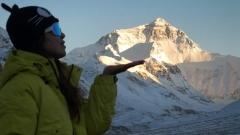
From the vantage point of Rongbuk Monastery or the base camp viewing platforms, the entire Himalayan range reveals itself in staggering detail. You can trace the jagged ridgelines of Everest, Lhotse, Makalu, and Cho Oyu without binoculars. The famous “flag cloud”—a plume of ice crystals blown horizontally from the summit by high-altitude winds—is most prominent and photogenic during these colder months. For landscape photographers, the golden hours at dawn and dusk paint the snow-covered peaks in shades of violet, pink, and fiery orange, creating images that are nearly impossible to capture during the hazy summer season.
The clarity extends beyond Everest. Whether you are looking out over the Yarlung Tsangpo Grand Canyon or gazing at the frozen expanse of Yamdrok Lake, the visibility in winter is unparalleled. The lack of atmospheric dust and moisture means that stars shine brighter at night, making the plateau a world-class destination for astrophotography and stargazing. Standing under a canopy of unblinking stars, with the silhouettes of eight-thousand-meter peaks on the horizon, is an experience unique to the winter season.

Mount Everest Tourists
Escaping the Crowds for a Deeper Spiritual Connection
Summer in Tibet can be overwhelmingly busy. The narrow corridors of ancient monasteries are packed with tour groups, and the sacred kora (pilgrimage circuits) are crowded with hurried travelers trying to check off landmarks. Winter strips away this commercial frenzy, returning the plateau to its rightful owners: the locals and the devout. If you want to understand why winter is the best time to visit Tibet from a cultural perspective, it is because the spiritual heartbeat of the region is loudest when the tourist noise fades.
During the colder months, thousands of pilgrims from remote pastoral regions travel to Lhasa. They prostrate themselves along the Barkhor Street, spin prayer wheels, and chant mantras with a devotion that fills the air. Without the barrier of massive tourist crowds, you can walk alongside them, observe their rituals respectfully, and absorb the profound tranquility of the environment. Monasteries like Sera, Drepung, and Ganden feel less like museums and more like living centers of faith. You can sit quietly in a courtyard for hours, listening to the low hum of monks debating scripture, without being rushed along by a guide.
Furthermore, winter hosts some of the most significant events in the Tibetan calendar. The Losar (Tibetan New Year), which usually falls in February or early March, is a spectacular celebration of music, masked dances, and religious ceremonies. Another vital event is the Butter Lamp Festival, where monasteries and homes are illuminated by thousands of yak butter lamps, creating a mesmerizing sea of flickering light. Participating in or observing these festivals during the off-season allows for genuine interaction with local families who are often more relaxed and welcoming when they are not managing the pressures of peak-season tourism.
Navigating Altitude Sickness and Winter Weather Safely
A common deterrent for winter travel to high altitudes is the fear of extreme cold and worsened altitude sickness. It is true that the air is thinner and drier in winter, but with proper preparation, these challenges are easily managed. Interestingly, many veteran guides argue that the risk of severe altitude sickness is not significantly higher in winter than in summer; rather, the lack of physical exhaustion from navigating crowds and heat can actually help your body acclimatize more smoothly.
The key to staying healthy on the plateau during the cold season is pacing yourself. Upon arriving in Lhasa, which sits at 3,650 meters, spend your first two days resting, hydrating excessively, and avoiding strenuous activity. The dry winter air accelerates dehydration, so drinking plenty of water and sweet tea—a local staple—is essential. Because you can enjoy abundant sunshine and half-price admission tickets, there is no need to rush through attractions. Take advantage of the slower pace to let your body adjust naturally before heading to higher elevations like Namtso Lake (4,718 meters) or Everest Base Camp (5,200 meters).
Regarding the cold, layering is your best strategy. The temperature difference between day and night can exceed twenty degrees Celsius. During the day, the intense sun requires breathable base layers, sunglasses to prevent snow blindness, and high-SPF sunscreen. Once the sun dips below the horizon, temperatures plummet rapidly, necessitating heavy down jackets, thermal wear, windproof outer shells, insulated gloves, and warm hats. Yak wool garments, readily available in local markets, are excellent insulators. Additionally, the dry air demands constant use of lip balm, heavy moisturizers, and nasal saline sprays to prevent cracking and nosebleeds.
Transportation infrastructure has improved vastly over the years. Major highways are generally kept clear of snow, though routes to extremely remote areas might occasionally face temporary closures. The Qinghai-Tibet Railway operates year-round, offering heated, oxygen-enriched cabins that provide a safe and scenic entry into the region. Domestic flights also run regularly, though winter winds can sometimes cause minor delays. By maintaining a flexible itinerary and prioritizing health over rigid scheduling, the winter climate becomes a manageable and rewarding backdrop to your adventure.
Crafting the Perfect Cold-Season Itinerary
Designing a winter route requires balancing iconic sights with realistic travel times, as daylight hours are shorter. A classic seven-to-ten-day itinerary provides ample time to acclimatize and explore without rushing. Your journey should begin in Lhasa. Dedicate three days here to acclimatize while visiting the Potala Palace, Jokhang Temple, and Norbulingka. Thanks to the winter tourism policies, you can secure your palace entry easily and explore the grounds at a leisurely pace. Spend your afternoons soaking up the sun in local teahouses, mingling with residents, and enjoying traditional Tibetan momos and butter tea.
From Lhasa, venture west toward Shigatse, Tibet’s second-largest city, home to the Tashilhunpo Monastery. The drive takes you along the stunning Yarlung Tsangpo River valley. From Shigatse, you can push further to Tingri and eventually the Everest Base Camp area. While the tent guesthouses at the base camp are dismantled for the winter, permanent lodges in nearby villages offer heated rooms and hot meals. Waking up to a crystal-clear sunrise over Everest is the undisputed highlight of any plateau journey.
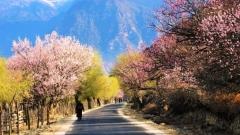
For those who prefer slightly lower altitudes and milder climates, the Nyingchi region in eastern Tibet is a winter gem. Often referred to as the “Switzerland of Tibet,” Nyingchi sits at a lower elevation (around 3,000 meters) and is shielded from the harshest winds by surrounding forests. The scenery here transitions from arid plateau to lush, pine-covered valleys. Visiting the Basum Tso lake in winter, when its waters turn a deep, icy emerald, offers a stark and beautiful contrast to the barren landscapes of the west. Incorporating both the cultural heart of Lhasa and the natural extremes of Everest or Nyingchi ensures a comprehensive Tibetan experience.
Planning Your Journey with China Dragon Travel
Navigating the logistics of a high-altitude winter expedition requires expertise, particularly regarding permits, road conditions, and emergency protocols. This is where partnering with a specialized agency makes all the difference. China Dragon Travel has extensive experience organizing seamless journeys across the Tibetan Plateau, regardless of the season. Their local knowledge ensures that you not only secure the necessary Tibet Travel Permit smoothly but also gain access to the best heated accommodations and reliable transport vehicles equipped for winter driving.
By booking through China Dragon Travel, you benefit from itineraries specifically designed to maximize your comfort and safety during the colder months. Their guides are adept at monitoring travelers for signs of altitude sickness and adjusting plans dynamically based on real-time weather conditions. Whether you want to chase the sunrise at Everest, participate in the Losar festivities, or simply take advantage of the chance to enjoy abundant sunshine and half-price admission tickets across the region, their team handles the complex groundwork. This allows you to focus entirely on the breathtaking landscapes and profound cultural encounters that make winter in Tibet truly unforgettable.
Frequently Asked Questions About Winter Travel in Tibet
Is it too cold to visit Tibet in the winter?
While nighttime temperatures drop significantly below freezing, daytime conditions are surprisingly mild due to intense solar radiation. In cities like Lhasa, daytime temperatures often reach 10°C to 15°C (50°F to 59°F) under direct sunlight. With proper layered clothing, exploring outdoors during the day is very comfortable.
Are tourist sites actually open during the winter months?
Yes, the vast majority of major tourist sites, including the Potala Palace, Jokhang Temple, and various monasteries, remain open year-round. In fact, local tourism campaigns actively promote winter travel by keeping sites accessible and offering substantial discounts or free entry to encourage visitation during the off-season.
Does the winter season increase the risk of altitude sickness?
The altitude remains exactly the same regardless of the season, meaning the baseline risk of altitude sickness does not inherently increase in winter. However, the air is drier, which can exacerbate symptoms if you do not stay properly hydrated. Taking time to acclimatize, drinking plenty of fluids, and avoiding overexertion are just as crucial in winter as in summer.
How do I get the discounted admission tickets mentioned for winter?
The discounted or free entry policies are part of official regional tourism initiatives designed to boost off-season travel. These discounts are automatically applied at the ticket counters of participating A-level scenic spots. Booking your trip through experienced operators like China Dragon Travel ensures you are fully informed about current promotions and can seamlessly take advantage of these savings.
What kind of clothing should I pack for a winter trip to the plateau?
Layering is essential. Pack thermal base layers, fleece mid-layers, and a heavy, windproof down jacket for the exterior. Bring warm hats, insulated gloves, thick socks, and sturdy waterproof boots. Equally important are accessories for sun protection: high-quality UV-blocking sunglasses, a wide-brimmed hat, and strong sunscreen, as the high-altitude winter sun is exceptionally powerful.