
Standing face to face with the tallest mountain on Earth is the kind of experience that stays with a traveler for life. But planning a trip to Mount Everest involves far more than simply booking a flight and showing up. Between permits, border crossings, seasonal weather windows, and the choice between two very different base camps, there is a lot of groundwork to cover before you ever set foot on the Tibetan Plateau. This guide walks through ten essential things every international traveler should know before planning an Everest tour, with a particular focus on reaching the mountain from the Tibetan side.
1. There Are Two Everest Base Camps, One in Tibet and One in Nepal
Mount Everest sits directly on the border between Nepal and China’s Tibet Autonomous Region, which means the mountain can be approached from two completely different directions, each with its own base camp.
Where is Everest Base Camp located in Tibet?
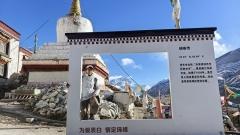
The Tibetan side of Everest Base Camp sits within Tingri County, part of Shigatse Prefecture in the Tibet Autonomous Region. It lies on the northern face of the mountain, close to the historic Rongbuk Monastery, at an elevation of approximately 5,200 meters above sea level.
Where is Everest Base Camp located in Nepal?
On the southern side, the Nepali base camp is situated roughly 60 kilometers northeast of the town of Lukla, itself northeast of Kathmandu. This camp sits slightly higher than its Tibetan counterpart, at around 5,364 meters.
These two base camps offer travelers fundamentally different experiences, and many people are surprised to learn just how different the journey, scenery, and logistics can be depending on which side they choose to visit.
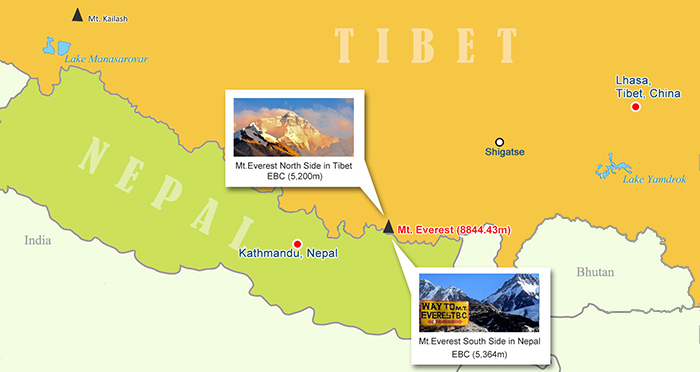
Mt. Everest in Nepal and Tibet Map
2. The Tibet Side Offers the Closest and Clearest View of the Summit
If your main goal is to actually see the summit of Mount Everest up close, the northern, Tibetan side has a clear advantage over its Nepali counterpart.
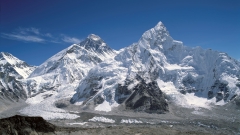
The Everest Base Camp in Tibet is positioned just 19 kilometers from the summit in a direct line, and because the peak rises more than 3 kilometers above the base camp itself, the resulting views are nothing short of breathtaking. Travelers staying overnight near Rongbuk Monastery are also treated to spectacular sunrise and sunset views across the face of the mountain.
This is one detail that catches many travelers off guard: from the Nepali base camp, you actually cannot see the summit of Everest at all. To get a proper view of the peak from the Nepal side, hikers need to climb further up to the ridge of Kala Patthar from Gorak Shep, an additional ascent that brings them to roughly 5,545 meters, just below the summit of nearby Mount Pumori.
For travelers whose primary motivation is to gaze upon the summit itself rather than simply stand near the mountain’s base, the Tibetan route delivers a far more direct and rewarding payoff.
3. Spring and Autumn Are the Best Seasons to Visit
Timing your trip correctly can make or break your Everest experience, and weather conditions around the base camp vary dramatically depending on the season.
Outside of the summer monsoon period, the climate around Mount Everest tends to stay fairly dry. The two windows considered ideal for visiting are spring, running from April through May, and autumn, spanning late September through the end of October. During these months, skies tend to remain clear and bright, giving travelers the best possible chance of an unobstructed view of the summit. Daytime temperatures during these seasons are also comfortably moderate, neither uncomfortably cold nor too hot for outdoor sightseeing in the mountains.
Summer, while not particularly rainy in the immediate Everest area, brings humid and wet conditions that often obscure the peak behind clouds and haze, making it a less reliable choice for travelers hoping for clear photographs and unobstructed views.
Winter presents its own challenges. Temperatures can swing anywhere from -17°C to 4°C, making it a genuinely cold time to visit. That said, winter skies are often remarkably clear, and travelers willing to brave the cold are rewarded with spectacular views of the mountain surrounded by a blanket of snow-covered peaks.
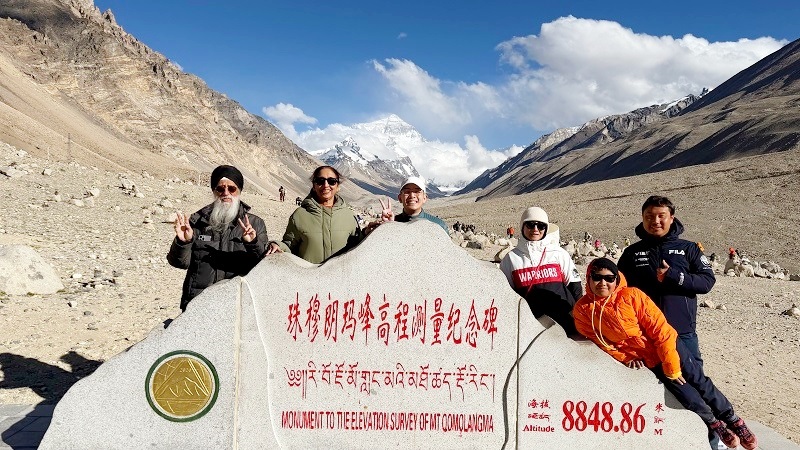
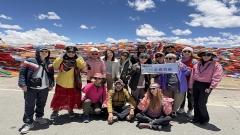
Mount Everest Tourist Photos
4. A Tibet Travel Permit Alone Is Not Enough to Reach Everest
Many first-time visitors assume that obtaining a standard Tibet Travel Permit is sufficient to visit Everest Base Camp. In reality, this is only the starting point.
A Tibet Travel Permit is indeed required for all overseas tourists entering the region, but reaching Everest Base Camp specifically requires several additional documents. Travelers also need an Alien’s Travel Permit and a Frontier Pass, since the base camp sits within a restricted border zone. On top of that, because the base camp itself lies inside the Qomolangma National Nature Reserve, an entrance ticket for the reserve is also required.
The good news is that none of this paperwork needs to be handled independently. These permits and documents are typically bundled directly into a properly organized Everest Base Camp tour package. Travelers generally just need to provide scanned copies of their passport and Chinese visa, and a qualified local operator such as TibetYulong Travel can manage the rest of the application process on their behalf.
It is worth emphasizing that the Tibet Travel Permit, the Alien’s Travel Permit, and the Frontier Pass cannot be obtained independently or without first booking a pre-arranged tour through a licensed agency.
5. The Classic Overland Route from Lhasa Takes About 8 Days
For travelers beginning their journey in Lhasa, the most well-established and popular itinerary is an 8-day overland route that crosses the vast Tibetan Plateau before arriving at the base camp.
This classic route follows the scenic Friendship Highway, passing through Gyantse, Shigatse, and Tingri along the way to Rongbuk and the base camp itself. In total, the journey covers more than 600 kilometers across the plateau, weaving through major Tibetan cities as well as small village communities, with numerous opportunities along the way to take in some of the most striking scenery the plateau has to offer.
Lhasa to Shigatse
Travelers following the direct G318 Friendship Highway route will cover a total distance of 268 kilometers. However, most visitors instead choose a slightly longer path that passes by Yamdrok Lake and the historic town of Gyantse, bringing the total distance to 358 kilometers. This alternative route takes a full day to complete, with stops along the way at various scenic attractions.
Shigatse to Tingri
The distance between Shigatse and Tingri is comparatively short, at just 243 kilometers. Despite the relatively short distance and generally good road conditions, the drive still takes roughly three hours due to speed limits enforced along this stretch of highway.
Tingri to Everest Base Camp
While this final leg of the journey covers only about 100 kilometers, road conditions deteriorate noticeably, with some sections reduced to gravel tracks. As a result, a drive that would normally take around 70 minutes on a paved road instead stretches to roughly two hours.
6. You Can Also Reach Tibet’s Everest Base Camp Directly From Kathmandu
For travelers who would rather skip the initial leg through Lhasa, there is an alternative route that crosses directly from Kathmandu into Tibet via the Gyirong Border, reaching Everest Base Camp early in the itinerary.
This overland crossing through the towering Himalayas offers a genuinely unique travel experience. Because the visit to Everest Base Camp happens within the first few days of the trip, travelers following this route can then spend the remainder of their journey exploring the rest of the Tibetan Plateau at a more relaxed pace.
Kathmandu to the Sino-Nepal border
Due to challenging road conditions, the drive from Kathmandu to the border crossing point typically takes around 5 hours.
Gyirong border to Everest Base Camp
After clearing the Gyirong border crossing, travelers follow the Sino-Nepal Highway toward Old Tingri, and from there continue on to Rongbuk Monastery. This stretch between Old Tingri and Rongbuk is notably bumpy and poorly maintained, making the final 70 kilometers slower going than the distance alone would suggest. From Rongbuk Monastery, visitors can either hike for about 1.5 hours or take a short eco-car ride of roughly 30 minutes to finally reach the base camp itself.
It is important to note that anyone entering Tibet from Nepal must have all the necessary documentation in place beforehand, including a China Group Visa and a Tibet Permit. These applications are typically handled as part of a complete tour package, with the booking agency managing the process on the traveler’s behalf, removing much of the usual stress around paperwork.
7. There Is No Flight or Train Access Directly to Everest Base Camp
Despite Tibet’s growing transportation infrastructure, there remains no direct flight or train service all the way to Everest Base Camp. The nearest airport and railway station to the base camp are both located in Shigatse.
From Shigatse Airport to Everest Base Camp
Shigatse Peace Airport, the closest airport to the base camp, receives flights connecting to Chengdu, Chongqing, and Xi’an. Flight frequency to Shigatse remains relatively limited, so travelers planning to fly in should double-check the flight schedule well in advance. From the airport itself, an additional 7.5-hour drive is required to reach the base camp.
From Shigatse Railway Station to Everest Base Camp
Shigatse Railway Station sits about 5 kilometers from the downtown area of the city. Two pairs of trains run daily between Lhasa and Shigatse, with the journey taking approximately 3 hours. Once travelers arrive at the railway station, a further 7-hour drive is necessary to reach the base camp.
8. Biking and Motorcycle Tours to Everest Are Also Possible
For more adventurous travelers, the route from Lhasa to Everest along the Sino-Nepal Friendship Highway has become a genuinely popular path for cycling and motorcycle tours across the Tibetan Plateau.
Riding at an average altitude exceeding 4 kilometers presents real physical and mental challenges, and should not be underestimated. To help ensure a safer and more comfortable journey from Lhasa to Everest Base Camp, professional cycling guides and a dedicated local support team typically accompany these tours, allowing riders to focus on enjoying the experience rather than worrying about logistics or safety along the way.
9. Trekking to Everest Base Camp in Tibet Begins From Old Tingri
For travelers who prefer to walk rather than ride, the trek from Old Tingri to Everest Base Camp ranks among the most popular trekking routes on the entire plateau.
This trek stretches approximately 70 kilometers across the rolling foothills of the western Himalayas, typically completed over four days through some of the most dramatic landscapes found anywhere on the planet. The route heads south from Tingri, deliberately steering clear of paved roads and passing through several small village communities along the way, with the summit of Everest appearing gradually closer with each passing day of walking.
While this trek is not considered extremely difficult, it does include some genuinely demanding sections where trekking poles and a degree of prior high-altitude experience prove useful. That said, the trek remains accessible to novice trekkers as well, since there are no truly extreme stretches, and experienced trekking guides accompany travelers at every step of the journey.
10. Joining a Group Tour Is the Most Affordable Way to Reach Everest Base Camp
Travelers researching Everest Base Camp tours will likely come across a wide range of quotes from different travel agencies, and the price differences can be significant.
Without question, joining a small group tour consistently works out cheaper than booking a fully private tour to the base camp. A standard small group tour to Everest Base Camp in Tibet can start from around $850 per person. This typically covers all entrance tickets, required permits, a guide and driver, vehicle and fuel costs, hotel accommodation, and other operational expenses bundled into a single price.
Seasonal timing also plays a meaningful role in overall cost. Traveling during peak season generally costs noticeably more than taking the exact same itinerary during the quieter low season.
Practical tips for cutting down the cost of your Everest tour
Travel during the winter months. The most budget-friendly way to experience Everest Base Camp is to join a small group tour during the winter low season, running from November through February. Beyond simply splitting transportation, guide, and driver costs with fellow travelers, this period also brings noticeably discounted hotel rates and flights into Tibet.
Understand where your money actually goes. Accommodation costs at the base camp itself have relatively little impact on the overall trip price, since the only real options there are the Rongbuk Monastery Guesthouse or one of the tent hotels, both of which are fairly basic, with no showers or Western-style toilets available. What actually drives the total cost of your trip is the choice of hotels in Lhasa and Shigatse, where options span everywhere from 3-star to 5-star properties. Budget-conscious travelers can opt for 3-star accommodation in these two cities while still staying in the simple tent hotels near the base camp itself, keeping overall costs down without sacrificing the core experience.
Planning Your Own Journey to the Roof of the World
Reaching Everest Base Camp on the Tibetan side is a journey defined by careful planning, the right paperwork, and an appreciation for the dramatic landscapes that unfold along the way. From choosing the right season to deciding between an overland classic route, a direct crossing from Kathmandu, or even a trek or motorcycle adventure, there is no single “correct” way to experience this corner of the Himalayas, only the approach that best matches your travel style and budget.
Given the complexity of permits, the remote terrain, and the unpredictable road conditions found along the way, working with an experienced local operator such as TibetYulong Travel can make the entire process considerably smoother. From handling the Tibet Travel Permit, Alien’s Travel Permit, and Frontier Pass on your behalf to designing an itinerary that fits your timeline and budget, a knowledgeable local team takes much of the guesswork out of planning, leaving you free to focus on what really matters: standing in the shadow of the world’s highest mountain and taking in a view few travelers ever get to experience firsthand.