
Planning a trip to the Tibetan Plateau brings up a question that almost every first-time visitor asks: what will the accommodation actually be like? Tibet is unlike most other travel destinations on earth. Its extreme altitude, vast distances between towns, and unique cultural landscape all shape what travelers can expect when it comes to finding a place to rest each night. Whether you are dreaming of a five-star resort with views of the Potala Palace or wondering if you will have running water during a trek near Mount Kailash, this guide answers the questions travelers ask most often about hotels and guesthouses across Tibet.
What Are the General Accommodation Conditions Like in Tibet Today?
Tibet’s hospitality industry has come a long way over the past decade, but conditions still differ sharply depending on where you are staying. Understanding this regional variation is the key to setting realistic expectations and enjoying a smooth trip.
In major hubs such as Lhasa and Shigatse, travelers have access to the widest range of choices, from simple budget rooms and charming Tibetan-style guesthouses all the way up to internationally branded five-star properties like the St. Regis Lhasa Resort.
Once you leave these larger cities, the options become noticeably simpler. Hotels in smaller towns are typically equivalent to a comfortable three-star standard, or take the form of family-run guesthouses. Rooms tend to be tidy and peaceful, though they may not include all the modern conveniences that travelers from Europe or North America are accustomed to.
In the most remote corners of the region, such as along the Mount Kailash Kora trekking route, accommodation becomes very basic indeed. Guesthouses are usually the only option, offering dormitory-style rooms with several beds packed into a single space. Electricity supply can be inconsistent, bathroom facilities are shared among all guests, and in the vast majority of cases, there is no shower available at all. Travelers heading into these high-altitude trekking zones should mentally prepare for a much simpler standard of living than what they experienced in Lhasa.
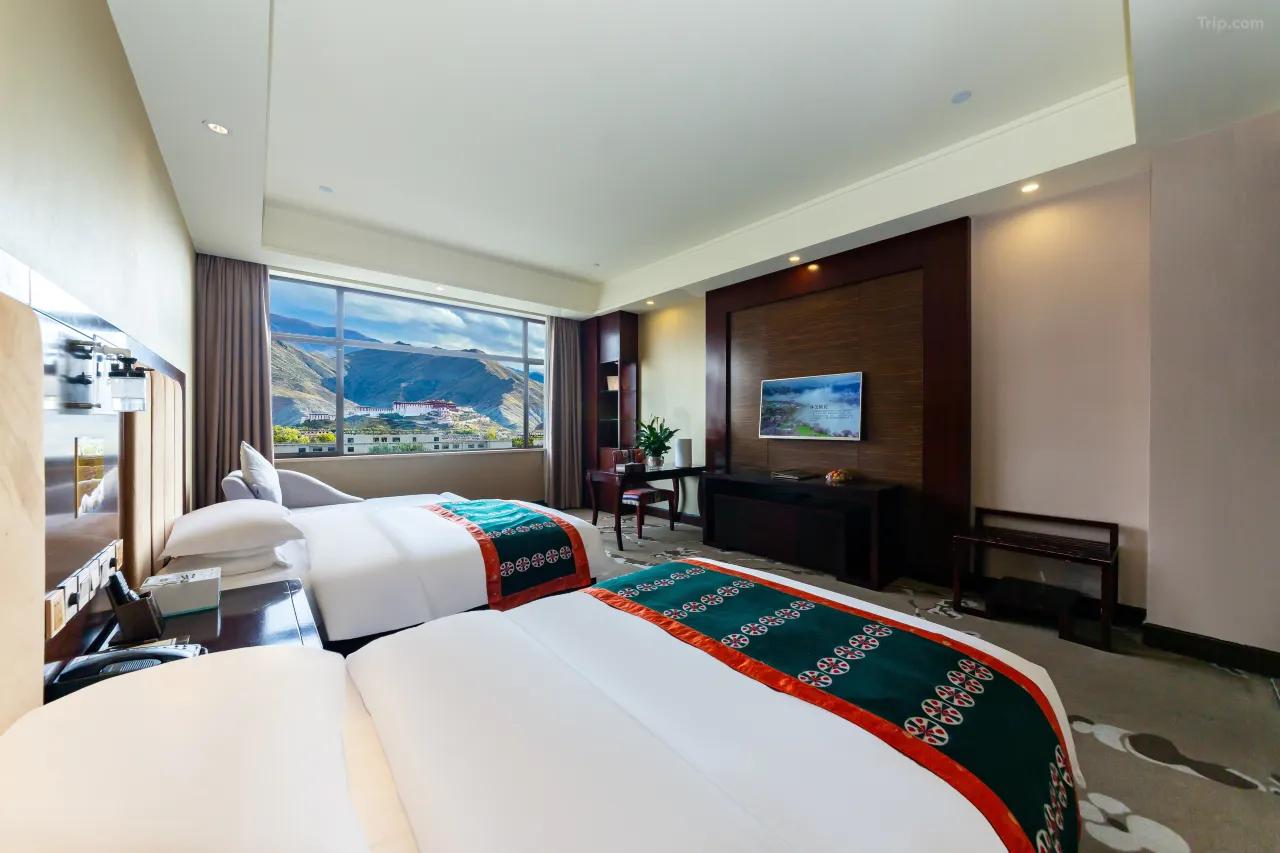
Taehf Phodrag Tibet Culture Theme Hotel Lhasa
What Types of Hotels Are Available in Tibet?
When planning a Tibet itinerary, it helps to understand that accommodation generally falls into four distinct categories, each suited to a different stage of your journey.
Modern international luxury hotels
These are globally recognized brand names that many travelers already know well, including the St. Regis, Shangri-La, Hilton, and InterContinental. Currently, properties of this caliber are concentrated almost entirely within Lhasa, with a small number of luxury resorts also available in Shigatse and Nyingchi.
Traditional Tibetan-style hotels
This category consists of smaller, boutique-style properties usually located near popular cultural sites such as Barkhor Street. Many of these buildings are beautifully restored stone manors that once served as the private residences of Tibetan noble families. The Thangka Hotel and House of Shambhala are excellent examples of this charming and historically rich style of lodging.
Standard clean business hotels
These reliable, modern Chinese-style hotel chains can be found in almost every major city and transit town along a typical Tibet itinerary, including Lhasa, Shigatse, Gyantse, and Nyingchi. Well-known names in this category include Hanting Hotel, Vienna Hotels, and Atour Hotels. They offer a consistent and predictable standard of comfort at a reasonable price point.
Simple guesthouses
Once your journey takes you into remote regions, such as some of the most popular trekking routes in Tibet, simple guesthouses become the primary option. Privacy is limited and you may end up sharing a room, but these establishments remain warm, welcoming, and safe even in the high mountains.
Are Tibet Hotels Rated According to International Standards?
Yes, many hotels located in Lhasa and other major cities do follow internationally recognized star-rating systems, particularly well-known chains such as Shangri-La, St. Regis, and Hilton. These properties carry official ratings, and the level of service they provide is broadly comparable to what guests would expect from the same brand in other parts of the world.
That said, travelers should keep in mind that, due to Tibet’s remote geography, the overall facilities and service experience may feel somewhat more basic when compared with equivalently rated hotels in major Chinese cities like Beijing or Shanghai. Approaching your stay with flexibility and an open mind will go a long way toward making the experience enjoyable.
In more isolated areas, there is generally no formal star-rating system in place at all. Guesthouses near Mount Kailash, for instance, or accommodations encountered during a Tibet trekking tour, tend to be evaluated according to informal, locally established standards rather than any official classification.
Can I Book Hotels in Tibet by Myself, or Do I Need a Travel Agency?
Technically, it is possible to book a hotel in Tibet on your own, but doing so is generally not advisable. Working through a reputable local travel agency such as TibetYulong Travel is the recommended approach, for several important reasons.
First and foremost, simply reserving a room online is not enough to guarantee your stay. Entry into Tibet legally requires a Tibet Travel Permit, and a qualified local agency can handle both the hotel booking and all the necessary travel documentation as part of a single, coordinated process.
Second, not every hotel in Tibet is authorized to accept international guests. An experienced local agency can ensure that you are placed in a suitable, fully compliant property without running into unexpected complications, often at a more competitive rate than you would find booking independently.
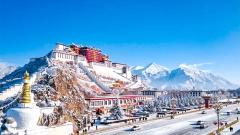
Finally, agencies that operate locally and specialize in Tibet travel typically have intimate familiarity with the hotel landscape across the entire region. This allows them to recommend ideal locations close to the attractions you most want to see, and in some cases even arrange specific rooms with memorable views, such as a room overlooking the Potala Palace or one with a direct line of sight to Mount Everest.
How Much Does Accommodation in Tibet Typically Cost?
Accommodation prices across Tibet generally range from around $40 to over $300 per night, with the exact figure depending heavily on location, hotel category, and the season in which you travel.
Average prices by accommodation type
- Budget hotels and hostels: Roughly $30 to $40 per night, ideal for backpackers and primarily concentrated in Lhasa.
- Mid-range hotels: Approximately $50 to $100 per night, covering standard three- to four-star properties found throughout the region.
- Luxury resorts: Typically $200 to $300 or more per night, representing high-end international brands such as the St. Regis Lhasa Resort, which offer premium comfort along with services designed specifically for high-altitude travelers.
Seasonal trends and booking tips
- Peak season (July through August): This is when prices reach their highest point, with average nightly rates climbing to around $140 to $150.
- Shoulder season (April through June and September through October): Prices settle into a more moderate range, and the weather during these months tends to be especially pleasant for sightseeing.
- Low season (November through March): Rates drop to their lowest point, often falling to around $50 to $60 per night, making this an attractive window for budget-conscious travelers willing to brave colder temperatures.
Are Luxury Hotels Available Throughout Tibet?
Luxury accommodations in Tibet are concentrated mainly in three major cities: Lhasa, Shigatse, and Nyingchi.
Lhasa unquestionably offers the broadest selection of high-end properties, including the St. Regis, Shangri-La, InterContinental Lhasa, Sheraton, and the locally rooted luxury brand Songtsam Lhasa Linka.
In Shigatse, international names such as Hilton and UrCove by Hyatt have established a presence, complemented by strong domestic options like the Shigatse Shiga Yangcha Grand Hotel.
During a tour through Nyingchi, travelers will find properties such as Hilton Garden Inn Nyingchi, UrCove by Hyatt Nyingchi, and a Songtsam Linka location near the picturesque Basum Tso Lake.
It is worth noting, however, that once your itinerary takes you into western or northern Tibet, luxury-tier hotels are no longer part of the landscape, and travelers should adjust their expectations accordingly.
Do Tibet Hotels Have Oxygen Supply? Do I Need an Oxygen-Enriched Room?
Yes, a significant number of hotels in Lhasa and Shigatse, particularly those at the luxury end of the market, come equipped with built-in oxygen supply systems. However, this feature is by no means universal across every property.
If your budget allows for it, choosing a hotel with a diffused, room-wide oxygen system is generally recommended, as this can noticeably improve sleep quality and help lower the risk of altitude sickness during your stay.
For travelers with a more limited budget, there are still workable alternatives. A number of more affordable hotels, such as the Xinding Hotel, also provide standalone oxygen machines that can make a meaningful difference in comfort levels.
Portable oxygen represents yet another option. Many properties that lack a built-in system will still offer oxygen cylinders or concentrators available for rent at the front desk, usually for a modest additional fee.
Is WiFi Available in Tibet Hotels?
Yes, the majority of hotels across Tibet now offer WiFi access, especially in well-developed cities such as Lhasa, Shigatse, and Nyingchi.
Within these urban centers, WiFi is typically available in both guest rooms and shared public spaces. Connection speeds are usually sufficient for everyday tasks like sending messages, browsing the internet, and checking maps, although travelers should not expect blazing-fast or perfectly stable internet access at every single moment.
In remote guesthouses, such as those encountered during an Everest Base Camp tour or along the Mount Kailash Kora trekking route, WiFi often becomes unavailable entirely. Fortunately, mobile data service (4G or 5G) frequently still functions in many of these areas, allowing travelers to stay loosely connected and share updates with friends and family back home.
Are Tibet Hotels Heated in Winter and Air-Conditioned in Summer?
During winter travel through Tibet, the majority of city hotels are equipped with functioning heating systems.
In Lhasa and other significant cities, central heating, electric heaters, or air-conditioning units with a built-in heating function are common. Hotels rated three stars and above generally maintain warm, comfortable rooms even during the coldest months of the year.
The situation changes considerably in remote guesthouses located near base camps, where heating options become far more limited. Most of these establishments rely on electric blankets, and some may still use a traditional yak-dung stove placed in a communal dining area to provide warmth.
During the summer travel season (particularly July and August, which marks peak tourist season), air conditioning is rarely needed anywhere across Tibet. The region’s extreme altitude means that nighttime temperatures drop considerably, keeping the climate cool and comfortable even during the height of summer.
What Is Accommodation Like at Everest Base Camp?
Travelers visiting Everest Base Camp on the Tibet side can generally choose between three distinct types of accommodation.
Traditional tents (available April through October): These spacious communal tents sleep between 10 and 15 people on perimeter daybeds, with heavy wool sheepskin blankets provided for warmth. A central heating stove and charging ports are typically included, though there is no running water, no indoor plumbing, and no private bathroom facilities of any kind.
Rongbuk Hotel (a year-round option): Rooms here have been substantially upgraded in recent years, often including private bathrooms with smart toilets, supplemental oxygen supply, underfloor heating, and WiFi access. Twin and triple room configurations are available with reliable electricity, and certain rooms offer a direct view of Mount Everest right from the window.
Hotels in Tashizong Village (roughly 40 minutes away): A growing number of travelers now choose to watch the sunset at Everest Base Camp before driving approximately 40 minutes to stay overnight in Tashizong. Modern properties such as the Everest Warrior Oxygen Hotel here provide smart toilets, humidifiers, central heating, and in-room oxygen systems, representing a notably more comfortable alternative for the night.
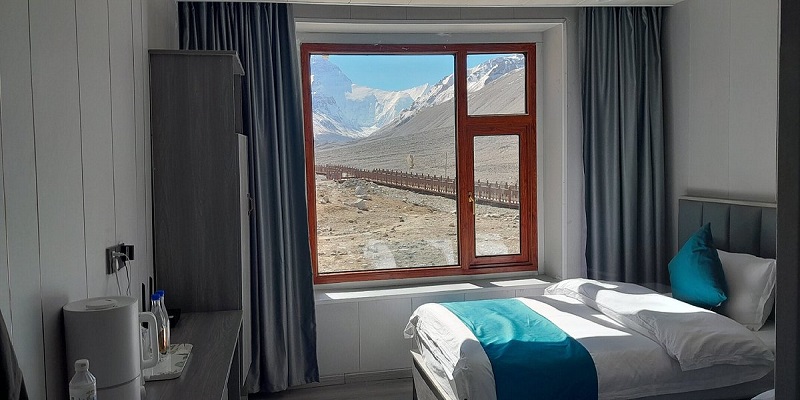
Rongbuk Monastery Accommodation
What Accommodation Options Exist for a Mount Kailash Tour?
Lodging for a Mount Kailash journey can be divided into two distinct phases: staying in the town of Darchen, and the accommodation experienced while actually completing the kora circuit around the mountain itself.
In Darchen: This staging town offers a mix of simple guesthouses, mid-range hotels, and a handful of more modern properties. Most of these establishments provide private bathrooms, improved heating systems, more dependable hot water, on-site restaurants serving straightforward meals, WiFi connectivity, and basic oxygen support. Recognized hotels in Darchen include the Himalaya Kailash Hotel, Letu Hotel, Mt. Divine Recreation Hotel, and the Oxygen-Rich Shanshui Hotel near the Gang Rinpoche area.
On the kora trail itself: During the three-day trek around Mount Kailash, travelers stay overnight in very basic monastery guesthouses, such as those at Dirapuk and Dzutulpuk Monasteries, on the first and second nights of the circuit. These accommodations are entirely communal in nature, furnished with simple wooden beds and heavy blankets to ward off the cold. No shower facilities are available at any point during the trek.
What Is Accommodation Like at the Border Between Tibet and Nepal?
Sitting at an altitude of approximately 2,700 meters, accommodation along the Tibet-Nepal border route, particularly in the border town of Gyirong (also spelled Kyirong), tends to be noticeably more comfortable than what travelers find in higher-altitude regions elsewhere in Tibet.
The town of Gyirong itself is reasonably well developed and features modern four-star hotels such as the Yuntian Intercontinental Hotel and the QoMoLangZong Hotel. These properties typically include private bathrooms, buffet-style breakfasts, WiFi access, and scenic views overlooking the surrounding snow-capped mountains.
Are Hotels in Tibet Safe for Travelers?
Yes, hotels throughout Tibet are widely considered very safe for international visitors.
In cities such as Lhasa, Shigatse, and Nyingchi, the majority of hotels maintain front desk staff around the clock, and security measures like CCTV monitoring are commonplace. Guests can generally feel comfortable leaving belongings in their rooms or making use of hotel facilities without concern.
Even in more remote areas, where hotels and guesthouses take on a simpler form, safety standards remain solid. These smaller establishments are typically operated by local families or monastery staff, and the overall atmosphere tends to be friendly and trustworthy.
The most important point for travelers to understand is that Tibet as a whole is an exceptionally peaceful region. Crime rates remain extremely low, particularly within areas frequented by tourists. The primary challenge that travelers actually face during their trip is not personal safety, but rather managing the effects of high-altitude conditions.
Can I Take a Hot Shower on My First Night at a Lhasa Hotel?
It is strongly recommended that you avoid taking a hot shower during the first 24 to 48 hours after arriving in Lhasa.
Hot water causes blood vessels to dilate, which significantly accelerates both circulation and metabolism throughout the body. At an elevation of roughly 3,650 meters, your body is already working considerably harder than usual just to extract sufficient oxygen from the thin mountain air. Taking a hot shower too soon after arrival can rapidly trigger or intensify symptoms of altitude sickness.
During this initial adjustment window, it is best to stick with a simple wipe-down using wet wipes until your body has had adequate time to acclimate to the elevation.
What Are the Toilet Facilities Like Across Tibet Hotels?
Toilet facilities throughout Tibet vary considerably depending on both location and the category of hotel you choose. In Lhasa and other major cities, most hotels provide modern, Western-style toilets within private rooms.
Outside the larger cities, especially in trekking areas, the picture changes substantially. Many guesthouses in these areas rely on basic squat toilets, and overall cleanliness can vary depending on the specific location and time of year.
Toilet paper is not always supplied in more remote settings, so it is wise to carry your own supply. Hand sanitizer is similarly useful to have on hand throughout the trip.
What Kind of Breakfast Is Served in Tibet Hotels?
The style of breakfast served at Tibet hotels depends largely on the property’s category and its location.
In Lhasa and other cities, mid-range and luxury hotels generally offer a full buffet breakfast. Guests can expect to find familiar Western items such as bread, eggs, butter, and cereal, alongside Chinese and Tibetan specialties including noodle soup, fried rice, steamed buns, and traditional butter tea.
Smaller hotels and guesthouses tend to offer a more limited breakfast experience, usually consisting of a fixed set meal rather than an open buffet. Guests might be served noodles, eggs, or simple bread accompanied by tea or coffee.
In the most remote areas, breakfast often narrows down to hot noodles, tsampa, eggs, and Tibetan butter tea.
Do Guesthouses Provide Clean Bedsheets, or Should I Pack a Sleeping Bag Liner?
In the majority of hotels located in Lhasa and other cities, clean bedsheets and blankets are provided as standard practice, with linens changed on a regular basis and rooms maintained to a decent standard of cleanliness.
In remote guesthouses, however, sheets tend to be changed less frequently due to limited water supplies. For this reason, travelers with particularly high hygiene expectations are encouraged to pack a sleeping bag liner for use during these portions of the trip.
A sleeping bag liner also provides a helpful extra layer of insulation against the cold mountain air, making it easier to stay warm throughout the night.
Can I Stay in a Tibetan Monastery During My Trip?
Yes, staying overnight within a monastery is possible during a Tibet tour, though there are important restrictions to be aware of. Tourists are not permitted to sleep inside prayer halls or the monks’ actual living quarters. Instead, visitors stay in designated monastery guesthouses set aside specifically for this purpose.
To arrange a monastery stay, travelers need to book a pre-planned Tibet tour through a registered travel agency, which can incorporate approved monastery accommodations directly into the itinerary. It is worth noting that only certain monasteries equipped with guesthouse facilities are open to receiving international travelers.
Do Tibet Hotels Accept International Credit Cards, and What Type of Power Plugs Do They Use?
International credit cards, including Visa, Mastercard, and American Express, are widely accepted at most major hotel chains located in larger cities like Lhasa, particularly at properties rated four stars and above. Some local three-star hotels, smaller shops, and remote guesthouses, however, primarily rely on Alipay, WeChat Pay, or cash payments in RMB.
Regarding power outlets, most modern hotels feature universal wall sockets capable of accommodating both US-style flat two-pin plugs and European-style round two-pin plugs. Travelers carrying devices with UK three-pin plugs will need to bring along a standard Type G adapter to ensure compatibility.
Final Thoughts on Planning Your Tibet Accommodation
Accommodation across Tibet tells a story of remarkable contrast: gleaming five-star resorts in Lhasa sit at one end of the spectrum, while simple monastery guesthouses along remote trekking routes sit at the other. Understanding this range, and adjusting your expectations to match whichever part of the region you are visiting, is essential to enjoying a smooth and rewarding journey across the Tibetan Plateau.
Given the unique permit requirements, restricted hotel access for foreign visitors, and the practical challenges posed by such high-altitude terrain, working with an experienced local partner makes a meaningful difference. TibetYulong Travel specializes in matching travelers with accommodation suited to their needs and budget, from luxury properties in Lhasa with Potala Palace views to carefully selected guesthouses along the Everest Base Camp and Mount Kailash routes. With the right planning and a flexible mindset, your stay across Tibet can be just as memorable as the breathtaking landscapes you have come to see.