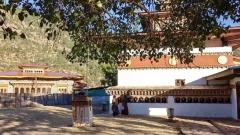

Bhutan is an appealing destination for older travelers who enjoy beautiful mountain scenery, peaceful monasteries, traditional architecture, and cultural experiences. However, traveling here can be different from visiting a major city or a resort destination. Mountain roads can be winding, some attractions require walking uphill, and hotel facilities may vary between towns and remote areas. The good news is that older travelers do not need to be especially athletic to enjoy Bhutan. With a carefully planned itinerary, comfortable accommodation, private transportation, and a pace that allows enough time to rest, a trip to Bhutan can be rewarding and comfortable for many seniors.
Key Takeaways
- Bhutan can suit older travelers, depending on their health, mobility, and preferred travel style.
- Choose a relaxed itinerary with shorter driving days, fewer hotel changes, and sufficient rest time.
- Tiger’s Nest Monastery requires a challenging uphill hike, but visiting it is optional.
- Private tours can offer greater comfort and flexibility than fixed-schedule group trips.
- Check hotel facilities, road conditions, travel insurance, and medical access before confirming your trip.
Is Bhutan a Good Destination for Older Travelers?
Bhutan can be an excellent destination for older adults who appreciate culture, history, nature, and a slower style of travel. Many of the country’s main attractions can be enjoyed without strenuous physical activity, particularly when the itinerary is designed around individual needs.
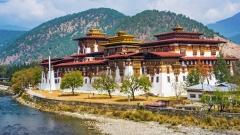
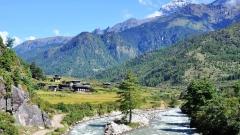
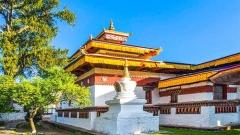
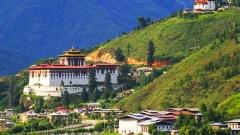
In Paro, visitors can explore traditional streets and visit Kyichu Lhakhang, one of Bhutan’s important temples. In Thimphu, cultural museums, memorials, monasteries, and viewpoints provide opportunities to learn about Bhutanese traditions without needing to complete a demanding trek. Punakha is known for Punakha Dzong and its scenic river valley, offering a combination of architecture and natural scenery.
However, Bhutan is a mountainous country, and not every journey is easy. Some roads involve long periods of winding driving, while paths around monasteries and historic buildings may include steps, slopes, or uneven surfaces.
The key is not whether someone is considered old, but whether the itinerary matches their physical condition, mobility, and comfort preferences.
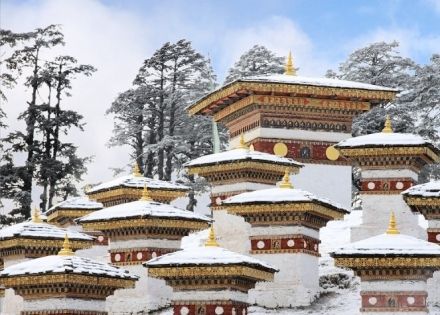
Bhutanese Dzongs in Winter
Who May Find Bhutan Comfortable?
Bhutan may be suitable for older travelers who:
- Can walk short distances at a comfortable pace.
- Enjoy cultural sightseeing and scenic drives.
- Prefer smaller groups or private transportation.
- Are comfortable with some changes in elevation and mountain-road travel.
- Are willing to skip activities that feel too physically demanding.
Travelers who have significant mobility limitations, unstable medical conditions, or difficulty tolerating long car journeys may need a more carefully adapted route and advice from a healthcare professional before departure.
Choose an Itinerary With a Comfortable Pace
One of the most important decisions when planning Bhutan travel for seniors is the itinerary. A route that looks manageable on a map may involve several hours on mountain roads, so it is worth considering travel time as carefully as sightseeing time.
Start With Western Bhutan
For a first visit, a route covering Paro, Thimphu, and Punakha can provide a varied introduction to Bhutan without requiring travel across the entire country.
A thoughtfully planned six-day itinerary could include:
| Day | Suggested Plan | Comfort Considerations |
|---|---|---|
| Day 1 | Arrive in Paro and transfer to the hotel | Keep the schedule light and allow time to rest |
| Day 2 | Visit Kyichu Lhakhang and selected sights in Paro | Choose attractions with manageable walking distances |
| Day 3 | Travel to Thimphu and enjoy a relaxed city visit | Allow breaks during the drive and sightseeing |
| Day 4 | Explore selected cultural attractions in Thimphu | Avoid packing too many stops into one day |
| Day 5 | Travel to Punakha and visit Punakha Dzong, depending on conditions | Confirm walking surfaces and the amount of time needed |
| Day 6 | Return toward Paro or depart according to the flight schedule | Allow a practical buffer for road travel and airport check-in |
This is an example rather than a fixed schedule. The final arrangement should depend on flight times, road conditions, personal mobility, and how much sightseeing each traveler prefers.
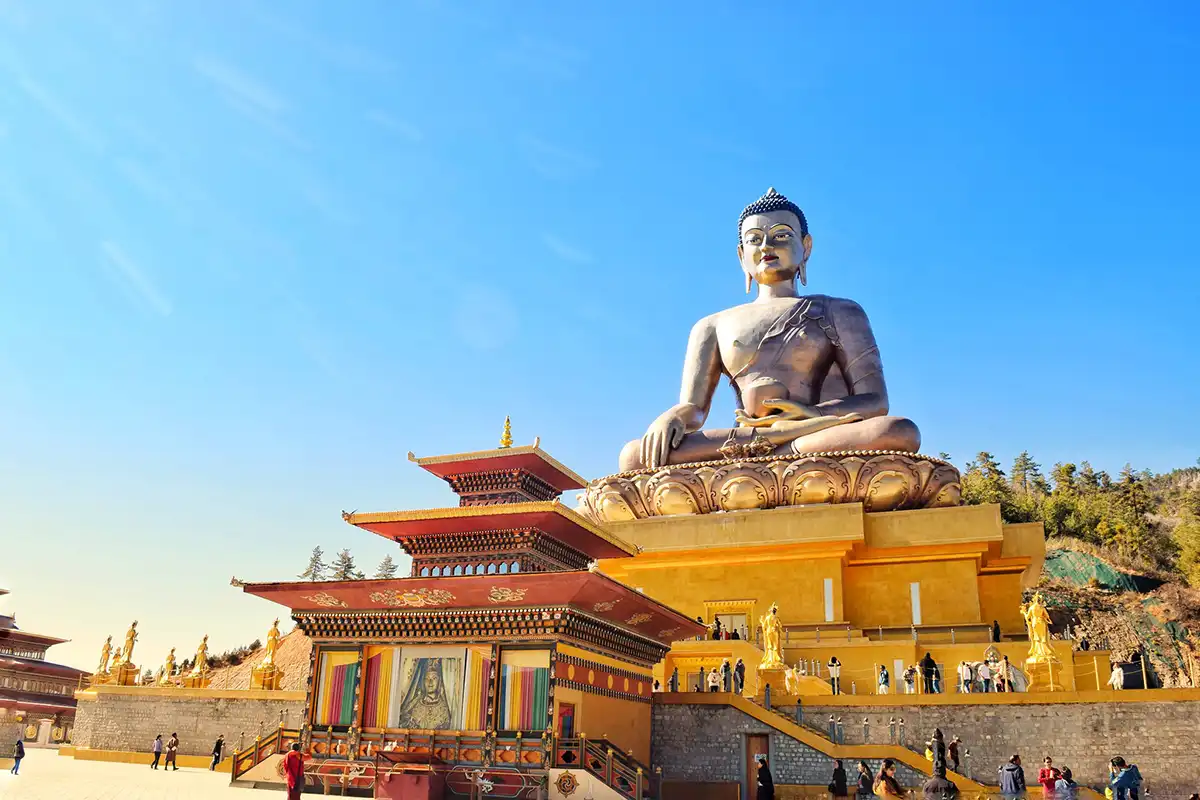
Avoid Too Many Destinations in Too Few Days
Longer itineraries may include central or eastern Bhutan, where journeys between destinations can take considerable time. Although these regions have their own cultural and natural attractions, moving from one hotel to another frequently can become tiring.
For older travelers, it is often better to spend more time in fewer places than to visit as many destinations as possible. Staying an extra night in one location may offer more value than adding another long transfer.
A comfortable itinerary should include time for meals, rest, toilet breaks, and unexpected delays rather than treating every available hour as sightseeing time.
Understand the Walking Requirements at Major Attractions
Bhutan has many cultural attractions that are accessible to visitors with different fitness levels, but access conditions vary. Some temples and monasteries involve steps or uneven ground, and certain famous landmarks require considerably more physical effort.
Tiger’s Nest Monastery: Is It Suitable for Seniors?
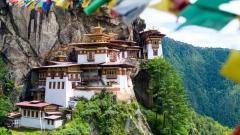
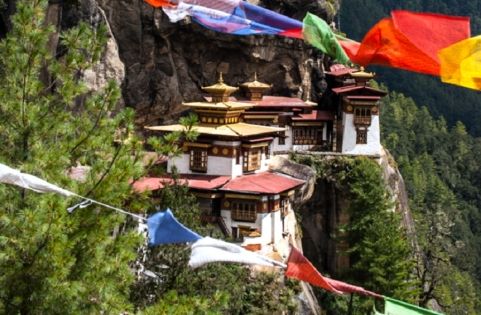
Tiger’s Nest Monastery, also known as Paro Taktsang, is one of Bhutan’s most iconic attractions. Built on a cliffside above Paro Valley, it offers remarkable scenery, but reaching the monastery involves a sustained uphill hike.
The route includes steep sections and uneven paths. The time needed depends on walking speed, fitness, weather, and how often a visitor stops to rest. For someone who has limited mobility, balance difficulties, heart or lung conditions, or low exercise tolerance, the climb may not be appropriate.
Older travelers should consider the following before including it in their itinerary:
- Discuss the physical demands with a healthcare professional if there are relevant health concerns.
- Ask the tour operator how long the hike usually takes and what the current route conditions are like.
- Plan adequate time for breaks and avoid scheduling strenuous activities immediately afterward.
- Do not feel obliged to complete the hike if it becomes uncomfortable or unsafe.
You do not have to hike to Tiger’s Nest to enjoy Bhutan. Travelers who prefer a more relaxed experience can explore other parts of Paro, visit accessible cultural sites, or enjoy the valley’s scenery instead.
Choose Cultural Attractions Based on Mobility
Many temples, monasteries, and historic buildings have stairs, thresholds, sloping paths, or limited seating. Even when the attraction is not physically demanding overall, the entrance or route through the site may present challenges.
Before visiting a particular attraction, ask whether there are many steps, how far you need to walk from the vehicle, and whether resting places are available. This helps you decide which sites to prioritize and which ones may be better skipped.
Consider Bhutan’s Mountain Roads and Driving Times
Road travel is one of the main comfort considerations in Bhutan. Mountain roads often curve around valleys and hillsides, and some transfers take several hours even when the distance appears relatively short.
Travelers who experience motion sickness or back discomfort may find long drives tiring. Road conditions can also change due to weather, maintenance, or other local factors.
To make road travel easier:
- Choose an itinerary with fewer long transfers.
- Ask the operator for estimated driving times between destinations.
- Schedule breaks during longer journeys.
- Carry any medication you normally use for motion sickness, following appropriate medical advice.
- Avoid combining a long drive with a packed sightseeing schedule.
- Confirm whether the vehicle has adequate space and comfortable seating for your needs.
Private transportation can make a meaningful difference because the schedule can often be adjusted to allow rest stops. However, a private vehicle cannot eliminate winding roads or guarantee a completely smooth journey.
If you are particularly sensitive to motion, discuss the route with your tour operator before booking so that you can assess whether the planned travel distances are manageable.
Select Comfortable Hotels and Suitable Room Facilities
Accommodation is another important factor for older travelers. A hotel may look attractive in photographs but still be inconvenient if it has many stairs, limited access to elevators, or a long walk from the entrance to the room.
Before booking, ask the operator for the names of the proposed hotels and check the facilities that matter most to you.
What Should Older Travelers Check?
Room accessibility: Ask whether the hotel has an elevator, ground-floor rooms, or rooms close to common areas. Do not assume that every property has step-free access.
Bathroom safety: Check whether the bathroom has a walk-in shower, grab bars, non-slip flooring, or other features you need. These facilities are not available in every hotel.
Bed and room comfort: If you have back or joint problems, discuss mattress preferences, room heating, and other relevant requirements in advance.
Heating and hot water: Temperatures can vary significantly with season and altitude. Confirm what heating facilities are available at your accommodation.
Location: A hotel close to restaurants or central attractions may reduce the need for additional driving and walking.
Dining arrangements: If you have dietary restrictions or prefer familiar food options, let the operator know before the trip.
If accessible facilities are essential, request written confirmation from the hotel or travel company rather than relying only on a general description such as comfortable or senior-friendly.
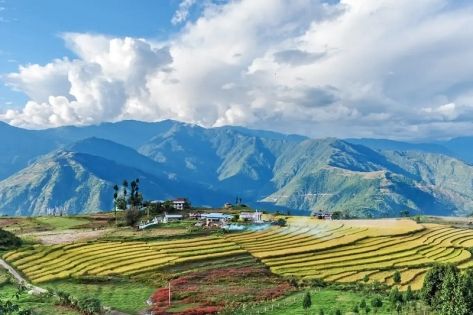
Bhutan
Is Bhutan Safe for Older Travelers?
Bhutan can be a rewarding destination for older visitors, but safety depends on personal health, travel conditions, and the activities included in the itinerary. Age alone does not determine whether someone can travel comfortably.
The main practical considerations include road travel, walking conditions, changes in elevation, weather, and access to medical care.
Health and Altitude Considerations
Bhutan’s destinations vary in altitude, and some itineraries travel through high mountain passes or elevated valleys. People respond differently to altitude, and previous travel experience does not guarantee that a person will have no symptoms on a future trip.
If you have heart or lung disease, significant mobility limitations, or another condition that may affect your ability to travel at elevation, consult your healthcare professional before booking. Discuss the actual elevations and physical demands of your proposed route rather than relying on a general description of Bhutan as a high-altitude destination.
During the trip, allow time to adjust to your surroundings, avoid overexertion, and tell your guide promptly if you feel unwell. Severe or worsening symptoms require prompt medical assessment rather than simply continuing the itinerary.
Medical Access and Travel Insurance
Medical services may be more limited in remote areas than in major cities, and reaching an appropriate facility can take time. Travelers with specific medical needs should discuss the planned route and access to care with their healthcare professional and tour operator before departure.
Travel insurance is particularly important. Check whether your policy covers medical treatment, emergency evacuation, trip interruption, and any planned hiking activities. Review exclusions and conditions carefully, especially if you have pre-existing medical conditions.
It is also sensible to carry your regular medications in their original packaging, bring relevant prescriptions, and keep emergency contact information readily available.
Private Tours Often Offer More Comfort and Flexibility
For older travelers, a private tour can be worth considering because it allows the itinerary to be adapted to personal preferences and physical ability.
With a private arrangement, you can discuss a slower pace, shorter sightseeing sessions, more frequent breaks, and accommodation that meets specific needs. If a particular attraction proves too strenuous, the guide and driver may be able to help adjust the day’s schedule, depending on the circumstances.
A private tour can be especially useful for:
- Couples who want to travel at their own pace.
- Families traveling with older parents.
- Travelers who need frequent rest breaks.
- Visitors who prefer not to walk long distances with a group.
- People who want to prioritize cultural attractions over strenuous hikes.
Group tours may cost less per person, but a fixed schedule can make it difficult to adjust the pace for one participant. Before booking a group tour, confirm the group size, daily walking requirements, amount of free time, and whether the operator can accommodate mobility needs.
A private tour does not automatically guarantee accessibility, so make sure the operator understands your requirements and confirms the arrangements in advance.
Choose the Best Season for Your Comfort
The best time to visit Bhutan depends on the destinations you plan to visit, your interests, and how well you tolerate cold, heat, and rain.
Spring and autumn are popular periods for sightseeing, cultural experiences, and outdoor activities. Summer can bring heavier rainfall, while winter may bring cold temperatures, particularly at higher elevations.
For older travelers, the best season is not necessarily the one with the most attractions or festivals. It is the period when the weather and itinerary best match personal comfort.
Before choosing travel dates, consider:
- Temperature: Can you comfortably manage the expected conditions?
- Rain and road conditions: Could wet weather affect walking or transfers?
- Festival crowds: Would you prefer a lively cultural event or a quieter visit?
- Daylight: Will you have sufficient time for sightseeing without rushing?
- Accommodation: Are suitable hotel options available on your preferred dates?
If a festival is a priority, confirm the schedule for the specific year because dates follow the Bhutanese calendar and change from year to year. Also make sure the itinerary allows enough time to attend the event without adding excessive driving.
Prepare Practical Essentials Before Departure
A little preparation can make a Bhutan trip more comfortable, particularly for travelers who need to manage health, mobility, or temperature sensitivity.
What Should Older Travelers Pack?
Bring comfortable walking shoes with good grip, layered clothing, and warm outerwear appropriate for your travel season and destinations. Even when daytime weather is mild, mornings and evenings can be cold in some areas.
Other useful items include:
- Regular prescription medication and a copy of your prescriptions.
- Personal medical information and emergency contacts.
- Sunglasses, sunscreen, and a hat.
- A reusable water bottle.
- Any mobility aids you regularly use.
- Lightweight snacks suited to your dietary needs.
- Motion-sickness remedies, if appropriate for you.
Do not rely on local shops to have your preferred medications or specialized mobility equipment. Carry essential items with you and discuss any medical or dietary requirements with your tour operator in advance.
Plan a Comfortable Bhutan Tour for Older Travelers
So, is Bhutan comfortable for older travelers? It can be, provided the trip is planned around individual needs rather than a one-size-fits-all itinerary. Bhutan offers rich cultural experiences, impressive mountain landscapes, and peaceful places to explore without requiring every visitor to undertake strenuous hikes.
The most important decisions are choosing a manageable route, limiting long driving days, checking hotel accessibility, and deciding which attractions match your physical ability. A private tour can provide additional flexibility, while careful preparation can help you travel with greater confidence.
For older travelers, a successful Bhutan journey is not about visiting every destination. It is about enjoying the places that matter most at a comfortable pace. With suitable arrangements and realistic expectations, Bhutan can offer a memorable experience of Himalayan scenery, Buddhist heritage, and local culture.