
Planning a trip to Bhutan means preparing for more than just beautiful mountain scenery and ancient monasteries. From visa requirements and the Sustainable Development Fee to accommodation, transportation, and daily itineraries, several details can affect your travel experience and overall budget. Whether you are planning a short cultural getaway or a longer journey through the Himalayas, checking these details before booking can help you avoid unexpected costs and choose a tour that suits your needs. In this guide, we explain what to look for when booking a Bhutan tour, so you can plan your journey with greater confidence.
Key Takeaways
- Check entry requirements and fees before confirming your travel dates, including visa arrangements and the Sustainable Development Fee (SDF), where applicable.
- Review the full itinerary to understand driving times, sightseeing schedules, and how much time you will spend at each destination.
- Confirm what the tour price includes, especially accommodation, meals, transportation, entrance fees, guides, and additional charges.
- Compare accommodation and transportation options instead of choosing a tour based on price alone.
- Read the cancellation and payment policies carefully before paying a deposit or booking international flights.
1. Check Bhutan’s Entry Requirements and Travel Fees
One of the first things to check before booking a Bhutan tour is whether you meet the current entry requirements. These requirements can vary depending on your nationality, travel documents, and the regulations in effect at the time of your trip.
Visa Requirements
Many international visitors need a visa to enter Bhutan, while travelers from certain countries follow different entry procedures. Before booking, confirm the requirements that apply to your passport and whether your tour operator can assist with the application process.
Ask your operator the following questions:
- Do I need a visa before departure?
- Which documents should I prepare?
- Who will handle the application, and when should I submit my documents?
- Are there any additional permits required for my planned route?
Do not assume that a visa or travel authorization is automatically included in your tour package. Ask for written confirmation of what the operator will arrange and what you must complete yourself.
Understand the Sustainable Development Fee (SDF)
The Sustainable Development Fee, commonly known as the SDF, is an important part of budgeting for a Bhutan trip. The applicable amount and payment requirements depend on the current tourism policy and the traveler’s eligibility for any special arrangements.
Before paying for a tour, confirm whether the SDF is included in the quoted price or must be paid separately. Also check the applicable rate, the number of chargeable nights, and whether any exemptions or concessions apply to your circumstances.
This distinction matters because a tour advertised at an attractive price may not include all mandatory travel fees.
2. Review the Itinerary and Travel Pace
Bhutan may look small on a map, but traveling between destinations can take longer than expected. Mountain roads, winding passes, and occasional road conditions can affect driving times. A good itinerary should balance sightseeing with enough time to enjoy each destination without rushing.
Check the Destinations and Daily Schedule
Popular destinations include Paro, Thimphu, and Punakha. Longer tours may also explore places such as Phobjikha Valley, Bumthang, or the eastern regions of Bhutan.
Look beyond the list of destinations and check how the itinerary is organized. For each day, ask:
- How many hours will we spend driving?
- Which attractions are included, and which are optional?
- How much free time is available?
- Are there long journeys immediately after arrival or before departure?
- Does the itinerary allow enough time for meals, rest, and unexpected delays?
A tour that visits many places in a short period may look appealing, but it can leave little time to appreciate the scenery and local culture.
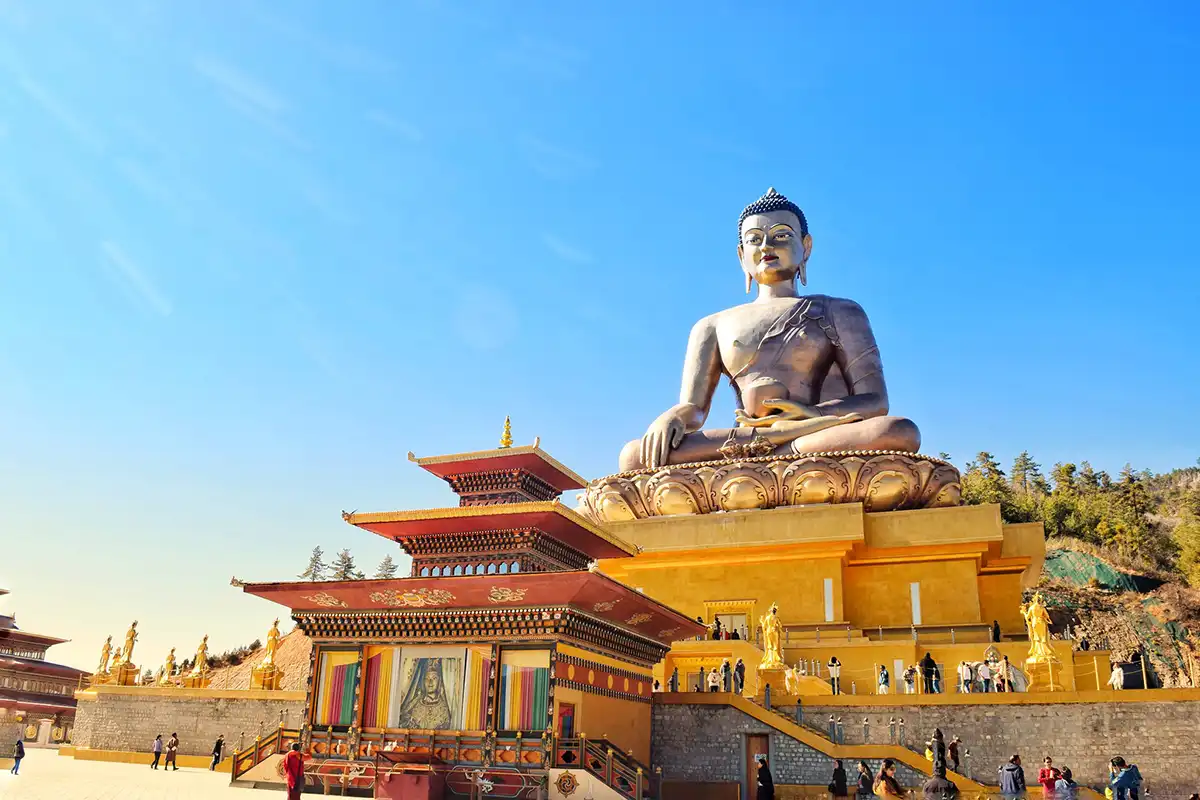
Buddha Point
Make Sure the Tour Length Fits Your Plans
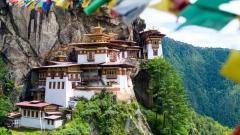
For first-time visitors, a journey of around five to seven days can provide a useful introduction to Bhutan’s main cultural attractions. A six-day itinerary covering Paro, Thimphu, and Punakha, for example, can combine important monasteries, traditional architecture, mountain scenery, and a hike to Tiger’s Nest Monastery.
A longer trip may be more suitable if you want to explore remote valleys, attend a local festival, or travel beyond western Bhutan.
Choose an itinerary based on what you want to experience rather than simply selecting the package with the largest number of destinations.
3. Confirm What the Tour Price Includes
Tour prices can vary considerably depending on the hotel category, group size, transportation, season, and services provided. Before comparing packages, make sure you are comparing the same things.
Ask for a detailed list of inclusions and exclusions rather than relying on a headline price.
| Item | What to Check |
|---|---|
| Accommodation | Hotel category, room type, location, and number of nights |
| Meals | Whether breakfast, lunch, and dinner are included |
| Transportation | Private vehicle or shared transport, and airport transfers |
| Tour guide | Whether a guide is included and which languages are available |
| Sightseeing | Entrance fees and any included activities |
| Visa and SDF | Whether these charges are included or paid separately |
| Flights | Whether international or regional flights are included |
| Additional costs | Tips, drinks, personal expenses, and optional activities |
A package with a higher price may offer better value if it includes comfortable hotels, a private vehicle, and more services. Conversely, a lower-priced tour may be a reasonable choice if you understand what is excluded and are comfortable arranging those items yourself.
Watch for Optional Expenses
Ask whether any activities, meals, or sightseeing stops require additional payment. You should also confirm whether there are extra charges for single-room accommodation, special transportation arrangements, or itinerary changes.
A clear quotation makes it easier to calculate your actual travel budget and reduces the chance of unexpected expenses during the trip.
4. Check Accommodation Standards and Room Arrangements
Accommodation can have a significant effect on your comfort in Bhutan, especially when your itinerary involves several destinations and long drives.
Instead of relying only on descriptions such as comfortable or luxury, request the names of the proposed hotels or examples of hotels in the same category.
Check the following details before booking:
- Hotel category: Confirm the expected standard and whether every destination offers the same level of accommodation.
- Location: Find out whether the hotel is near the town center or requires additional driving to reach restaurants and attractions.
- Room type: Confirm whether the quotation is based on a twin room, double room, or another arrangement.
- Single supplement: Ask how much extra you must pay if you are traveling alone or prefer your own room.
- Special requirements: Inform the operator about dietary needs, mobility concerns, or other requests in advance.
For travelers who value comfort, it is worth checking the accommodation carefully rather than assuming that all hotels within the same quoted category provide an identical experience.
5. Understand Transportation and Tour Group Arrangements
The transportation arrangement can influence both the pace and overall comfort of your Bhutan journey.
Private Tour or Group Tour?
A private tour gives you more control over the schedule and is often suitable for couples, families, and travelers with specific interests. You can discuss additional stops, adjust the pace where practical, and arrange the itinerary around your preferences.
Group tours may offer a lower per-person price, although departure dates, group sizes, and itineraries are generally less flexible. Availability varies by operator, so confirm whether a departure is guaranteed and how many travelers are expected.
Bhutan trips are not always organized in the same way as conventional group tours in other countries. Some packages are privately arranged even when the itinerary is standardized, so ask exactly how your tour will operate.
Confirm the Vehicle and Airport Transfers
Ask what type of vehicle will be used and whether it will be private to your party. If several travelers are sharing a vehicle, confirm the available seating and luggage capacity.
You should also establish how airport pickup will work, where the driver will meet you, and whether transfers are included for your arrival and departure dates.
If your trip involves several hotel changes, reliable transportation and clear coordination can make the journey much more convenient.
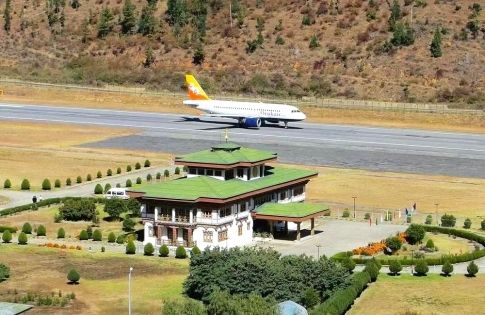
Paro Airport, Bhutan
6. Choose the Right Travel Season
Bhutan offers different experiences throughout the year, and the best time to visit depends on your interests.
Spring and autumn are popular periods for cultural sightseeing and outdoor activities. Spring brings blooming flowers and fresh mountain scenery, while autumn is often appealing for clear views and major festivals. Summer can bring heavier rainfall, and winter generally has colder conditions, particularly at higher elevations.
Weather varies by region and altitude, so avoid choosing your travel dates based only on a general seasonal description.
Check Festival Dates Before Booking
Bhutan’s religious festivals, commonly known as Tshechus, are among the country’s most distinctive cultural experiences. Events such as Paro Tshechu and Thimphu Tshechu feature traditional masked dances, religious ceremonies, and gatherings that bring local communities together.
Festival dates follow the Bhutanese calendar and vary from year to year. If attending a festival is important to you, confirm the dates for your travel year before paying a deposit.
Also ask whether your itinerary includes enough time at the festival. Merely arriving in the town where an event takes place does not necessarily mean you will have the opportunity to see its main ceremonies.
Consider Seasonal Demand
Hotels and transportation can be in greater demand during popular travel periods and major festivals. Booking earlier may give you more accommodation choices and make it easier to secure your preferred itinerary.
Before confirming, check whether the quoted price changes according to your departure date and whether the operator has already secured the proposed hotels.
7. Check the Difficulty of Hiking to Tiger’s Nest Monastery
Tiger’s Nest Monastery, or Paro Taktsang, is one of Bhutan’s best-known landmarks and a highlight for many first-time visitors. However, reaching it involves an uphill hike, so it is important to understand the physical demands before booking a tour that includes the visit.
The hike can take several hours, depending on your pace, conditions, and how long you spend along the way. The route involves sustained climbing, uneven ground, and changes in elevation. Visitors should not assume that it is an easy walk simply because the monastery is a major tourist attraction.
Before your trip, consider your fitness level and discuss any mobility concerns with your tour operator. Ask whether you will have sufficient time for breaks and whether the guide can accommodate a slower pace.
If hiking to Tiger’s Nest is not suitable for you, ask about alternative activities in Paro rather than feeling obliged to complete the climb.
It is also worth confirming whether the hike is scheduled on a day with a relaxed travel schedule. Combining it with a long drive or too many other activities may make the day unnecessarily tiring.
8. Read the Payment, Cancellation, and Refund Policies
Before making a deposit, read the booking terms carefully. A reliable operator should be able to explain the payment schedule, cancellation rules, and refund conditions clearly.
Pay particular attention to the following:
- Deposit: How much must you pay to confirm the booking, and when is it due?
- Balance payment: When must the remaining amount be paid?
- Cancellation charges: How do the fees change as the departure date approaches?
- Refund processing: How are eligible refunds calculated and processed?
- Changes to the itinerary: What happens if you need to change your travel dates or make a reasonable adjustment to the route?
- Operator cancellation: What happens if the operator cannot provide the advertised tour?
Check whether cancellation policies distinguish between service fees, hotel payments, flights, visa-related expenses, and other non-refundable costs. A refund of the tour package does not necessarily mean that every expense associated with the trip will be recoverable.
Keep your quotation, booking confirmation, payment receipts, and written communications. Avoid relying solely on verbal assurances about refunds or changes.
9. Check Travel Insurance and Health Considerations
Travel insurance is another important consideration when booking a Bhutan tour. Review the policy carefully to see whether it covers medical expenses, emergency evacuation, trip cancellation, travel delays, and activities included in your itinerary.
Do not assume that every policy automatically covers hiking or trekking. If you plan to visit remote areas or undertake strenuous activities, confirm the relevant coverage with your insurer.
You should also consider your personal health and the physical demands of your planned route. Mountain journeys can involve winding roads, substantial changes in elevation, cold weather, and long periods of travel. Travelers with existing medical conditions or mobility concerns should seek appropriate professional advice before departure.
Tell your tour operator about any requirements that may affect accommodation, meals, transportation, or activity choices. Planning these details in advance is usually easier than trying to make major adjustments after the tour begins.
10. Ask About the Tour Operator’s Experience and Communication
A detailed itinerary is only useful if the operator can deliver the services described. Before making a payment, find out who will coordinate your trip and how you can contact them before and during your stay.
Review the operator’s website, contact details, written quotation, and available customer feedback. Check whether the company can answer practical questions about the destinations, accommodation, transportation, and entry requirements.
Useful questions include:
- Will I have a local contact during the trip?
- Who should I contact if my flight is delayed?
- How will itinerary changes be communicated?
- Can you confirm the accommodation and services in writing?
- Who will assist if I encounter a problem during the tour?
Clear communication before booking is a useful indication of how well your questions and requests may be handled later. Be cautious if the operator avoids explaining fees, cannot provide written terms, or pressures you to pay before answering basic questions.
11. Confirm Your Flight Plans and Booking Deadlines
Bhutan’s international air connections are more limited than those of many major tourist destinations, so flight planning deserves attention before you finalize the itinerary.
Confirm which airport your tour starts and ends at, whether airport transfers are included, and how your arrival and departure times fit the daily schedule.
If you need a connecting flight through another country, check visa or transit requirements that may apply to your nationality and connection. Leave sufficient time between connecting flights, especially when separate tickets are involved.
Before purchasing non-refundable international flights, clarify what happens if your tour dates change or your travel authorization is delayed. Your tour operator should also confirm the deadline for submitting the documents and information needed to arrange the trip.
It is best to align your flights, hotel bookings, and tour schedule before committing to arrangements that are difficult or expensive to change.
Plan a Bhutan Tour That Fits Your Travel Style
Booking a Bhutan tour involves more than finding an itinerary that includes the country’s most famous landmarks. Entry requirements, fees, accommodation, transportation, hiking difficulty, and cancellation policies can all affect your experience and budget.
Taking time to compare these details helps you choose a trip that matches your preferred pace, comfort level, and interests. Whether you are planning a short cultural visit to Paro, Thimphu, and Punakha or a longer journey through Bhutan’s valleys and remote regions, clear arrangements can make the planning process much easier.
Before making your final decision, confirm the current travel requirements, and ensure that you understand the services covered by the price. With these essentials checked in advance, you can focus on enjoying Bhutan’s Himalayan scenery, Buddhist heritage, and distinctive local culture.