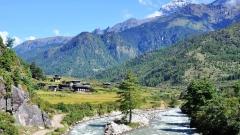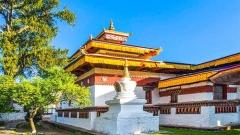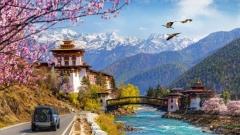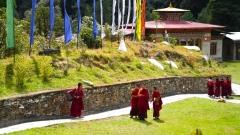

Is Bhutan fun to visit? The answer depends on what you expect from a holiday. If you are looking for large shopping malls, busy nightlife, or a wide range of modern entertainment, Bhutan may feel different from other popular Asian destinations. However, if you enjoy mountain landscapes, ancient monasteries, traditional culture, and meaningful local experiences, Bhutan can be an incredibly rewarding place to explore.
Bhutan’s appeal goes beyond its scenery. The country offers opportunities to experience centuries-old religious traditions, local festivals, traditional sports, rural markets, and natural landscapes that remain closely connected to everyday life. From the giant Buddha overlooking Thimphu to the cliffside Tiger’s Nest Monastery, each destination reveals a different part of Bhutan’s identity.
Key Takeaways
- Discover spectacular mountain views from Buddha Dordenma in Thimphu.
- Hike to Tiger’s Nest, Bhutan’s most iconic monastery.
- Experience local life through archery, markets, and traditional festivals.
- Explore peaceful valleys, historic temples, and unique religious traditions.
- Enjoy a traditional Bhutanese hot stone bath in a rural setting.
1. Buddha Dordenma: A Magnificent Viewpoint Over Thimphu
Buddha Dordenma is one of the first major landmarks many visitors see after arriving in Thimphu, Bhutan’s capital. Located on a hillside above the city, the enormous bronze statue is approximately 51.5 meters tall and can be seen from several parts of the valley.
The statue faces the city, with mountains, farmland, and forested hills stretching into the distance. The open plaza is an excellent place to enjoy the landscape, especially in the early morning or late afternoon when the light creates a softer atmosphere.
The site is more than an impressive outdoor viewpoint. Beneath the statue is a meditation hall containing a large collection of smaller gilded Buddha statues. The walls and ceilings are decorated with Buddhist paintings, sculptures, and religious artwork. The interior offers a quieter and more spiritual experience than the open plaza outside.
Visitors should dress respectfully when entering religious areas. Long trousers, long skirts, and shirts that cover the shoulders are appropriate choices. Photography may be permitted outdoors, but visitors should follow local rules inside the meditation hall and avoid disturbing people who are praying or meditating.
When walking around religious structures, stupas, or prayer wheels, visitors should generally move clockwise. This is an important part of showing respect for Bhutanese Buddhist traditions.
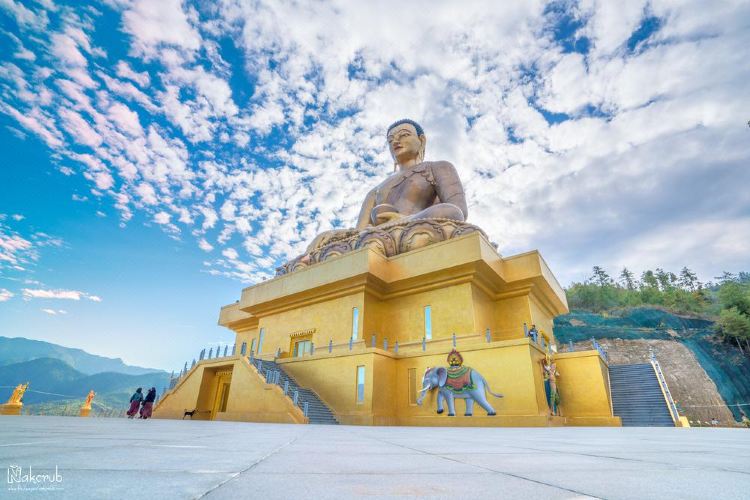
Buddha Dordenma
2. Tiger’s Nest Monastery: Bhutan’s Most Iconic Landmark
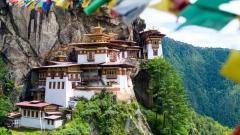
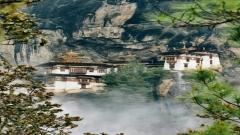
Tiger’s Nest Monastery, also known as Taktsang Goemba, is built on a dramatic cliff above the Paro Valley. The monastery appears to cling to the mountainside, making it one of the most recognizable sights in Bhutan.
According to local tradition, the Buddhist master Padmasambhava, also known as Guru Rinpoche, arrived at the site on the back of a flying tigress. He is believed to have meditated in a cave here, and the location later became one of the most important spiritual sites in Bhutan.
Reaching Tiger’s Nest requires a demanding uphill hike. Travelers can walk the entire route or choose to ride a horse part of the way. Horses generally take visitors to the cafeteria halfway up the mountain, after which the remaining route must be completed on foot.
The section between the cafeteria and the monastery includes forest paths, mountain trails, cliffside views, and numerous stairs. The final approach near the waterfall can be particularly challenging. Comfortable hiking shoes, drinking water, sun protection, and a reasonable pace are essential.
Visitors should allow several hours for the round trip. Those who are not accustomed to high-altitude environments should avoid rushing and should inform their guide immediately if they feel unwell.
Personal belongings such as phones, cameras, and bags may need to be left in designated storage areas before entering the monastery. Tiger’s Nest is best visited when travelers have had enough time to adjust to the altitude and the pace of travel in Bhutan.
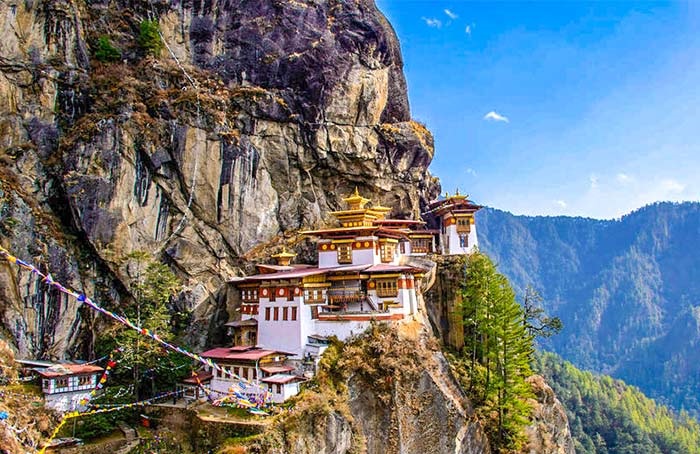
Tiger’s Nest Monastery
3. Archery: Experience Bhutan’s National Sport
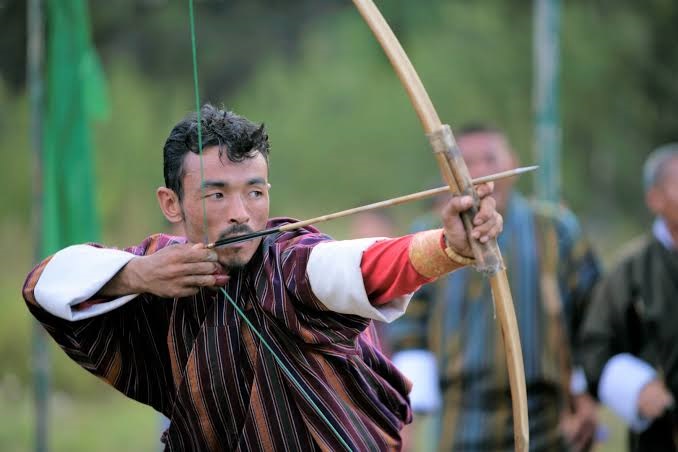
Archery is one of Bhutan’s most distinctive traditional activities. It is not only a sport but also an important part of community life. Many towns and villages have their own archery grounds, and local people often gather at weekends for competitions, socializing, music, and dancing.
Traditional Bhutanese archery is very different from a casual shooting activity. The distance between the archer and the target can be extremely long, requiring concentration, precision, and considerable skill. When a competitor hits the target, spectators often celebrate with loud cheers, songs, and traditional dances.
Changlimithang Archery Ground in Thimphu is one of the best-known places to learn about this part of Bhutanese culture. Competition schedules are not always fixed, so visitors should ask their local guide whether an event is taking place during their stay.
Travelers who want to try archery themselves can often arrange an introductory session at selected hotels or cultural attractions. These activities usually use shorter bows and closer targets, making them more suitable for beginners.
When watching a competition, remain behind the designated safety areas and avoid crossing the shooting line. It is also important to wait until the appropriate moment before taking photographs.
Archery
4. Tshechu Festivals: A Celebration Of Religion And Culture
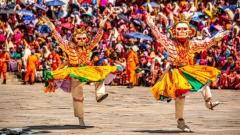
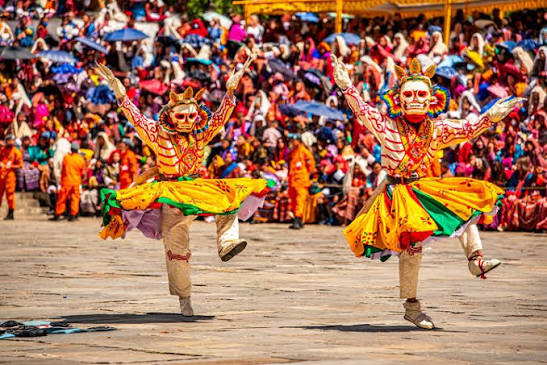
Tshechu is one of Bhutan’s most important religious festivals. Different districts organize their own celebrations at different times of the year, but most events include masked dances, traditional music, religious rituals, and gatherings of local residents.
During a Tshechu festival, monks wear colorful costumes and elaborate masks representing deities, animals, protectors, and characters from Buddhist stories. The Cham dances often symbolize the triumph of good over evil and the removal of negative forces.
Visitors may also encounter Atsara, traditional festival performers known for their humorous movements and playful interaction with the crowd. Their role combines entertainment with symbolic religious meaning, and their presence often makes the festival atmosphere more lively.
Popular festivals include Punakha Tshechu, Paro Tshechu, and Thimphu Tshechu. The dates change each year, so travelers who want to attend should confirm the schedule in advance and reserve transportation and accommodation early.
Although the festivals can be colorful and energetic, they remain religious events. Visitors should dress modestly, avoid loud or disruptive behavior, and follow instructions concerning photography. Flash photography may disturb performers and should generally be avoided.
Tshechu Festivals
5. Traditional Markets: A Window Into Everyday Bhutanese Life
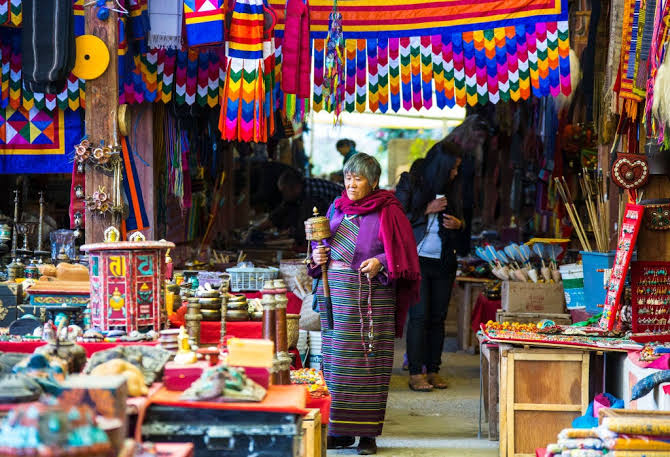
Bhutan’s monasteries and dzongs are important, but traditional markets offer another way to understand the country. Markets are places where visitors can observe local shopping habits, farming traditions, food culture, and daily interactions.
The Centenary Farmers Market in Thimphu is a popular example. Farmers from nearby villages and valleys bring vegetables, chilies, cheese, spices, and other local products to sell. The atmosphere is more focused on community life than on commercial tourism.
Dried chilies are particularly noticeable. In Bhutanese cuisine, chilies are not simply used as seasoning; they are often treated as a main ingredient. They are also essential for preparing Ema Datshi, a traditional dish made with chilies and cheese.
Visitors may also find fresh cheese, dried cheese, local snacks, spice mixtures, and other regional products. These items can make interesting souvenirs for travelers who prefer authentic local products rather than mass-produced gifts.
Weekday mornings are generally suitable for a quieter visit, while weekends may offer a busier and more energetic atmosphere. Carry small amounts of cash, bring a reusable shopping bag, and bargain politely if necessary.
Traditional Markets
6. Phobjikha Valley: Peaceful Landscapes And Black-Necked Cranes
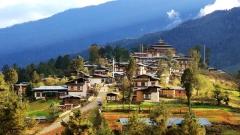
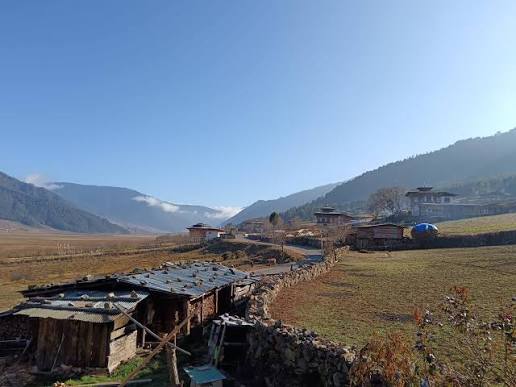
Phobjikha Valley is a broad, open valley surrounded by mountains in central Bhutan. Its grasslands, villages, farmland, and distant peaks create a peaceful landscape that is ideal for travelers interested in nature, photography, and walking.
Gangtey Monastery is one of the valley’s most important cultural sites. The historic monastery is associated with the Nyingma school of Buddhism and remains an important religious center. Visitors can explore the architecture, woodwork, and religious artwork while learning about the monastery’s role in the local community.
Phobjikha is also famous as a winter habitat for black-necked cranes. These migratory birds travel from the Tibetan Plateau and surrounding Himalayan regions to spend the colder months in the valley. The main viewing period is generally from November to February, although sightings depend on weather and bird movements.
Several walking routes are available in the valley. Travelers looking for a gentle experience can choose a relatively easy nature trail, while those seeking a longer hike should discuss the route with their guide and consider the season, weather, and fitness level.
Phobjikha Valley
7. Chimi Lhakhang: A Unique Religious Tradition
Chimi Lhakhang, located near Punakha, is known for its association with fertility blessings and its distinctive phallic symbols. Visitors may see these symbols in temple artwork, wood carvings, and the decorations of nearby houses.
Although the imagery may seem unusual to international visitors, it has a religious and protective meaning in Bhutanese culture. It is traditionally connected with Lama Drukpa Kunley, a religious figure known for his unconventional teachings and stories about defeating evil forces.
The temple is reached by walking from the base of a small hill. The route usually takes around 20 to 30 minutes and passes through rice fields, villages, and rural homes. The walk is relatively gentle and provides an opportunity to observe everyday life away from the main tourist roads.
Visitors should approach the temple with an open mind and avoid interpreting its symbols only through a modern or commercial perspective. Modest clothing is still expected because Chimi Lhakhang remains a religious site.
A local guide can explain the history and symbolism behind the temple, making the visit more meaningful and helping travelers understand the cultural context.
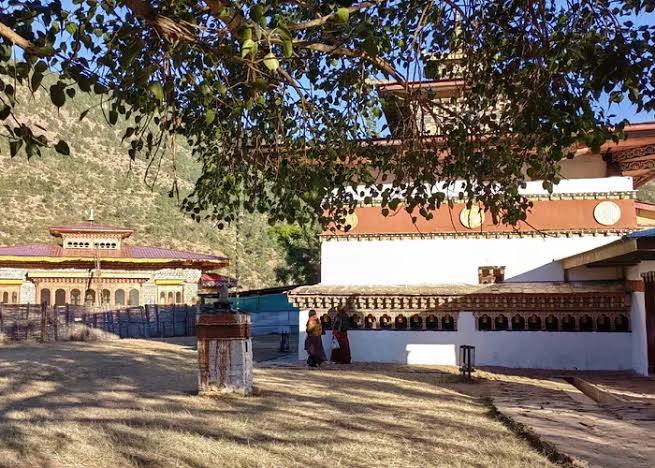
Chimi Lhakhang
8. Traditional Bhutanese Hot Stone Baths
A traditional hot stone bath is one of Bhutan’s most relaxing cultural experiences. Unlike a modern spa, a traditional bath is often arranged in a farmhouse or a simple wooden structure, allowing visitors to enjoy the experience in a more natural setting.
Heated stones are placed into a separate section of a wooden bathtub to gradually warm the water. Local herbs may also be added, creating a gentle herbal fragrance and connecting the experience with traditional Bhutanese wellness practices.
Some upscale hotels offer hot stone baths, but a rural farmhouse experience can provide a closer connection to local life. The setting may be simple, but the quiet surroundings, fresh air, and slower pace make the experience memorable.
Visitors should wear suitable swimwear, check the water temperature, and avoid staying in very hot water for too long. It is important to drink water and take breaks when necessary. Travelers with cardiovascular conditions or other health concerns should seek medical advice before participating.
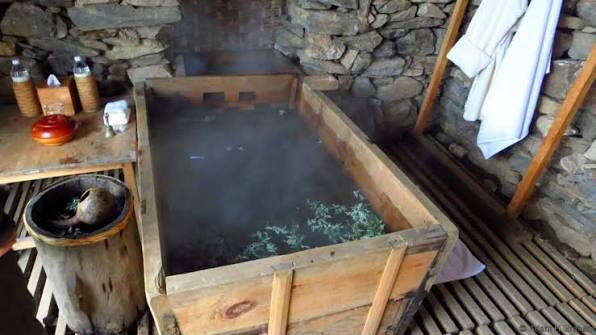
Traditional Bhutanese Hot Stone Baths
Explore Bhutan With China Dragon Travel
Bhutan is not simply a destination for sightseeing. Its charm comes from the combination of dramatic mountain scenery, historic monasteries, religious festivals, traditional sports, rural markets, and everyday cultural experiences.
China Dragon Travel can help international travelers arrange a Bhutan journey that combines major attractions with meaningful local activities. Depending on your interests, the itinerary can include Tiger’s Nest, traditional archery, Tshechu festivals, village walks, mountain valleys, and a Bhutanese hot stone bath.
With suitable transportation, local guidance, and thoughtful scheduling, travelers can explore Bhutan at a comfortable pace while gaining a deeper understanding of its culture and natural environment. If you enjoy authentic experiences and prefer discovering a destination beyond its most famous viewpoints, Bhutan can be a memorable addition to your travel plans.