
If you are planning your first trip to Bhutan, one of the first questions is likely to be: what are the best places to visit in Bhutan? This Himalayan kingdom offers much more than a few famous monasteries. From the dramatic cliffs of Tiger’s Nest and the historic Punakha Dzong to traditional villages and remote mountain valleys, Bhutan’s attractions reveal different sides of the country’s landscape, history, religion, and everyday life.
Key Highlights
- Tiger’s Nest is Bhutan’s most iconic landmark.
- Punakha Dzong combines history, architecture, and river scenery.
- Thimphu and Paro offer an introduction to Bhutanese culture.
- Bumthang, Gangtey, and Haa Valley are ideal for deeper exploration.
- Monasteries, villages, markets, and nature add cultural depth to the journey.
Top Bhutan Tourist Attractions
For first-time international visitors, Paro, Thimphu, and Punakha are often the foundation of a Bhutan itinerary. These destinations are home to some of the country’s best-known landmarks and provide an accessible introduction to Bhutanese architecture, Buddhism, history, and local life.
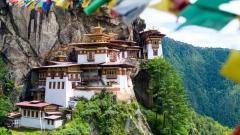
Tiger’s Nest Monastery (Taktshang Goemba)
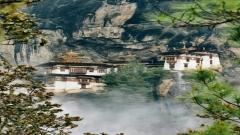
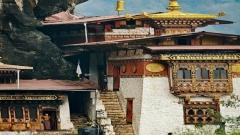
Tiger’s Nest Monastery, also known as Taktshang Goemba, is one of the most recognizable Bhutan tourist attractions. Perched dramatically on a steep cliff above the Paro Valley, the monastery appears to cling to the mountainside, creating one of the most memorable landscapes in the country.
The monastery has deep connections with Bhutanese Buddhist traditions. According to local religious tradition, Guru Rinpoche, also known as Padmasambhava, came to this area in the 8th century and meditated here. Over time, the site became one of Bhutan’s most important pilgrimage destinations.
Reaching Tiger’s Nest requires a mountain hike, so visitors should allow enough time and avoid treating the visit as a rushed sightseeing stop. The trail itself is part of the experience, with views across the forested mountains and Paro Valley along the way.
For international travelers, the combination of dramatic scenery, religious history, and physical activity makes Tiger’s Nest more than just a photo opportunity. It is an experience that connects Bhutan’s natural environment with its spiritual traditions.
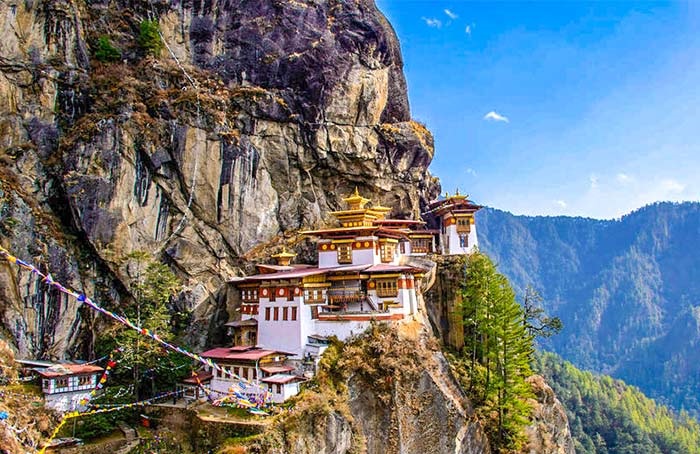
Tiger’s Nest Monastery
Punakha Dzong
Located at the meeting point of the Pho Chhu and Mo Chhu rivers, Punakha Dzong is one of Bhutan’s most impressive fortress-monasteries. Built in the 17th century, it played an important role in Bhutan’s political and religious history and was once the country’s administrative center.
The setting is a major part of its appeal. The traditional architecture rises between the rivers and surrounding mountains, while intricate woodwork, murals, Buddhist artwork, and carefully designed interiors reveal the craftsmanship of Bhutanese architecture.
Punakha Dzong is particularly worthwhile for travelers interested in history. Rather than simply viewing the building from outside, spending time inside allows visitors to understand how religious and administrative traditions developed together in Bhutan.
A walk around the riverside area also provides different perspectives of the dzong and offers a quieter way to appreciate the surrounding landscape.
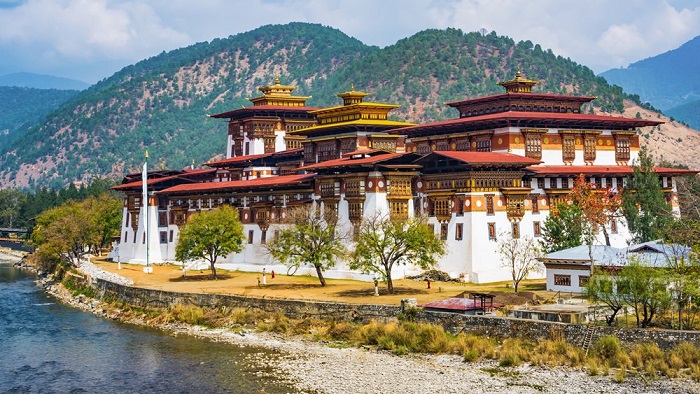
Punakha Dzong
Thimphu Attractions: Discover Bhutan’s Capital
Thimphu is Bhutan’s capital and largest urban center, making it an important stop for understanding contemporary Bhutan. Although the city is relatively small compared with major Asian capitals, it contains several attractions that connect religion, national identity, wildlife, and everyday life.
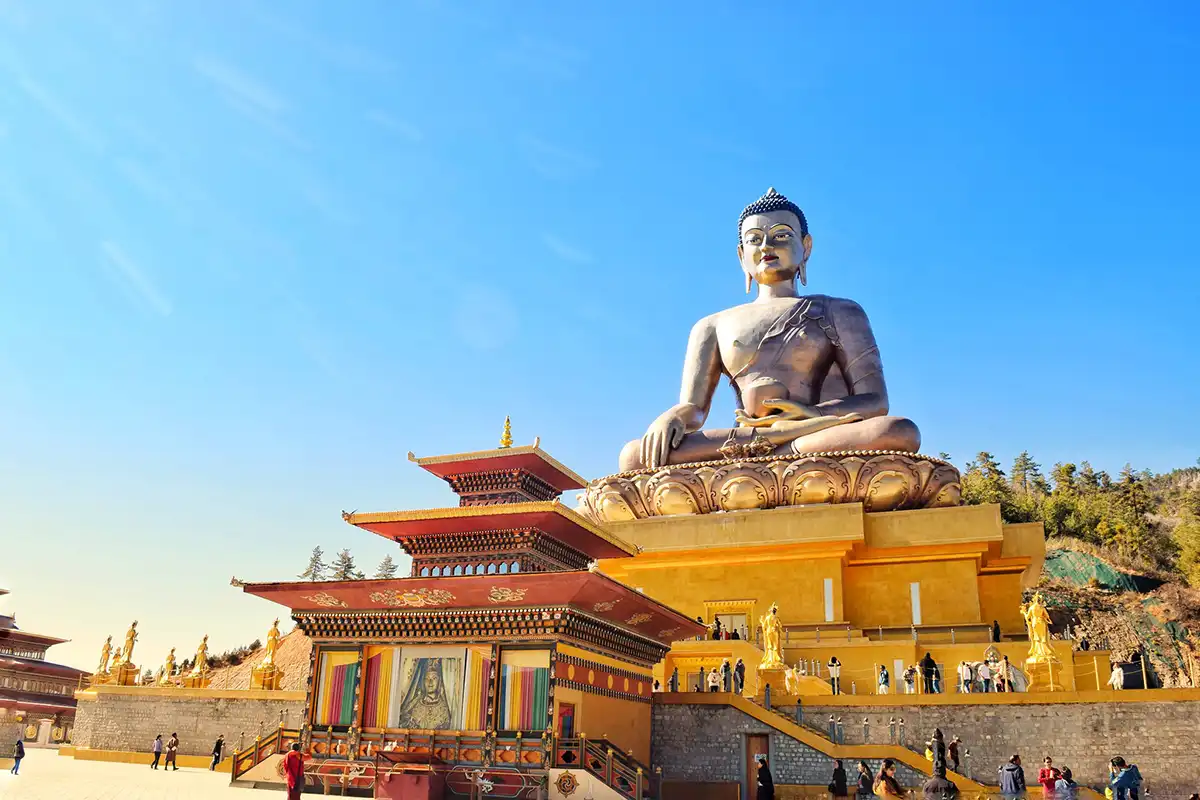
Buddha Dordenma is one of the most prominent landmarks. The enormous Buddha statue stands on a hill overlooking Thimphu Valley and is visible from different parts of the city. The site also contains religious spaces and numerous Buddhist images.
The National Memorial Chorten provides a different perspective on Bhutanese religious life. Rather than being simply a historical monument, it remains an active place of worship where local residents regularly come to pray and circumambulate.
Travelers interested in Bhutanese wildlife can visit the Takin Preserve, where the country’s distinctive national animal can be observed. The Centenary Farmers Market is another worthwhile stop, particularly for visitors who want to see a more everyday side of Bhutan. Fresh produce, local foods, textiles, and handicrafts give travelers a glimpse into local commerce and daily routines.
Together, these attractions make Thimphu more than a transit point. They provide an opportunity to see how traditional Bhutanese culture exists alongside modern urban life.
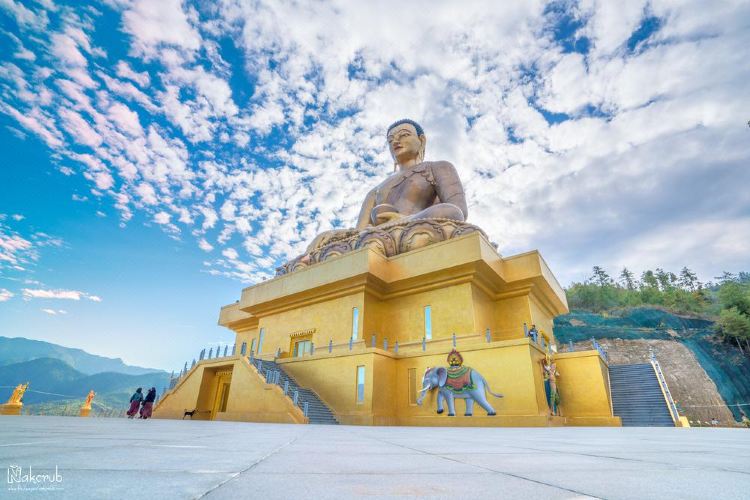
Buddha Dordenma
Paro Attractions: Monasteries, Dzongs, and Cultural Heritage
Paro is another essential destination for most visitors to Bhutan and is home to the country’s only international airport. Beyond Tiger’s Nest, the valley contains historic monasteries, fortress-monasteries, museums, and traditional architecture.
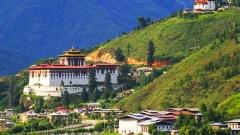
Rinpung Dzong, commonly known as Paro Dzong, is one of the valley’s most important architectural landmarks. The massive white walls, traditional wooden details, and religious spaces demonstrate the distinctive style of Bhutanese dzong architecture. Historically, such buildings served both religious and administrative functions.
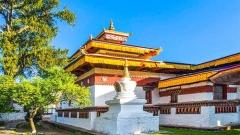
Kyichu Lhakhang is another significant religious site in the Paro Valley. With a long Buddhist tradition and an atmosphere of active worship, the temple offers visitors a chance to experience Bhutan’s spiritual heritage beyond its most famous landmarks.
The National Museum of Bhutan is housed in an old watchtower above Paro Dzong. Its collections cover areas such as Bhutanese history, Buddhist art, traditional crafts, and natural heritage, making it useful for travelers who want additional context before visiting other cultural sites.
Rather than rushing through Paro, visitors can combine its monasteries, dzongs, museum, and valley scenery into a relaxed cultural experience.
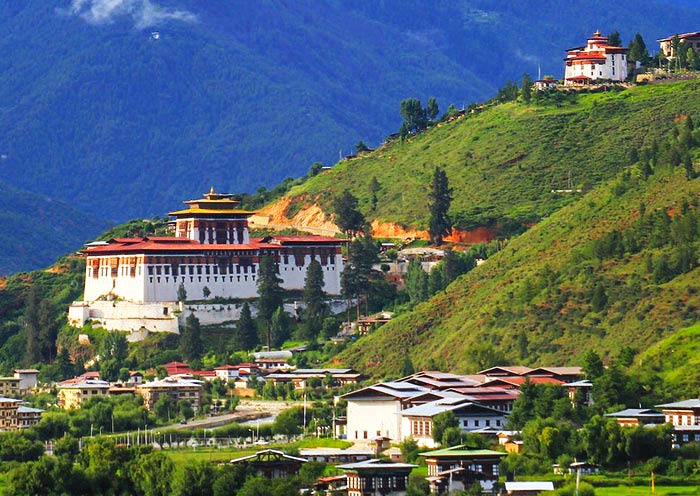
Rinpung Dzong
Hidden Bhutan: Destinations for Deeper Travel
Travelers with more time can go beyond the classic Paro–Thimphu–Punakha route and explore Bhutan’s central and western valleys. These areas generally offer a quieter travel atmosphere, wider landscapes, traditional villages, and a closer connection with local culture.
Bumthang
Bumthang in central Bhutan is often associated with the country’s spiritual heritage. The region contains ancient temples and monasteries surrounded by agricultural landscapes and mountain valleys.
Jambay Lhakhang, Kurjey Lhakhang, and Tamshing Lhakhang are among the important religious sites in the area. Each has its own history, traditions, and artistic features, making Bumthang particularly interesting for travelers who want to explore Bhutanese Buddhism in greater depth.
The region is also suitable for walking and gentle hikes. Moving through rural roads and valley landscapes allows visitors to see farms, traditional homes, fields, and local communities at a slower pace than in the main tourist centers.
Gangtey
Gangtey is located in a broad mountain valley in western Bhutan and is known for its open landscapes and black-necked cranes. The area has strong seasonal appeal, as the cranes migrate to the valley during the winter months.
Gangtey Goemba sits on a hillside overlooking the valley and is an important religious landmark in the region. The surrounding scenery, combined with villages, forests, and open fields, makes Gangtey a destination for travelers who want to spend more time in nature.
If your Bhutan itinerary allows for additional days, Gangtey can provide a natural transition from cultural sightseeing to a quieter mountain experience.
Haa Valley
Haa Valley lies in western Bhutan and remained relatively isolated from international tourism for many years before opening to foreign visitors in 2002. Compared with Paro and Thimphu, the valley has a quieter and more rural atmosphere.
Two notable religious sites are Lhakhang Karpo, or the White Temple, and Lhakhang Nagpo, or the Black Temple. Local traditions and legends surrounding these temples add another layer of interest to the journey.
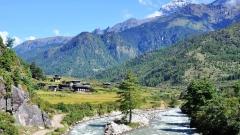
The appeal of Haa Valley, however, is not limited to individual attractions. The surrounding villages, farmland, traditional houses, and mountain scenery are equally important. For international travelers looking for a less-visited side of Bhutan, the valley offers an opportunity to slow down and observe rural life.
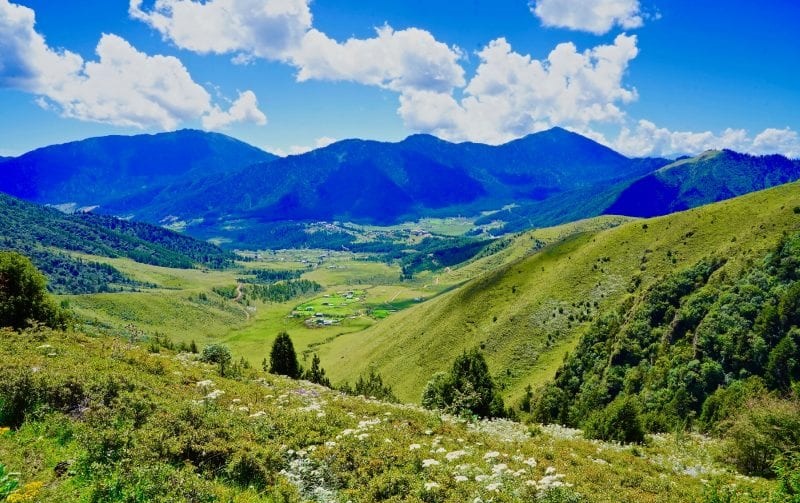
Gangtey Valley
How Should You Plan a Bhutan Sightseeing Itinerary?
Bhutan’s attractions are spread across different valleys and regions, so trying to visit every famous place in a single trip can make the journey unnecessarily rushed. A better approach is to build your itinerary around the type of experience you want.
For a first trip, Paro, Thimphu, and Punakha provide a strong introduction to Bhutan. Travelers interested in Buddhism and history can add more monasteries, dzongs, and museums, while those who prefer nature can spend additional time in mountain valleys and rural areas.
If cultural immersion is your priority, consider including traditional markets, village visits, local crafts, or other community-based experiences. These activities can help you understand Bhutan beyond its famous landmarks.
The most memorable Bhutan itinerary is often not the one with the largest number of attractions. The journey between destinations, the changing mountain scenery, traditional villages, religious sites, and the slower rhythm of local life are all part of the experience.
Explore Bhutan With China Dragon Travel
For international travelers visiting Bhutan for the first time, planning the connections between different valleys and deciding which attractions deserve more time can make a significant difference to the overall experience. China Dragon Travel can help arrange Bhutan journeys based on your travel dates, interests, and preferred pace.
A classic itinerary can combine Tiger’s Nest, Punakha Dzong, Thimphu, and Paro, while travelers with additional time can extend their journey to Bumthang, Gangtey, or Haa Valley. Cultural experiences, village visits, traditional crafts, and other local activities can also be incorporated according to your interests.
Whether you are drawn to Bhutan by Himalayan scenery, Buddhist heritage, traditional architecture, or the quieter atmosphere of its mountain valleys, choosing the right combination of destinations will allow you to experience more than the country’s most famous landmarks. Bhutan is a destination where the journey between the attractions can be just as meaningful as the attractions themselves.