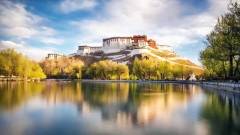

Tucked onto a small island in Basum Tso, Tsozong Gongba Monastery is one of eastern Tibet’s most striking places to encounter Buddhist heritage in its natural setting. The monastery is often described as a thousand years old, though precise dates and details vary across accounts; what visitors can experience directly is its enduring presence amid a landscape of deep-blue water, wooded shores, and mountain slopes. Reaching the island involves crossing the lake, so the visit feels distinct from a roadside temple stop. It is also a place of worship, not simply a scenic backdrop: a quiet approach, modest dress, and respect for local guidance matter.
Key points
- Tsozong Gongba Monastery stands on an island in Basum Tso, in Nyingchi, eastern Tibet.
- The monastery is commonly associated with a history of roughly a thousand years, but exact dating should be treated cautiously.
- Boat access, weather, altitude, and local arrangements can shape the visit.
- Visitors should follow instructions at the monastery and ask before photographing people or religious spaces.
- Basum Tso is best approached as both a living cultural landscape and a natural destination.
Why Visit Tsozong Gongba Monastery on Basum Tso?
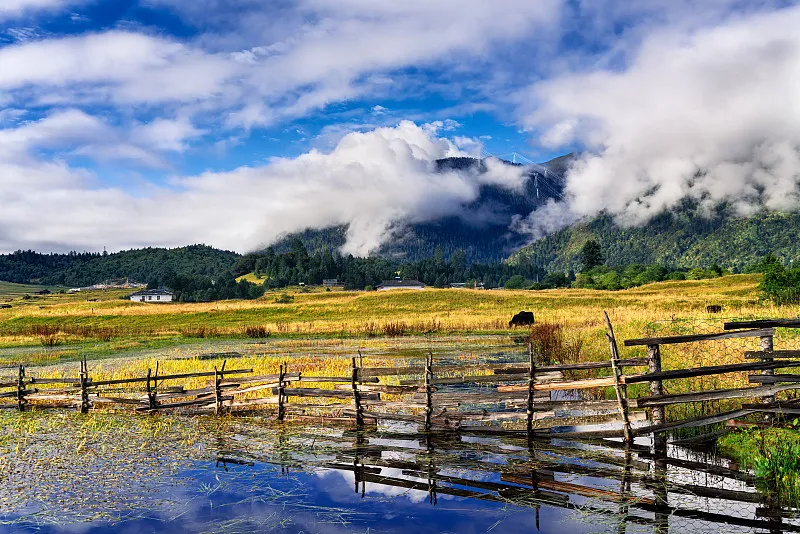
Basum Tso, also known as Basong Co, is a high-altitude lake in Gongbo’gyamda County, within Nyingchi in the Tibet Autonomous Region. The lake’s forested shores and mountain setting make it visually different from the stark, open plateau landscapes many travelers picture when they think of Tibet. Tsozong Gongba Monastery adds a cultural dimension to that scenery. Rather than standing apart from its surroundings, the monastery appears closely tied to the lake and the communities that have lived around it.
Its island location is central to the experience. From the shore, the monastery is visible across the water, and the crossing creates a natural pause between the busier lakeside area and the religious site. The journey is short when boats are operating, but conditions and arrangements can vary. Travelers should follow local instructions rather than assume that a boat will be available at a particular time.
The setting invites photographs, but a visit is more rewarding when it is not reduced to a viewpoint. The monastery remains a place of devotion. Take time to notice its scale, the materials and details visible from public areas, and the contrast between the built environment and the surrounding water. The most memorable part may be the quiet transition from shore to island, rather than a single architectural feature.
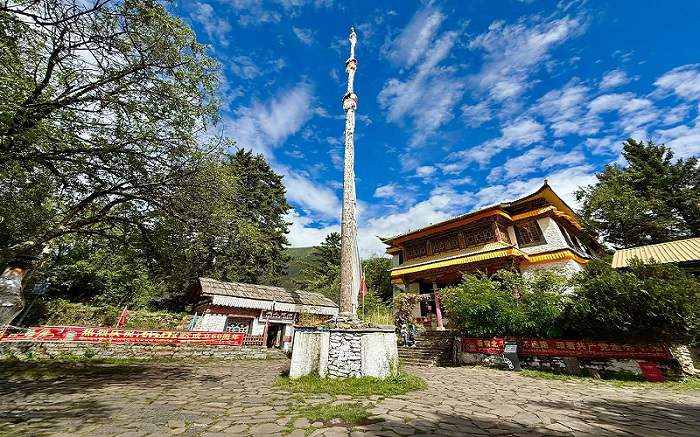
Tsozong Gongba Monastery
A Thousand-Year History, Told With Care – Tsozong Gongba Monastery
Tsozong Gongba Monastery is frequently presented as a monastery with a history of about a thousand years. That description conveys its long-standing religious significance, but it should not be mistaken for a universally verified founding date. Historical accounts of Himalayan monasteries can draw on oral traditions, religious lineages, later renovations, and local records that do not always provide a single, precise chronology. Buildings may also have been repaired or altered over time.
For travelers, the useful distinction is between the monastery’s traditional age and the date of the structures visible today. A site can have a long religious history even when its surviving buildings reflect later rebuilding. Unless reliable local interpretation provides more detail, avoid treating a specific founding year as settled fact. If a guide or monastery representative shares a local account, listen to it as part of the place’s cultural history while keeping the difference between tradition and documented chronology in mind.
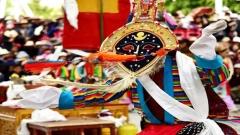
The monastery is associated with Tibetan Buddhism, and visitors may encounter prayer activity, devotional objects, or people making religious visits. The exact practices visible during any one visit depend on the day and local circumstances. A respectful traveler does not need to understand every ritual to behave appropriately: move quietly, avoid blocking people, and follow any signs or requests from staff and worshippers.
What to Notice When Visiting Tsozong Gongba Monastery?
The Island Approach
Before boarding, take in the relationship between the island and the mainland. The monastery’s position makes the water part of the visit, not merely a view behind it. On the crossing, keep belongings secure and follow crew instructions. If the weather turns, visibility drops, or boat operations pause, accept the change rather than pressing for an unsafe crossing.
The Monastery Grounds
Once on the island, stay within areas open to visitors. Some rooms or courtyards may be reserved for worship, residents, or monastery activities. Entry rules can change, so do not assume that a doorway is open to the public simply because it is unlocked. Where shoes must be removed or photography is restricted, comply without argument.
Look for the features that are accessible rather than trying to enter every space. Tibetan religious architecture can include painted surfaces, prayer objects, and carefully maintained interior details, but lighting and access may be limited. Do not touch murals, statues, offerings, or other devotional items. A slow, observant visit is more considerate than trying to cover the site quickly.
The Lake and Shoreline
The lake is an important part of the setting, but its color changes with light, cloud, season, and viewing angle. Expect natural variation rather than a guaranteed shade of blue. From the shore, look toward the island and wooded slopes; from the island, notice how the landscape frames the monastery. Keep to established paths and avoid leaving litter, even small items such as wrappers or cigarette ends.
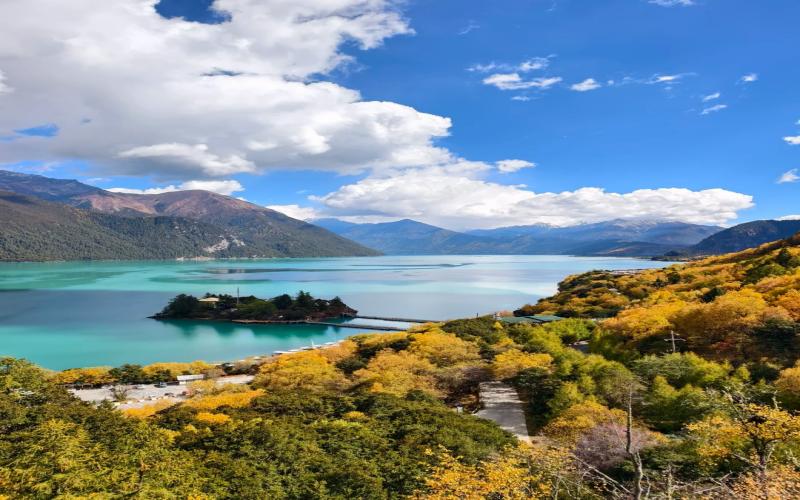
Basum Tso
Planning a Visit to Basum Tso
Location and Access
Basum Tso lies in Nyingchi in eastern Tibet, and visits are commonly arranged as part of a regional itinerary that may include other destinations in the area. Travel times depend on the starting point, road conditions, stops, and local arrangements. Do not plan a tight connection around an assumed journey duration, especially when weather or altitude may affect the pace.
The monastery is reached from the lakeside by boat when services are operating. Confirm access arrangements locally or through your tour operator before setting out. Boat schedules, fees, and availability may change, and this guide does not treat any particular operating hours or price as fixed. If the crossing is unavailable, the lake and surrounding viewpoints can still be enjoyed from the shore, but do not attempt an unofficial crossing.
Travel in Tibet may involve permits, document checks, and rules that differ according to nationality, itinerary, and current local requirements. Confirm the applicable arrangements before departure with an authorized travel provider or the relevant authorities. Keep identification and travel documents accessible, and allow room in your itinerary for checks and changes.
Best Time and Weather
Basum Tso can be visited in different seasons, each with changing conditions. Warmer months often make lakeside walks more comfortable, while shoulder seasons may bring cooler air and more variable weather. In winter, cold conditions can affect comfort and transport. Rather than relying on a single “best” month, check a current local forecast and confirm road and boat access close to your travel date.
Weather at altitude can shift quickly. Carry layers, sun protection, and water, and be prepared for wind or rain even if the day begins clear. Avoid scheduling the island visit as the final, unmovable item in a packed day. A flexible plan is more practical when transport or conditions change.
Altitude and Personal Comfort
Basum Tso is at high elevation, and travelers may feel the effects of altitude differently. Spend time acclimatizing according to your itinerary, walk at a comfortable pace, and avoid strenuous activity if you feel unwell. Headache, nausea, dizziness, unusual fatigue, or breathlessness can be signs that you should stop and seek appropriate advice. Serious or worsening symptoms require prompt medical attention; do not assume that pushing through is safe.
People with health conditions, those who are pregnant, and anyone unsure about high-altitude travel should consult a qualified medical professional before departure. Bring prescribed medication and keep it accessible. Your guide or driver can help identify local support, but remote destinations may not have the same medical facilities as a large city.
Respectful Conduct at a Living Religious Site
A few small choices can make the visit more comfortable for everyone. Wear clothing that covers shoulders and knees where practical, speak softly, and keep a respectful distance from prayer or ceremonies. Follow posted directions and guidance from monastery staff. If an area is closed, do not enter for a better view or photograph.
Ask before taking close-up pictures of monks, local residents, or worshippers. Photography inside religious buildings may be prohibited or limited; look for signs and ask if the rule is unclear. Even when photography is permitted, avoid flash if it could disturb people or damage sensitive objects. Never photograph private or restricted spaces without explicit permission.
Do not touch religious objects or place personal items on altars. Keep food and drinks to appropriate public areas, and take all rubbish back with you. If you are unsure how to behave, observe what local visitors do and ask your guide quietly. Respect is more important than getting a particular picture.
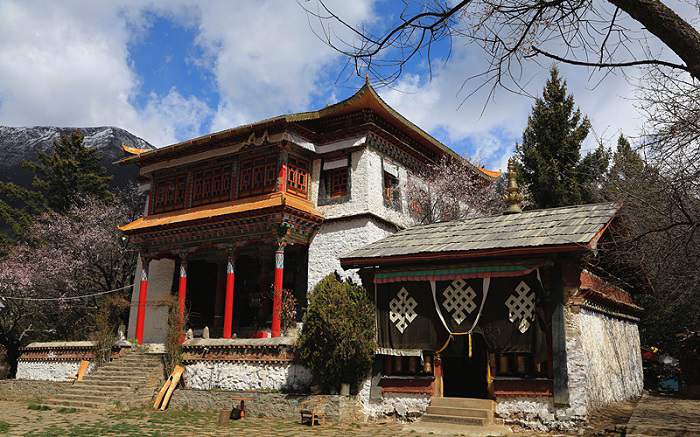
Tsozong Gongba Monastery
A Practical Packing Checklist
For a comfortable visit, pack a warm layer even in milder weather, a waterproof outer layer, sun protection, comfortable walking shoes, and a small amount of water. A camera or phone is useful, but bring a power bank if you will be out for a full day. Keep valuables secured during the boat crossing and avoid carrying more than you need around the island.
Bring travel documents and any permits or confirmations relevant to your itinerary. If you take medication, keep it in its original packaging when practical and carry enough for delays. A small bag for personal rubbish helps you leave the area clean. Cash may be useful in places where electronic payment is not available, but confirm local payment arrangements rather than relying on an assumption.
Dress in layers instead of choosing clothing based on the temperature at your departure point. Sun can feel strong at altitude, while shade, wind, or a change in weather can quickly make the air feel cold. Comfortable clothing also helps when boarding a boat or walking on uneven paths.
How to Choose a Tour or Travel Arrangement?
Travelers unfamiliar with the region may find it helpful to organize Basum Tso through a provider experienced with Tibet itineraries. Before booking, ask what is included, how transport and boat access are arranged, what permits or documents are needed, and how the itinerary handles altitude and delays. Confirm whether the visit is guided, how much time is allotted at the monastery, and whether the plan allows for changing weather.
China Dragon Travel can be considered as one option for discussing a Tibet itinerary, including how Basum Tso might fit alongside other destinations. As with any provider, verify the details directly before booking: current travel requirements, transport, accommodation, inclusions, cancellation terms, and the exact arrangements for visiting the lake and monastery. Do not rely on general descriptions alone when a detail affects your schedule or access.
A good itinerary leaves space for local instructions and does not promise access that depends on weather or monastery rules. Ask practical questions in advance, keep written confirmations, and make sure the pace is suitable for everyone in your group. For independent planning, confirm requirements with the appropriate authorities and local operators before travel.
A Thoughtful Way to Experience the Monastery
Tsozong Gongba Monastery is memorable because the visit brings together a religious site, an island crossing, and the distinctive landscape of Basum Tso. Its age is often described in terms of a thousand-year heritage, but travelers should be careful not to turn a traditional description into an unsupported exact date. The experience is best understood through what is present today: a monastery that remains meaningful to people, a lake that shapes its setting, and a visitor journey that calls for patience and respect.
Plan flexibly, check access locally, take altitude seriously, and let the monastery’s rules guide your visit. With those basics in place, the island can be approached not as a quick photo stop but as a place to observe, learn, and move through with care.