Traveling to Tibet by train is often described as a gentler way to reach the plateau, but the train does not eliminate altitude sickness. The Qinghai–Tibet Railway climbs gradually to very high elevations, and passengers still spend time above 4,000 meters before arriving in Lhasa, which sits at about 3,650 meters. Flying gets you there faster but brings you from low altitude to Lhasa in a short time. Either route can trigger symptoms, and neither guarantees that you will acclimatize without difficulty. Your health, pace, sleep, hydration, and plans after arrival matter as much as your transport choice. The practical question is not simply whether the train is safer than a plane; it is how each option affects your exposure, comfort, schedule, and access to medical help.
Key Points
- Taking the train does not prevent altitude sickness; the route reaches elevations well above Lhasa.
- The train offers a gradual journey, while flying is quicker but delivers a more abrupt change in altitude.
- The train may allow some acclimatization, but time at high elevation is not the same as a carefully planned ascent.
- Build in quiet, low-exertion time after arrival, whichever route you choose.
- Anyone with significant medical concerns should discuss high-altitude travel with a clinician before booking.
Does Traveling to Tibet by Train Cause Altitude Sickness?
Yes. You can develop altitude sickness on the train or after arriving in Lhasa. The railway crosses high-altitude sections, including areas above 5,000 meters, before descending to Lhasa. The cabins are pressurized, but they are not equivalent to a low-altitude environment, and passengers may still be exposed to reduced oxygen levels. The train’s gradual climb may feel less abrupt than flying, yet it does not make the route risk-free.
Altitude sickness, also called acute mountain sickness (AMS), usually follows a gain in elevation and may cause headache, nausea, dizziness, unusual tiredness, or poor sleep. Symptoms often appear within hours of reaching a higher elevation, though they can develop later. A mild headache or fatigue can have other causes, such as dehydration, motion sickness, or lack of sleep, so symptoms should be considered in context rather than dismissed or self-diagnosed casually.
The risk depends on several factors: how high you go, how quickly you ascend, how long you stay, your individual response, and whether you have had altitude problems before. Physical fitness alone does not protect you. A fit traveler can become ill, while another person with less training may feel fine. Previous experience at altitude can offer clues, but it cannot guarantee the same response on a future trip.
It is also important to separate the train journey from the time after arrival. A passenger may feel reasonably well while resting in the carriage and then notice symptoms after walking around Lhasa, climbing stairs, or heading to a higher destination. The first day in Tibet is not the time to test your limits.
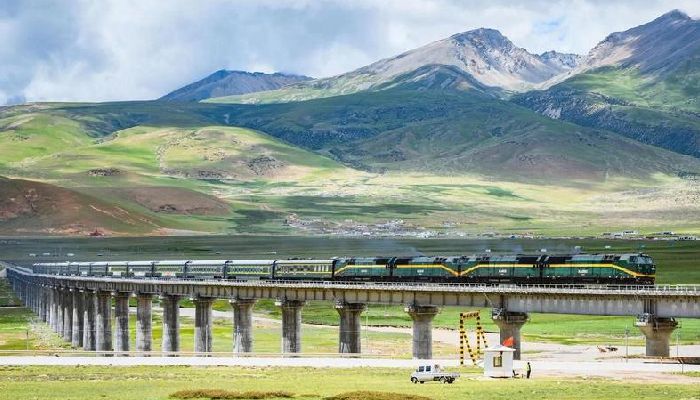
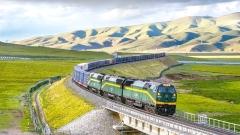
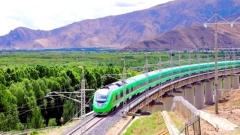
Qinghai-Tibet Railway Trains
How High Is the Qinghai–Tibet Railway?
The railway links Xining in Qinghai with Lhasa in Tibet, crossing a vast high-altitude landscape. Elevation varies along the line. The route reaches its highest point at Tanggula Pass, at approximately 5,072 meters, and includes long stretches above 4,000 meters. Lhasa itself is roughly 3,650 meters above sea level.
Exact conditions depend on the route and train service you book. Many travelers begin in Xining, which is already at a considerable elevation, while some long-distance services originate farther east at lower elevations. The total time on board can be long, and a longer train ride does not mean a person has spent each hour in ideal conditions for acclimatization. Sleep quality, cabin atmosphere, movement, and individual sensitivity all affect how the journey feels.
Passenger trains on the high-altitude route use pressurized carriages and supplementary oxygen systems. These features are intended to make the journey more manageable, but they should not be treated as a guarantee against altitude illness. Equipment availability and operating procedures can vary, and travelers should not plan to rely on a train’s oxygen supply as a substitute for medical advice or their own prescribed treatment.
A train’s gradual route is sometimes compared with a slow ascent on foot. The comparison has limits. A high-altitude trek usually includes a planned schedule, rest days, adjustable sleeping elevations, and a guide or support team. A rail passenger follows a fixed route and timetable, with limited control over elevation changes or opportunities to stop. The journey may provide a gentler transition for some people, but it is not a personalized acclimatization program.
Train or Plane: Which Is Better for Altitude?
There is no single best option for everyone. The train provides a slower approach and the experience of crossing the plateau; a flight usually saves substantial travel time and may suit travelers with limited leave. Both routes end in Lhasa, where the elevation is high enough for symptoms to occur. Choosing between them means weighing the pace of ascent against time, comfort, cost, and how you personally respond to altitude.
The Case for Taking the Train
A train journey can make the change in elevation feel less sudden, particularly if you travel from a lower starting point and have time to rest during the trip. You can move around the carriage, eat, and watch the landscape change. For travelers who enjoy rail travel, the route can be a major part of the experience rather than just a transfer.
The slower approach may also reduce the shock of going directly from a low-altitude city to Lhasa. But this is not a promise that the body will adapt fully before arrival. The train climbs to very high elevations, and passengers can experience symptoms en route. A poor night’s sleep, anxiety, a headache, or nausea may complicate the journey even if the cabin is equipped for high-altitude travel.
The train also takes longer and can be tiring. Depending on the service and origin, the trip may involve many hours or more than a day on board. Crowded compartments, noise, limited privacy, and disrupted sleep can make it harder to arrive rested. If you already feel unwell, a long journey may be uncomfortable and access to individualized medical care is more limited than in a hospital setting.
The Case for Flying
Flying is the faster and often more practical option for travelers with a short itinerary. It avoids a long rail journey and can connect Lhasa with other parts of China. However, the quick transfer from a lower elevation to a high destination means the body has less time to adjust during the journey. The aircraft cabin is pressurized, but cabin pressure corresponds to an altitude rather than sea-level conditions, and passengers can still feel the effects of reduced oxygen.
A flight is not automatically more dangerous for every traveler, just as a train is not automatically safer. The most important difference is how quickly you reach Lhasa, followed by what you do next. Flying travelers who arrive and immediately walk briskly, carry heavy bags, drink alcohol, or head to a higher-altitude destination are making the transition more demanding. A quiet arrival day can be more useful than choosing a train and then overexerting yourself.
Does the Train Give You Time to Acclimatize?
It can give your body more time to respond to increasing elevation, but the benefit is not guaranteed. Acclimatization is a gradual process involving changes in how the body manages oxygen. Its pace varies among individuals, and simply spending a fixed number of hours at altitude does not ensure that symptoms will not appear.
The train route’s changing elevation, extended time at high altitude, and sleeping conditions can affect passengers differently. Some people feel comfortable on board and develop a headache only after reaching Lhasa. Others notice symptoms during the climb. A traveler who starts the journey from a high-elevation city may also have less of a low-to-high transition than someone flying from near sea level, but that does not remove the need to pay attention to symptoms.
A measured itinerary after arrival matters whichever route you take. Plan at least the first day in Lhasa around rest and gentle activity. Avoid scheduling a strenuous hike, a fast-paced sightseeing tour, or an immediate drive to a higher sleeping elevation. If your itinerary includes destinations such as mountain passes or remote areas, ask your tour operator how the route gains elevation and where you will sleep. A schedule that steadily moves higher can be more demanding than one that allows time at a lower sleeping elevation.
Some travelers consider spending time in a moderately high city before going to Tibet. This may be useful in certain itineraries, but there is no universal acclimatization plan that suits everyone. Do not add a stop at altitude solely because you assume it will make the trip safe; it may introduce another exposure without guaranteeing protection. Discuss a proposed route with a qualified clinician if you have concerns.
Common Symptoms and When to Seek Help
Mild altitude sickness often includes headache along with one or more symptoms such as nausea, loss of appetite, dizziness, fatigue, or difficulty sleeping. Symptoms can overlap with travel fatigue and other illnesses. Pay attention to whether they appear after an elevation gain and whether they are worsening, rather than assuming that every headache is harmless or that every uncomfortable feeling is AMS.
Stop increasing your elevation if symptoms develop. Rest, avoid strenuous activity, and tell a travel companion or guide how you feel. Do not continue to a higher sleeping altitude just because a vehicle is scheduled to leave. If symptoms persist, worsen, or interfere with normal activity, seek medical evaluation. Medication used to prevent or treat altitude illness may not be suitable for everyone; consult a clinician before travel rather than borrowing medication or relying on advice from a fellow passenger.
Severe symptoms require urgent medical attention. Warning signs include difficulty walking straight, confusion, unusual drowsiness, loss of coordination, breathlessness at rest, a persistent cough, or blue-tinged lips or skin. These can indicate serious altitude-related illness and should not be treated as ordinary travel discomfort. Get help immediately, descend to a lower elevation when this can be done safely, and contact emergency or medical services. In remote areas, follow the advice of trained local staff or your guide and do not leave a seriously ill traveler alone.
If you have a chronic heart or lung condition, sleep apnea, significant anemia, a recent serious illness, or a history of severe altitude problems, seek individual medical advice well before departure. Pregnancy and other health circumstances may also affect travel decisions. A travel article cannot determine whether a particular route is appropriate for you.
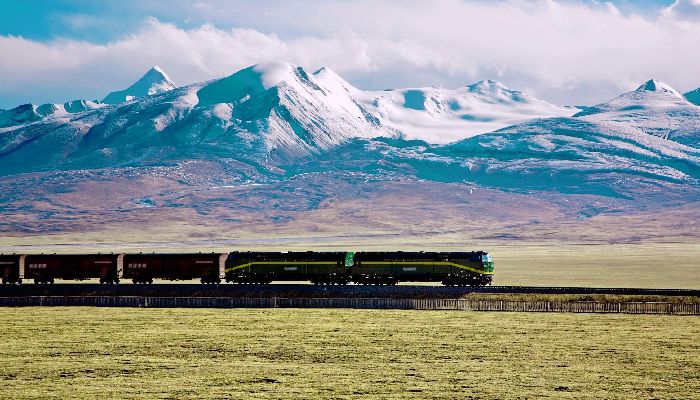
Qinghai-Tibet Railway Train
How to Reduce Risk on Either Route
Plan a Gentle First Day
Arrange accommodation in Lhasa and keep your first day flexible. Rest after arrival, walk slowly, and avoid strenuous sightseeing. If you need to carry luggage, ask for help rather than hauling heavy bags up stairs. Do not assume that feeling well in the morning means you should immediately take on a demanding excursion; symptoms can develop after arrival.
Hydrate Normally and Eat Sensibly
Drink fluids regularly, especially if the air is dry, but do not force excessive amounts of water. Eat light, familiar meals if your appetite is low. Alcohol and sedatives can complicate sleep and may make it harder to notice changes in how you feel, so avoid them during the initial adjustment unless a clinician has advised otherwise. Do not use caffeine or supplements as a substitute for rest or medical guidance.
Keep the Itinerary Flexible
Allow enough time to rest and be prepared to change plans. A fixed schedule that includes a long drive, high pass, or strenuous walk immediately after arrival leaves little room to respond to symptoms. Ask about sleeping elevations, travel times, and options for shortening or delaying an excursion. If you are joining a group, tell the guide promptly if you feel unwell rather than waiting until symptoms become severe.
Talk to a Clinician Before Using Medication
Some medications may be prescribed to prevent or treat altitude illness, but the right choice depends on personal medical history, allergies, and other medicines. A clinician can explain whether medication is appropriate, how and when to use it, and what symptoms still require urgent care. Do not start prescription medication based only on a travel forum or a tour operator’s general recommendation.
Choose the Route for the Whole Trip
Consider more than the journey to Lhasa. Think about how much time you have, where you will sleep, whether the itinerary climbs to higher elevations, and how you usually handle motion, sleep disruption, and long travel days. Travelers who choose the train should plan for the physical demands of a long ride. Travelers who fly should protect their first days from unnecessary exertion. In either case, a flexible itinerary is a practical safety measure.
Planning With China Dragon Travel
If you are arranging a Tibet itinerary through China Dragon Travel, ask specific questions before confirming transport and excursions. Find out whether the proposed route begins in Xining or another city, how long the train or flight connections take, what your first day in Lhasa looks like, and how quickly the itinerary moves to higher destinations. Ask where you will sleep each night and what options are available if you need to rest or change plans.
A tour provider can help coordinate tickets, accommodation, permits where required, transfers, and local guides, but no operator can guarantee that a traveler will avoid altitude sickness. Share relevant health concerns before booking and seek medical advice for personal risk assessment. Confirm current travel and permit requirements directly with the provider before departure, as arrangements can change.
For travelers with ample time who enjoy rail journeys, the train may be a rewarding way to cross the plateau and may offer a more gradual overall approach than flying. For travelers with limited time, flying can make the itinerary more manageable, provided the first days are planned conservatively. Neither choice is a cure for altitude risk. The sound decision is the one that fits your health, schedule, route, and willingness to build in time to rest.