For decades, Lhasa was the undisputed gateway to Tibet, but a quiet shift has been happening in recent travel trends. More and more travelers are choosing Nyingchi as their first stop when entering the Tibetan Plateau. This change is not driven by mere coincidence; it is rooted in geography, comfort, and an unparalleled aesthetic experience. Known as the “Switzerland of Tibet,” Nyingchi offers a gentle introduction to high-altitude travel that simply cannot be matched elsewhere. Instead of immediately facing the harsh, arid environment of the central plateau, visitors are greeted by dense forests, roaring rivers, and blooming valleys. This article explores the specific reasons behind this growing trend, breaking down why starting your journey in southeastern Tibet might be the smartest decision you make for your trip.
Key Takeaways
- Lower altitude significantly reduces the risk of altitude sickness.
- Lush greenery provides a stark, beautiful contrast to typical plateau landscapes.
- Direct flight access makes arrival convenient and comfortable.
- Rich biodiversity offers unique trekking and nature experiences.
- Deep cultural roots provide authentic Tibetan encounters without heavy tourist crowds.
Escaping Altitude Sickness: Why Nyingchi Is the Safest Entry Point
The single greatest fear for anyone planning a trip to Tibet is acute mountain sickness (AMS). When travelers fly directly into Lhasa, they are immediately thrust into an elevation of roughly 3,650 meters (nearly 12,000 feet) with thin air and low oxygen levels. For many, the first two days are spent confined to a hotel room, battling headaches, nausea, and exhaustion. Nyingchi completely flips this script. Situated at an average elevation of around 3,100 meters, with some valleys dipping below 2,900 meters, it provides a much more forgiving environment for the human body.
But elevation numbers only tell part of the story. What truly sets Nyingchi apart is its unique microclimate. The Yarlung Tsangpo River cuts through the Himalayas here, creating a massive gorge that acts as a funnel for warm, moist air currents from the Indian Ocean. This influx of moisture means the air in Nyingchi holds significantly more oxygen than the dry, barren expanses of western or central Tibet. The region is blanketed in dense coniferous and broadleaf forests, which actively contribute to higher localized oxygen levels. Breathing here feels remarkably easier. By spending three to four days acclimatizing in Nyingchi, travelers allow their bodies to gradually increase red blood cell production before heading to higher elevations like Lhasa, Shigatse, or Everest Base Camp. This strategic approach transforms what could be a grueling physical ordeal into a smooth, enjoyable transition.

Nyingchi
A Landscape Unlike Any Other on the Plateau
When people imagine Tibet, they typically picture vast, treeless steppes, snow-capped peaks, and deep blue skies over rocky terrain. While that landscape is undeniably majestic, Nyingchi offers something entirely unexpected: lush, vibrant, almost tropical-feeling alpine scenery. It is a place where glaciers meet subtropical forests, creating a visual paradox that captivates every visitor.
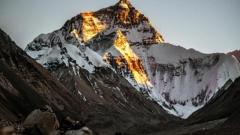
The crown jewel of this region is Namcha Barwa, a staggering peak rising 7,782 meters above sea level. Because of the surrounding deep gorges, the relative height difference between the valley floor and the summit is one of the most dramatic on Earth. On clear mornings, the golden sunlight hitting the pyramid-shaped peak while mist rolls through the pine forests below creates a scene that feels otherworldly. Then there is the Basum Tso Lake, a crescent-shaped emerald body of water surrounded by snow mountains and thick woods. Unlike the stark, saline lakes found in other parts of Tibet, Basum Tso is a freshwater lake teeming with life, featuring a small island with an ancient temple accessible by boat.
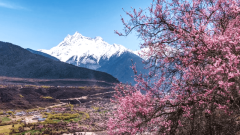
The seasonal changes here are equally dramatic. In spring, the entire region erupts in color. Wild peach trees, some hundreds of years old, bloom in vivid shades of pink and white against the backdrop of snowy mountains and green barley fields. The Bomi Peach Blossom Valley draws photographers from across the globe who want to capture this fleeting, magical contrast. In autumn, the forests transform into a patchwork quilt of gold, crimson, and amber. Choosing Nyingchi as your first stop means your initial impression of Tibet is painted in these extraordinary, saturated colors rather than the muted tones of the high desert.
Unmatched Accessibility and Modern Infrastructure
Historically, reaching Tibet required either a grueling multi-day overland drive or a flight into Lhasa followed by immediate exposure to extreme altitude. The opening and continuous expansion of Nyingchi Mainling Airport changed the logistics of Tibet travel forever. Today, direct flights connect Nyingchi to major Chinese hubs such as Chengdu, Chongqing, Guangzhou, and Shenzhen. This means international travelers can easily route through these major cities and land directly in the gentle embrace of southeastern Tibet within a few hours.
Beyond aviation, the ground infrastructure has seen remarkable improvements. The completion of the Lhasa-Nyingchi railway, a marvel of modern engineering, has made traveling between the two cities incredibly scenic and efficient. The train journey takes just a few hours, winding through tunnels and over bridges that span deep river gorges, offering panoramic views of the Yarlung Tsangpo River. For those who prefer road trips, the highways connecting Nyingchi to Bomi, Medog, and eventually Lhasa are well-maintained, paved, and offer frequent rest stops. This accessibility removes the rugged, punishing element of early Tibet exploration, making it viable for older travelers, families, and those who prioritize comfort alongside adventure.
The Cultural Depth of Southeastern Tibet
While Nyingchi is often celebrated for its natural beauty, its cultural significance is equally profound and frequently overlooked by casual observers. The region is home to diverse ethnic groups, including the Monpa, Lhoba, and Tibetan communities, each maintaining distinct traditions, languages, and architectural styles that differ slightly from those found in central Tibet. This diversity stems from the region’s historical position along ancient trade routes connecting the plateau to the Indian subcontinent.
Visiting the villages around Bomi or the remote settlements near Medog reveals a way of life deeply intertwined with the forest environment. Traditional wooden houses with intricate carvings replace the flat-roofed stone dwellings of Lhasa. Local festivals here often revolve around agricultural cycles, harvest times, and reverence for the surrounding mountains and rivers, which are considered sacred deities. The Giant Cypress Scenic Area in Bayi District features trees that have stood for over 2,500 years, serving as spiritual anchors for local communities who tie prayer flags and leave offerings at their massive roots.
Starting your trip here allows you to engage with Tibetan culture in a more relaxed, intimate setting. Without the overwhelming crowds found at major monasteries in Lhasa during peak seasons, interactions with locals feel more genuine. You can sit in a village home, drink butter tea, and listen to stories about the local spirits of the forest, grounding yourself in the spiritual essence of Tibet before tackling the grander religious sites further west.
Trekking and Adventure Opportunities for Every Skill Level
Nyingchi is a paradise for outdoor enthusiasts, offering a spectrum of activities ranging from leisurely nature walks to hardcore mountaineering expeditions. Because it serves as the entry point to the Yarlung Tsangpo Grand Canyon—the deepest canyon in the world—the trekking opportunities here are legendary. The canyon plunges over 5,000 meters deep in certain sections, creating isolated ecosystems that harbor rare flora and fauna found nowhere else on the planet.
For beginners or those still adjusting to the altitude, the boardwalk trails around the Lulang Forest offer a serene, effortless hiking experience. Walking through towering spruce and fir trees, breathing in the scent of damp earth and pine needles, provides a therapeutic reset after long flights. Intermediate trekkers might opt for the routes leading toward the Galongla Glacier or the paths winding through the alpine meadows of Zaxigang, where herds of yaks graze peacefully under towering peaks.
Advanced adventurers use Nyingchi as the staging ground for expeditions into Medog, historically known as the last county in China to be connected by a road due to its impenetrable terrain. Trekking into Medog involves crossing high-altitude passes covered in snow before descending rapidly into humid, subtropical jungles filled with leeches, waterfalls, and exotic wildlife. This dramatic ecological transition within a single hike is a primary reason thrill-seekers prioritize this region. By arriving in Nyingchi first, adventurers can test their gear, gauge their physical response to the altitude, and hire experienced local guides before committing to deeper wilderness explorations.
A Culinary Awakening: The Flavors of Nyingchi
Tibetan cuisine is often generalized as heavy on yak meat, tsampa (roasted barley flour), and butter tea. While these staples exist in Nyingchi, the region’s unique climate introduces a culinary variety that surprises most travelers. The lower altitudes and abundant rainfall mean that agriculture thrives here in ways impossible on the higher plateau. You will find fresh vegetables, wild mushrooms, and even fruits grown locally.
One of the absolute must-try dishes is the Tibetan Stone Pot Chicken. Originating from the Medog area, this dish uses a pot carved from a single piece of soapstone mined locally. The chicken, often free-range and raised in the mountains, is slow-cooked for hours with palm ginseng, various medicinal herbs, wild fungi, and goji berries. The resulting broth is incredibly rich, aromatic, and believed by locals to possess healing properties—perfect for restoring energy after a day of travel or trekking. Eating this steaming hot pot while looking out over a misty river valley is an experience that defines the comfort of Nyingchi.
Additionally, the region produces excellent honey, harvested from bees that pollinate the wild peach and rhododendron flowers. Yak meat here is often prepared differently, sometimes smoked using local pine wood, giving it a distinct, resinous flavor profile. Starting your trip in Nyingchi ensures your palate is introduced to the most refined and varied end of Tibetan gastronomy, providing a comforting and delicious foundation for your travels.

Nyingchi Peach Blossom
Planning Your Journey with China Dragon Travel
Navigating the logistics of a Tibet trip requires careful planning, particularly regarding permits, transportation, and altitude management. Because foreign travelers and those from outside mainland China require a Tibet Travel Permit, organizing your itinerary through a reliable agency is not just recommended; it is mandatory. This is where China Dragon Travel proves invaluable for those looking to structure a seamless itinerary beginning in Nyingchi.
China Dragon Travel specializes in crafting routes that prioritize traveler health and experience. Rather than rushing clients to the highest points immediately, their itineraries often leverage Nyingchi as the strategic starting point. They handle the complex paperwork, arrange the necessary local guides fluent in both English and Tibetan dialects, and secure reliable transportation across the varying terrains of southeastern Tibet. Whether you are interested in a photography-focused tour during the peach blossom season, a rigorous trek into the Grand Canyon, or a culturally immersive village stay, having an experienced operator ensures that the focus remains on the journey rather than administrative hurdles. Their deep local connections also mean access to better accommodations and authentic dining experiences that independent travelers might struggle to find. By initiating your booking and planning process with professionals who understand the geographic nuances of the plateau, you guarantee that your first steps in Tibet are safe, legal, and profoundly memorable.
Sustainable Tourism and Preserving the Alpine Eden
As Nyingchi grows in popularity, the conversation around sustainable tourism becomes increasingly vital. The delicate balance between the subtropical forests and the glacial environments means that unchecked foot traffic could degrade the very landscapes drawing visitors. Fortunately, local authorities and communities have recognized this early. Strict regulations govern waste disposal in areas like the Yarlung Tsangpo Grand Canyon, and visitor caps are occasionally implemented in highly sensitive ecological zones.
Travelers choosing Nyingchi as their first stop are encouraged to adopt a “leave no trace” philosophy. Supporting local economies by purchasing handicrafts directly from village artisans, staying in locally owned guesthouses, and respecting the sacred nature of the mountains and lakes ensures that the economic benefits of tourism remain within the community. The pristine condition of places like the Lulang Forest is a testament to what happens when conservation is prioritized alongside development. By visiting responsibly, you contribute to the preservation of this unique biome, ensuring that future generations of travelers can experience the same breathtaking transition from lush valleys to icy peaks that makes Nyingchi so special.