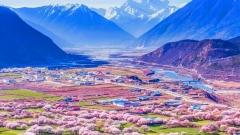

Spring in Nyingchi is a meeting of contrasts: pink peach blossoms brighten the valleys while snow remains on distant Himalayan peaks, and rivers thread through forests and villages. The season draws visitors to southeastern Tibet for landscapes that feel very different from the high, dry plateau many people imagine. A memorable trip takes more than finding a famous blossom grove, though. Flowering varies with elevation and weather, mountain roads can take longer than expected, and time to adjust to altitude matters. This guide explains when to go, where to look for blossoms, how to shape a practical route, what to eat, and how to travel considerately. It also covers useful planning details for visitors, including transport, permits and health precautions. With flexible timing and a little patience, spring in Nyingchi can be enjoyed at a comfortable pace, whether you are here for photography, village scenery or a broader journey through Tibet.
Key Points
- Peach blossoms generally appear at different times across Nyingchi’s valleys and elevations, so allow room in your schedule rather than relying on one fixed date.
- The Yarlung Tsangpo valley, Bomi County and the main Nyingchi urban area offer distinct scenery and can be combined on a longer road trip.
- Roads are mountainous and journey times can be affected by weather, construction and traffic; plan conservatively.
- Nyingchi is at high altitude despite its comparatively lush scenery. Rest, hydrate and take symptoms seriously.
- Confirm current entry requirements, transport arrangements and local conditions before departure, especially when traveling to border or restricted areas.
Why Spring Stands Out in Nyingchi?
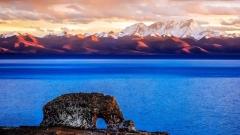
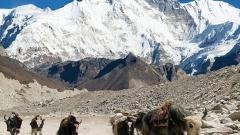
Nyingchi, also written as Linzhi, lies in southeastern Tibet, where the landscape is shaped by deep river valleys, forested slopes and high mountains. Spring brings a striking visual change: peach trees bloom around fields, homes and roadsides, while snow-capped peaks remain visible above the valleys. The contrast between delicate blossoms and rugged terrain is the region’s signature seasonal scene.
The area is not a single viewpoint but a broad collection of landscapes. A valley near the city may be entering its blossom season while a higher or more distant area is still waiting for warmer days. In some places, flowers grow beside traditional settlements; elsewhere, they frame a river bend or appear against a forested mountainside. That variety makes a spring visit rewarding even when the blossoms are not at their peak everywhere.
Nyingchi can also serve as a gentler introduction to Tibet’s geography. Its elevation is lower than that of Lhasa, but it remains high enough for altitude effects to be a real concern. Visitors should not assume that green scenery means low elevation or that a short walk will feel like one at home. A relaxed itinerary helps you enjoy the landscape without turning every day into a race between distant photo stops.
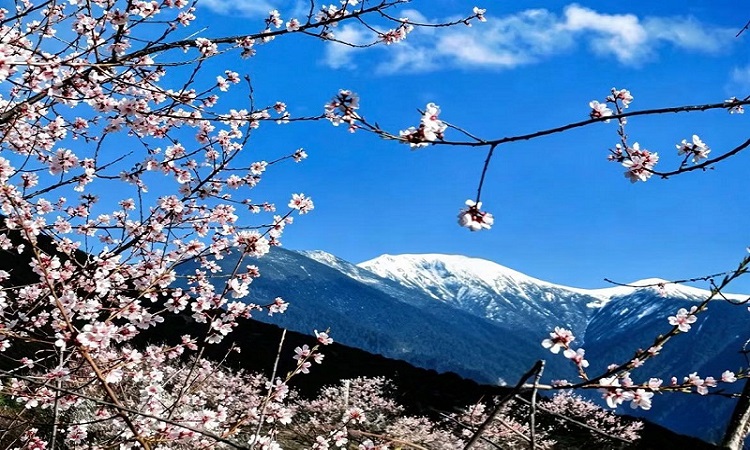
Nyingchi Peach Blossoms
When to See the Nyingchi Peach Blossoms?
Peach blossom season usually falls in spring, but exact timing changes from year to year and from valley to valley. Temperature, elevation and local weather all influence when trees open and how long flowers last. Lower or warmer locations may bloom before higher areas, while rain or wind can shorten the best viewing period. There is no single date that guarantees peak blossoms throughout Nyingchi.
For the best chance of seeing flowers, plan a trip with flexible days and check local updates shortly before traveling. If your schedule is fixed, consider visiting more than one area rather than depending on a single grove. Even when a location is past peak, neighboring villages or a different elevation may still have blossoms. Conversely, an early cold spell can delay flowering across a wide area.
Spring days can feel mild in the sun and chilly in shade or after sunset. Mountain weather changes quickly, so pack layers, a windproof outer layer and comfortable shoes suitable for uneven ground. Rain protection is useful, and visitors who plan to spend long periods outdoors should bring sun protection as well. At altitude, sunlight can feel intense even when the air is cool.
The most useful approach is to treat blossom forecasts as guidance rather than a promise. Build in time for scenic stops, and avoid scheduling a long drive immediately after a full day of sightseeing. This makes it easier to respond to local conditions and enjoy the journey even if the flowering calendar shifts.
Where to Find Spring Scenery in Tibet?
Nyingchi City and the Surrounding Valley
The Nyingchi urban area is a practical base for visitors who want access to services, restaurants and road connections. Nearby valley scenery offers an accessible introduction to the region’s spring landscape, with blossoms appearing around settlements and cultivated fields when conditions are right. From here, travelers can make shorter outings or begin a longer route toward other parts of the prefecture.
Rather than searching only for a famous roadside stop, look for places where blossoms are part of everyday village scenery. Ask your driver or local host whether access is appropriate, and stay on public paths. Some trees grow on private land, and a good photograph is not a reason to enter a field, block a lane or disturb residents.
Bomi County
Bomi, also called Bomê, is known for dramatic mountain and forest scenery, and spring can bring peach blossoms into this broader landscape. The drive itself is part of the experience: roads pass through valleys and changing terrain, with views that may include rivers, wooded slopes and distant peaks. Conditions and travel times can vary, so allow generous time for stops and do not assume that a short distance on a map means a quick journey.
Bomi is often best approached as a destination in its own right rather than a hurried detour. If you have enough days, spend a night in the area and explore at a slower pace. This reduces the pressure to drive long stretches after dark and gives you more opportunities to enjoy the scenery in changing light.
The Yarlung Tsangpo River Valley
The Yarlung Tsangpo is one of the defining rivers of Tibet, and its valley offers a powerful setting for spring travel. Blossoms, villages and river landscapes may appear together, though the exact views depend on the route and conditions. The valley is extensive, so identify the specific places you hope to visit before setting out and confirm whether access is open to foreign visitors.
Some routes and areas in Tibet can have additional access requirements or restrictions. Do not rely on an old itinerary or an unverified online post for permission details. A licensed travel operator or a qualified local guide can help confirm which places are available for your travel dates and arrange the necessary documentation where required.
Viewpoints and Village Roads
A viewpoint can provide a broad sense of the landscape, but smaller roads and village edges often reveal the intimate side of spring: blossom branches above walls, fields returning to life and daily activity unfolding against the mountains. These are lived-in places, not open-air sets. Keep noise low, ask before photographing people at close range and avoid leaving litter behind.
If you are traveling with a driver, agree on safe stopping points. Narrow roads can be difficult to navigate, and stopping on a bend or blocking local traffic creates risks for everyone. A short walk from a safe parking area is often a better choice than trying to stop directly beside a tree.

Bomi Peach Flower
Getting There and Getting Around
Nyingchi is connected to other parts of Tibet by road and air. The most suitable option depends on your starting point, schedule, budget and the current transport timetable. Flights can reduce travel time, but services and schedules may change. Road journeys offer a gradual view of the landscape but can be long and are sensitive to weather and road conditions. Check current arrangements directly before booking.
Within the region, a private vehicle with an experienced local driver is often the most practical way to visit scattered viewpoints and villages. Public transport may serve some towns, but it is not always convenient for reaching remote blossom locations or adjusting the route during the day. When hiring a vehicle, clarify what is included, how long the driver can wait at stops and whether the itinerary is realistic for the available daylight.
Do not plan a mountain drive around optimistic map estimates. Landslides, roadwork, traffic controls and weather can affect journey times. Keep essential items accessible in the vehicle, including water, snacks, warm clothing and any personal medication. Avoid driving after dark whenever possible, and follow local instructions if a road is closed or conditions deteriorate.
Permits and Travel Arrangements in Nyingchi
Travel rules for Tibet can differ according to nationality, itinerary and the places you intend to visit. Foreign visitors generally need to arrange entry and travel documentation through an authorized travel agency, and additional permits may apply for some areas. Requirements can change, so confirm the latest rules with a reputable operator before buying nonrefundable transport or finalizing a route.
Share your intended destinations and travel dates when requesting advice. A general statement that a place is “in Nyingchi” does not necessarily confirm that a particular road, county or border area is open to every traveler. Ask who will arrange required permits, what documents you should carry and what happens if weather or an administrative closure forces a change of plan.
China Dragon Travel can be considered as one option for organizing a Tibet itinerary, including guidance on transport, permits and local arrangements. Before booking, verify the services included, cancellation terms, current access requirements and whether the proposed schedule allows enough time for altitude adjustment and road conditions. Compare the itinerary with your own priorities, and request clear details rather than relying on broad promotional descriptions.
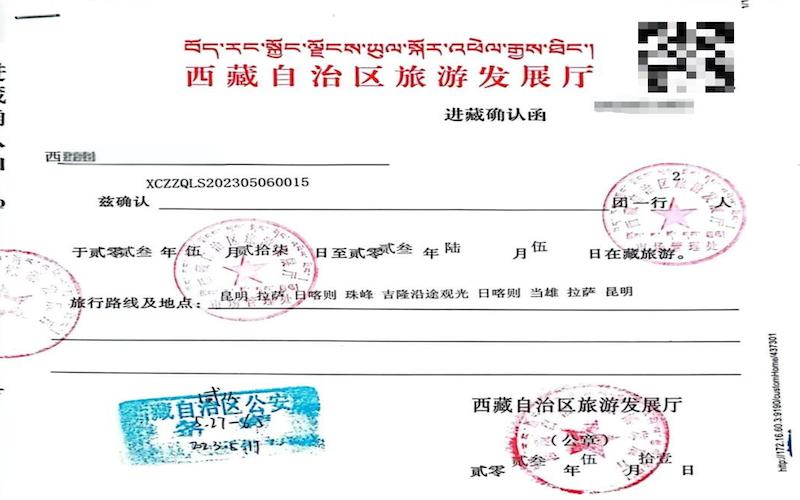
Tibet Travel Permit
Altitude, Health and Safety
Nyingchi’s green valleys can make the region seem less demanding than other parts of Tibet, but altitude remains important. People respond differently, and fitness does not guarantee protection from altitude sickness. Take the first day slowly, avoid strenuous exertion at the start of the trip and drink fluids regularly. Alcohol and intense exercise are best avoided while you are adjusting.
Possible altitude-related symptoms include headache, nausea, dizziness, unusual fatigue and shortness of breath. If symptoms are severe, worsen or occur at rest, tell your travel companions and seek medical help promptly. Do not push onward to a higher destination simply to preserve a schedule. Travelers with existing health conditions should speak with a medical professional before departure and discuss an appropriate plan.
Carry any regular medication in its original packaging and keep it accessible during travel. Medical facilities can be limited outside larger towns, so consider travel insurance that covers the activities and destinations on your itinerary. Follow advice from local guides and authorities, particularly when weather or road conditions change.
What to Pack for Spring in Nyingchi?
Pack for several kinds of weather rather than a single forecast. Lightweight layers work well: a breathable base, a warm mid-layer and a waterproof or windproof shell. Comfortable walking shoes with grip are useful for village lanes, uneven ground and damp paths. Bring a hat, sunglasses and sunscreen, since high-altitude sunlight can be strong.
A small day bag should hold water, snacks, personal medication, a power bank and a warm layer. Photography equipment is easier to use when protected from dust and sudden rain. If you carry a tripod, check that you can use it without obstructing paths or traffic. A reusable water bottle and a small bag for your own rubbish help reduce waste during day trips.
Food to Try in Nyingchi
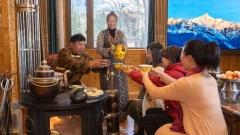
Nyingchi’s food scene reflects both Tibetan and broader regional influences. Menus vary by town and restaurant, but visitors may find Tibetan staples alongside Sichuan-style dishes and familiar Chinese meals. Yak meat, barley-based foods, noodles and warming soups are worth trying where available. Local offerings can differ, so ask what is seasonal and how a dish is prepared if you have dietary needs.
Butter tea is a traditional Tibetan drink with a distinctive savory taste. It may be unfamiliar to first-time visitors, and it is perfectly fine to start with a small cup. Sweet tea is another common choice in some settings. In restaurants, noodle soups and hot dishes can be comforting after a cool day outdoors, while a simple meal is often the better option if you are feeling unsettled by altitude.
If you have food allergies, communicate them clearly and do not assume every restaurant can accommodate them. Carry suitable snacks for long drives, particularly when traveling beyond larger towns where dining choices may be limited. Eat and drink according to your comfort; adjusting to altitude is not the time to force unfamiliar foods.

Stone Pot Chicken
Photography and Responsible Travel
Spring photography in Nyingchi is about more than capturing a close-up of a blossom. Include the setting: a village roofline, a river in the distance or snow on a mountain ridge. Soft morning or late-afternoon light can bring out detail, while midday light may be harsher. Because weather changes quickly, keep your camera protected and be ready to photograph between showers or breaks in cloud.
Respect private property and local customs. Ask before photographing people, homes or religious sites, and follow any posted rules. Do not pick blossoms, climb trees or step into cultivated land for a better angle. Avoid drones unless you have confirmed that their use is permitted in the specific area; restrictions may apply near airports, military facilities, border zones and other sensitive locations.
Responsible travel also means treating roads and public spaces carefully. Use designated pull-offs, keep noise down and take rubbish with you. When a popular spot is crowded, wait patiently or choose a quieter location rather than pushing into a field or blocking a village lane. Local communities live and work among the scenery that visitors come to see.
Common Planning Mistakes to Avoid
The most frequent mistake is expecting one precise blossom date to work across the entire region. Flowering varies with elevation and weather, so a flexible route is more reliable than a rigid checklist. Another is attempting to cover too many destinations in too few days. Long drives, high altitude and frequent photo stops all take energy; a lighter schedule usually produces a better experience.
It is also easy to underestimate the weather. A sunny afternoon does not rule out cold evenings, rain or strong wind. Bring layers and check local conditions each day. Finally, do not assume that a place is accessible simply because it appears on a map or in an older travel article. Confirm permits, road access and local rules before setting out.
Frequently Asked Questions
Is Spring the Best Season for Peach Blossoms in Nyingchi?
Spring is the season associated with Nyingchi’s peach blossoms, but the best viewing period varies by location and year. Check local updates close to your trip and include more than one area if your dates are fixed.
How Many Days Should I Spend in Nyingchi?
Three days can work for a focused visit around the city and nearby valleys. Five to seven days gives you more flexibility for a longer drive, a stay near Bomi or time to adapt to altitude. The right length depends on road conditions and your onward travel plans.
Is Nyingchi Suitable for a First Trip to Tibet?
It can be a rewarding first destination because of its varied scenery and comparatively lower elevation than Lhasa, but it is still a high-altitude region. Plan a gentle start, follow medical advice and arrange travel documentation before departure.
Can I Visit Without a Guide?
Travel arrangements and access rules depend on your nationality and itinerary. Foreign visitors generally need to organize travel through an authorized agency, and some destinations require additional permits. Confirm current requirements before planning independent transport or lodging.
What Should I Do if the Blossoms Are Past Their Peak?
Shift the focus to the broader landscape. Nyingchi’s river valleys, forests, villages and mountain views remain worthwhile outside peak flowering. A flexible itinerary can also take you to another elevation where blossoms may be at a different stage.