
A train journey to Tibet is not simply a slower way to reach Lhasa. It is a long overland experience across changing landscapes, with the practical benefit of arriving by rail rather than stepping straight from an aircraft into the high-altitude environment. That combination makes it appealing to some travelers and a poor fit for others. The trip can involve many hours or more than a day aboard, depending on the departure city and service, and a train ticket does not remove the health risks of altitude. It also requires advance planning for tickets, permits, and onward travel. In this guide, you will find out who is likely to enjoy the journey, what its real advantages and limitations are, and when flying may be the more sensible choice.
Key Takeaways
- Best for: Travelers who enjoy long rail journeys, wide-open scenery, and a slower transition into Tibet.
- A strong option for: Visitors with flexible schedules who want the train ride to be part of the trip, not just transportation.
- Think carefully if: You have limited time, significant mobility or medical needs, or find overnight travel difficult.
- Important to know: Traveling by train does not guarantee protection from altitude sickness; acclimatization and medical advice still matter.
- Plan ahead: Check current ticket availability, Tibet travel requirements, and the conditions of your itinerary before booking.
Who Is a Train Journey to Tibet Best Suited For?
The train is most rewarding for travelers who see the journey as an experience in its own right. If you like watching terrain change through a window, are comfortable spending extended time in a shared carriage, and can allow extra days in your itinerary, rail may suit you well. It can also appeal to people who prefer a gradual approach to reaching Lhasa, although no route or pace can ensure a comfortable response to altitude.
It is less suitable for anyone choosing it only because they assume it is always cheaper, easier, or medically safer than flying. Fares, ticket availability, travel dates, and the cost of reaching the departure city can change the overall calculation. The train also brings ordinary long-distance travel challenges: limited privacy, interrupted sleep, shared facilities, and time away from your planned sightseeing.
A useful way to decide is to ask whether you would still want the ride if the scenery were partly obscured, the train were crowded, or you had a restless night. If the answer is yes, the journey may be a good match. If your priority is reaching Lhasa quickly and preserving energy for a short holiday, compare flights before committing.
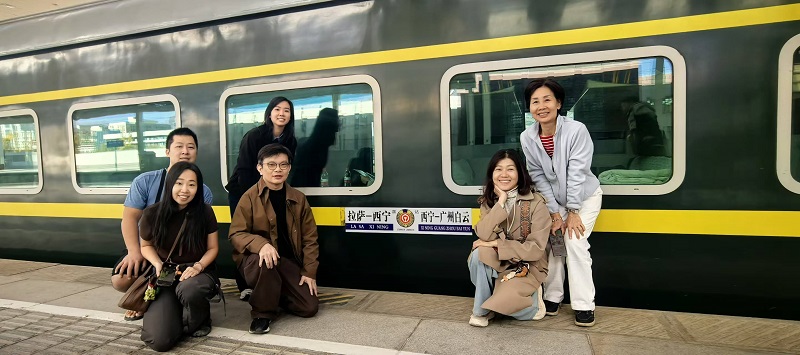
Tibet Train
Travelers Who Love Landscapes and Slow Travel
People Who Want the Route to Be Part of the Holiday
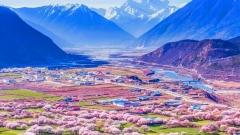
The Qinghai–Tibet Railway is known for crossing a vast plateau landscape, with long stretches of open country and views that differ markedly from the scenery around major eastern cities. Conditions along the route vary, and cloud, darkness, season, and the side of the carriage can affect what you see. Even so, many rail-minded travelers value the changing sense of scale: built-up areas give way to highlands, broad valleys, and sparsely populated terrain.
This style of travel rewards patience. The experience is not a sequence of attractions with a guide waiting at each stop. Much of the day is spent looking out, reading, resting, chatting, or simply noticing how the landscape changes. Travelers who enjoy scenic rail routes elsewhere often understand this rhythm already. Those who need constant activity may find the hours feel long.
Photographers and Observant Travelers
The train can be appealing to photographers who enjoy landscapes, but it is not a dedicated photography tour. Window reflections, changing light, movement, and fellow passengers can make clean shots difficult. For a better chance of usable images, keep expectations flexible, clean your lens, avoid leaning equipment into walkways, and be considerate of other passengers. Follow crew instructions and do not assume that every view can be photographed from every carriage or at every point.
Even without a camera, the route can be rewarding for travelers who like noticing details: the changing colors of the ground, the distance between settlements, and the contrast between a busy carriage and an immense landscape outside. That attentiveness is often more important than a perfect view.
Travelers Who Want a Gradual Approach to Altitude
What the Train Can and Cannot Do
Some travelers choose the train because they hope to gain altitude more gradually than they would by flying directly to Lhasa. The rail route does ascend over time, which can feel less abrupt than a rapid flight. However, a gradual journey is not a guarantee against acute mountain sickness or other altitude-related problems. Susceptibility differs from person to person, and symptoms can occur despite a careful itinerary.
The train’s pressurized passenger environment is intended to support travel at high elevation, but it should not be treated as a substitute for acclimatization or medical planning. Once in Lhasa, travelers still need to take it easy, avoid overexertion at first, drink fluids according to their needs, and monitor how they feel. Do not use medication, oxygen, or other treatment without appropriate professional guidance.
Anyone with a heart or lung condition, a history of serious altitude illness, pregnancy, or another relevant medical concern should discuss the trip with a qualified clinician before booking. A clinician can help assess individual risk; a travel company cannot provide a personal medical clearance. If symptoms become severe, seek medical care rather than trying to continue sightseeing.
People Who Can Build Rest Into the Itinerary
The train may suit visitors who have enough time to rest after arrival rather than immediately starting a demanding tour. A flexible schedule makes it easier to respond to fatigue or mild symptoms and to postpone strenuous activities. This is particularly important for travelers who plan to visit higher-altitude areas beyond Lhasa, where conditions may differ from those in the city.
The best approach is to plan the first days conservatively. Keep arrival day light, choose accommodation with practical access to assistance, and confirm how your tour operator handles changes if you feel unwell. The train may support a more measured arrival, but the itinerary after the train matters just as much.
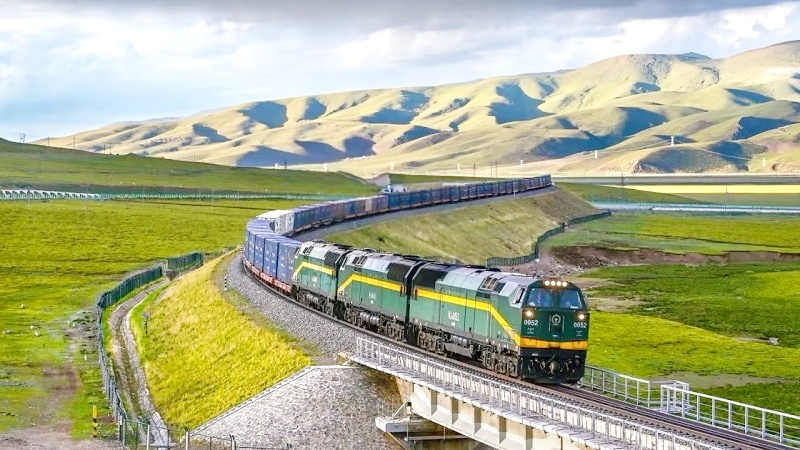
Tibet Train
Travelers With Flexible Schedules
A long rail ride can be a good fit for visitors with enough days to absorb it. The exact duration depends on the departure point and service, and the total travel time also includes getting to the station, check-in, possible connections, and onward arrangements. Build in a buffer rather than planning a tightly packed schedule around a single arrival time.
Flexible travelers can also compare different ways of structuring the trip. Some prefer to travel by train in one direction and fly in the other, while others choose rail both ways because they enjoy the experience. The right plan depends on ticket availability, budget, route, and how much time you want to spend in transit. Do not assume that a one-way train ticket will automatically be easy to obtain for your preferred date.
This option works particularly well for travelers combining Tibet with a broader China itinerary. The train can become one chapter in a longer journey, rather than taking up a disproportionate share of a short holiday. Before finalizing the route, confirm the current travel documents and arrangements required for your nationality and itinerary.
Travelers Comfortable With Long-Distance Rail Conditions
A train journey to Tibet is more comfortable for people who can adapt to shared travel. Sleeper accommodation, where available and booked, can provide a place to lie down, but it does not promise quiet or uninterrupted sleep. Carriages may be busy, and noise, lights, temperature, movement, and other passengers can affect rest. Bring earplugs, an eye mask, personal medication, a charged device, and any small comfort items you rely on, while keeping luggage manageable.
Food and service arrangements can vary. It is sensible to carry snacks that meet your dietary needs and to bring water, while following onboard rules and taking care with food storage. Travelers with strict dietary requirements should not assume that every preferred meal will be available during the journey. Check practical details before departure and pack a modest backup supply.
Shared toilets and limited space can be tiring for people who need frequent privacy or have specific accessibility requirements. If you have mobility needs, a condition that makes prolonged sitting difficult, or a requirement for accessible facilities, verify the exact arrangements with the rail operator or a knowledgeable travel provider before paying. Do not rely on assumptions based on another country’s trains or a different carriage type.

Tibet Train Boxed Meal
Families, Older Travelers, and First-Time Visitors
Families With Children
Families can enjoy the train when children are comfortable with long periods of sitting and the adults have planned for meals, sleep, entertainment, and movement within the rules of the carriage. A familiar book, quiet games, headphones, and snacks can help. Parents should also consider how their children usually respond to disrupted sleep and whether the family can manage a lengthy trip without a private space.
Altitude deserves particular attention. Children may not always describe symptoms clearly, so adults should watch for changes in behavior, appetite, energy, sleep, or coordination and seek medical advice if concerned. Ask a pediatric clinician about the suitability of high-altitude travel for your child. The train itself does not make the destination medically risk-free.
Older Travelers
Age alone does not determine whether someone should take the train. General health, mobility, sleep needs, medical conditions, and comfort with long travel are more useful considerations. An older traveler who is active, medically prepared, and accustomed to rail journeys may find the route manageable. Someone with limited mobility or a condition that requires regular monitoring may need more detailed planning or may prefer a faster, more controllable itinerary.
Before booking, check boarding assistance, berth access, toilet arrangements, and what support is available during the trip. Keep essential medication in hand luggage, along with prescriptions and relevant medical information. For travelers with complex health needs, discuss both the rail journey and time at altitude with a clinician.
First-Time Visitors to Tibet
First-time visitors may appreciate the train as a gradual introduction to the region, but it is not a replacement for reliable planning. Confirm the documents and travel arrangements required for your route, understand whether you need to travel with an organized service, and leave time for acclimatization. Rules can depend on nationality and travel circumstances, so verify them for your own trip rather than relying on an old forum post or someone else’s itinerary.
A knowledgeable operator can help coordinate permitted travel, transport, accommodation, and sightseeing, but travelers should still understand what has been booked and what is included. Clear communication is especially useful when arranging station transfers, dietary needs, accessibility, or a flexible first day in Lhasa.
Who May Be Better Off Flying?
Flying may be a better match for visitors with limited vacation time, people who strongly dislike overnight transport, or travelers who need to minimize time in transit. It can also be preferable when the rail schedule or ticket availability does not fit the itinerary. A flight may be faster door to door, although airport transfers, check-in, and delays still need to be factored in.
People who struggle with shared facilities, cannot sleep in a moving carriage, or need predictable access to personal space should compare the options carefully. The train’s scenic reputation does not make it comfortable for everyone. Likewise, travelers with significant medical concerns should not choose either mode based on a broad claim that one is universally safer; they should ask a clinician to assess their specific circumstances.
If you are traveling during a busy period, availability can shape the decision as much as preference. Check current schedules and official booking channels early, and keep a realistic alternative in mind. Avoid booking non-refundable onward arrangements that depend on an unconfirmed train ticket.

Lhasa Gonggar Airport
What to Consider Before Booking
Time, Cost, and the Full Route
Compare the whole journey rather than the headline fare. Include travel to the departure city, accommodation before boarding if needed, meals, transfers on arrival, and the value of the days spent in transit. A train may be a memorable use of time for one traveler and an expensive loss of sightseeing time for another.
Ticket Availability and Accommodation
Services, timetables, and ticket inventory can change. Check the current route, carriage class, and booking arrangements through appropriate official channels or a reputable travel provider. Confirm what type of berth or seat you are actually purchasing. If you need a particular arrangement because of health, mobility, or family needs, clarify it before booking.
Permits and Travel Requirements
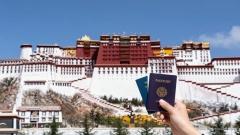
Travel to Tibet involves requirements that can vary by traveler and itinerary. Confirm the documents needed for your nationality and route, and allow time for any required arrangements. Do not assume that a train ticket alone gives permission to travel throughout the region. Keep copies of essential documents and follow the instructions given by the relevant authorities and your travel provider.
Packing for the Ride
Pack for a long journey, not just a day trip. Useful items often include personal medication, a light layer, toiletries, tissues, hand sanitizer, snacks, a water bottle, charging equipment, earplugs, an eye mask, and a small day bag. Keep valuables and essential documents accessible. Follow carriage rules, avoid obstructing shared areas, and bring only what you can manage comfortably when boarding.
How China Dragon Travel Can Help You Decide?
China Dragon Travel can help travelers compare a train-based itinerary with alternatives and coordinate practical arrangements for a Tibet trip. When discussing a plan, explain how many days you have, whether you want the train experience itself, your preferred accommodation, and any mobility, dietary, or health-related considerations that affect travel. Ask specific questions about ticket availability, transfers, permits, what is included, and what happens if a schedule changes.
A useful planning conversation should make the trade-offs clear rather than assume the train is right for everyone. Travelers should independently confirm medical suitability with a qualified clinician and verify current travel requirements before departure. With realistic expectations and enough time to acclimatize, the train can be a rewarding choice for travelers who value the route as much as the destination. For those who prioritize speed, privacy, or a tightly scheduled visit, another way of reaching Tibet may be a better fit.